Thulamela Archaeological Site

Hilltop stone city with sweeping views and deep trade history
Thulamela Archaeological Site, Kruger National Park
InsideKruger National Park

Overview

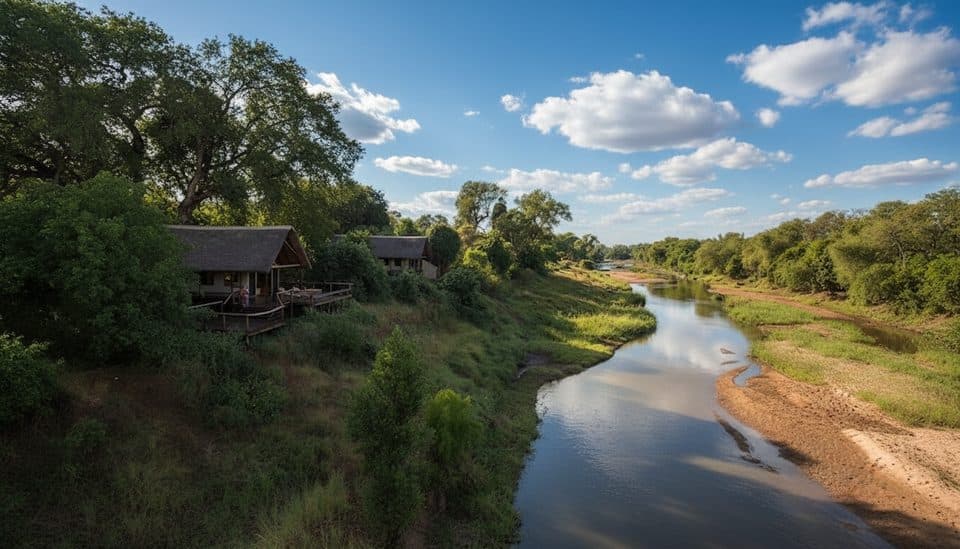
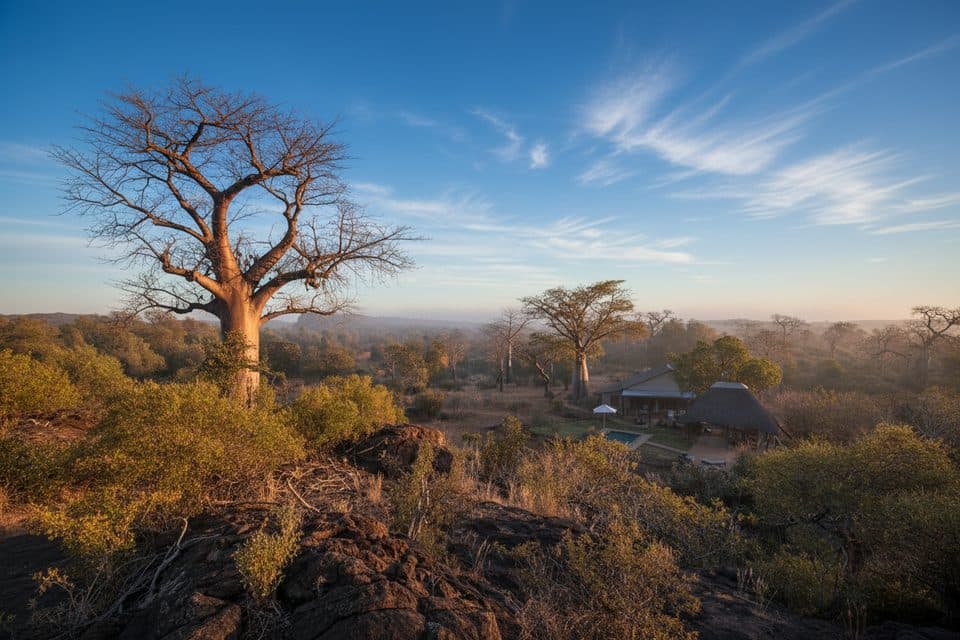
Thulamela is a late Iron Age, stone‑walled hilltop city in the far north of the park, overlooking the Luvuvhu River. Occupied roughly AD 1250–1700 and home to about 2,000 people at its peak, it’s one of the great stone cities of southern Africa linked to Mapungubwe and Great Zimbabwe. Expect dramatic dry‑stone walls (rebuilt using original stone without mortar) and vistas punctuated by ancient baobabs.

People, Power and Trade

Society here revolved around sacred leadership: the Khosi ruled from the hilltop enclosure while commoners lived and farmed below. Excavations in the 1990s revealed two royal burials—often referred to as a queen (c. AD 1600) and a king (c. AD 1450)—accompanied by gold and thousands of beads. Finds such as glass beads, Chinese porcelain, imported cloth, ivory bracelets, and gold/bronze items point to long‑distance trade moving down the Luvuvhu and Limpopo toward Mozambican ports and onward via Indian Ocean networks.

What It’s Like to Visit

You can only visit on a guided excursion with SANParks or an arranged guide, which keeps the experience focused and respectful. From the parking area, it’s about a 10‑minute gentle walk to the ruins. The path is uneven in places, but the reward is a commanding view over the river floodplain and the surrounding baobab landscape.

Logistics and How to Book

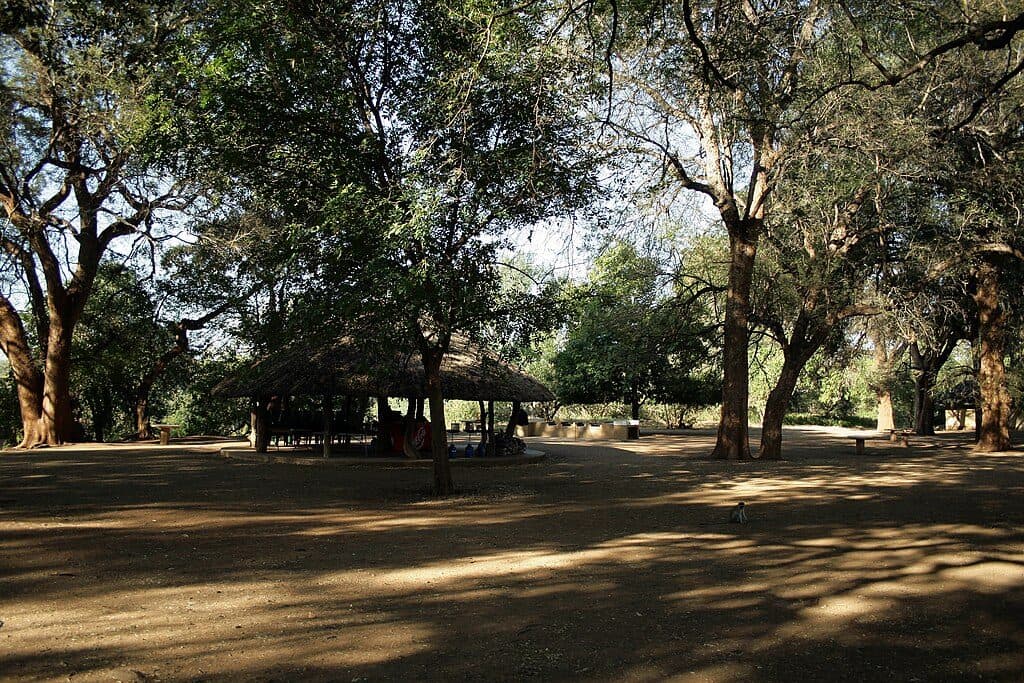
  • Access is by guided tour only; book in advance (arrangements commonly run via Punda Maria Camp or pickup at Pafuri Picnic Site).
  • Typical details include an early 07:00 departure, age 12+, small groups (minimum and maximum numbers apply), and the option of a SANParks open vehicle or your own vehicle where permitted.
  • Bring water, sun protection, and sturdy closed shoes. No food or drinks are sold on the trail.
  • Plan for no on‑site amenities; use restrooms at the pickup points beforehand.

Wildlife Angle

This corner of the park is rich in game, and travelers often spot animals along the approach roads. Keep your eyes open en route—you’re here for history, but the wildlife can steal the show.

Best Time to Visit

  • Dry season (winter) offers clearer views and easier walking temperatures.
  • Early morning departures are standard and give you softer light for photos.
  • Tours are small by design, so crowds aren’t the issue—availability is. Secure your spot well ahead of time.

Pros

  • Guided SANParks-only access adds rich context and protects the site
  • Short walk to sweeping views over the Luvuvhu floodplain and baobabs

Cons

  • Advance booking required; limited group sizes and fixed departures
  • No on-site facilities or food/drink available

Tips

  • Book at least a week ahead via Punda Maria Camp or SANParks.
  • Aim for the dry season or the standard early‑morning departure for cooler, clearer conditions.
  • Bring plenty of water, sun protection, and sturdy closed shoes—no food or drinks are sold.
  • Use restrooms at the pickup point before departure; there are none at the ruins.
  • Treat it as sacred archaeology: stay on paths and don’t touch or remove anything.
The Parkwolf tour guide sitting on a phone mounted in a car

Parkwolf Tour Guide

Like a tour guide in your car.

Save the places you found around Kruger, then let Parkwolf guide the drive between them.Download Parkwolf on the App Store