
Overview
About Priest Rock Public Use Cabin
Why stop
- A wood stove, sleeping bunks and a porch over the creek.
Heads up
- You arrange the boat or floatplane and bring your own supplies.
Map
Where it is
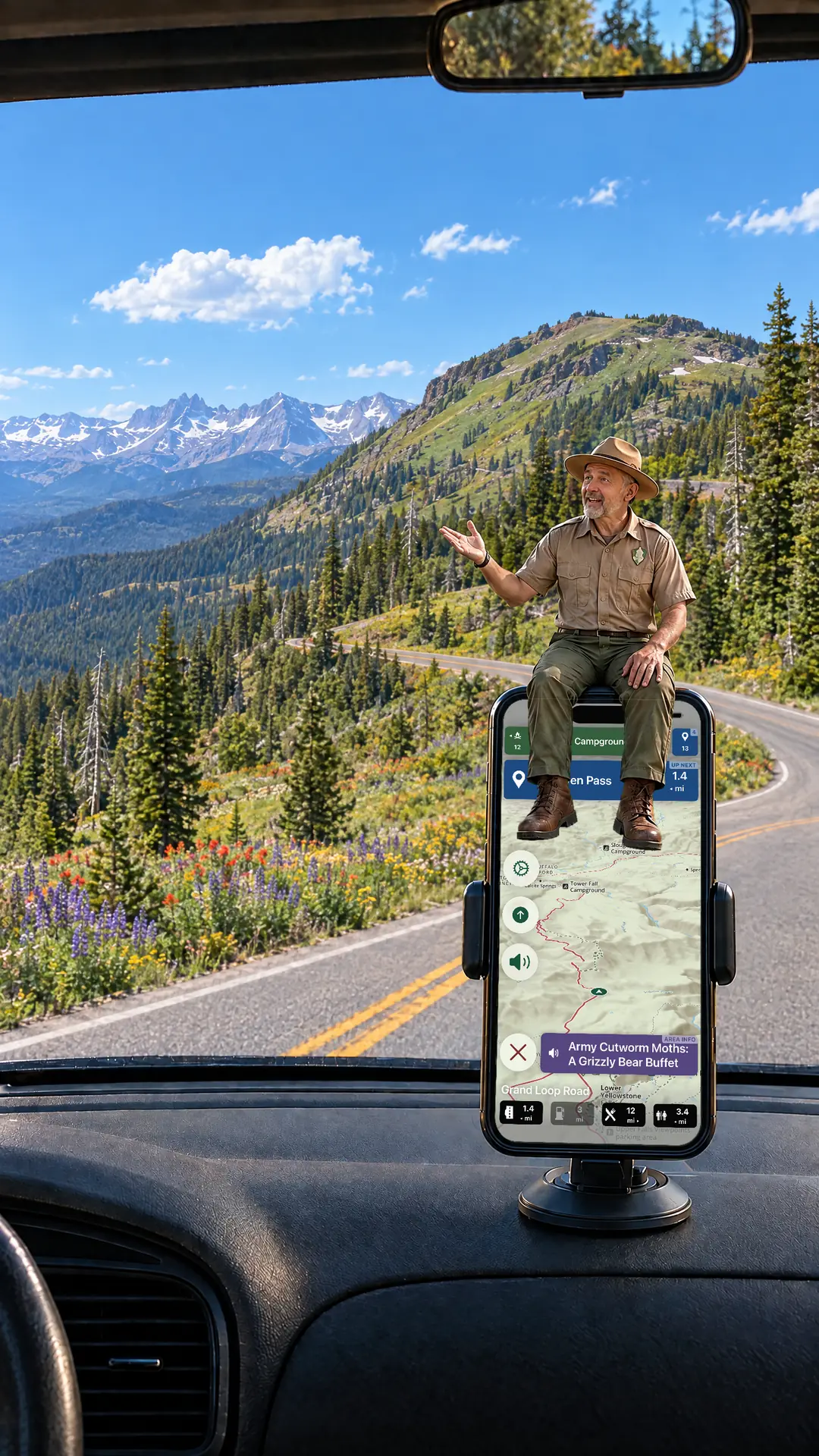
The highest, rockiest slopes around here are a summer buffet for grizzly bears.
Lake Clark Tour Guide
Your drive to Priest Rock Public Use Cabin, narrated.
Parkwolf is a GPS audio tour guide for Lake Clark National Park. As you drive, it chimes in with what’s ahead: hidden gems, upcoming stops, history, geology, and wildlife, right through your car’s speakers.
See the Lake Clark audio tour- 18 audio storiesacross Lake Clark’s roads, triggered by GPS as you drive
- Wildlife heatmapsfor Brown Bear, Bald Eagle, Common Merganser
- Works offlinemaps, 5 trails, 34 places, and audio download before you lose signal
- CarPlay readysimple controls built for the drive
“Fantastic app with many points of information… It’s great to just turn on while you’re driving and it gives you an audio tour of the national Park. We love it!!!!”


Guide
More about Priest Rock Public Use Cabin
A backcountry stay, not a roadside stopThis is the historic Woodward Cabin, a small public-use log cabin on Lake Clark’s north shore,…
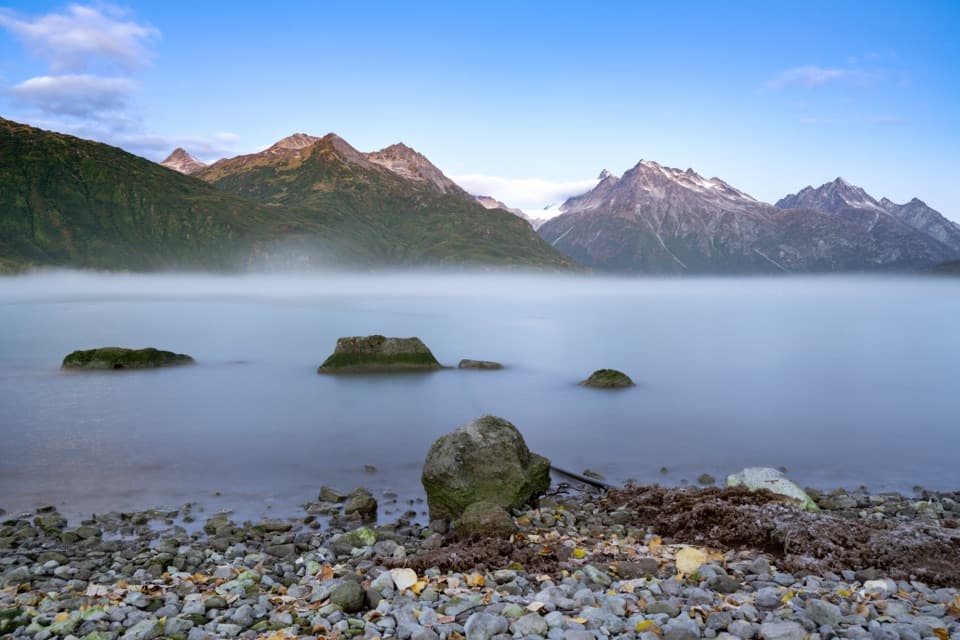
This is the historic Woodward Cabin, a small public-use log cabin on Lake Clark’s north shore, perched above a creek that runs into the lake. From the porch, the view opens toward the lake’s upper reaches and mountains rising to 6,000 feet. It makes a memorable base for boating, kayaking, fishing and wildlife watching, but it takes real planning to get here. Reserve ahead and arrange your own floatplane, water taxi or private boat; advanced kayakers can reach it from Port Alsworth. There’s no road access, mooring buoy or maintained trail around the cabin, and weather can disrupt travel, so leave room in your schedule.
Pack for an off-grid visitThere’s no electricity or running water, food service or cell coverage.
There’s no electricity or running water, food service or cell coverage. The cabin sleeps up to six in wooden bunks, with three single beds and one queen, and has a wood stove, table and chairs. An outhouse is nearby. Bring your own bedding or sleeping pads, cook stove, utensils, food, toilet paper and drinking water or a way to treat it. Lake water must be treated. Bears frequent the area, so secure food and scented items inside; there’s no trash service, so pack everything out.
Woodward’s summer cabinAllen Woodward staked this five-acre site in 1949 and began spending summers here around 1950…
Allen Woodward staked this five-acre site in 1949 and began spending summers here around 1950 with his wife, Marian. Flooding badly damaged the original cabin in 1971; Woodward finished its replacement in 1978, using locally cut white spruce logs floated downstream and chinked with cement. He sold the cabin to The Conservation Fund in 2006 so it could become part of the park. After a decade of restoration, it opened for public use in 2017.
The separate Priest Rock landmarkThe 35-foot rock that gave the cabin its name is a separate lakeshore landmark.
The 35-foot rock that gave the cabin its name is a separate lakeshore landmark. Dena’ina people call it Hnitsanghi’iy, “the rock that stands alone”; traditional stories include an unsuccessful attempt to pull it down with a rope. Biologist Martin Gormin first recorded the name Priest Rock in 1902. From a distance, the monolith can resemble a Russian Orthodox priest’s hat.
Wildlife
Wildlife in Lake Clark
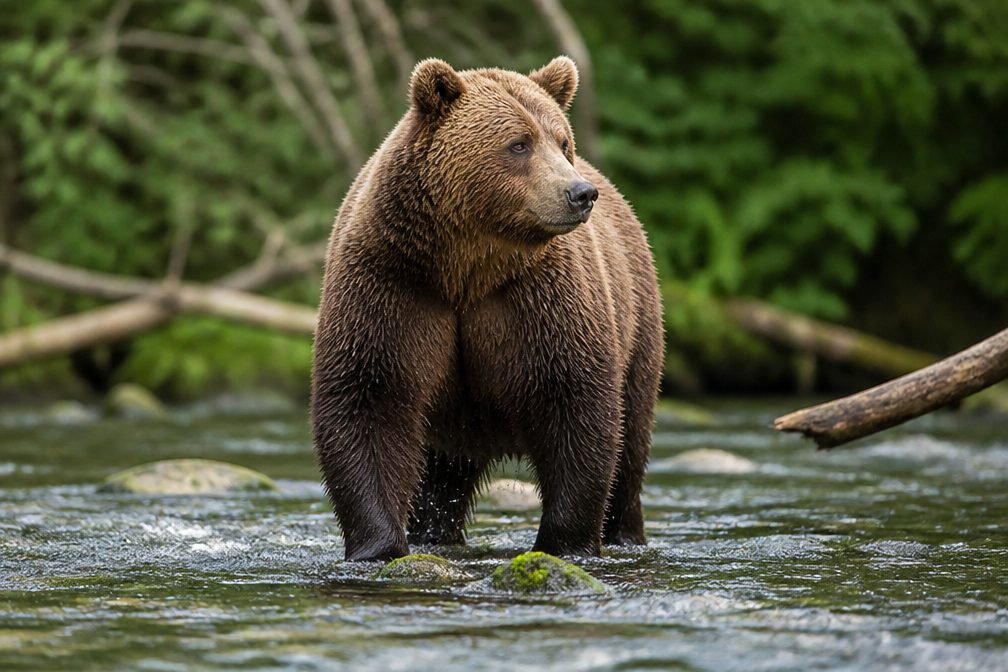 142 sightingsBrown BearMost seen around 8 AMSighting map
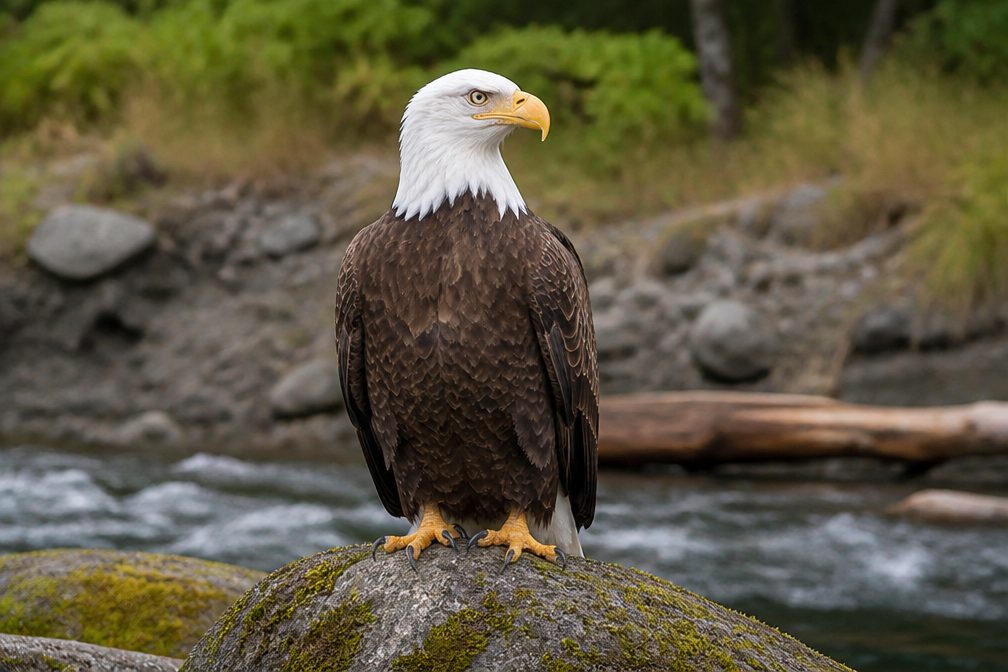 11 sightingsBald EagleMost seen around 6 PMSighting map
 13 sightingsCommon MerganserMost seen around 8 AMSighting map
Sighting maps show where each species has been reported across Lake Clark. Wildlife moves, so no sighting is guaranteed.