
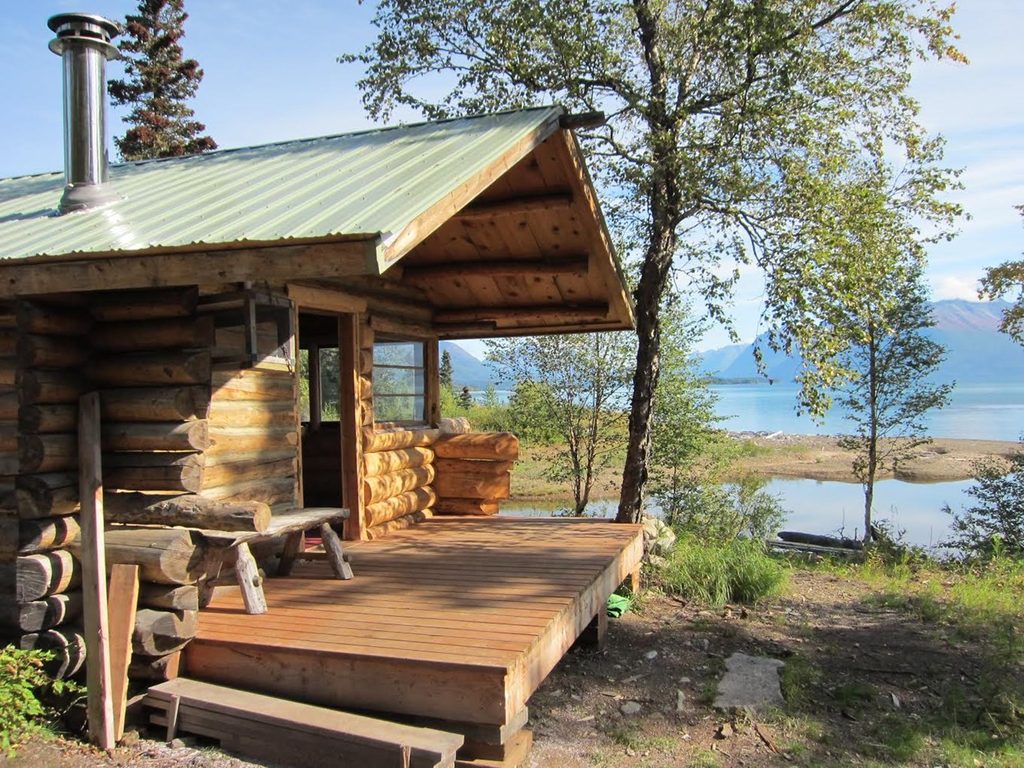
Place · 13.8 mi away
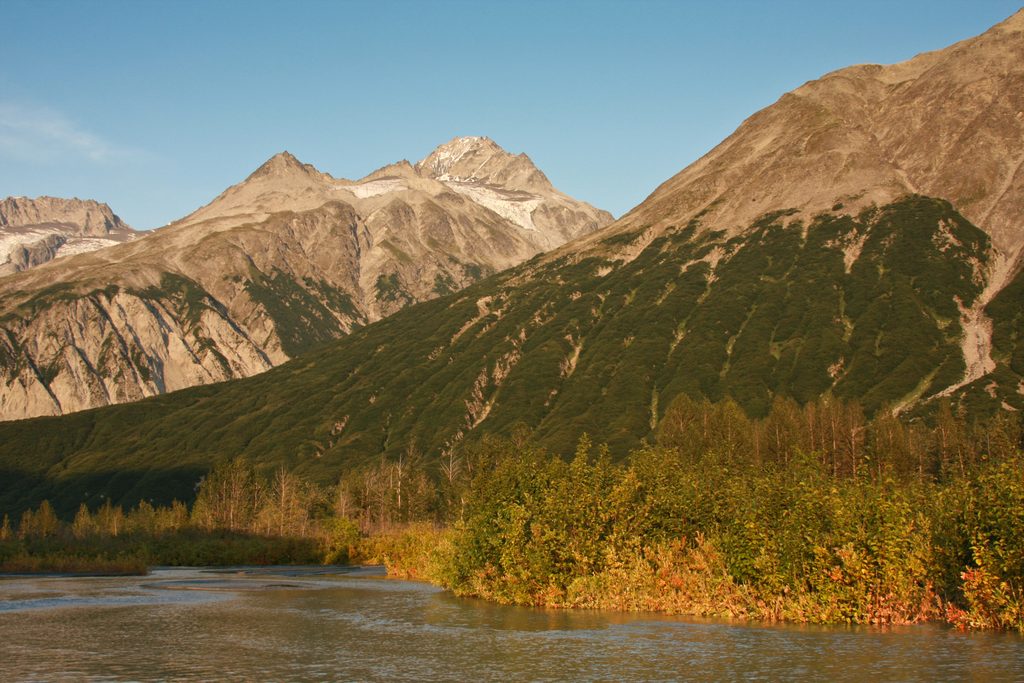
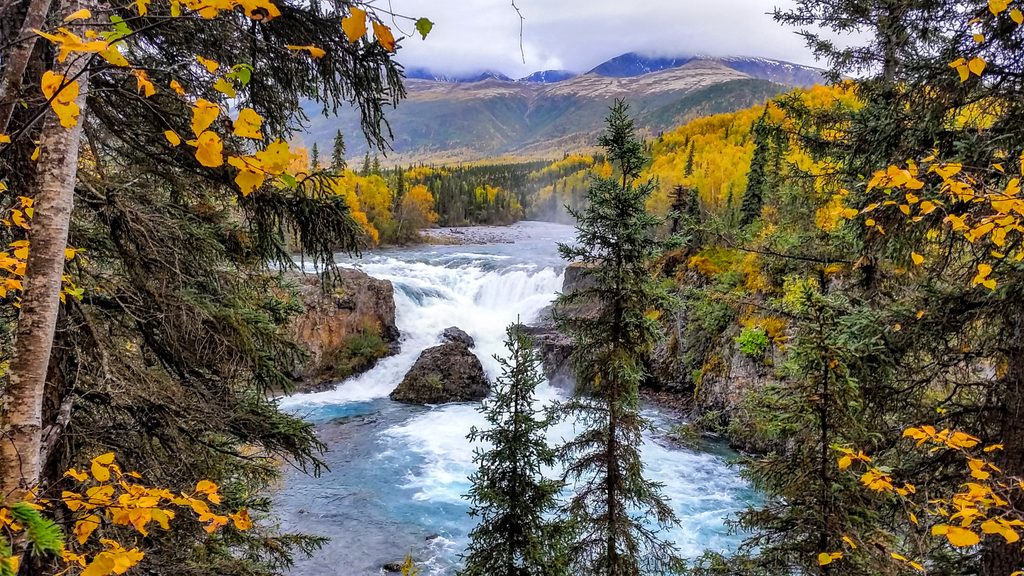
The Tlikakila is a roughly 50–51 mile, glacier-fed river that runs entirely within protected wilderness. Its full length is designated “Wild,” and the name in Dena’ina Athabascan, Liq’a Qilanhtnu, loosely translates to “stream where the salmon are.” Expect steep walls, hanging glaciers, waterfalls, and a feeling of true remoteness.
Most of the float is swift, braided Class I–II with cold, silty glacial water. Just below the North Fork confluence there’s a short but consequential section that can hit Class III (even III+ at higher flows). Many parties scout carefully and may line parts of it. The braided nature means channels shift, with sweepers and shallow riffles common. Portaging through brush can be brutal, so solid boat handling is a safer bet than bushwhacking.
There are no roads. Most groups fly by floatplane to Summit Lake, then portage and/or line boats to reach adequate depth before floating. Take-out is on Lake Clark at the river mouth, where a prearranged floatplane pickup or boat transfer to Port Alsworth is the norm. On clear days, expect frequent overflights in Lake Clark Pass—it’s a major aviation corridor.
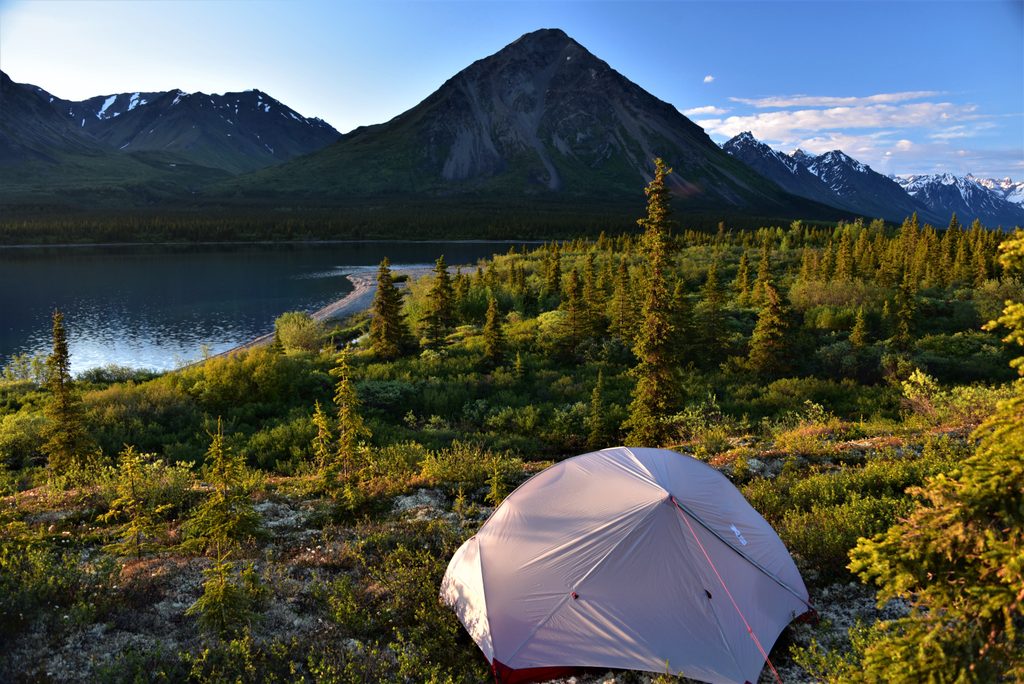
Large gravel bars are frequent and make excellent camps, often with big views up to ice-clad peaks. Headwater camps reward an extra layover day for hiking and exploring side valleys. You may encounter black bears along the corridor; practice bear-aware travel and carry approved food storage. Mosquitos can be fierce in summer.
Prime season runs July through September. Typical private trips take 2–4 days if you’re moving, or 3–6 days if you want time to scout, fish a bit, and linger at camps. Build in weather buffers on both ends for flight delays.
Alaska boating fatalities are often linked to cold water—dress for immersion and wear a PFD at all times. The river’s speed, braids, and wood hazards demand attentive reading and quick decisions. Scout the North Fork rapid and decide whether to run, line, or pick an alternate channel.
Lake Clark is reached only by plane or boat, so arrange air taxis well in advance and confirm put-in/pickup specifics. Anchorage-based operators and Port Alsworth outfits commonly service Summit Lake drops and Lake Clark pickups. Plan for complete self-sufficiency—no toilets, potable water, or trash services.
July–early September brings more stable water levels and longer days. Crowds are essentially a non-issue; your only “traffic” is the occasional aircraft overhead. For photography, early and late light brings out the blue glacial tones and relief on the peaks; midday works fine for scouting braids.
Place · 13.8 mi away
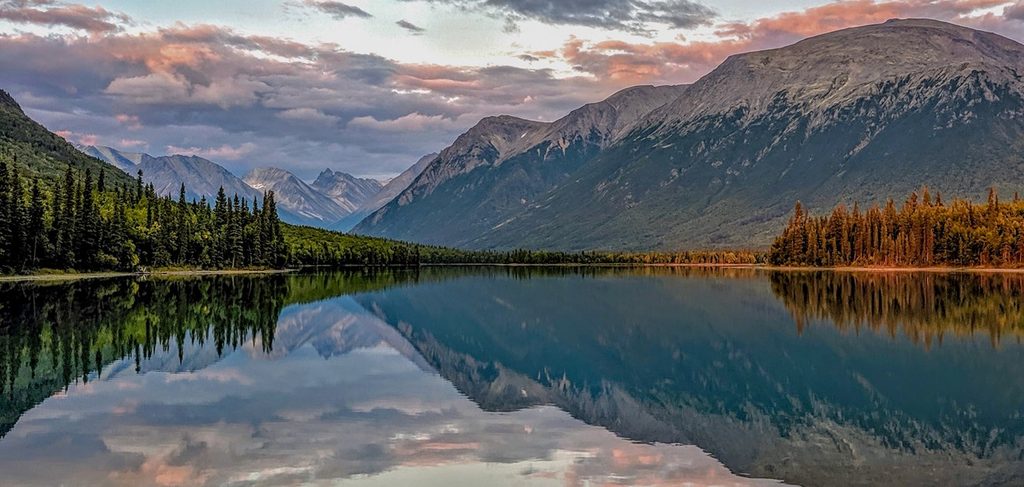
Place · 16.3 mi away
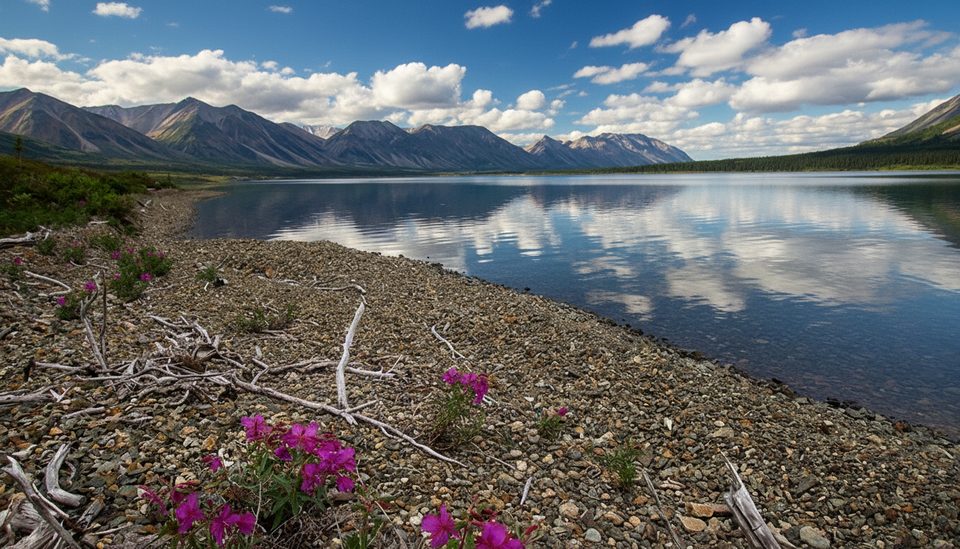
Place · 17 mi away
Place · 17 mi away
Challenging · 21.8 mi away
Moderate · 21.8 mi away
Easy · 21.8 mi away
Easy · 21.8 mi away

Parkwolf Tour Guide
