Twin Lakes

Remote alpine lakes with Proenneke’s historic cabin and wild solitude
Twin Lakes, Lake Clark National Park
InsideLake Clark National Park

Overview

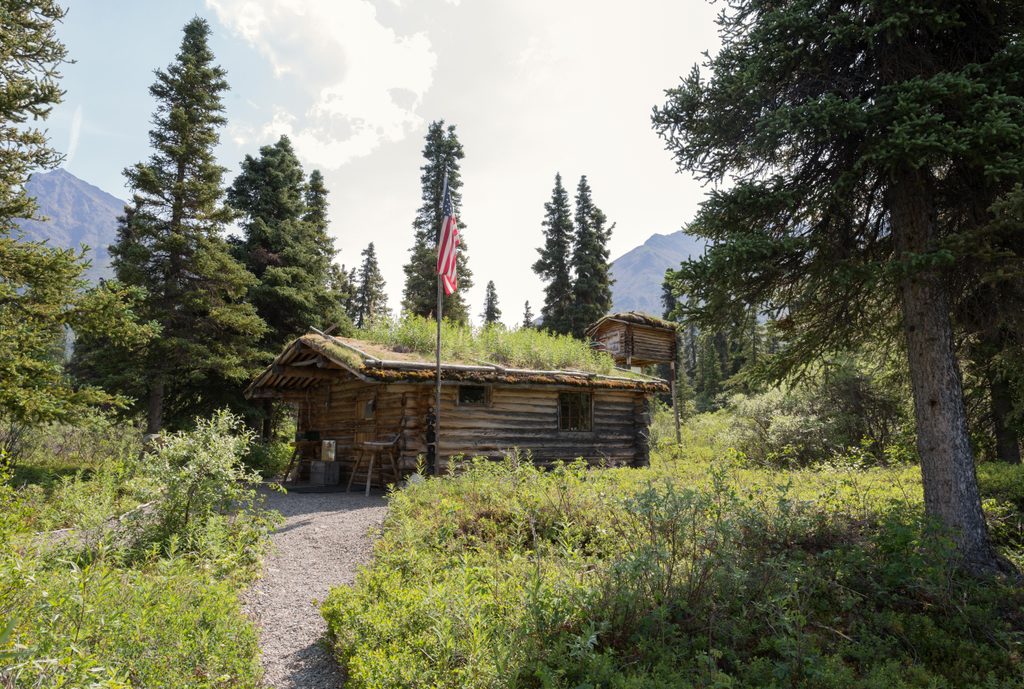
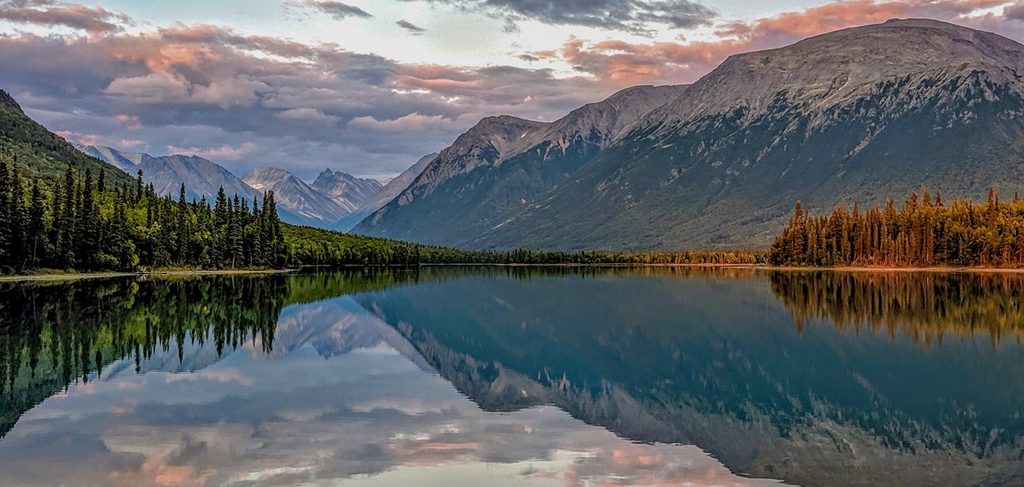
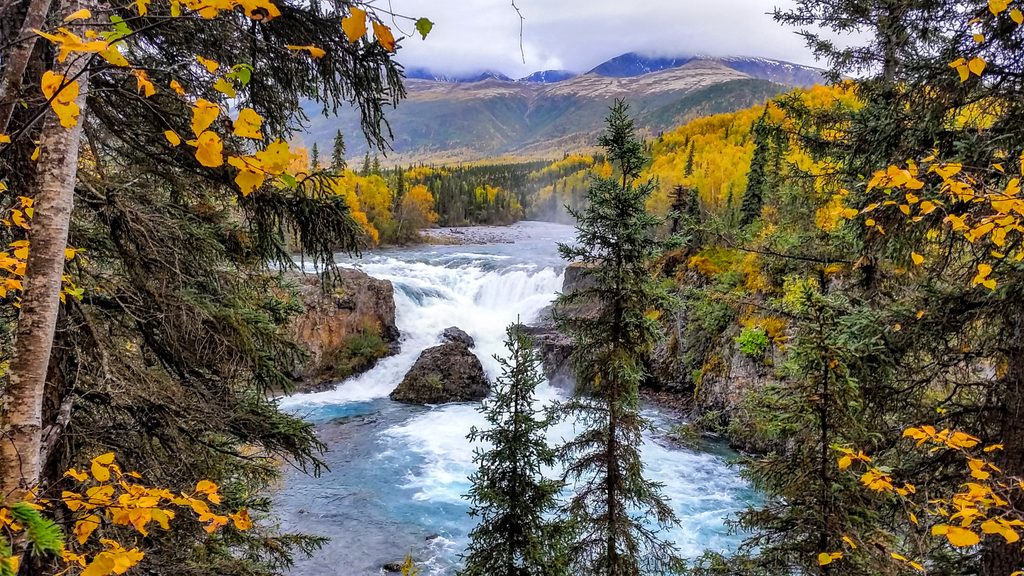
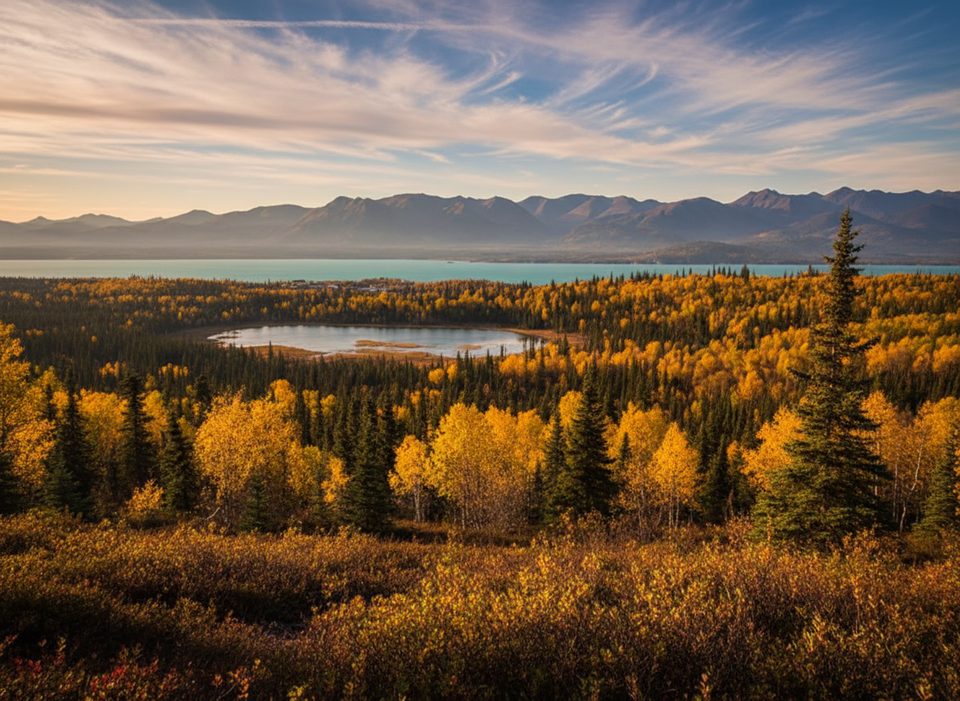
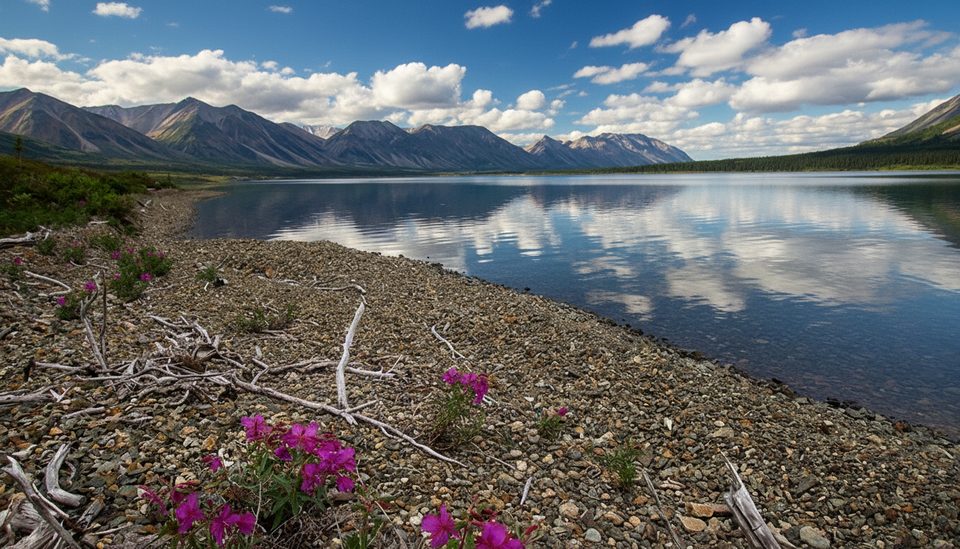
Twin Lakes (Upper and Lower) deliver classic Alaska remoteness: no roads, no services, and huge wilderness vibes. The big draw here is Dick Proenneke’s hand-built 1960s cabin, a remarkably intact slice of backcountry history you can visit in season. Expect stunning scenery, abundant solitude, and the kind of trip that’s all about self-reliance and planning.

Getting There

There’s no driving in. Summer access is by floatplane—typically about an hour from Anchorage or ~30 minutes from Port Alsworth. Weather changes fast, which can delay or scrub flights, so build a buffer day if you can. Many itineraries route Anchorage → Port Alsworth → Twin Lakes by floatplane.

What You’ll See and Do

  • Proenneke Cabin: Rangers/volunteers are usually on site late May–late September and lead tours; the cabin is locked in winter.
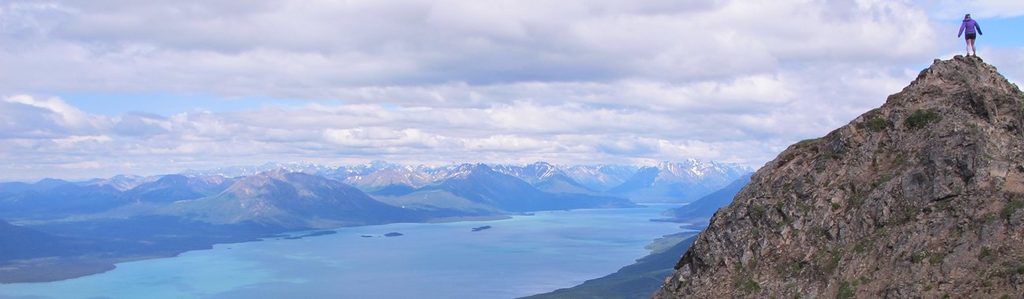
  • Hiking/Backpacking: This is off-trail country—think tundra, scree, boulder fields, and creek fords. A classic option is the Upper to Lower Twin Lakes route. There are no formal trailheads; you step off the shoreline and go.
  • Flightseeing: The floatplane approach doubles as world-class flightseeing over lakes, rivers, and mountains.

Camping and Regulations

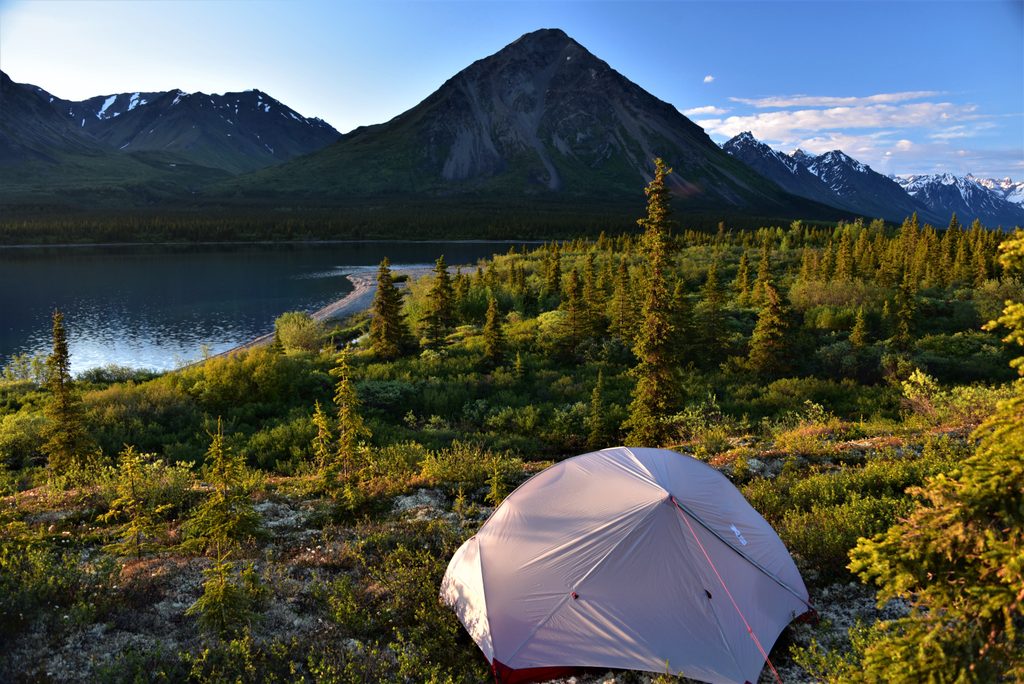
  • Popular backcountry zone: From April 15–September 30, camping within 2 miles of the lakes is limited to 21 total days.
  • Hope Creek Campsite: A few hardened sites, first-come/first-served, with a shared feel; camping here is limited to 14 total days in season. You’ll likely ford Hope Creek to reach the cabin; high water can make it impassable.
  • Toilets: A pit toilet sits behind the cabin; an additional “outcan” toilet is at Hope Creek. Use these—no cat holes.
  • Food storage: Bear-resistant containers are required within 0.5 mile of the shoreline or anywhere you can’t properly hang food. Bear-proof lockers are near the cabin and at Hope Creek, and you can borrow containers from the Port Alsworth visitor center.
  • Fires: Use the fire ring at Hope Creek or a stove. No fires in or near historic structures, and no camping inside the historic area.

Wildlife and Safety

Both brown and black bears use this area. Know bear safety cold—especially if you plan to fish—and follow all food storage rules. Expect true backcountry conditions and be self-sufficient.

When to Go

June–August offers the best access and long daylight. By late August, it can feel like fall—chillier and wetter—so bring serious layers and rain protection. Summer is also when rangers are typically present and the cabin is open for tours. It’s one of the park’s busier backcountry spots in peak season, though “busy” here still means wilderness standards.

Is It Worth It?

If you’re drawn to Alaska’s uncompromising wild and the lore of Proenneke, Twin Lakes is a top-tier experience. Day-trippers get the cabin and epic flightseeing; backpackers get committing, off-trail routes and big solitude. Just respect the logistics: weather, weight limits, and the total lack of amenities.

Pros

  • Historic Proenneke cabin with summer ranger-led tours
  • Spectacular floatplane access and true backcountry feel

Cons

  • Access depends on small aircraft and weather delays
  • No developed services; only primitive toilets and strict food storage rules

Tips

  • Build at least one weather buffer day for flights in and out.
  • Pack for rain, wind, bugs, and cold—even in midsummer.
  • Confirm bear spray policies with your air taxi before flying.
  • Borrow a bear-resistant canister at the Port Alsworth visitor center.
  • Expect to ford Hope Creek to reach the cabin from the campsite; levels vary.
The Parkwolf tour guide sitting on a phone mounted in a car

Parkwolf Tour Guide

Like a tour guide in your car.

Save the places you found around Lake Clark, then let Parkwolf guide the drive between them.Download Parkwolf on the App Store