
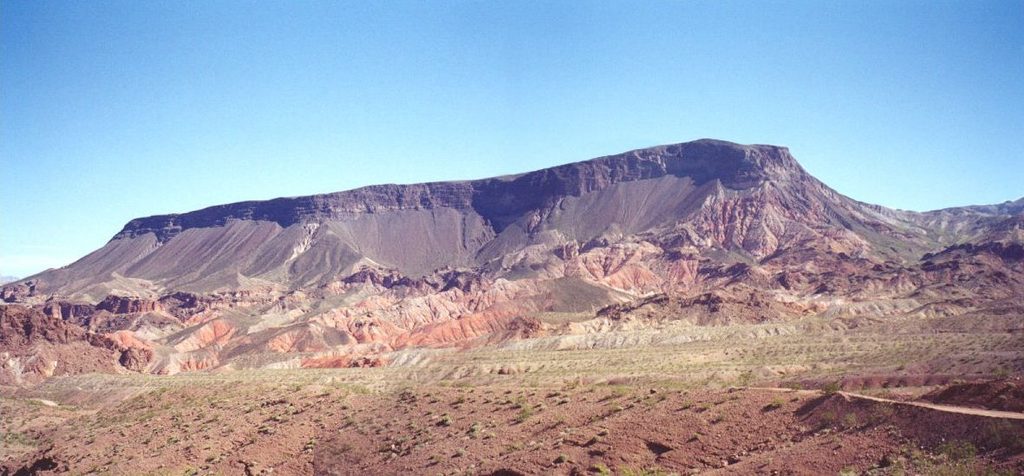
Place · 1.5 mi away
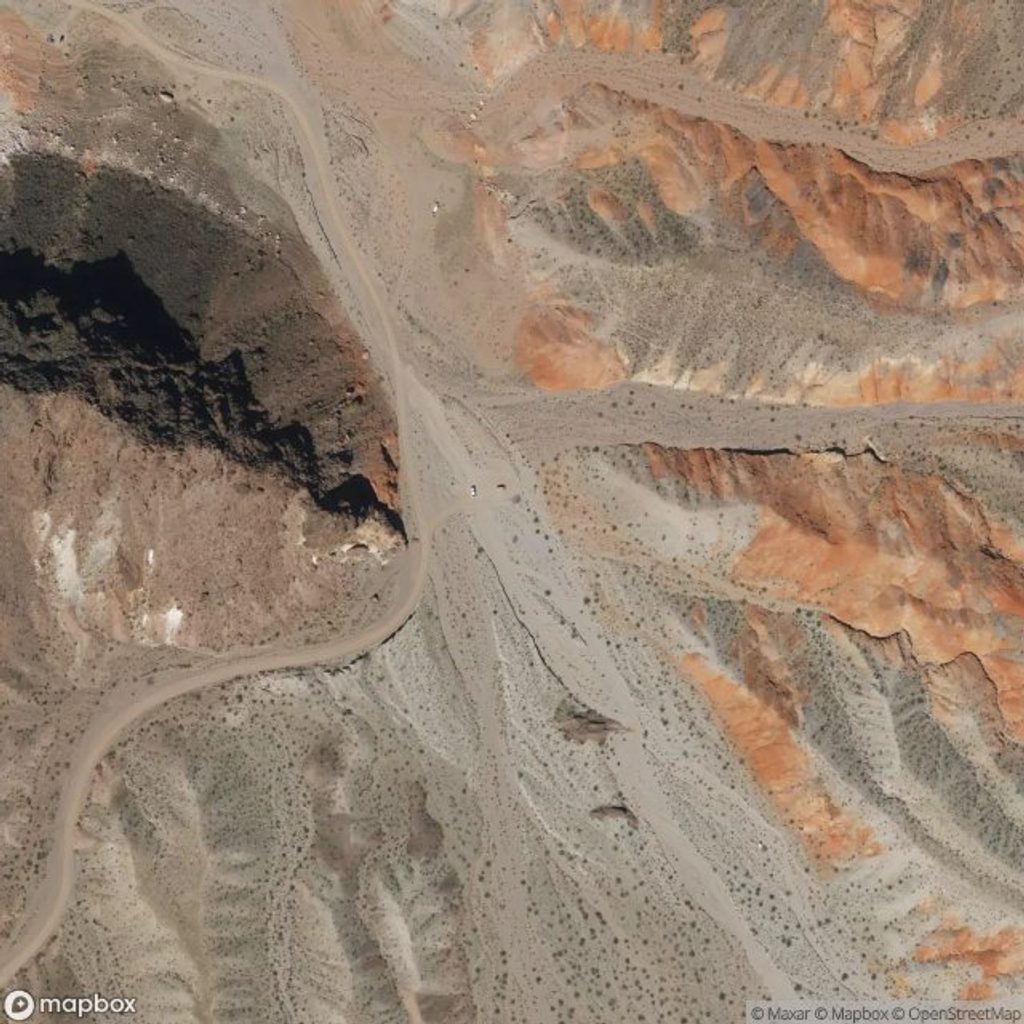
Kingman Wash is a rugged slice of desert shoreline where the payoff is a free spot right on Lake Mead. You bump down a 3–3.6‑mile dirt road through hills and washes and pop out at a protected cove with big-water views and memorable sunsets. Expect a primitive, do‑it‑yourself scene: dispersed camps on previously used clearings, rock fire rings, and starry skies—plus the occasional flyover and light pollution from the Vegas corridor. Wild burros are frequent visitors.
Access is on the Arizona side of US‑93: take Exit 2 (Kingman Wash Road), turn right, then right again on the short frontage road. A large dirt lot serves as the trailhead/launch point. From there, the road rolls roughly 3+ miles to the water. It’s usually graded but can be washboarded with ruts and some steeper pitches. Carefully driven sedans have made it, but a high‑clearance 2WD (or 4WD after storms) is the smart call. Conditions change with weather—drive slow and watch for wildlife.
This is true boondocking: free dispersed camping (up to 14 days) with no potable water, hookups, tables, grills, or trash cans—bring firewood and pack out everything. Vault toilets are present (locations can vary with lake levels), but they may be a walk from many shoreline spots. Fires are generally permitted when restrictions allow. Pets are fine. Shoreline space is limited—roughly a dozen‑plus vehicles can tuck in at the water, with overflow parking 300–500 feet above the lake where many set up base and ferry gear down.
The cove’s typically calm water makes it easy to swim, launch a kayak, or cool off after a hike. Angling and picnicking are common. Along the road there’s a dry toilet that also marks the turn‑off toward the Fortification Hill route. The main trailhead near the highway gives access to Sugarloaf Overlook and other desert rambles; local hikers also explore old mine sites in nearby washes (enjoy the relics, but don’t enter mines).
Weeknights can feel relaxed, but weekends and holidays sometimes get lively with vehicles cruising in and groups gathering. Tradeoff: wide‑open lake vistas, warm evening light, and the chance to see wild burros wandering the washes. Night skies can be photogenic, though aircraft trails and regional glow are part of the scene.
November through May is the sweet spot for hiking and camping comfort. Summer heat is severe—start at dawn, minimize exertion, and treat shade and water as non‑negotiables. Arrive earlier in the day or on weekdays for quieter camps and better shoreline options. For road status, fire rules, and any closures, check current Lake Mead NRA alerts before you go.
Place · 1.5 mi away
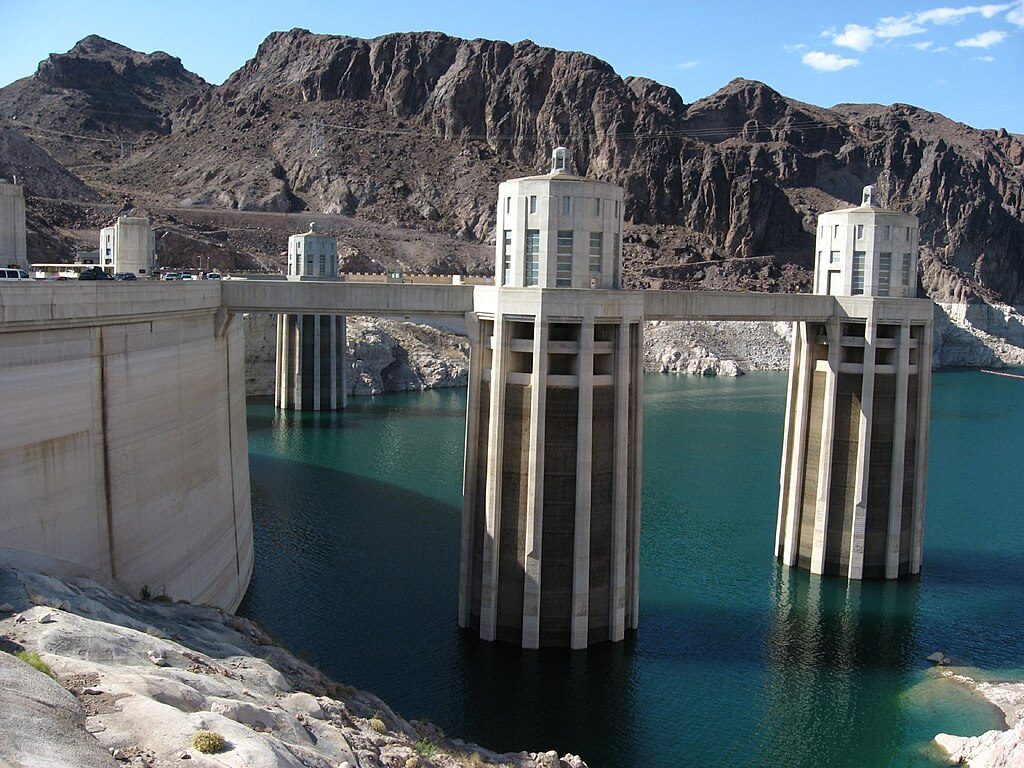
Place · 2 mi away
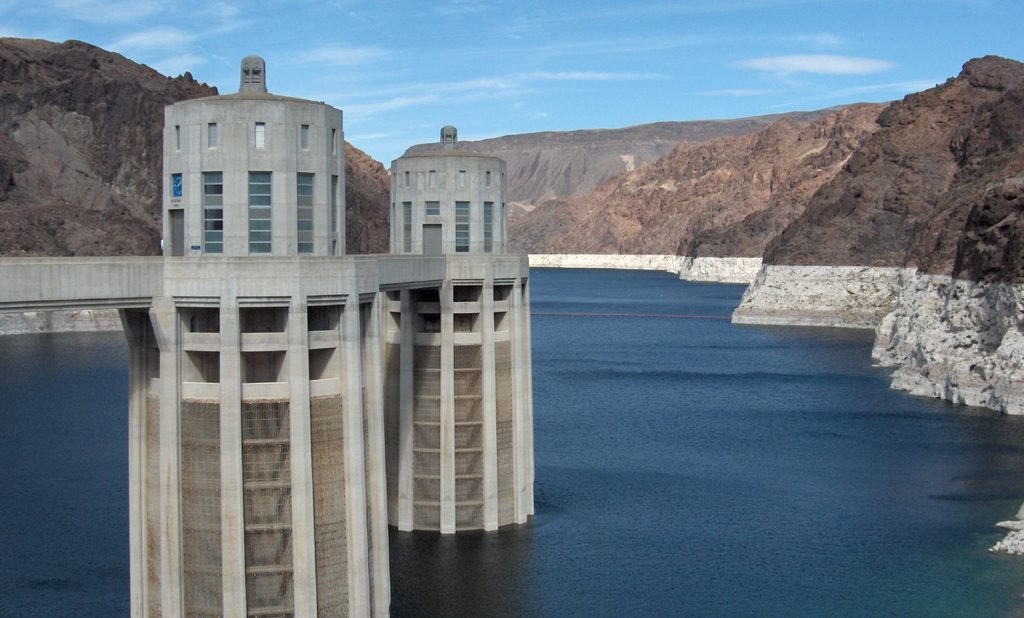
Place · 2.2 mi away
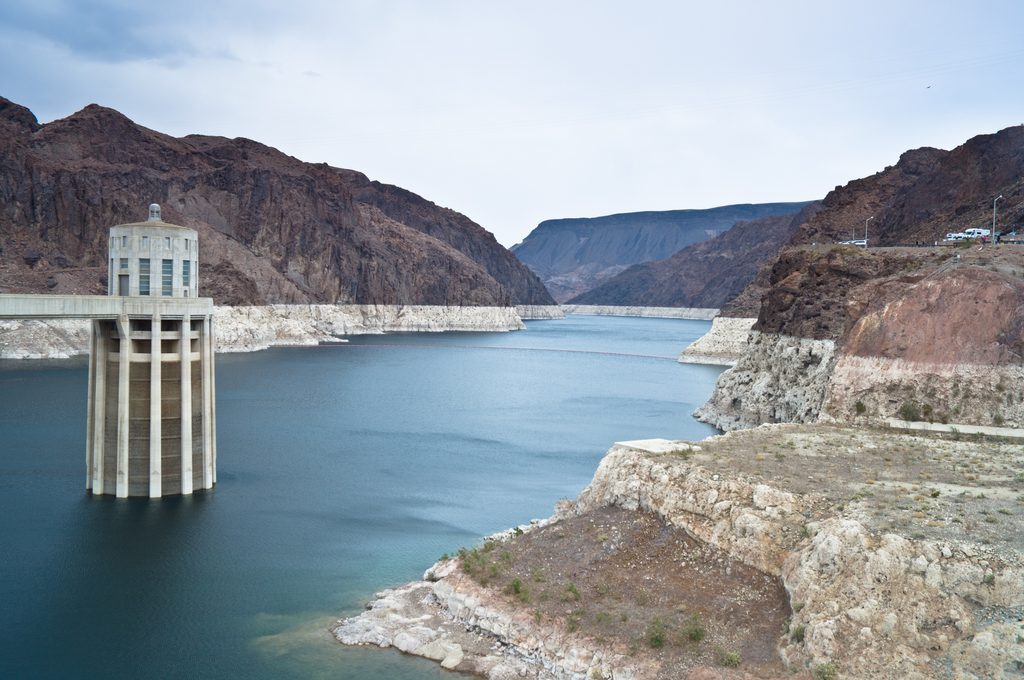
Place · 2.2 mi away
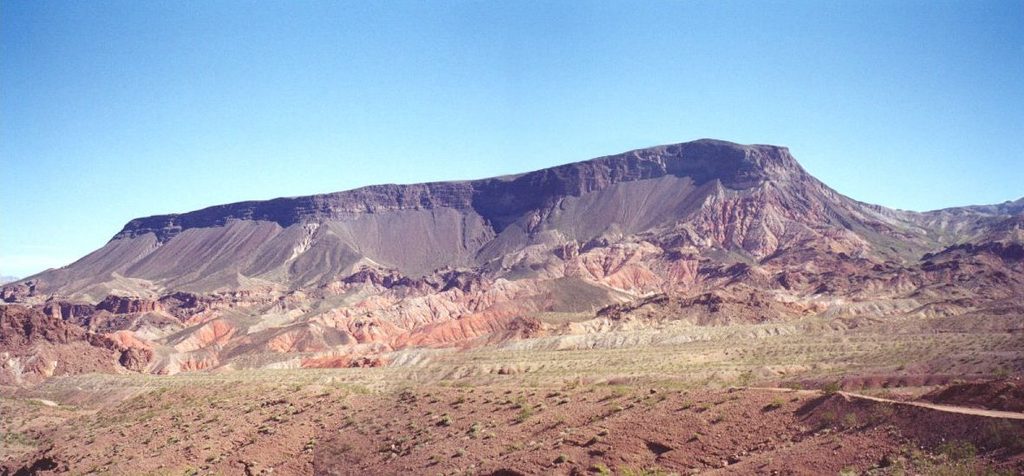
Challenging · 2 mi away
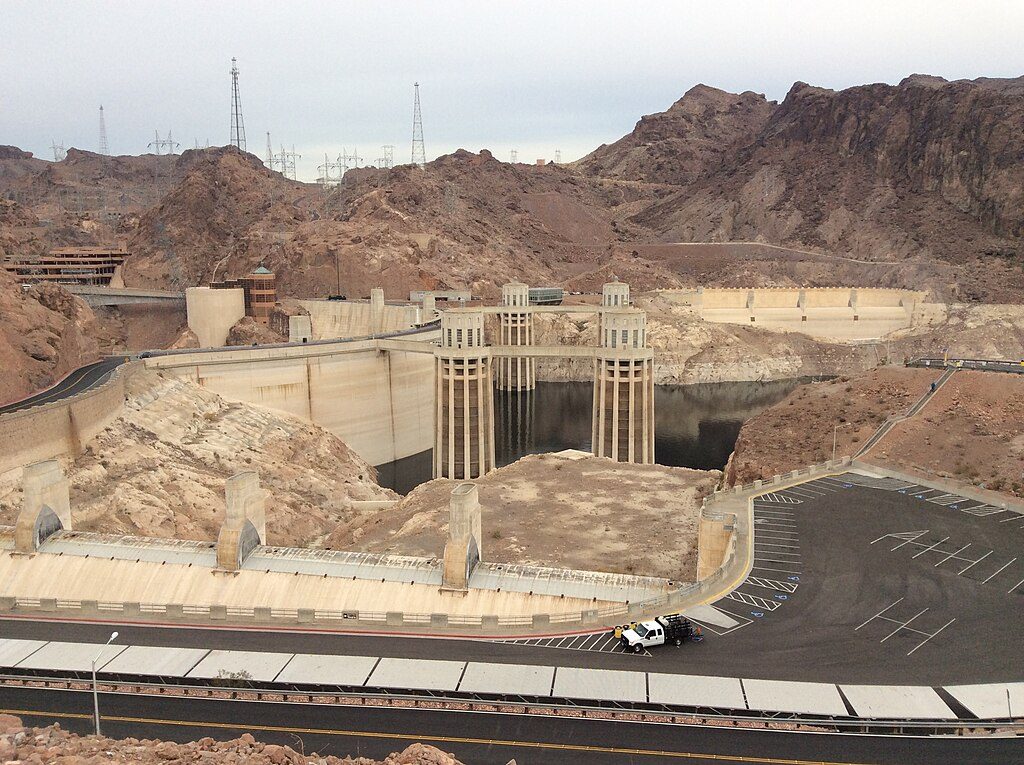
Moderate · 2.3 mi away
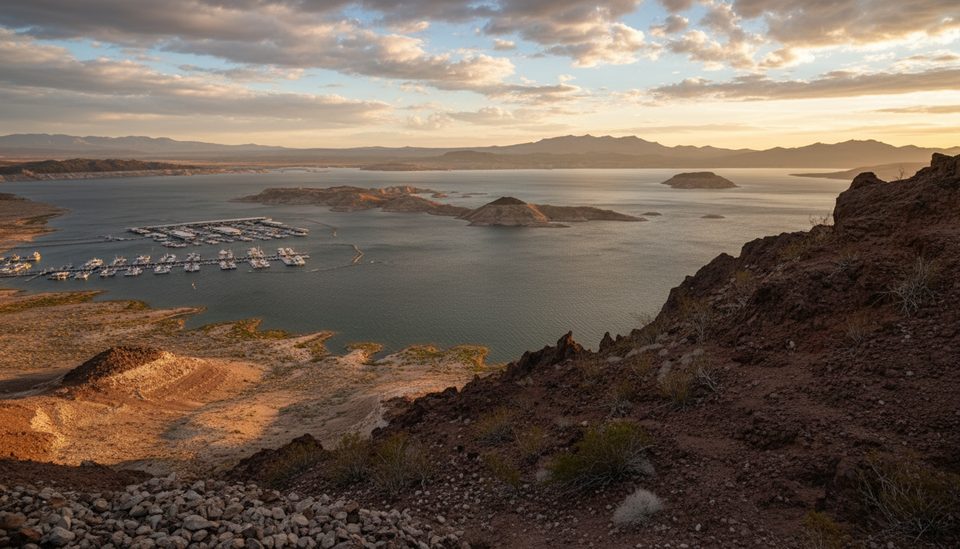
Easy · 3.4 mi away
Easy · 3.4 mi away

Parkwolf Tour Guide
