
Place · 2.7 mi away
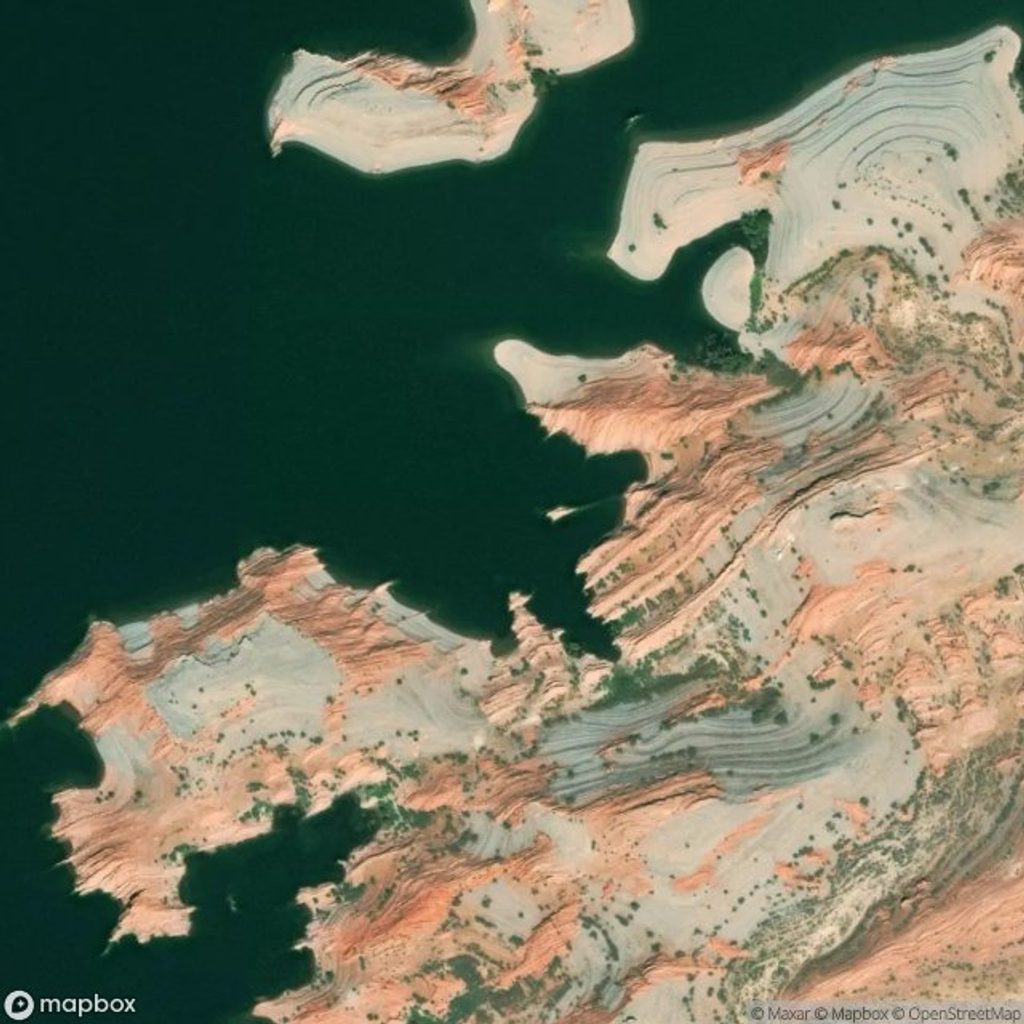
Twin Peaks Cove is a small, officially named bay on Lake Mead—primitive, peaceful, and refreshingly free of development. Expect a simple shoreline pull-in by boat or a rough, backcountry-style approach by vehicle. There are no services at the cove itself, which is exactly the appeal for folks who want a quiet spot to float, picnic, or just listen to desert silence.
Most visitors arrive by boat. If you’re considering a by-land approach, use only signed NPS backcountry roads and never drive cross‑country or onto muddy shorelines. High‑clearance helps, and road/shore conditions change—check with rangers before committing.
Gregg- and open-lake winds can build steep chop fast. Plan your approach with the forecast in mind and set a stern line if winds are expected to swing. Keep an eye on changing water levels; shoreline contours and usable beach can shift within a season.
The surrounding desert supports creosote, brittlebush, and teddy‑bear cholla, with Joshua trees appearing on higher benches inland. Scan nearby cliffs for desert bighorn sheep, and keep an eye out for roadrunners and Gambel’s quail. Desert tortoise and Gila monster occur in parts of the recreation area—give all wildlife a wide berth and admire from afar.
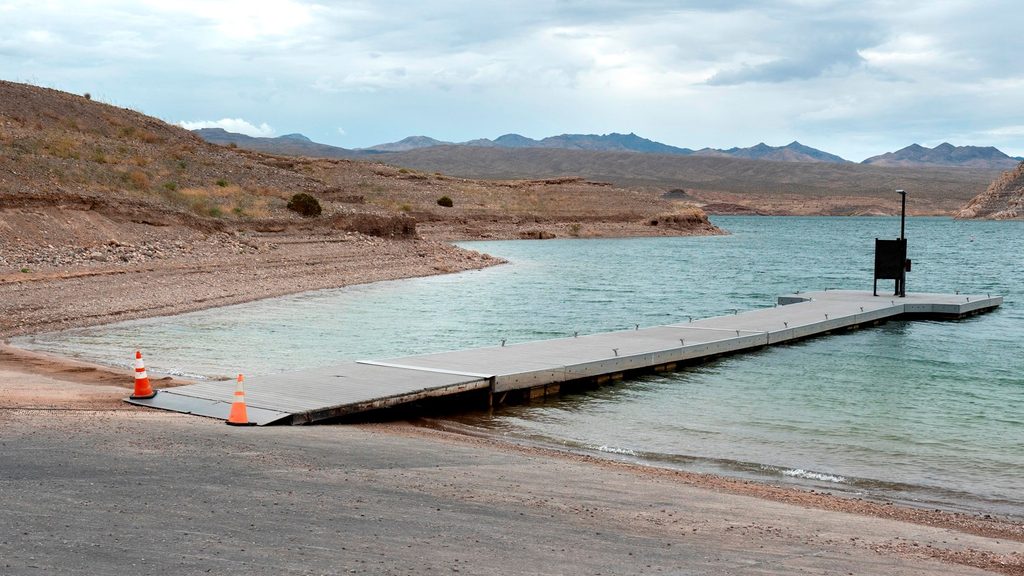
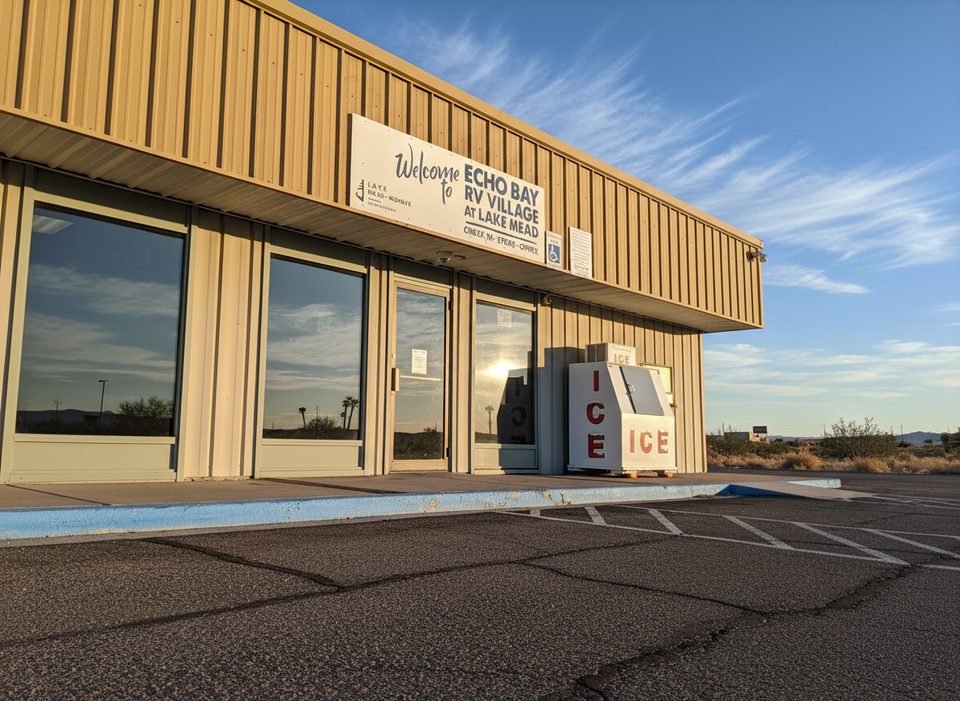
For flush/vault toilets and potable water, use developed areas like Echo Bay. Echo Bay’s boat ramp has been closed at times due to low water; the nearest full-service marina is typically Callville Bay for fuel and supplies. Always verify current ramp status, services, and any area closures before your trip.
Late fall through early spring offers kinder temperatures and calmer mornings. Arrive early for glassier water and softer light on the cliffs; weekdays see fewer boats. Summer heat can be punishing—plan dawn sessions, shade, and ample water if you go then.
This is a fragile desert shoreline. Pack out all trash, avoid trampling biological soil crusts when exploring on foot, and keep fires—and where they’re allowed—small and controlled per current park restrictions.
Place · 2.7 mi away
Place · 2.7 mi away
Place · 2.8 mi away
Place · 2.9 mi away
Easy · 4.8 mi away
Easy · 9.5 mi away
Easy · 9.8 mi away
Easy · 9.8 mi away

Parkwolf Tour Guide
