
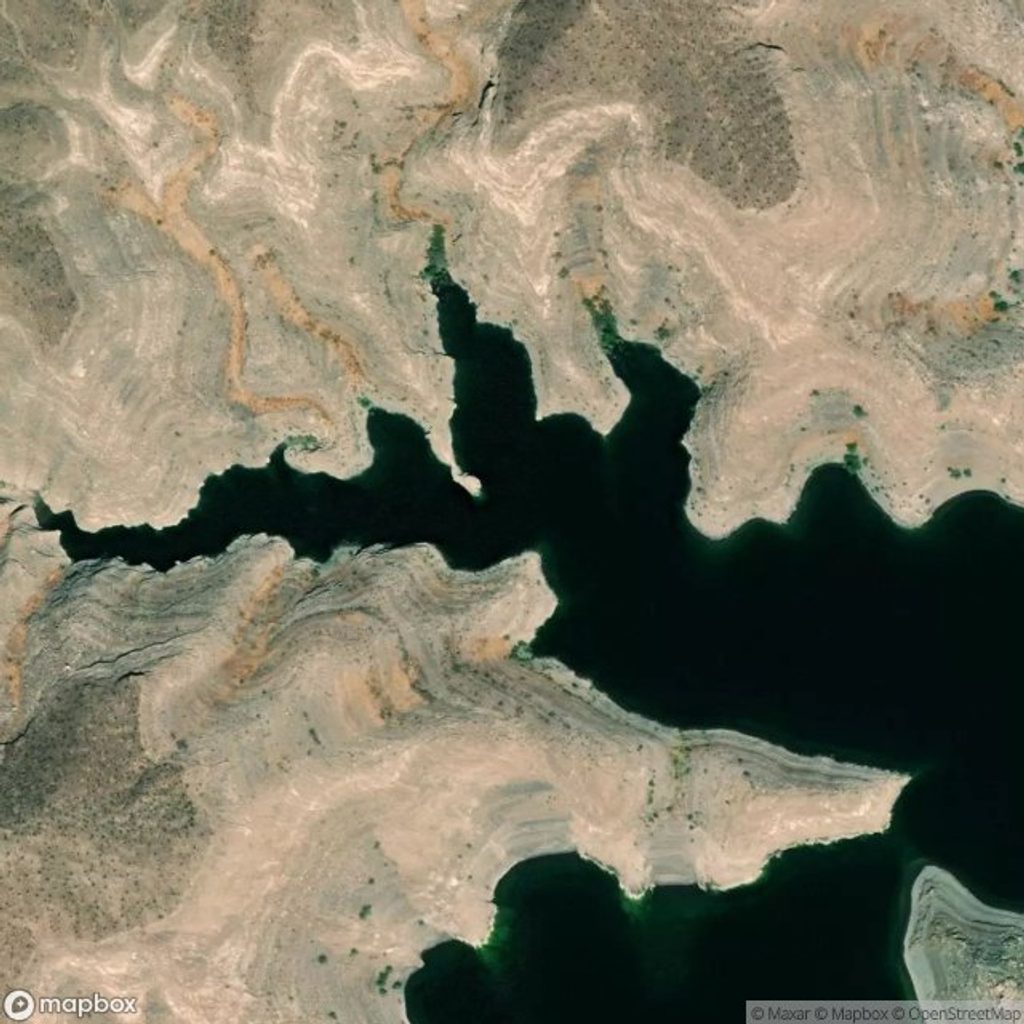
Place · 2.1 mi away
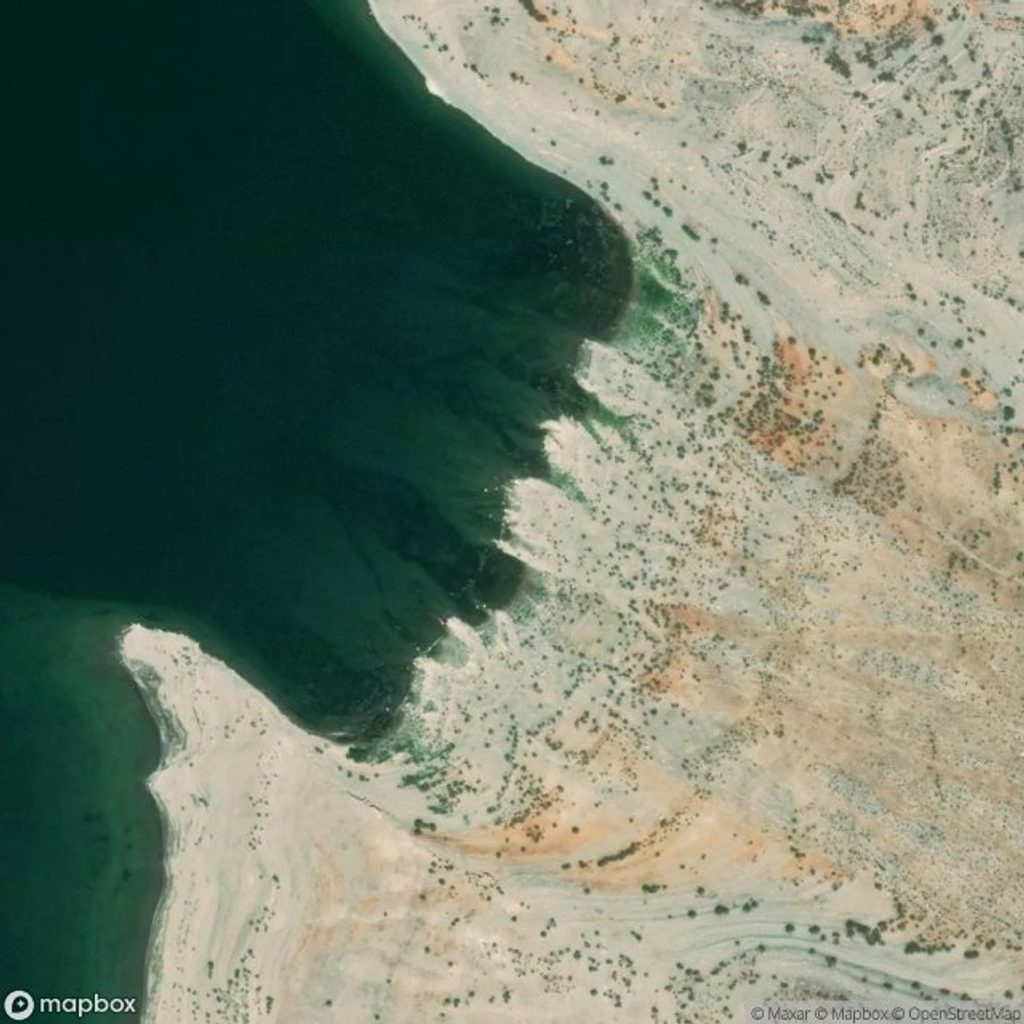
Twin Springs Cove is a small, named cove on the Nevada shore of Lake Mead—more of a quiet nook than a destination marina. It’s undeveloped and usually calm, with a mix of small pocket beaches and low rocky shelves. Come for silence, open skies, and an easy base to nose around the shoreline without crowds.
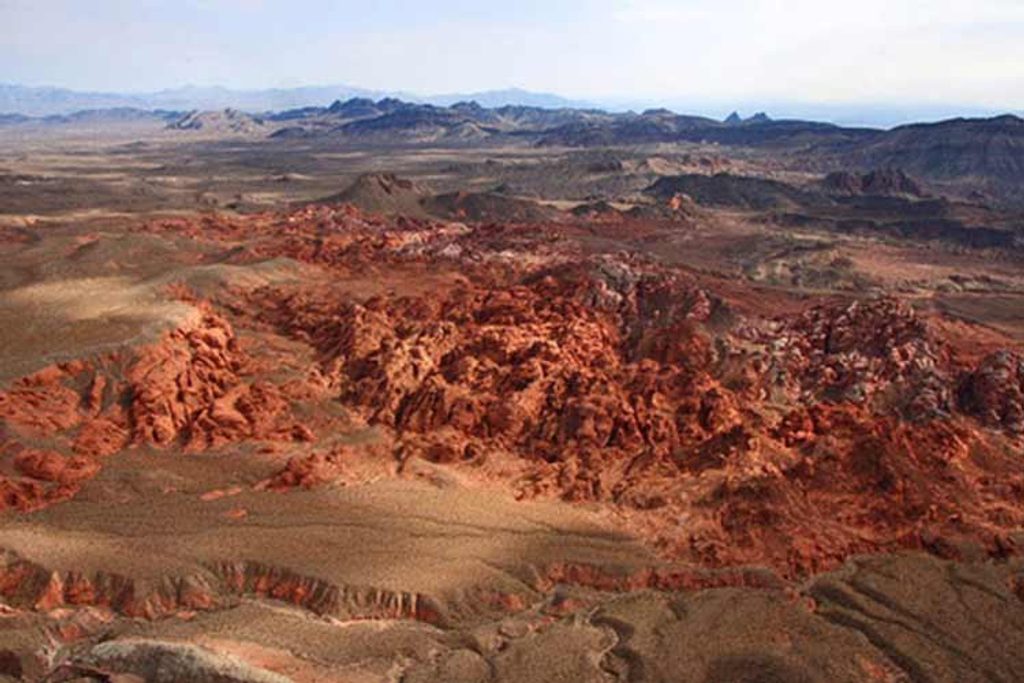
Expect desert colors and layered geology: pale marine limestones, the rust‑red Aztec Sandstone, and darker volcanic caps on distant mesas. The shoreline holds life—look for desert bighorn on the slopes, Gambel’s quail and roadrunners inland, and cormorants or herons working the waterline.
Access is primarily by water. Usual launch options on this side of the lake include Callville Bay and Echo Bay (Nevada) or Temple Bar (Arizona); which one is best depends on current ramp status and water level, which change with the park’s low‑water management. If you’re considering an overland approach, study the official backcountry road maps for the Temple Bar/Virgin Basin area and confirm conditions before committing.
Distances are easy to underestimate here, and afternoon winds can get frisky. Wear your life jacket, keep a wide berth around diver flags and closed zones elsewhere on the lake, and be alert for submerged hazards—Surprise Reef sits just to the north and can be unforgiving when levels drop.
This is true backcountry shoreline: no potable water, no toilets, no tables, no trash service. Pack in everything and pack out every scrap. If you choose to camp along the shore, follow park backcountry rules, set up above the current bathtub ring, and anchor or stake gear well against gusts. Treat lake water if you plan to use it.
You’re in classic Basin‑and‑Range country. Around the cove and neighboring inlets, colorful Jurassic sandstones meet younger volcanic remnants—one reason the cliffs and benches feel so varied over a short paddle.
Common sightings include desert bighorn sheep, coyotes, ravens, Gambel’s quail, roadrunners, and along the water, cormorants, herons, and other waterfowl. Give wildlife space and keep food smells locked down.
Go early. Mornings bring softer light, fewer boats, and typically lighter winds—great for paddling and photos. Cooler months are the most comfortable; from late spring through early fall, plan around heat and avoid midday exertion.
Place · 2.1 mi away
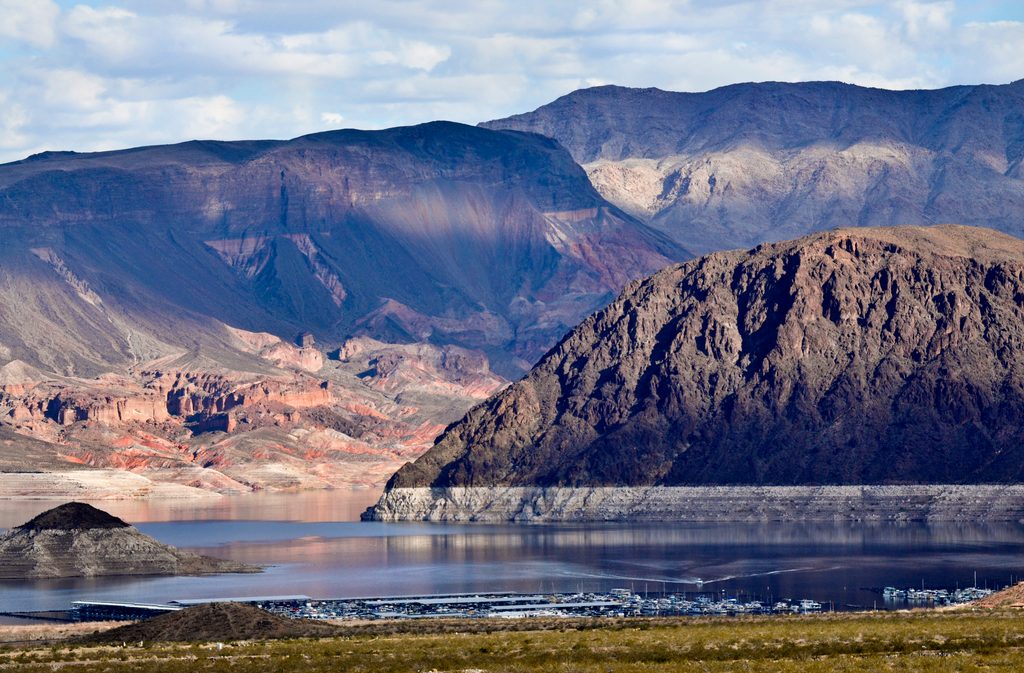
Place · 4.5 mi away
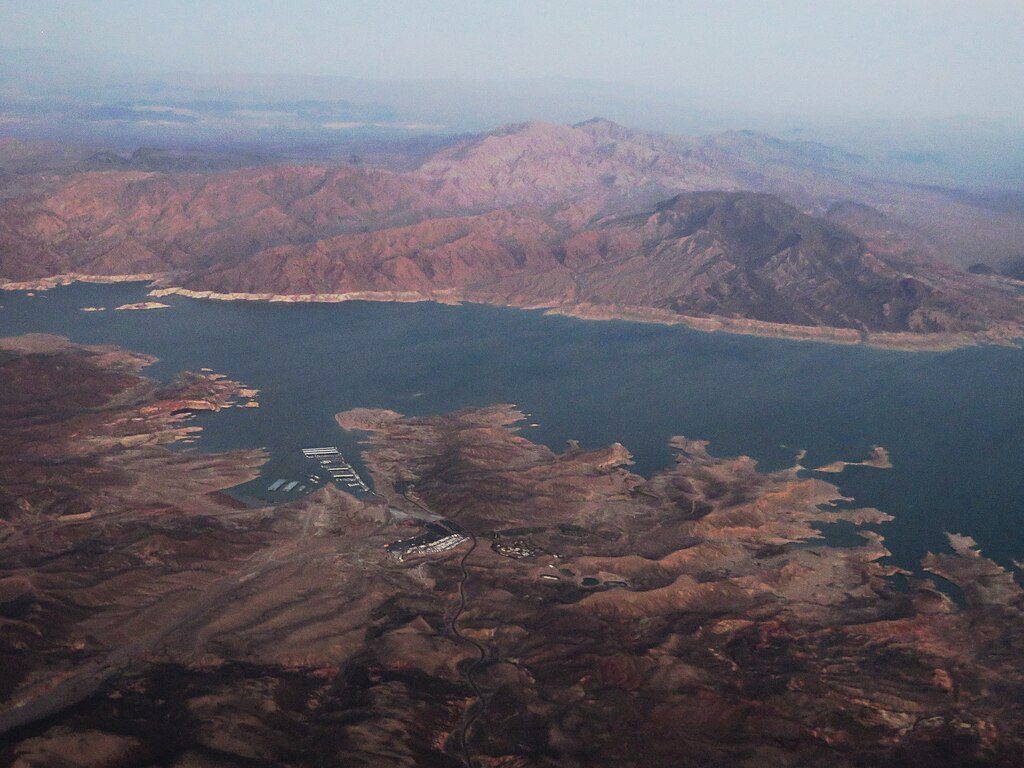
Place · 4.9 mi away
Place · 6.3 mi away
Easy · 7.1 mi away
Easy · 7.1 mi away
Easy · 12.1 mi away
Moderate · 12.6 mi away

Parkwolf Tour Guide
