
Place · 2.1 mi away
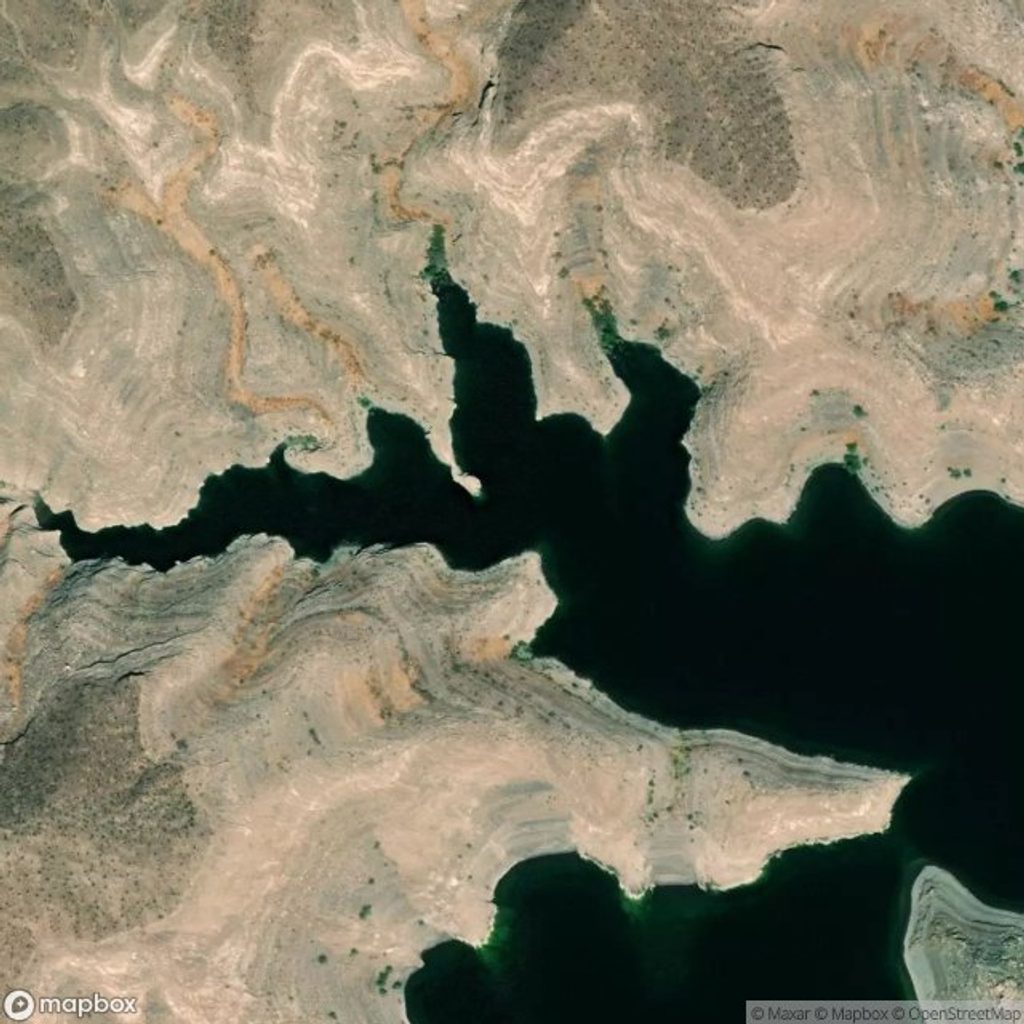
Kendal Cove is a small, quiet bay on the Nevada side of the lake—undeveloped and simple by design. Think soft lapping water, desert slopes, and room to spread out without the bustle of the big marinas. Plan for a true pack‑in/pack‑out experience: there are no built facilities here.
From the shoreline you get classic Lake Mead scenery—faulted desert ranges and volcanic‑tinted mesas framing broad blue water. It’s a good place to slow down, watch shifting light on the rocks, and keep an eye out for wildlife. Desert bighorn sheep sometimes move along nearby slopes at dawn and dusk, and in the surrounding creosote flats you may encounter desert tortoises (look, don’t touch).
This is low‑key boating territory—perfect for tucking in with a kayak, SUP, or small boat when conditions are calm. Fishing is a highlight across the lake: striped bass, largemouth/smallmouth bass, catfish, sunfish, and crappie are the usual suspects. Anchovies or shad‑imitating lures work well for stripers; worms/minnows for panfish. Check Nevada/Arizona regulations for wherever you wet a line.
Expect informal roadside or dirt pullouts rather than a formal parking lot, and know that lake levels can change the feel and reachability of any cove. There are no restrooms, water, tables, or trash cans—use facilities at developed areas before you come and pack everything back out. Picnicking is allowed on beaches around the lake; park rules prohibit glass and Styrofoam on beaches.
Winds can build quickly here, turning glassy water into short, choppy waves—especially tough on inflatables and paddle craft. Always wear a life jacket, give diver‑down flags a wide berth, and respect any closed or off‑limit zones.
Aim for early mornings or late afternoons for calmer water, softer light, and your best chance at spotting wildlife. Weekdays are typically quieter than weekends.
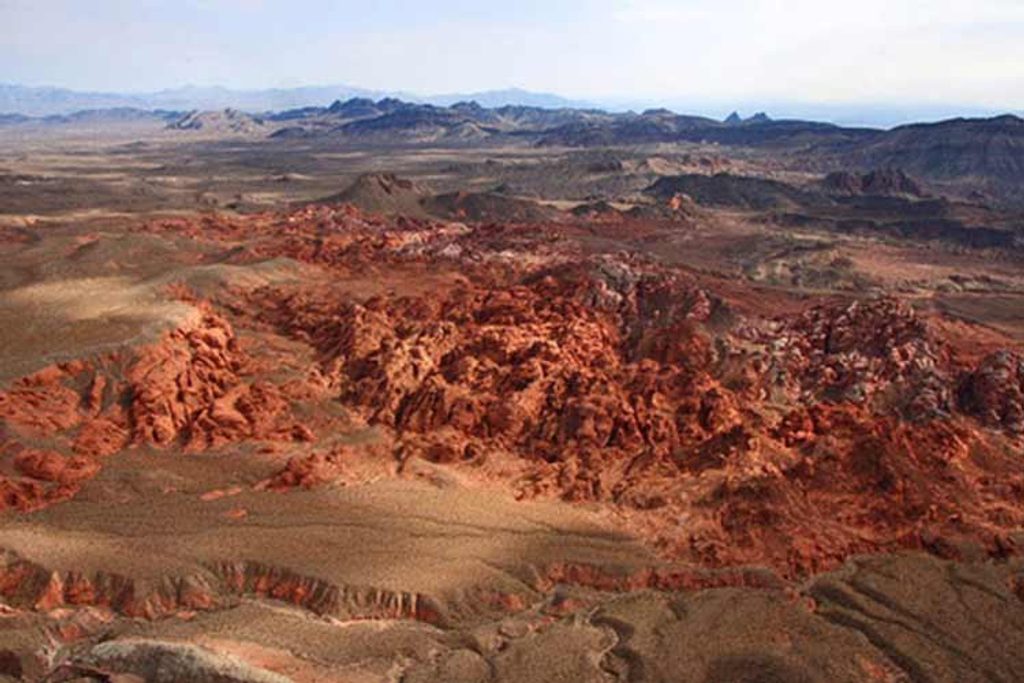
The broader landscape tells a deep story: ancient seas, stretching crust, and past volcanism shaped these coves and mesas. You’ll see the result in the layered, fault‑broken hills and dark volcanic caps that rim many shorelines—great subjects for photographers who like texture and form.
Place · 2.1 mi away
Place · 4.6 mi away
Place · 4.9 mi away
Place · 5.2 mi away
Easy · 5.5 mi away
Easy · 5.5 mi away
Easy · 10.1 mi away
Moderate · 11.4 mi away

Parkwolf Tour Guide
