
Place · 0.8 mi away
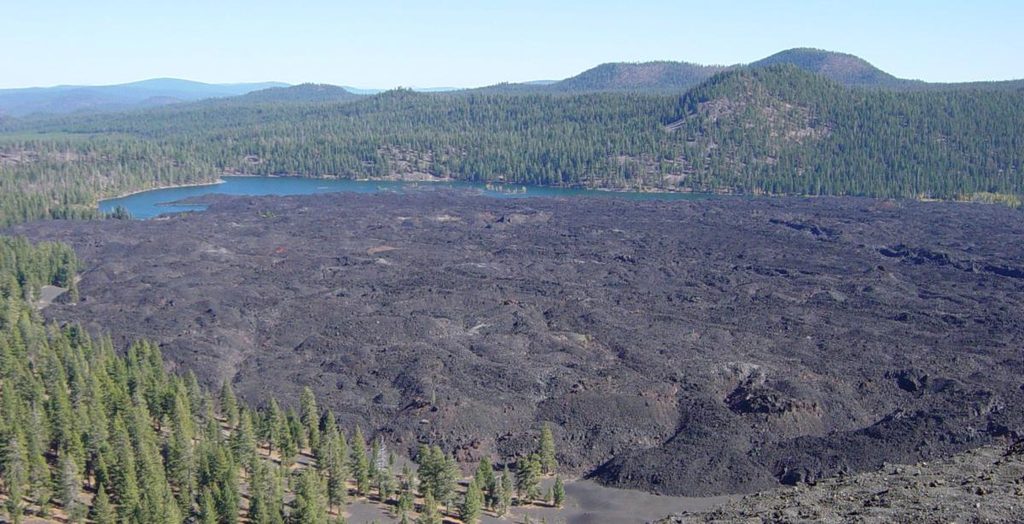
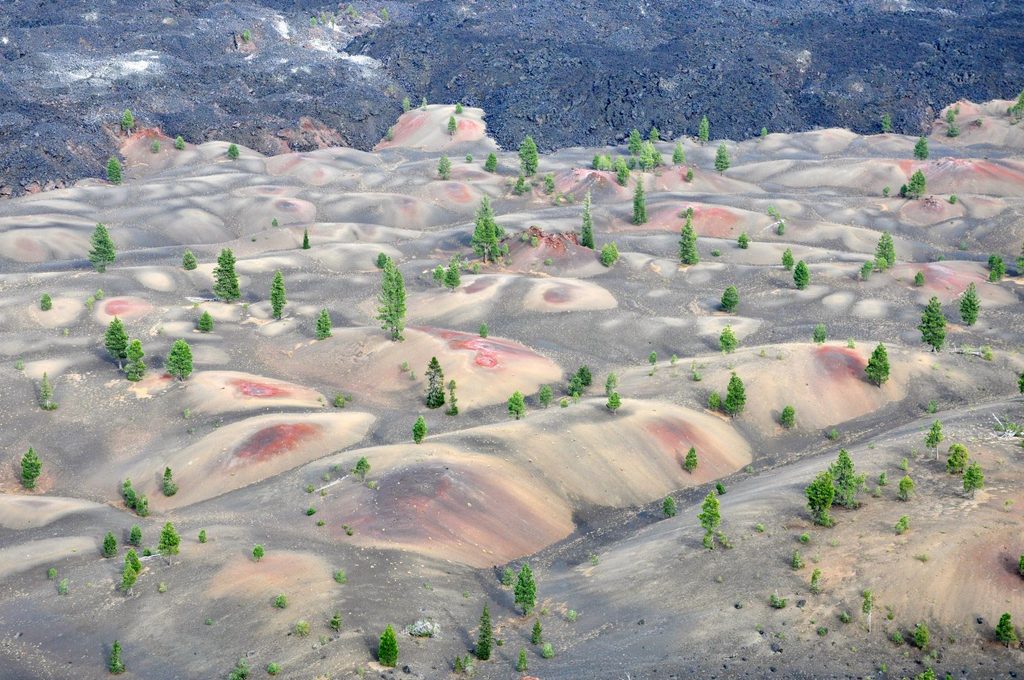
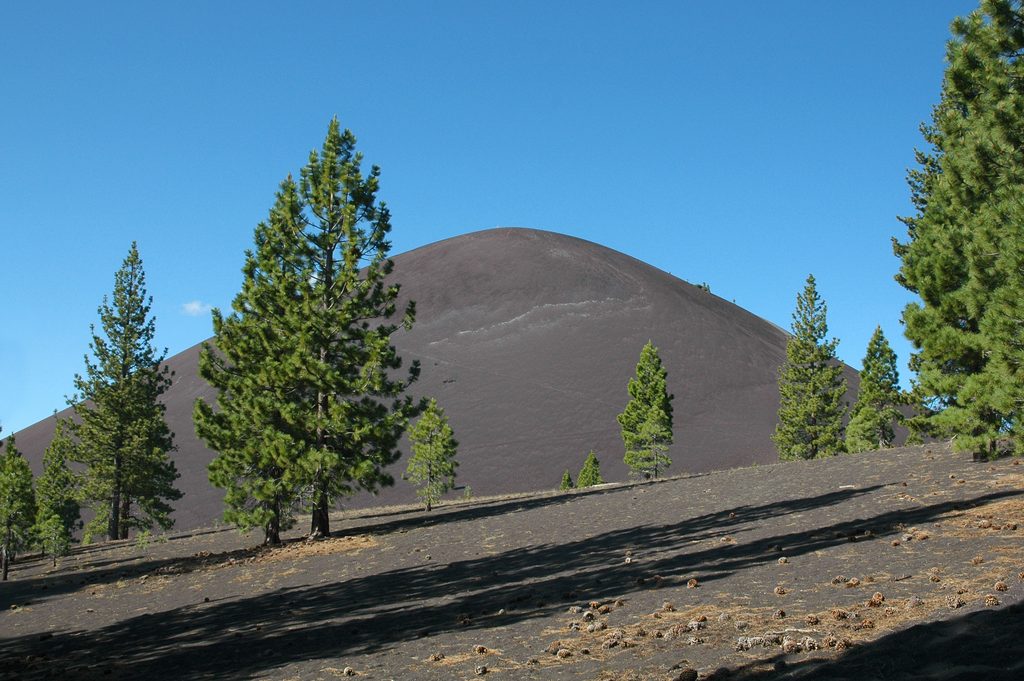
The Fantastic Lava Beds are the broad, black, blocky lava flows that spilled from the base of Cinder Cone in the park’s far northeastern corner. They spread between Butte Lake and Snag Lake and sit right beside the colorful Painted Dunes. This whole scene was built during mid‑1600s eruptions, when basaltic‑andesite and andesite magma produced rugged, unvegetated “block lava” and widespread ash.
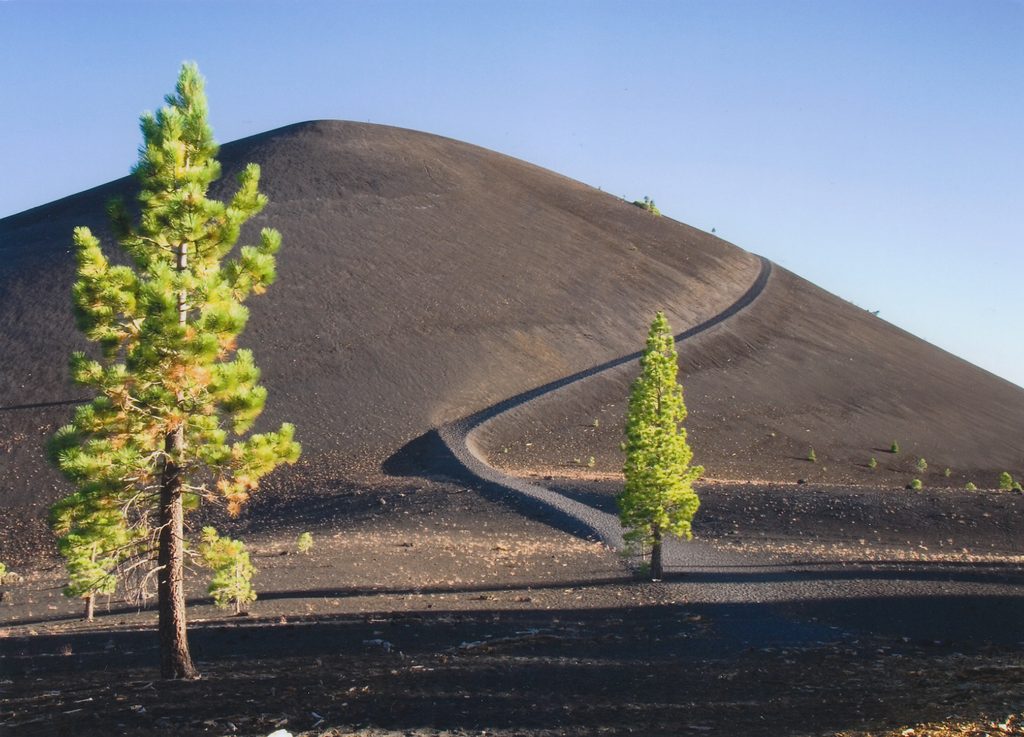
Few places let you read a volcanic story this clearly: a classic cinder cone with a double‑rimmed crater, fresh‑looking lava rivers, and ash‑stained dunes all in one frame. The flows even dammed creeks, helping form nearby lakes. Walk the lava edge for textures and colors up close, then climb Cinder Cone for the sweeping, postcard view over the lava beds, Painted Dunes, and lakes.
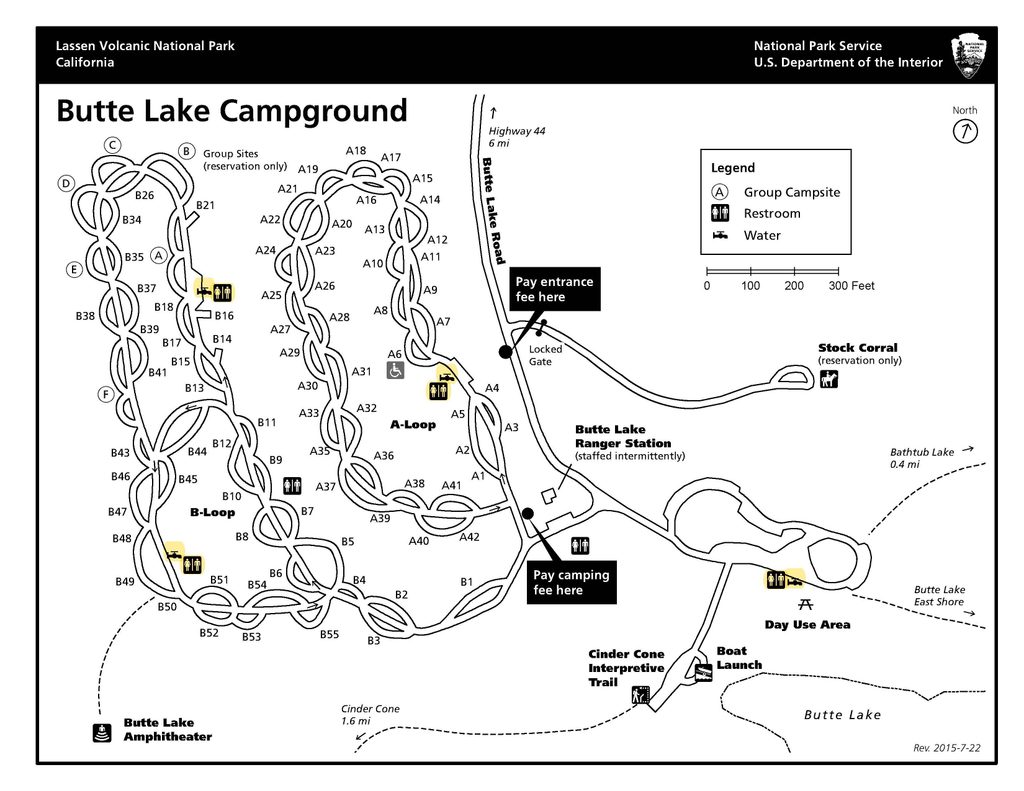
Drive the signed Butte Lake Road about 6 miles on graded dirt from Highway 44 to the Butte Lake day‑use area/campground. It’s manageable in normal conditions but can be rough when wet. Some GPS apps try to route you to a locked gate—stick to the signed Butte Lake Road.
The lava is sharp and unstable—don’t scramble on it. Stay on marked trails, wear sturdy shoes, and bring plenty of water and sun protection; the area is exposed and remote. Trekking poles help on the cinder ascent and descent. Also, manage expectations: there are no lava tubes here (those reviews are about other places).
Park at the Butte Lake campground/day‑use area, where trailheads begin. Use the restrooms there; there are no facilities on the trail.
This corner typically opens late spring through fall, but snow can linger—even into summer some years—so check current conditions. The area is far from everything else in the park, so build in extra drive time.
Aim for morning or late afternoon to do the cinder climb in cooler temps and for gentler light on the lava and dunes. Weekdays see fewer people than weekends, though this area is generally quieter than the park’s south side.
Place · 0.8 mi away
Place · 1.3 mi away
Place · 1.3 mi away
Place · 1.5 mi away
Moderate · 1.3 mi away
Challenging · 1.3 mi away
Moderate · 1.3 mi away
Moderate · 5.5 mi away

Parkwolf Tour Guide
