Place · 0.8 mi away

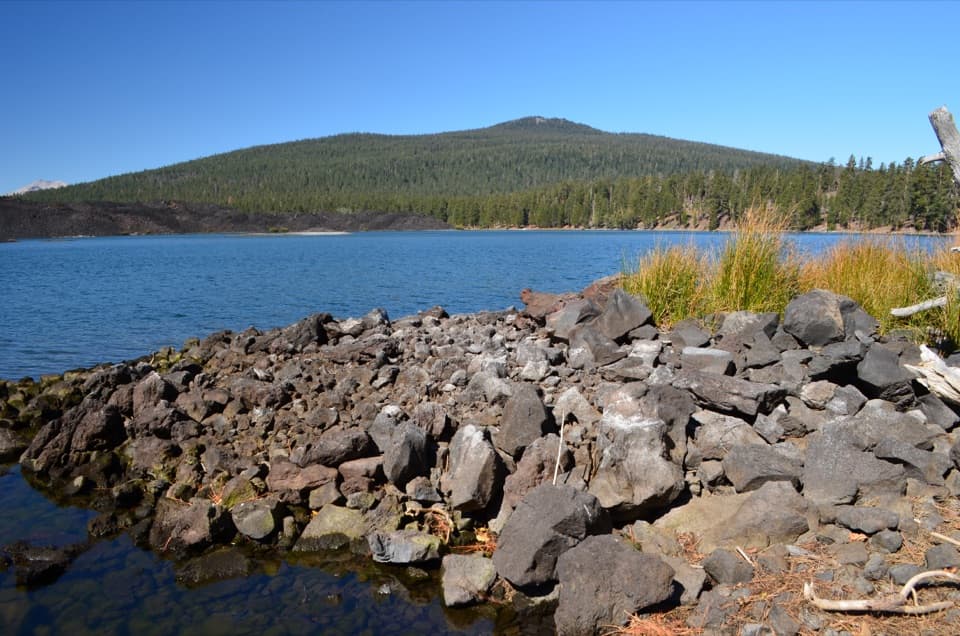
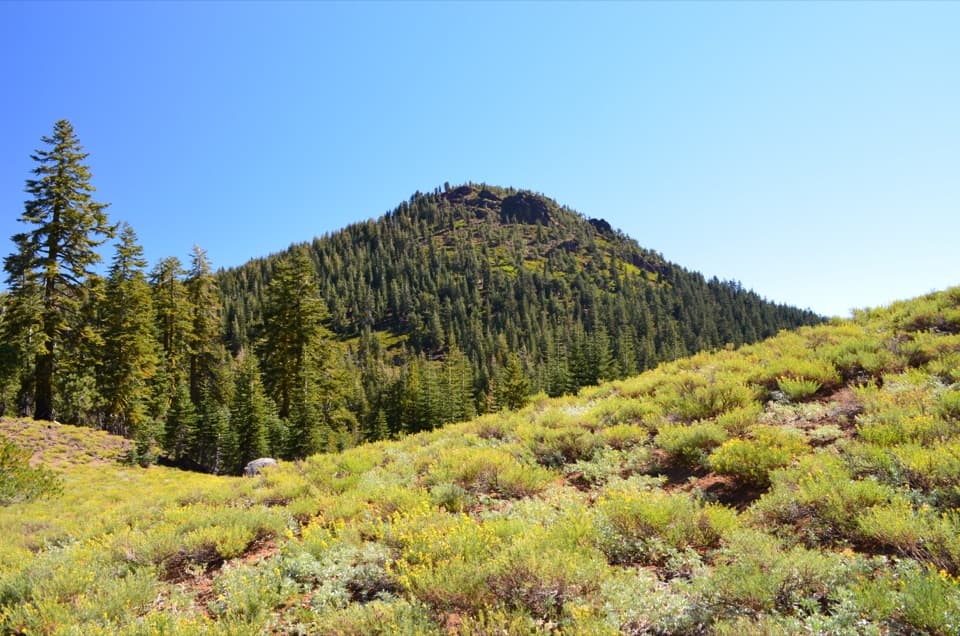
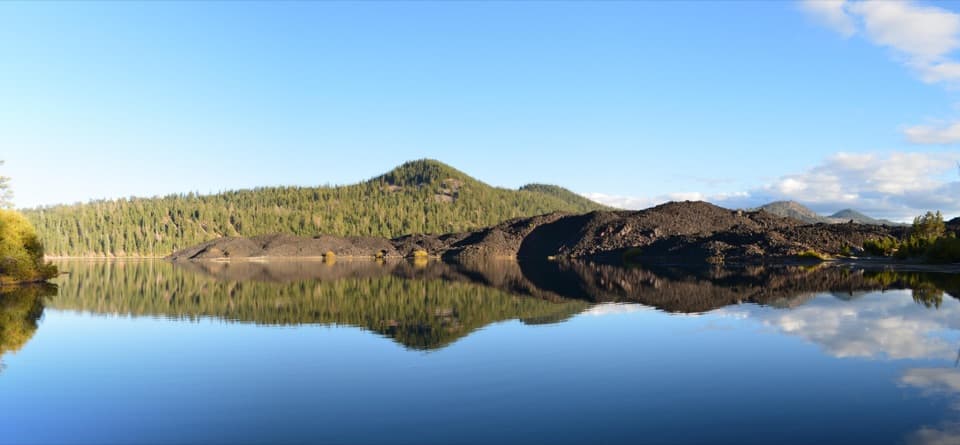
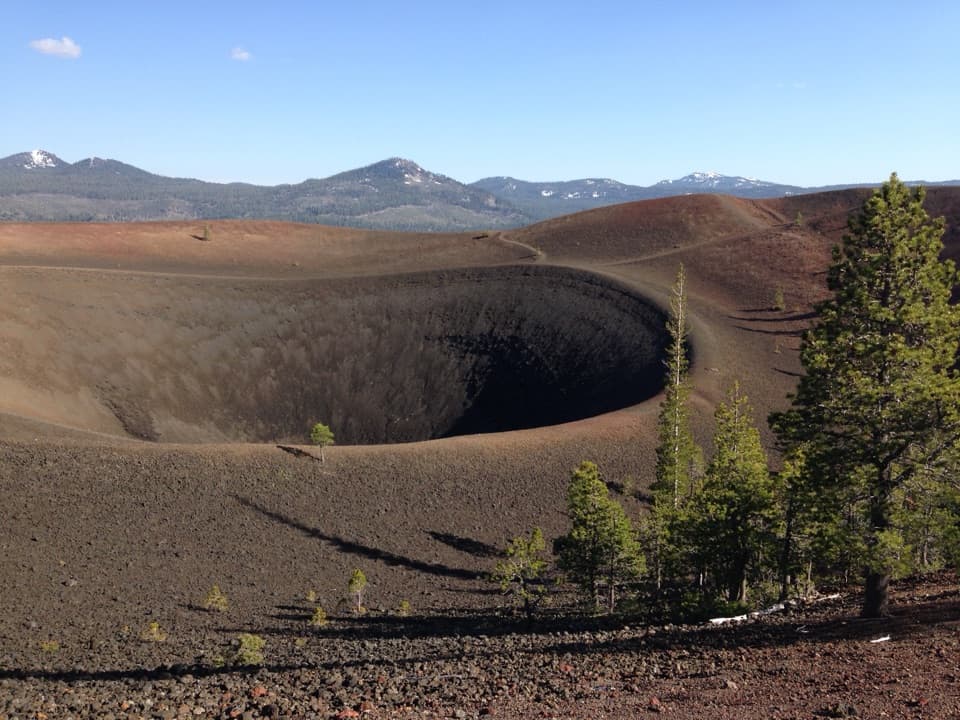
Cinder Cone is a striking, cone-shaped volcano rising above the park’s northeast corner near Butte Lake. The short, steep climb is a leg burner, but the payoff is immense: sweeping views over the Painted Dunes, the blocky Fantastic Lava Beds, Snag Lake, Prospect Peak, and Lassen Peak.
From the rim you’re surrounded by a young volcanic landscape: vivid reds and oranges of the Painted Dunes (oxidized ash draped over still-hot lava) and the rugged flows of the Fantastic Lava Beds. The summit features a double‑rimmed crater and a side path lets you descend into the crater itself for a true “on the moon” moment.
Cinder Cone is about a 700‑foot‑tall scoria cone built during a single eruptive sequence in the mid‑1600s. Those same eruptions produced the Painted Dunes and the Fantastic Lava Beds and even dammed a creek to form Snag Lake. The landscape here tells a very recent volcanic story in vivid color.
Start from the Butte Lake parking area and follow sandy cinder trail through pines to the base of the cone. Round‑trip is about 4 miles to the summit with roughly 846 feet of gain. The final 200 feet up the cone is the crux—steep and on loose cinders that feel like climbing a sand dune. Many hikers make a loop by descending the steeper far side toward the Painted Dunes for different views. Allow around 3 hours if you plan to linger at the top or explore the crater.
Access is via a 6‑mile unpaved road off Highway 44 to the remote Butte Lake Day Use Area. Parking is available near the boat ramp/trailhead. Drinking water is available only when Butte Lake Campground is open; otherwise, bring all you need. The park notes no other services in this area. Pick up the Cinder Cone Nature Trail handout (also available at visitor centers) to match numbered posts along the route.
The trail typically opens roughly June through November. Go early or late in the day for cooler temps and softer light on the Painted Dunes; the cone is fully exposed with no shade. Weekdays are quieter, and some hikers enjoy an evening or even full‑moon ascent when it’s cooler and winds often calm.
Expect sun, wind, and loose footing—sturdy boots and a steady pace help. Trekking poles are very useful for both the ascent and sandy descent. Carry ample water and sun protection. Drive slowly on the washboard dirt road and plan to be self‑sufficient in this remote corner of the park.