Place · 0 mi away

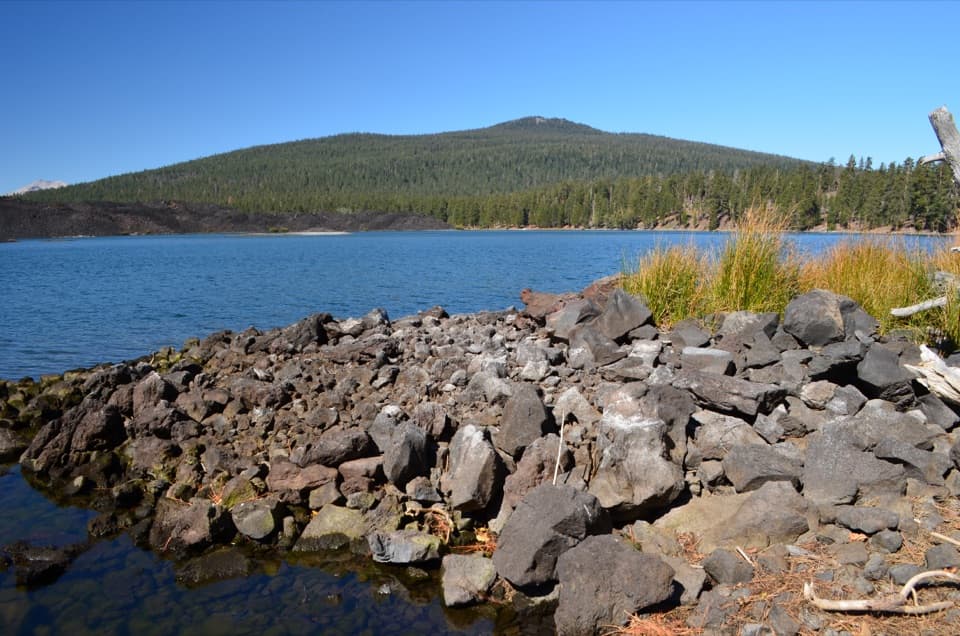
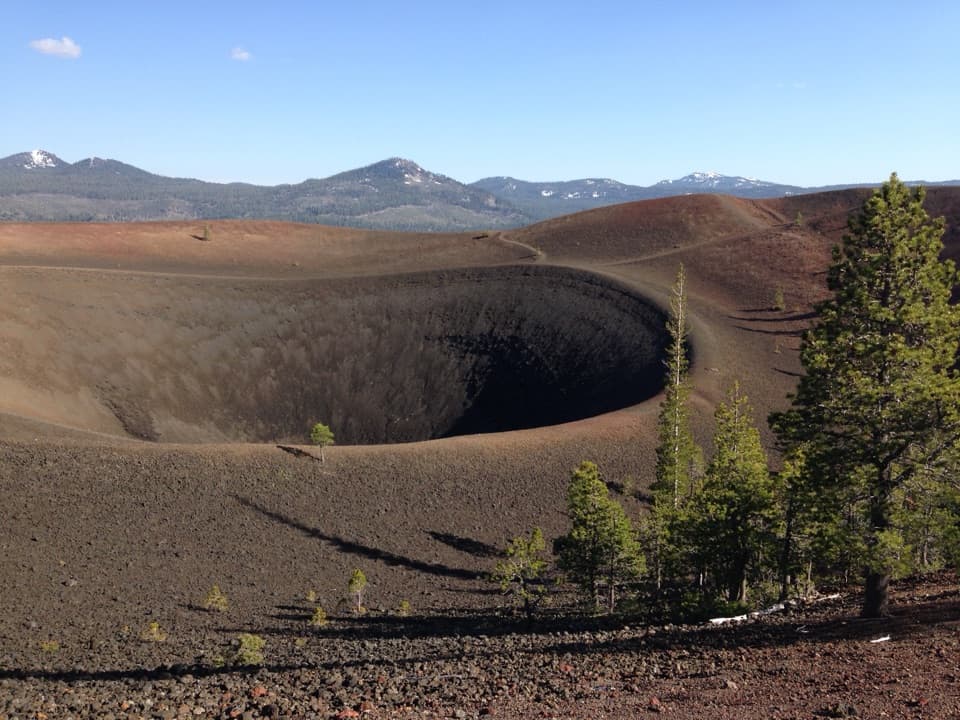
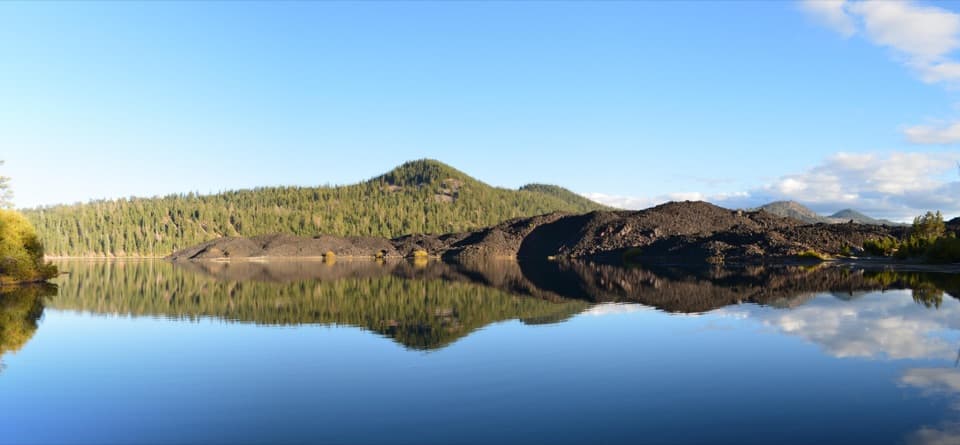
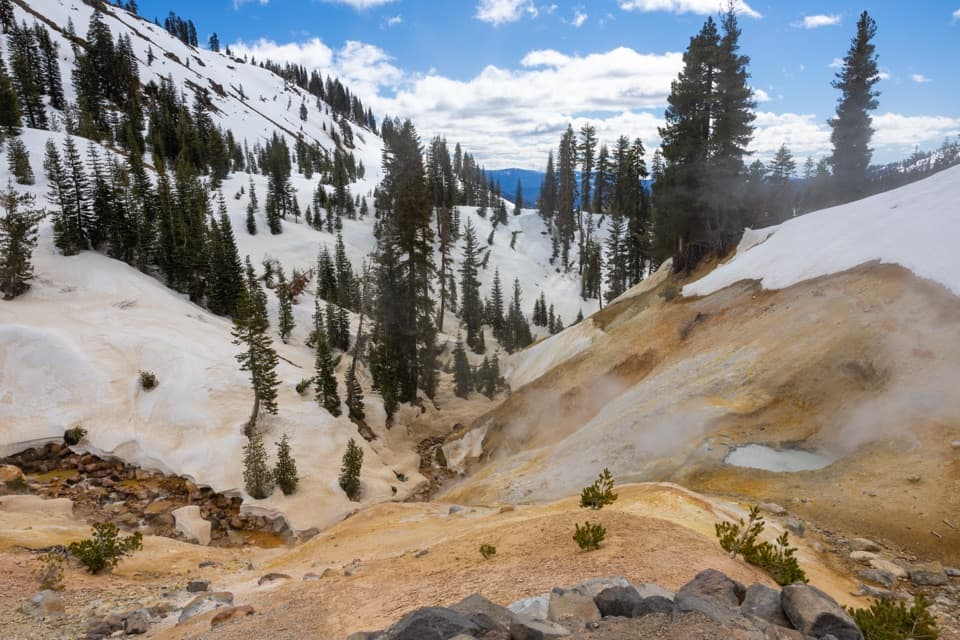
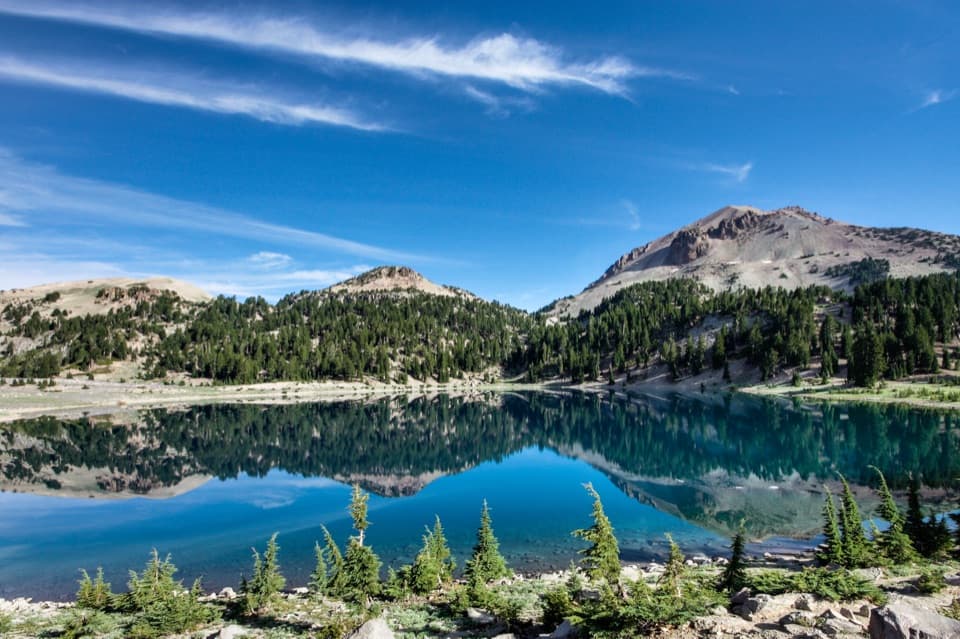
The Painted Dunes are a surreal splash of reds, oranges, and purples laid across the lava next to Cinder Cone in the park’s remote Butte Lake area. Those colors come from iron-rich ash that oxidized as it fell onto still-hot lava during Cinder Cone’s 17th‑century eruptions. From the cone’s flank or summit, you get a broad, unobstructed look at the dunes and the adjacent Fantastic Lava Beds—one of the park’s most striking geology lessons in a single view.
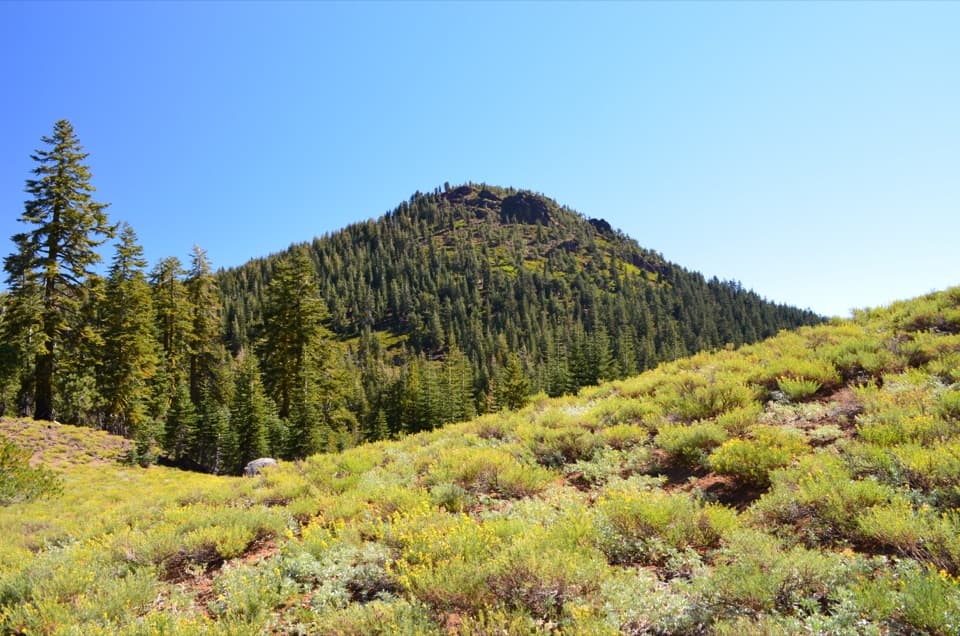
Start at the Cinder Cone Trailhead by the boat ramp in the Butte Lake Day Use Area. It’s about 2.4 miles round trip to the base and 4.0 miles round trip to the summit, with roughly 846 feet of gain. The path is mostly loose cinders (think hiking in deep sand), and the final ascent is steep, so it’s a calf burner despite the modest mileage. From the lower flanks you’ll already see the Painted Dunes; the summit gives the grand panorama over the dunes and the Fantastic Lava Beds.
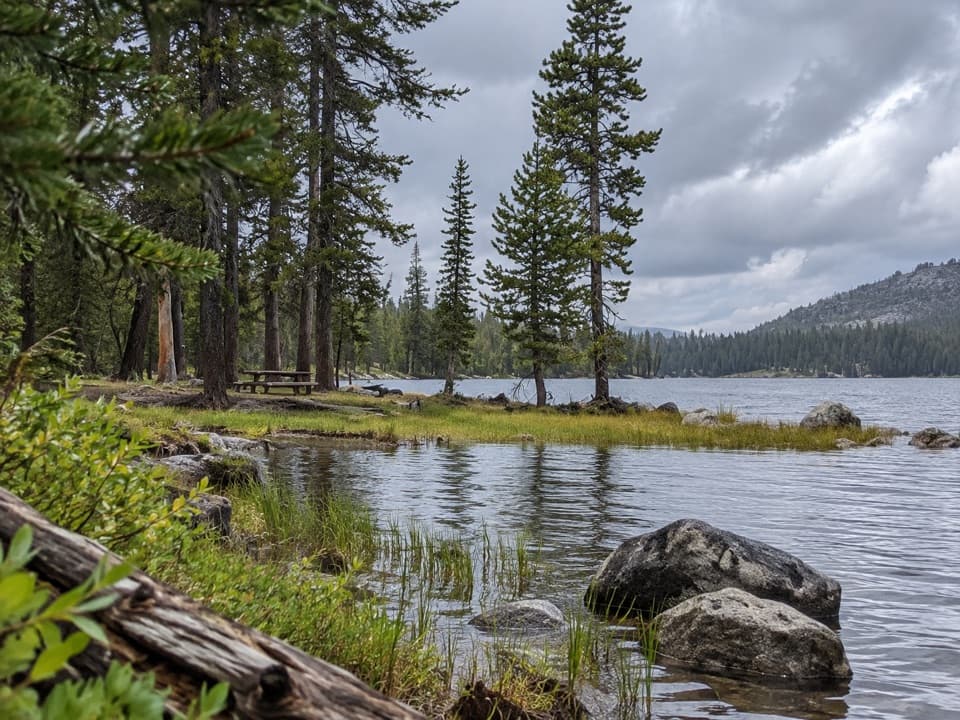
This is a remote corner of the park reached by a 6‑mile dirt road off Highway 44. Day‑use parking is near the trailhead. Drinking water is available when Butte Lake Campground is open; otherwise, plan to be self‑sufficient. There are no other services in this area, and cell coverage is generally limited to none.
The Painted Dunes formed when ash and cinders from Cinder Cone’s eruptions settled onto still‑warm lava flows and oxidized, creating that painterly palette. It’s a rare chance to see, at once, a young basaltic cinder cone, fresh lava fields, and oxidized ash blankets—set within a park that also features silica‑rich domes like Lassen Peak.
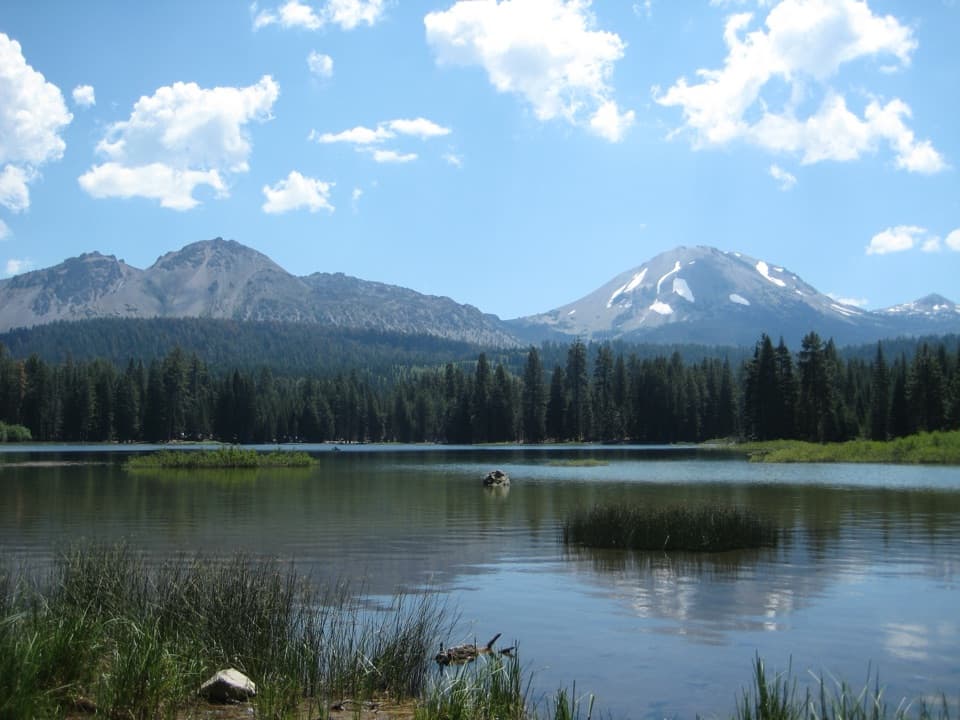
The Butte Lake/Cinder Cone area typically runs June–November, depending on snow and roads. For photography, aim for early morning or late afternoon when low sun angles amplify the dune colors. Midday light flattens the contrast, and shade is minimal, so plan accordingly.
Footing is loose scoria—trekking poles help on the climb and descent, and closed‑toe shoes keep cinders out. Stay on established paths; the pumice/ash surface scars easily. Pack extra water, sun protection, and a backup plan—this area is remote, and conditions can change. Expect limited cell service.
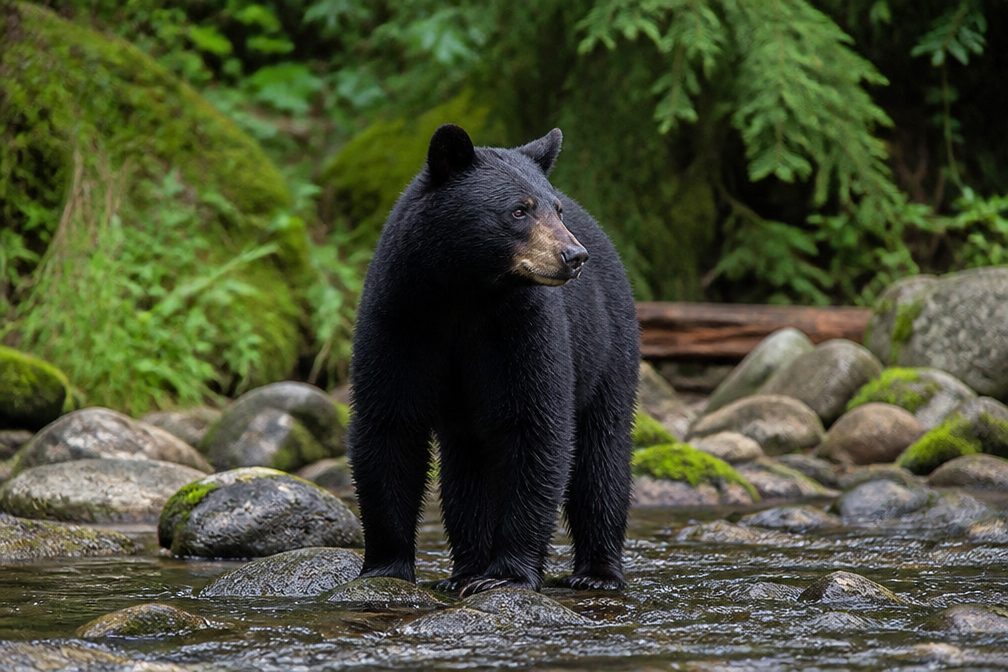
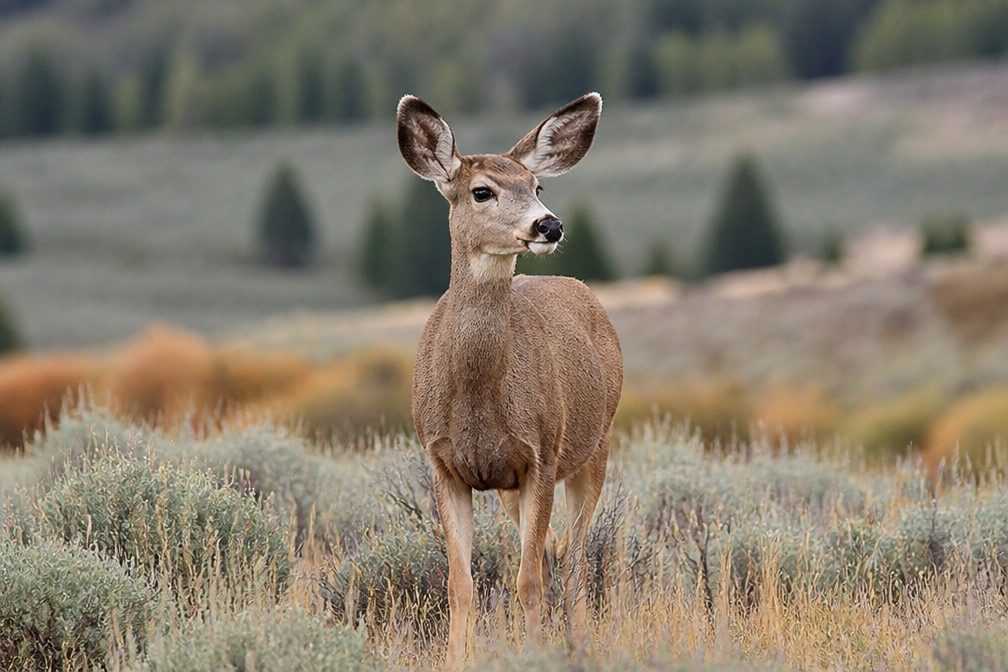
Deer are commonly spotted around the Butte Lake/Cinder Cone area. Bears and mountain lions are possible—practice proper food storage and be aware of your surroundings.
If you want more mileage after the dunes and cone, hikers sometimes extend toward Snag Lake for a longer loop day—plan carefully, carry sufficient water, and give yourself ample daylight in this remote terrain.