Cascade Saddle

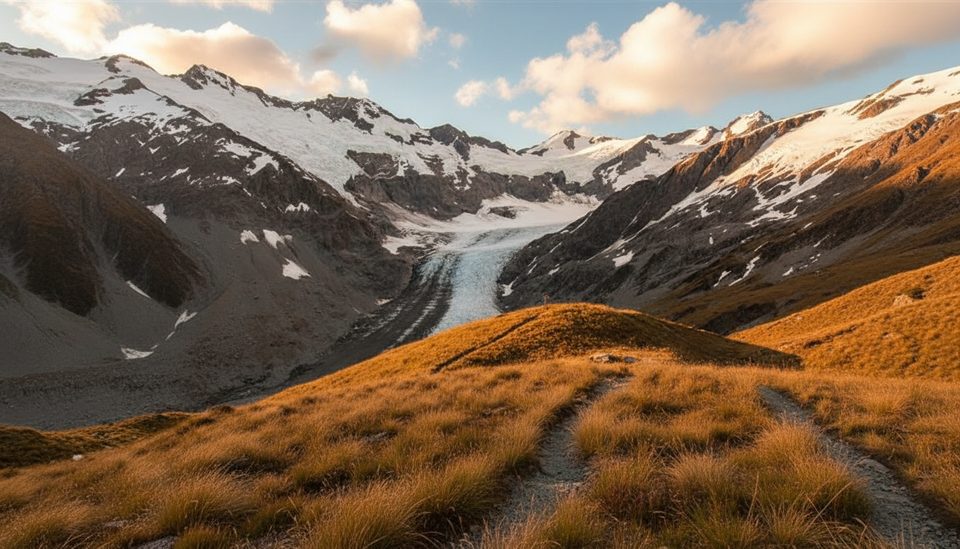
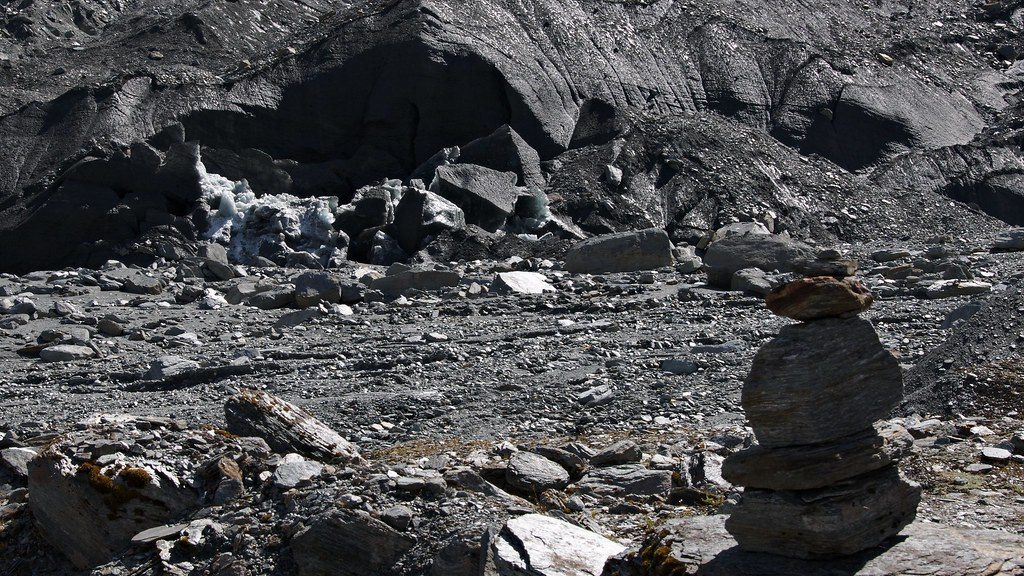
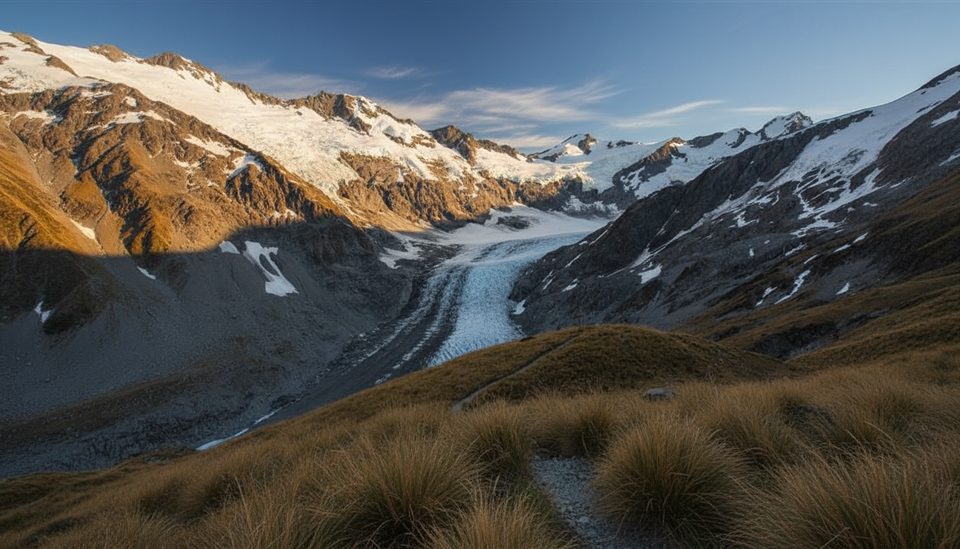
Alpine saddle with huge views of Dart Glacier and Mt Aspiring
Cascade Saddle, Mount Aspiring National Park
InsideMount Aspiring National Park

Overview

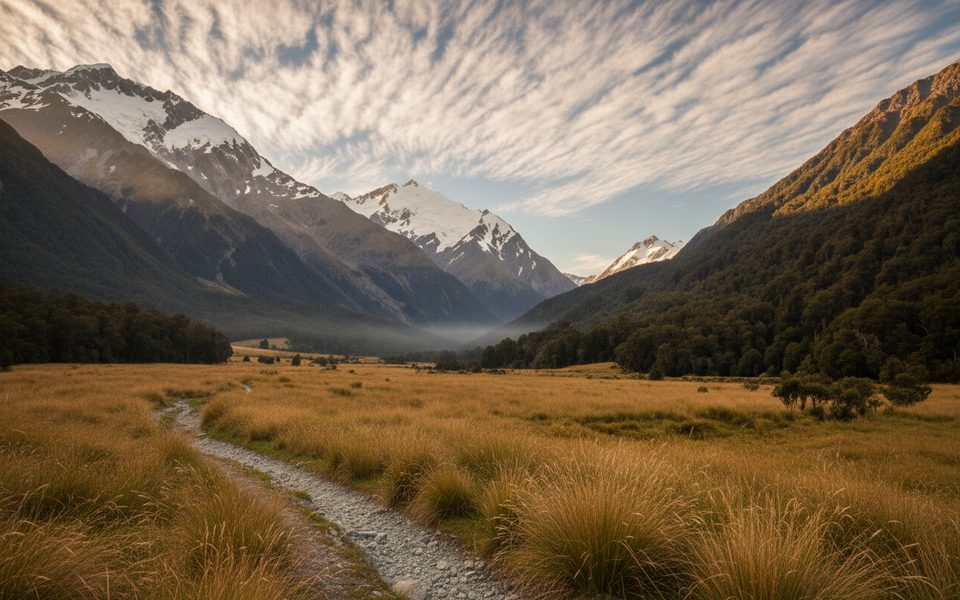
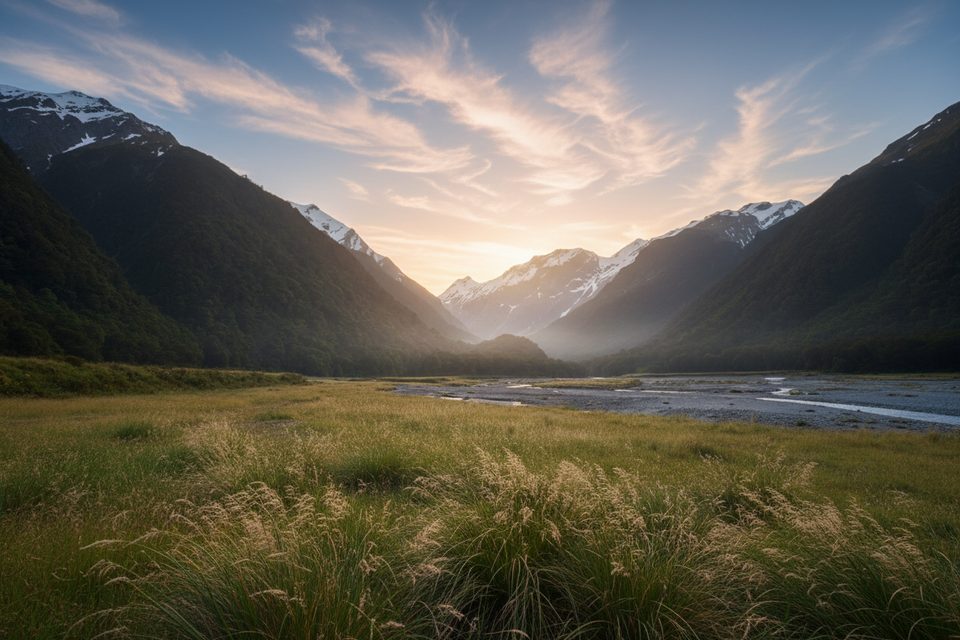
Cascade Saddle is the high, alpine gateway between the West Matukituki and Dart valleys, famous for sweeping views over the Dart Glacier and Tititea/Mt Aspiring. It’s also one of the park’s most serious tramping routes: very steep, exposed, and the scene of multiple past fatalities in poor conditions. Fit, experienced parties tackle it as a long out-and-back or as part of a Matukituki–Dart traverse.

Route at a Glance (Matukituki side)

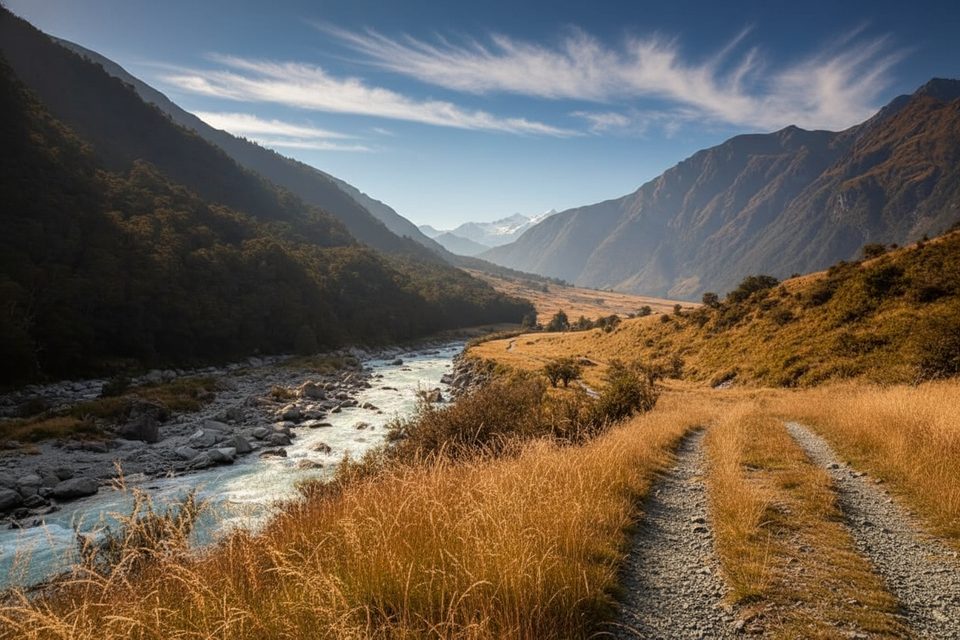
  • Raspberry Creek carpark to Aspiring Hut: 9 km, about 2–2.5 hours on a formed valley track.
  • Aspiring Hut to Cascade Saddle: roughly 6 km, allow 4–5 hours with 1300 m+ of steep vertical gain.
  • Continuing to Dart Hut (for traverses): about 10 km, 4–5 hours.

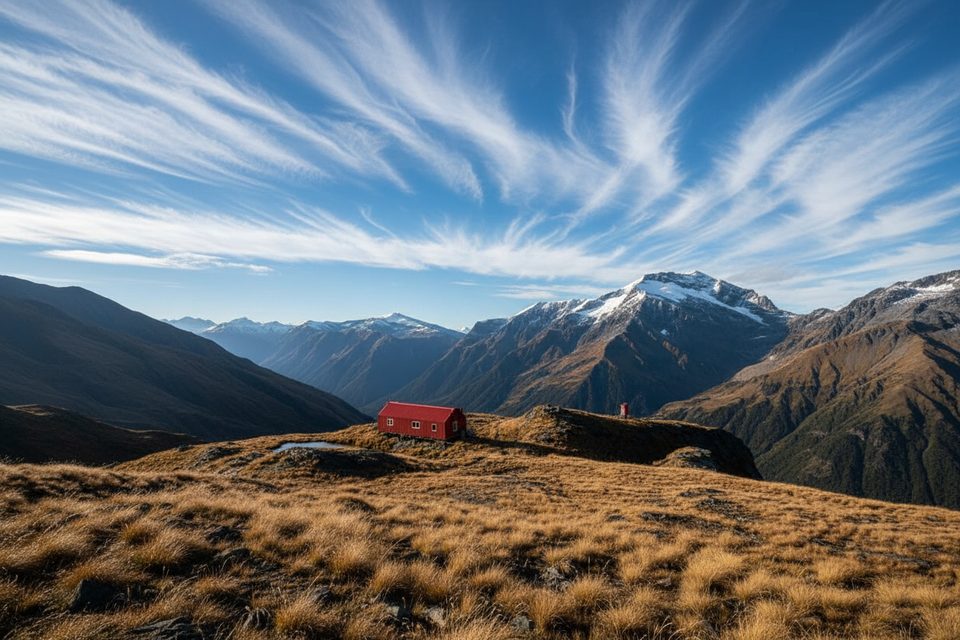
From Aspiring Hut the track climbs sharply through beech forest, with an unbridged stream near the bushline that many use as the last refill before the tops. Above the bushline the route becomes narrow and exposed across tussock and rocky bluffs. The high point (“the pylon,” ~1835 m) reveals first big views, then a steep 30‑minute descent leads to Cascade Creek and its designated campsite. From there, a poled route over alpine terraces takes about 30–45 minutes to the best Cascade Saddle and Dart Glacier viewpoints. Expect a short slab crossing en route, aided by a drilled foothold.

Hazards and Decision Points

  • Above the bushline the terrain is bluffy and consequential—slips can be fatal. The route is harder to descend than to ascend, so many start from the Matukituki side.
  • Snow, ice, or wet rock drastically increase risk; in such conditions this is mountaineering terrain requiring crampons, an ice axe, and the skills to use them.
  • Streams can run high after rain; the in‑bush crossing near the tops may be unsafe, and side streams along the Dart can rise quickly.
  • Use the bushline lookout and the pylon as key reassessment points; turn back if weather or timing deteriorates.

Facilities, Access, and Water

  • Trailhead: Raspberry Creek carpark (shelter, long‑drop toilets). The final road section is gravel with several unbridged fords—2WD often fine in settled summer weather, but 4WD may be needed after rain or later in the season.
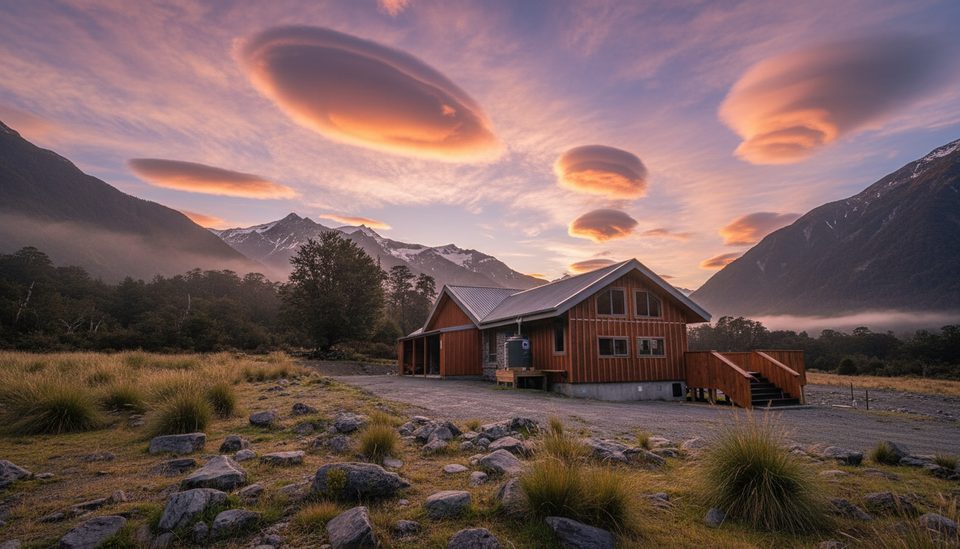
  • Aspiring Hut: 33 bunks with gas, flush toilets, lighting in summer, and a fireplace; fees apply (tickets via the visitor centre or the seasonal hut ranger).
  • Cascade Creek campsite: the only permitted camping on the route; long‑drop toilet and reliable flowing water. Treat water as needed.
  • Last easy water on the climb is an unbridged stream near the bushline; it can be dangerous in heavy rain.

Wildlife

Kea frequent the Cascade Creek area and are notorious gear‑destroyers. Stow packs and loose items inside your tent, keep food sealed and never unattended, and close tent openings securely.

Best Time to Visit

Mid to late summer generally offers the most stable conditions. Start very early on hot, calm days—the upper route is fully exposed. Clear weather maximizes those glacier-and-peak views; plan with a conservative forecast and be ready to turn back.

Who Will Love It (and Who Won’t)

If you’re an experienced tramper comfortable with steep, exposed alpine routes, Cascade Saddle is a bucket‑list objective with unmatched scenery. If you’re uneasy with heights, unsure-footed on rock, or new to snow travel, pick a lower‑risk objective in the valley instead.

Pros

  • World‑class views of the Dart Glacier and Tititea/Mt Aspiring
  • Designated Cascade Creek campsite with water and a long‑drop nearby
  • Poled alpine route from Cascade Creek to the saddle viewpoints

Cons

  • Extremely steep, exposed terrain with a history of serious falls
  • Wet, icy, or snowy conditions turn this into mountaineering terrain
  • Unbridged fords on the access road and on-route streams can be impassable after rain

Tips

  • Use the bushline lookout and the pylon as turnaround decision points.
  • Top up at the bushline stream and Cascade Creek; treat all water.
  • Carry crampons and an ice axe—and the skills to use them—if snow is possible.
  • Secure all gear from kea at Cascade Creek and never leave food unattended.
  • Aim for a very early start; the upper route is fully exposed to sun and wind.
The Parkwolf tour guide sitting on a phone mounted in a car

Parkwolf Tour Guide

Like a tour guide in your car.

Save the places you found around Mount Aspiring, then let Parkwolf guide the drive between them.Download Parkwolf on the App Store