
Place · 0.7 mi away
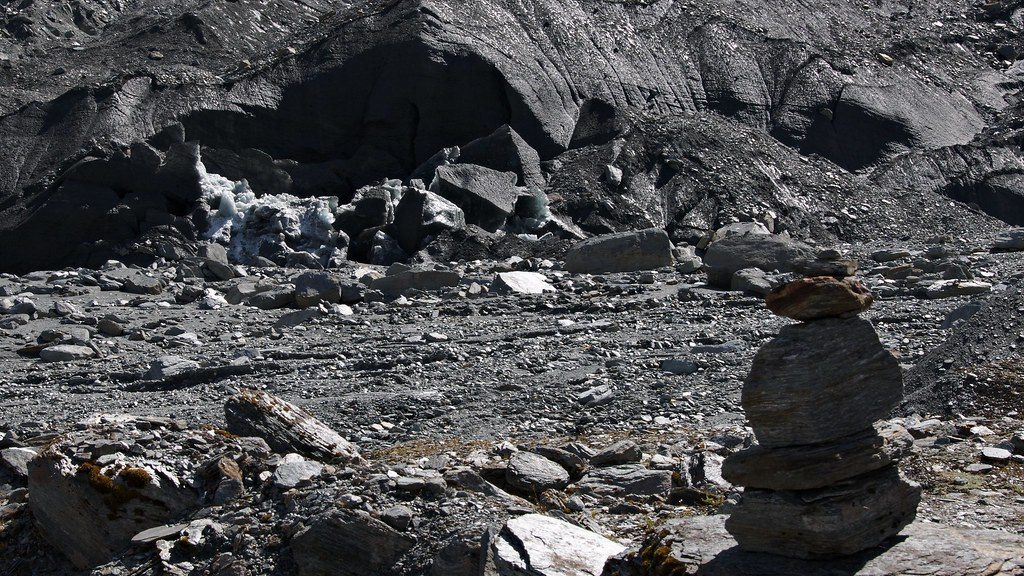
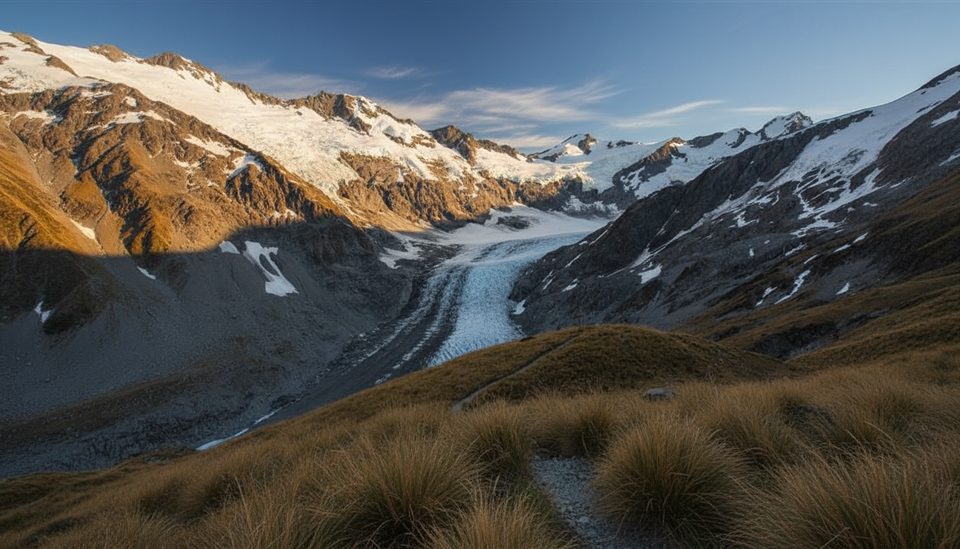
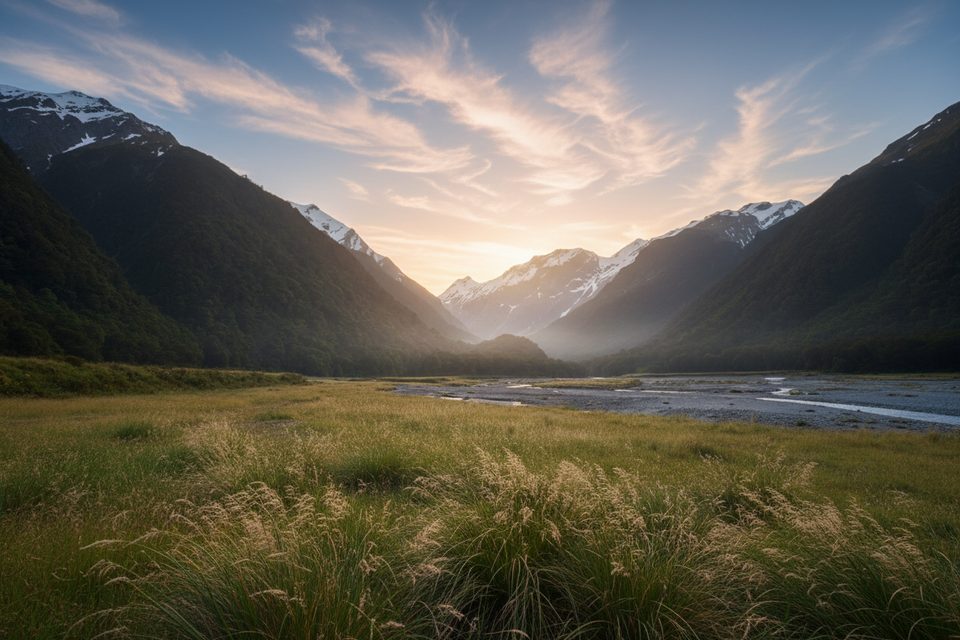
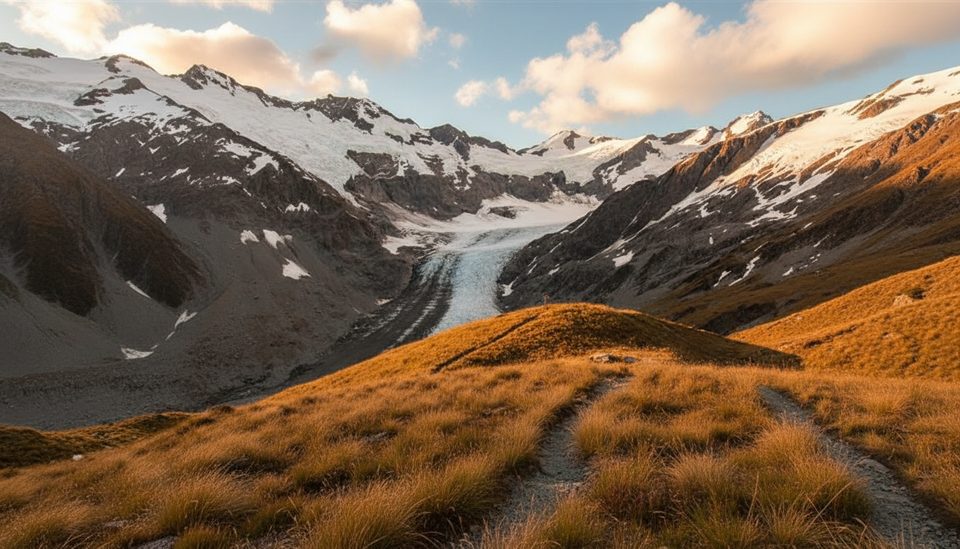
Dart Glacier crowns the head of the Dart River/Te Awa Whakatipu, and most trampers experience it as a demanding side trip from Dart Hut on the Rees–Dart Track. Expect a big, glacial valley setting with viewpoints along the glacier’s edge rather than a short roadside look‑out. Some parties link time here with the expert‑only Cascade Saddle Route, but that route has a history of fatalities in poor conditions—treat it with utmost caution.
There isn’t a dedicated “Dart Glacier trailhead.” The usual access is the Rees–Dart Track, starting either at the Dart side (Chinamans Bluff road end via Glenorchy) or the Rees side (Muddy Creek). The Dart road is a fine‑weather road and can be cut by flooding; in heavy rain, access may stop at Paradise, adding a 6 km walk to the road end. Both road ends are essentially parking only—no toilets, water, or services—so plan to be fully self‑sufficient from the car.
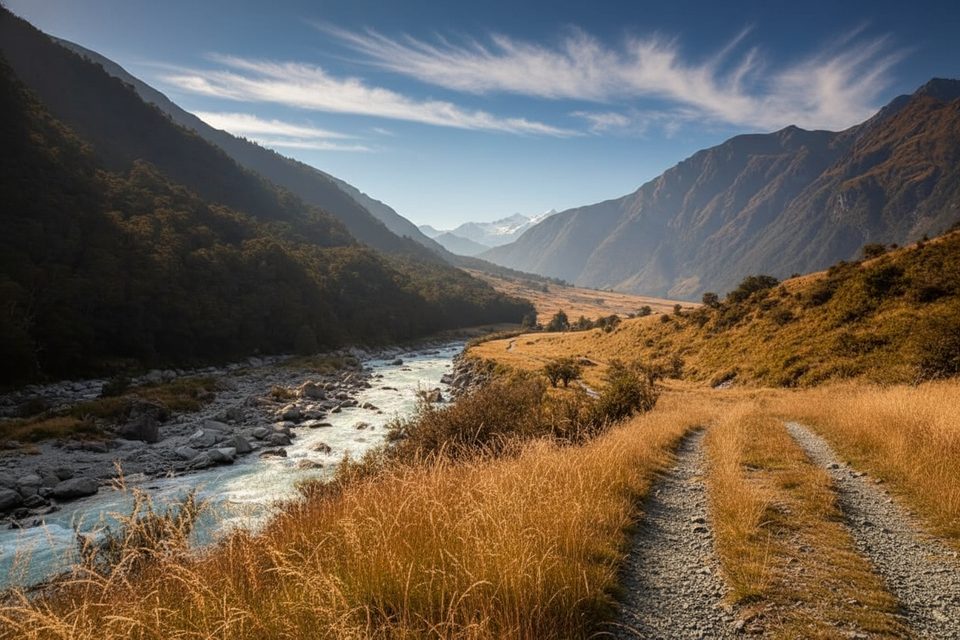
From Dart Hut, allow roughly 4–5 hours one way (about 10 km) on a marked route of poles and cairns north along the Dart River to the glacier’s edge. Attempt this only in settled weather and be prepared to turn back if streams rise. Carry spare food and an emergency shelter; delays are common after heavy rain or warm periods with snowmelt.
Between Shelter Rock Hut and Dart Hut the track includes narrow benched sections with steep drop‑offs and avalanche paths. The Upper Snowy Creek bridge is removed each winter and may not be reinstalled until as late as December; without it, the crossing can be hazardous. Quicksand occurs near Dredge Flat—keep to the marked track between Sandy Bluff and Daleys Flat Hut. The Whitbourn swing bridge has been removed; any ford is hazardous. As of November 22, 2025, check current status and road/bridge conditions with the DOC Queenstown Visitor Centre before committing.
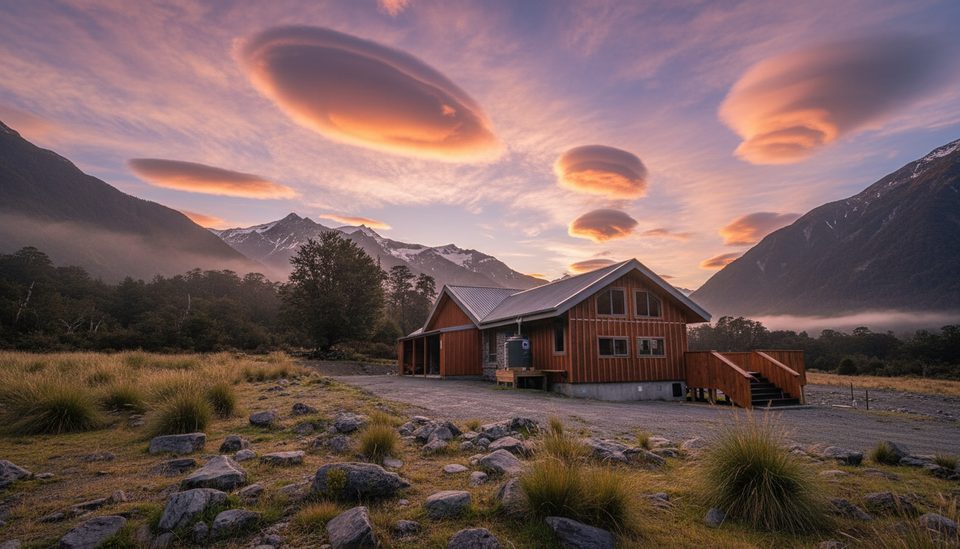
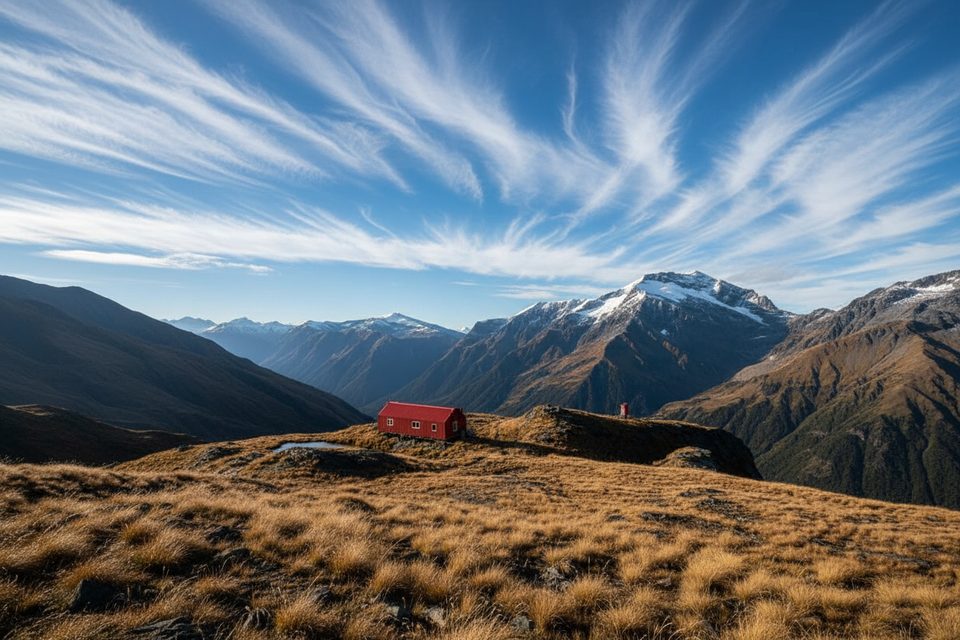
You’ll rely on the Rees–Dart huts: Shelter Rock Hut, Dart Hut, and Daleys Flat Hut. Water at huts is available but untreated—boil or treat. Camping is allowed in many places, but not between Muddy Creek and the park boundary, and not between Shelter Rock Hut and Dart Hut. Huts and designated campsites charge fees; Backcountry Hut Passes are valid May 1–September 30, otherwise use hut/camp tickets. There are no food sales on the track—carry everything you need plus extra.
Kea are common around the Cascade Saddle/Dart area; they’re inquisitive and can damage gear—never feed them. In February 2025, 18 takahē were released into the Rees Valley; keep a respectful distance and report sightings (noting leg‑band colors if possible).
For most people, the practical window is the Rees–Dart hiking season of December–April. Early summer can coincide with the re‑installation of the Upper Snowy Creek bridge; it may not be in place until December. Regardless of season, avoid periods after heavy rain and seek settled weather before attempting the side trip.
Place · 0.7 mi away
Place · 2.3 mi away
Place · 2.3 mi away
Place · 2.7 mi away
Moderate · 6.9 mi away
Challenging · 6.9 mi away
Easy · 6.9 mi away
Challenging · 6.9 mi away

Parkwolf Tour Guide
