Place · 1.9 mi away

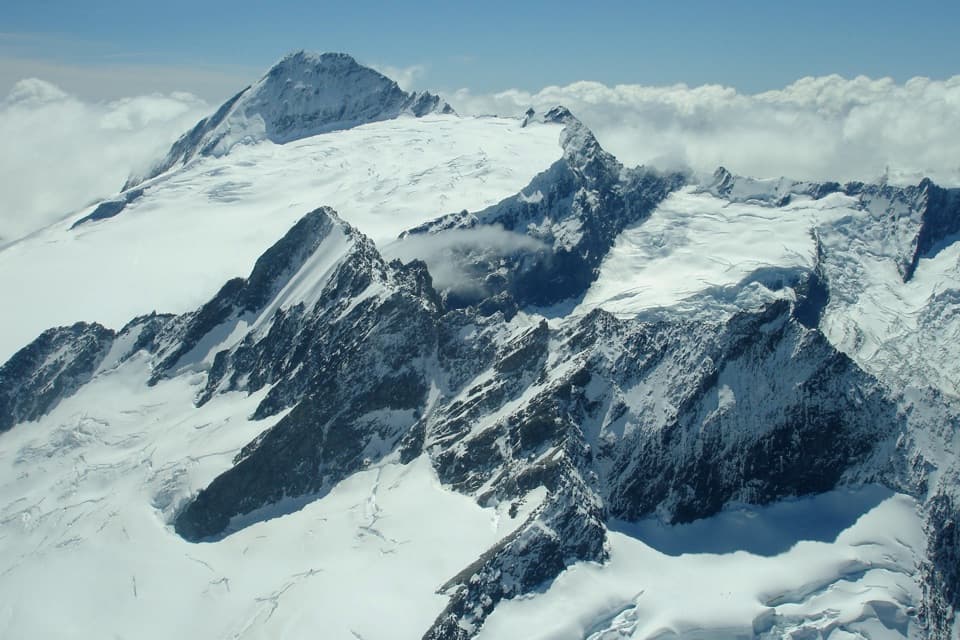
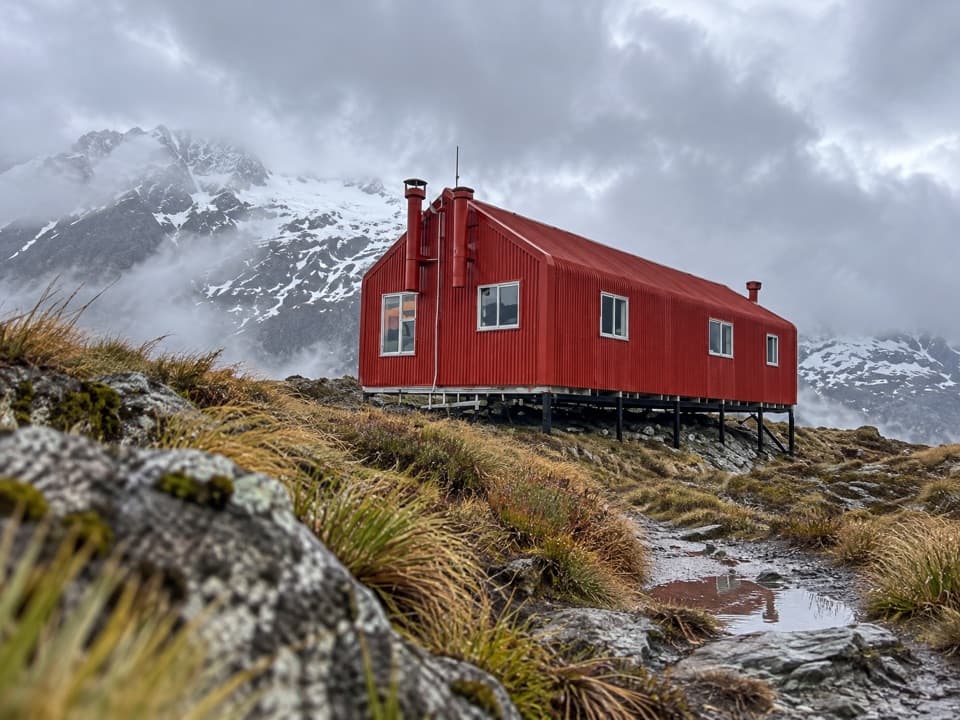
Colin Todd Hut is a compact alpine climbers’ refuge perched around 1,800 m on Shipowner Ridge, just below the northwest ridge of Mt Aspiring. It’s owned by the New Zealand Alpine Club and open to the public, making it a classic staging point for summit attempts and glacier travel. The current hut dates from 1995–96, replacing an original 1960 structure.
These approaches demand glacier travel skills, crevasse rescue competence, and sound alpine judgment. Weather and avalanche hazards are real—treat this as a serious mountain trip, not a casual walk.
Expect a simple setup focused on climbers’ needs: about 10 bunks with mattresses, a roof-fed water tank, a toilet, and a DOC radio. There’s no booking system—beds are first in, first served—so carry an emergency bivvy plan if you’re traveling in busy periods.
Backcountry Hut Passes and Tickets aren’t valid here. Typical fees (NZD): Adult non-member $40; NZAC adult member $20; youth 11–17 non-member $20; NZAC youth member $10; children 0–10 free. Pay online through NZAC or at the Tititea/Mount Aspiring National Park Visitor Centre, and carry your receipt as proof of payment.
You’re sleeping on a high ridge with front-row views across the Bonar Glacier and Mt Aspiring looming nearby. It’s spectacular—and exposed—so expect strong winds at times. Space is tight, and the hut can feel busy during weather windows, but as a climb base it’s hard to beat.
Go when a stable weather window lines up with safe avalanche conditions. The hut is open year-round, but timing should be driven by forecast, snowpack, and your team’s skills. Note that road events can occasionally affect access scheduling; for example, closures were noted around late February 2026 for an area festival.
Ideal for experienced alpinists heading for Mt Aspiring or traversing the Bonar Glacier. Not suitable for casual visitors—the approach, exposure, and objective hazards require proper gear, knowledge, and a conservative plan.
Register intentions, carry a turnaround plan, and bring full glacier and seasonal avalanche kit. Treat the DOC radio as a backup—bring your own reliable communications (e.g., PLB/inReach). Always have a contingency if the hut is full.