Place · 0.5 mi away

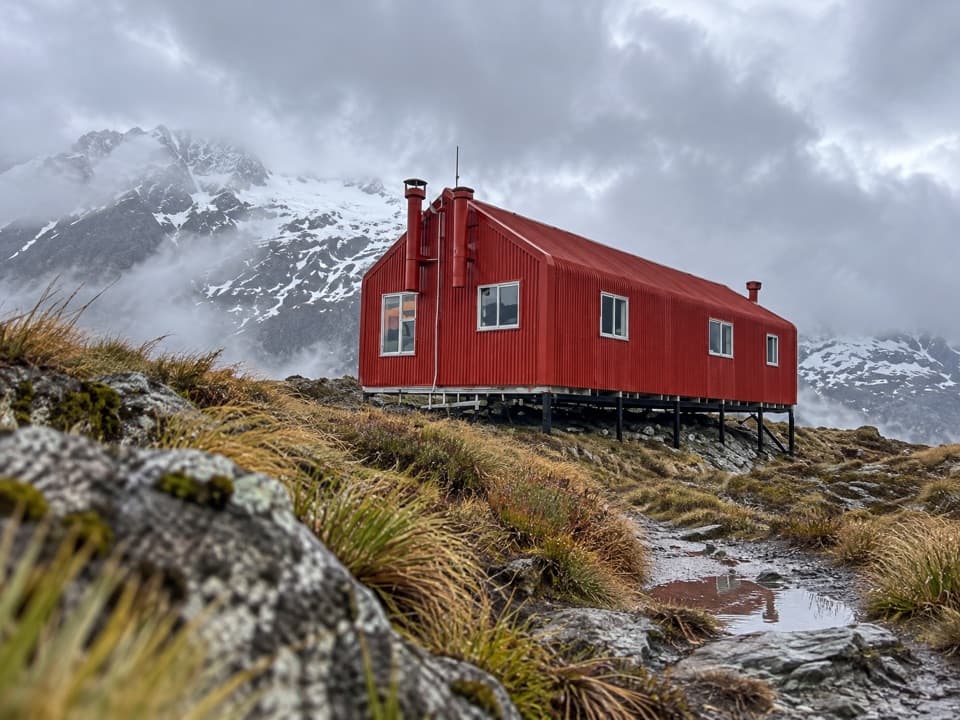
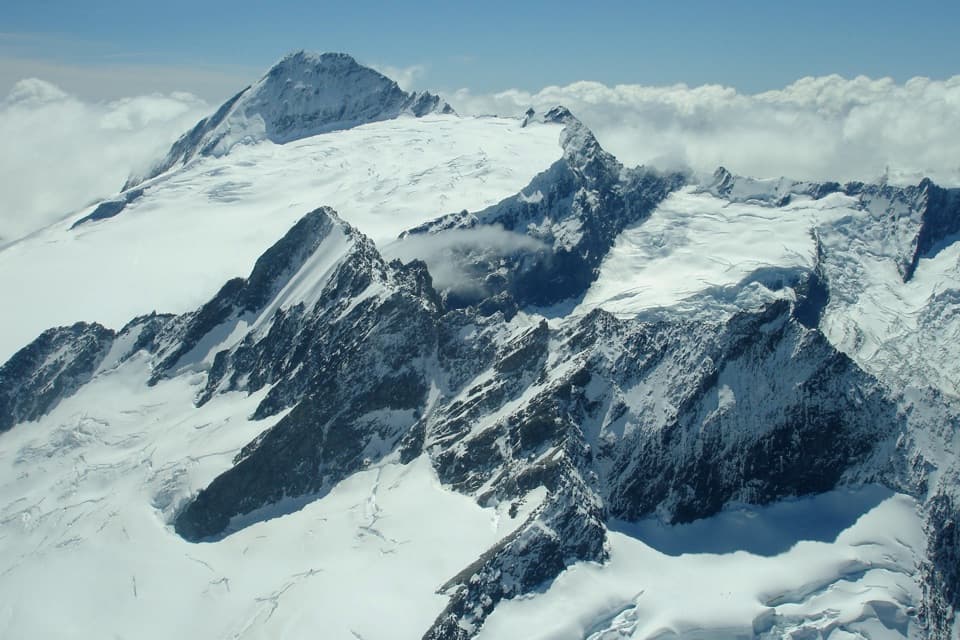
Perched around 1,100 m, Liverpool Hut is small, simple, and spectacular—think big windows onto Tititea/Mount Aspiring and the Matukituki Valley, with kea often cruising by for a nosy look. It’s a classic alpine overnight for experienced trampers who don’t mind earning their views.
Drive to Raspberry Creek car park west of Wānaka. The last ~30 km are gravel, and the final ~10 km include at least eight fords that can become impassable after heavy rain or snowmelt. The road is prone to washouts after storms, so check conditions before committing.
From Raspberry Creek, follow the West Matukituki Track through the valley to Pearl Flat (about 14 km; 3.5–4 hours). Cross the swing bridge over Liverpool Stream, then tackle the notorious final kilometre to the hut (2–2.5 hours). DOC’s overall estimate is roughly 5.5–6.5 hours one way and about 15 km to the hut (30 km return).
This is an Advanced Tramping Track. The last kilometre climbs roughly 500 m on steep roots and rock slabs, with one exposed section—treacherous when wet or snowy. Do not sidle directly to the hut when you first see it; follow markers over the knoll and down to the hut. Expect occasional track erosion near Shovel Flat and observe swing‑bridge load limits. Avalanche terrain exists from May to November—plan accordingly.
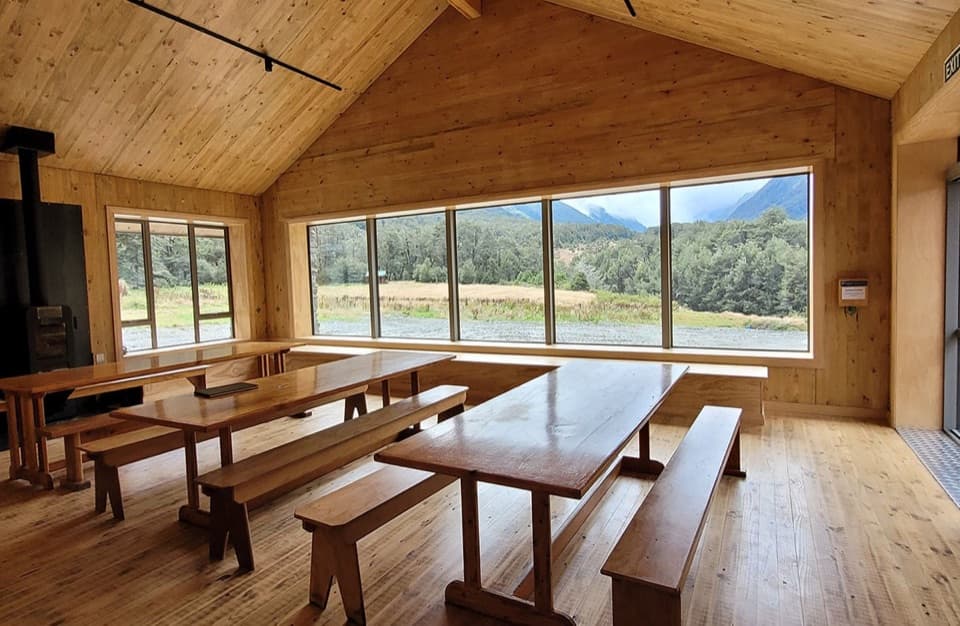
Inside you’ll find 10 bunks with mattresses, a long‑drop toilet, and roof‑fed tank water (treat or boil). There’s no heating, no gas, no power or lighting, and no rubbish service—bring your own stove and pack out everything.
Labour Weekend (late Oct) to 30 April: bookings required and Backcountry Hut Pass not valid. From 1 May to Labour Weekend: no bookings; pay with hut tickets or use a Backcountry Hut Pass. Current fees per night: Adult NZ$35; NZ Alpine Club member NZ$17.50; Youth 15–17 NZ$17.50; under‑5s free.
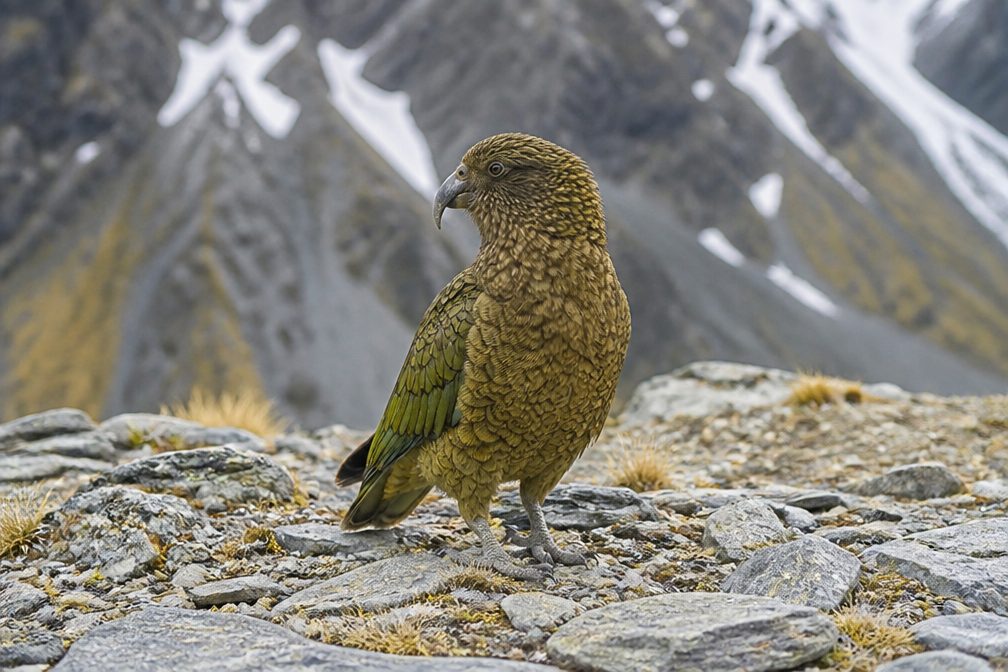
Kea are regulars around the hut—smart, cheeky, and gear‑curious. Keep items secured and food stowed.
Aim for a settled, dry weather window—slabs, tussock, and rock are far safer when dry. Summer and early autumn offer the most reliable conditions (but require bookings). In winter and spring, only go with the skills, gear, and avalanche awareness to manage snow and instability.