
Place · 0 mi away
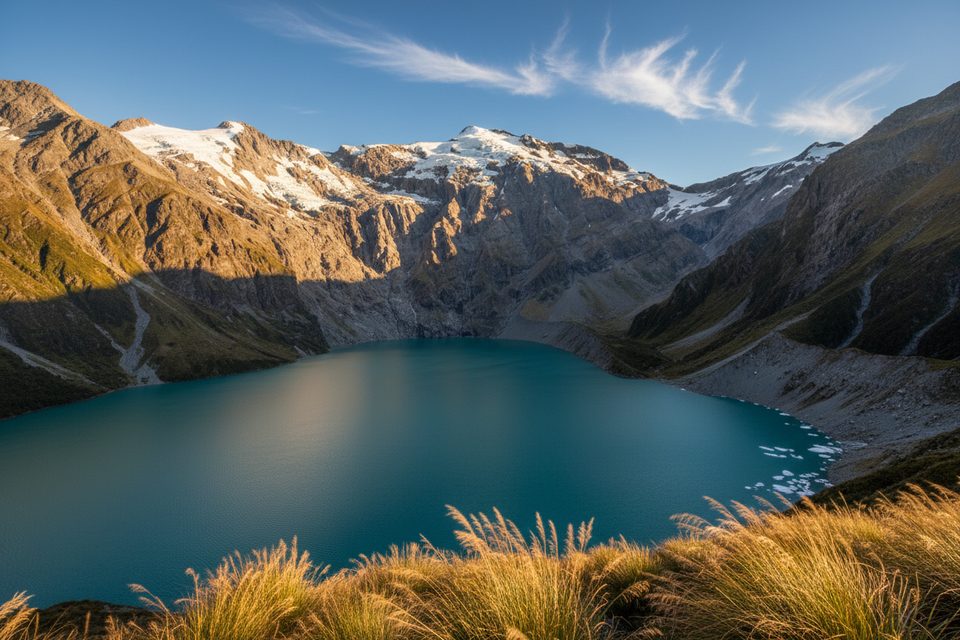
Crucible Falls is a series of rugged cascades on Crucible Stream, met on the final climb to Lake Crucible off the Gillespie Pass Circuit. They’re a raw, thundery counterpoint to the calm cirque lake above—great for photos and a satisfying milestone on a big day out.
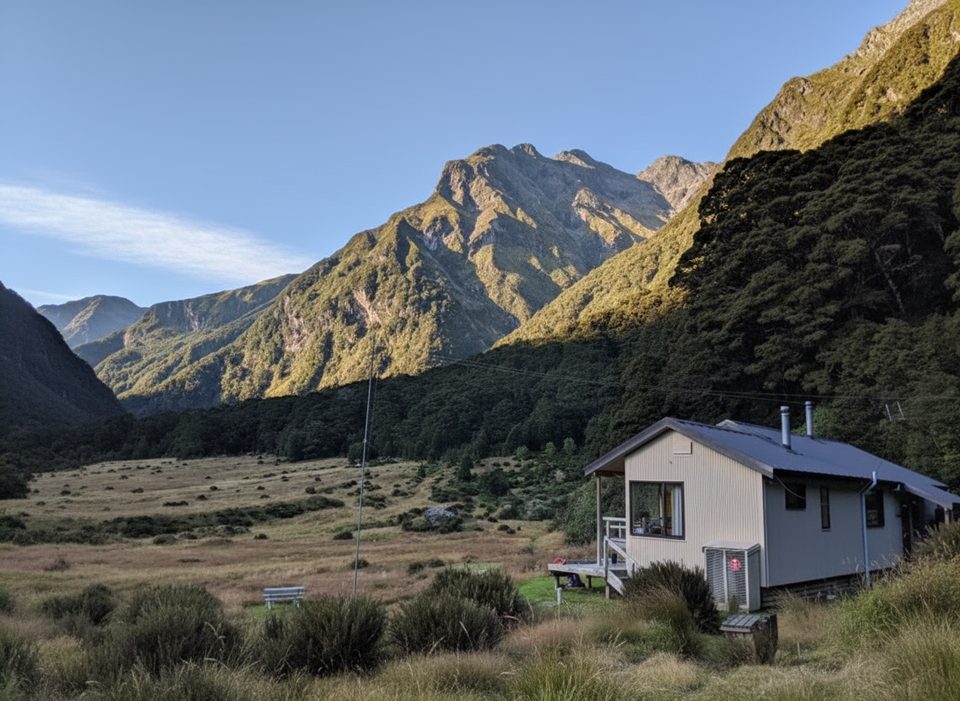
Typical access is via Siberia Valley. Most hikers reach Siberia Hut by jet boat up the Wilkin River or by tramping the circuit, then make Crucible Falls/Lake a demanding out‑and‑back from the hut. Allow a tough full day for the side trip: roughly 4 hours up and about 3 hours down in normal conditions. Expect multiple stream crossings (reports mention many on wet days) and steep, rooty beech forest before breaking into the alpine zone around 1,100 m.
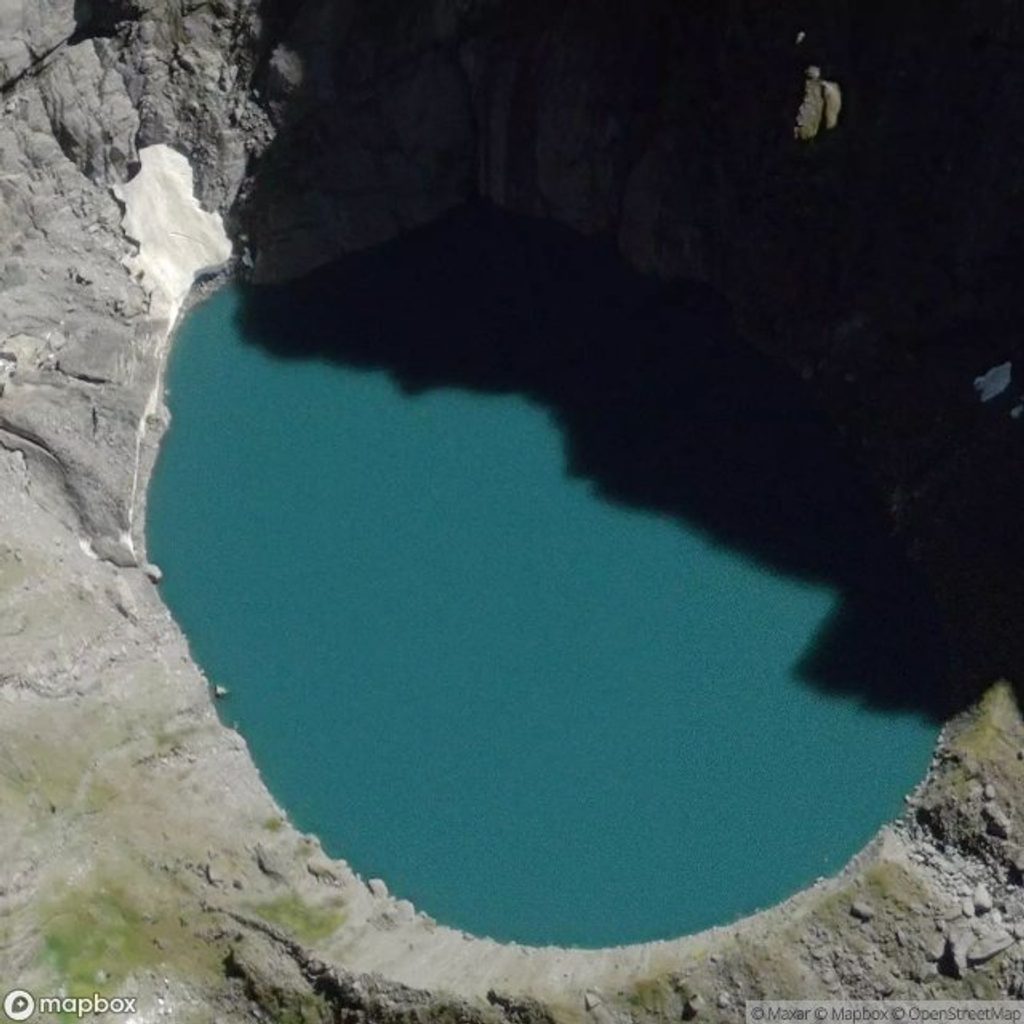
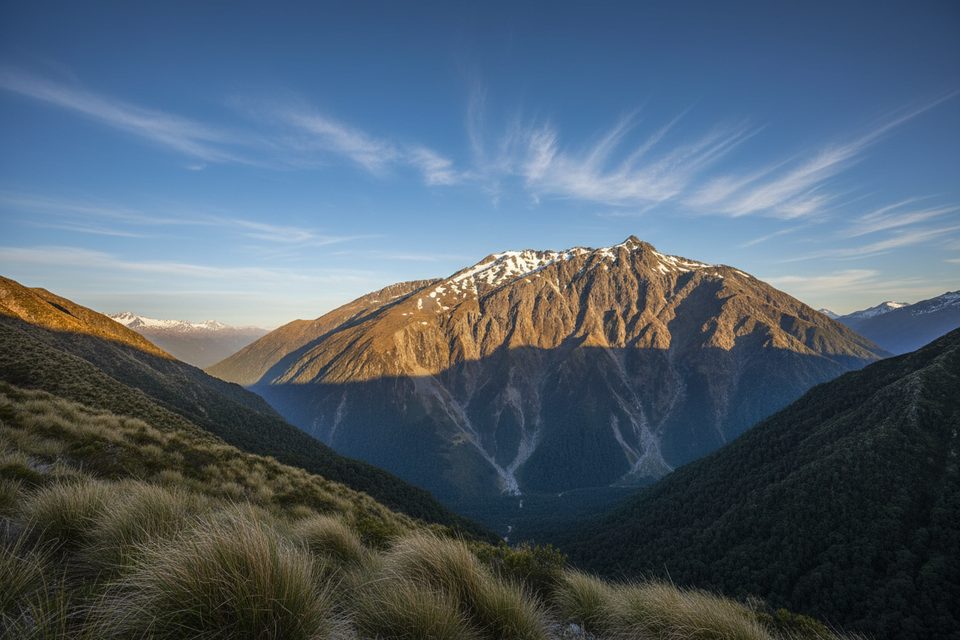
Lower down, the track winds through beech forest; higher up it opens to tussock and alpine herbfields. The stream races over slabs and steps, forming the named falls and cascades you follow toward the basin. Above sits Lake Crucible in a steep‑walled glacial cirque—ice chunks can linger into early–mid summer, with some parties encountering floating ice even in late December.
This is advanced tramping country. Numerous stream crossings, rough footing, and steep sections demand solid judgment. Above tree line you enter avalanche terrain in colder months or after snow. Weather can deteriorate rapidly with gales and heavy rain; be conservative with river levels and turn back if they rise. Check current Department of Conservation advisories for the Gillespie Pass/Siberia area and seek a ranger briefing on river‑crossing techniques if you’re new to them.
Keep an eye out for kea around the alpine zone and rock wren among boulders. Fast, clear rivers here are classic habitat for whio/blue duck. In the forest you might hear the tiny rifleman or morepork at night; alpine wētā thrive in the high country. Secure food from inquisitive kea and give all wildlife plenty of space.
There are no toilets, bins, or treated water at Crucible Falls or the lake. The nearest facilities are on the main circuit (Siberia Hut has toilets; Young Forks campsite has a basic toilet). Water is natural only—treat, boil, or filter. Sandflies can be intense in Siberia Valley, especially in calm, warm conditions.
The most reliable window is late spring through autumn (November–April). Even in summer, bring layers for wind, sleet, or cold rain, and expect lingering ice at the lake early in the season. Start early from Siberia Hut to bank daylight and to handle stream crossings at safer morning levels after a settled, dry forecast.
Place · 0 mi away
Place · 3.6 mi away
Place · 3.8 mi away
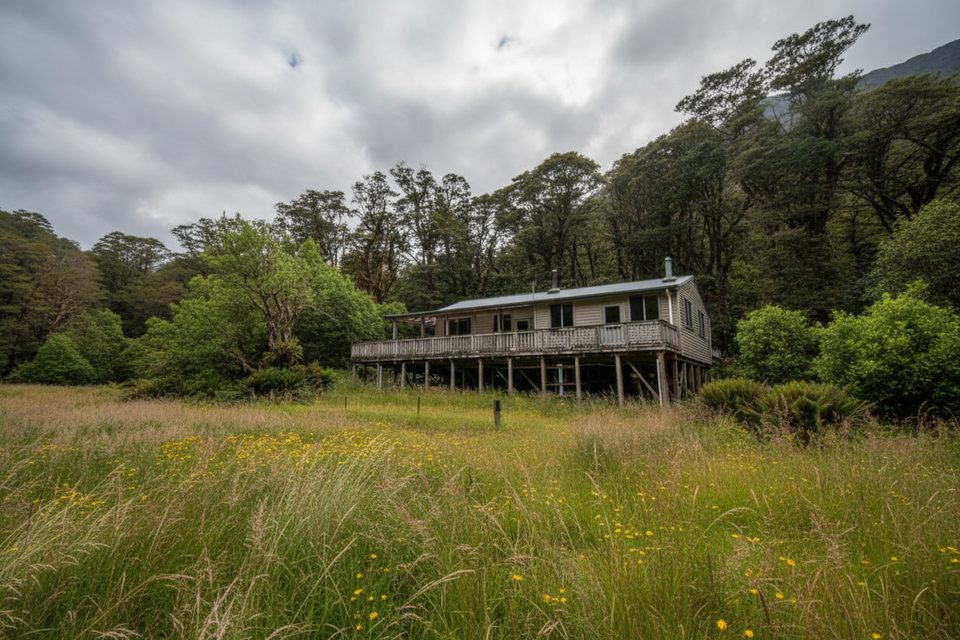
Place · 4.2 mi away
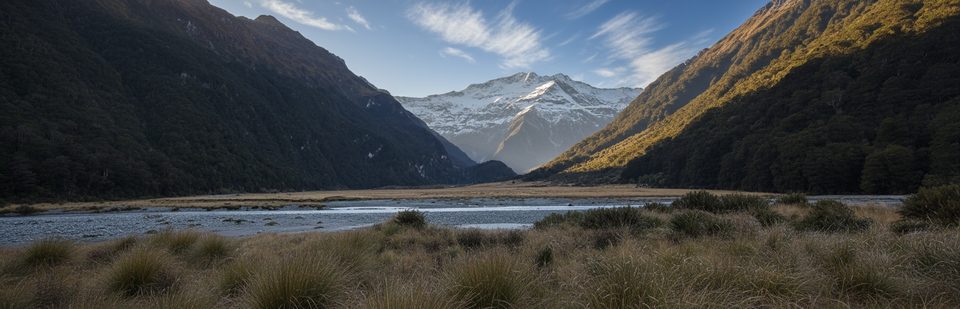
Challenging · 11.6 mi away
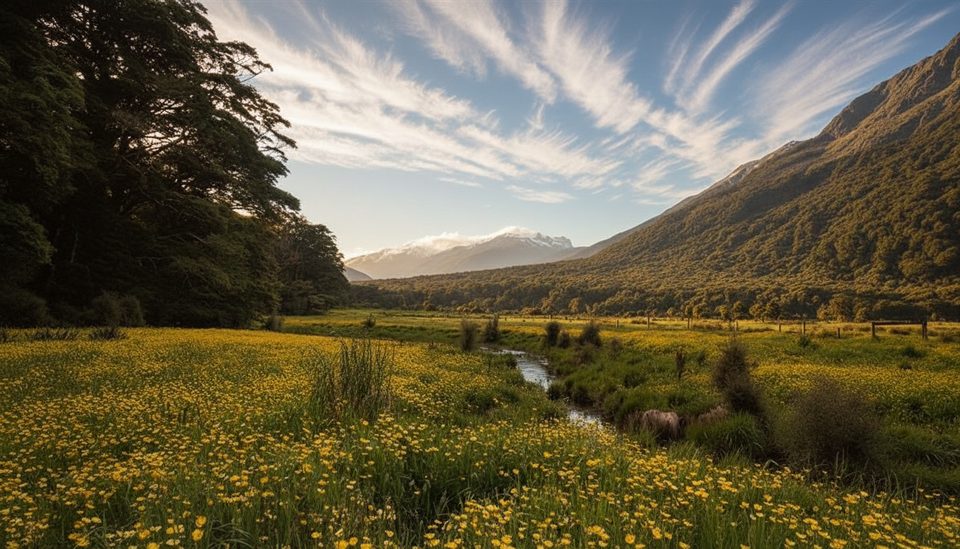
Easy · 13.2 mi away
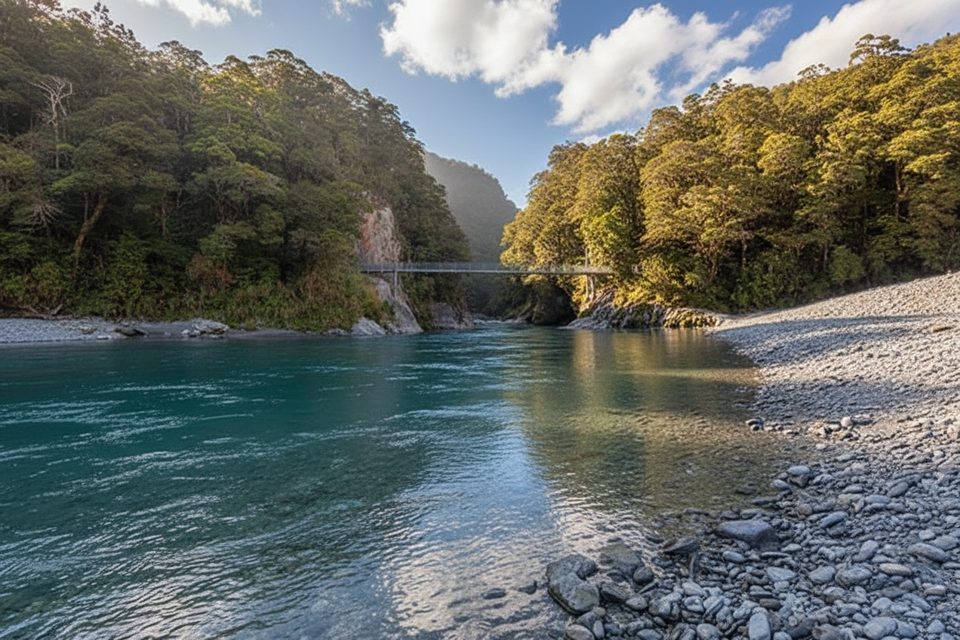
Easy · 14.1 mi away
Challenging · 20.1 mi away

Parkwolf Tour Guide
