
Place · 1.4 mi away
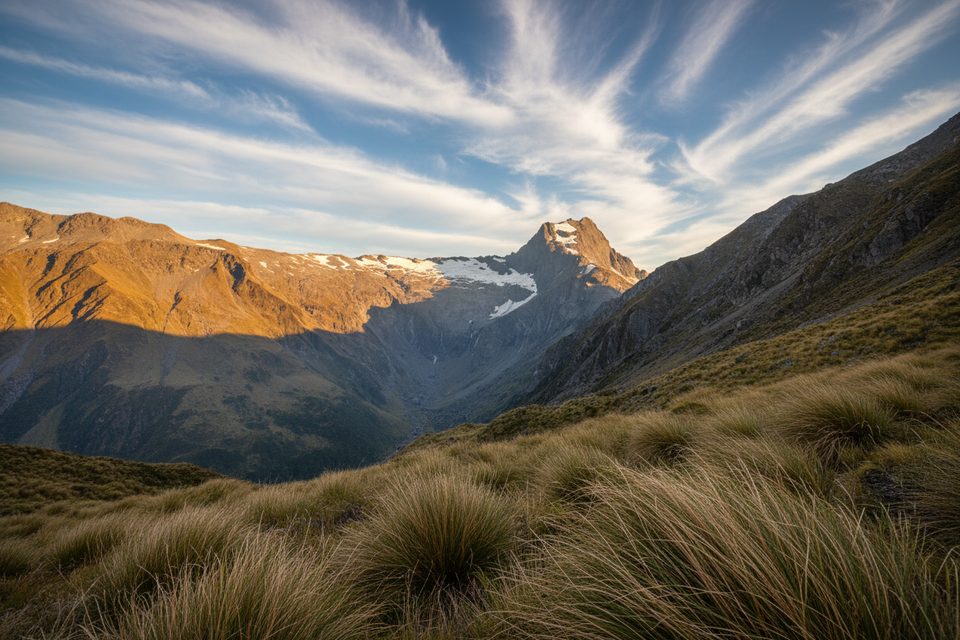
Gillespie Pass is the dramatic high point of the Gillespie Pass Circuit, a demanding loop linking the Young, Siberia, and Wilkin valleys near Makarora. Expect serious tramping: roughly 56–58 km over 3–4 days with about 2,280 m of climbing. The payoff is huge—wide alpine vistas, braided rivers, waterfalls, and that satisfying feeling of crossing real mountain country.
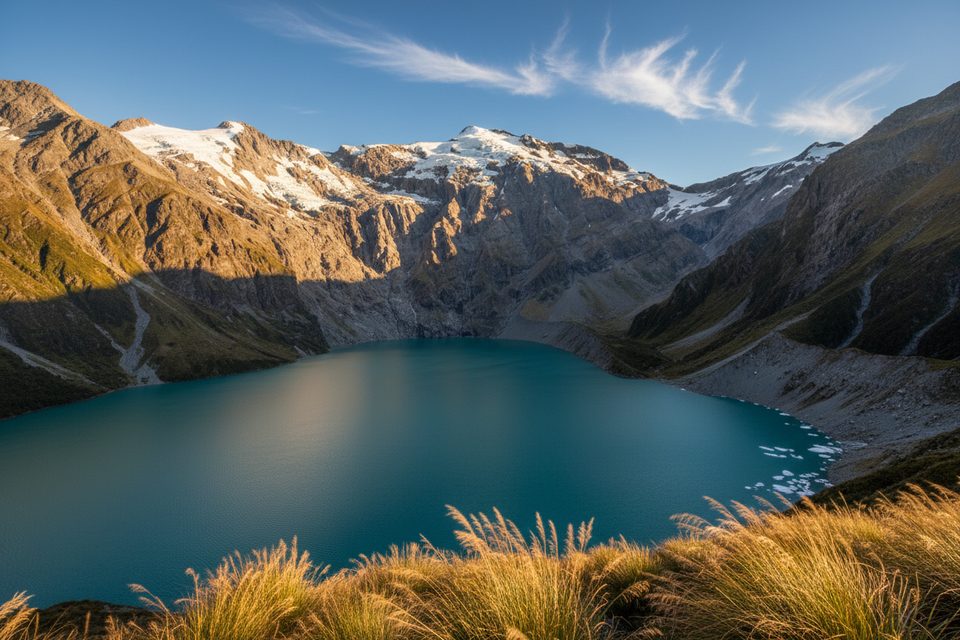
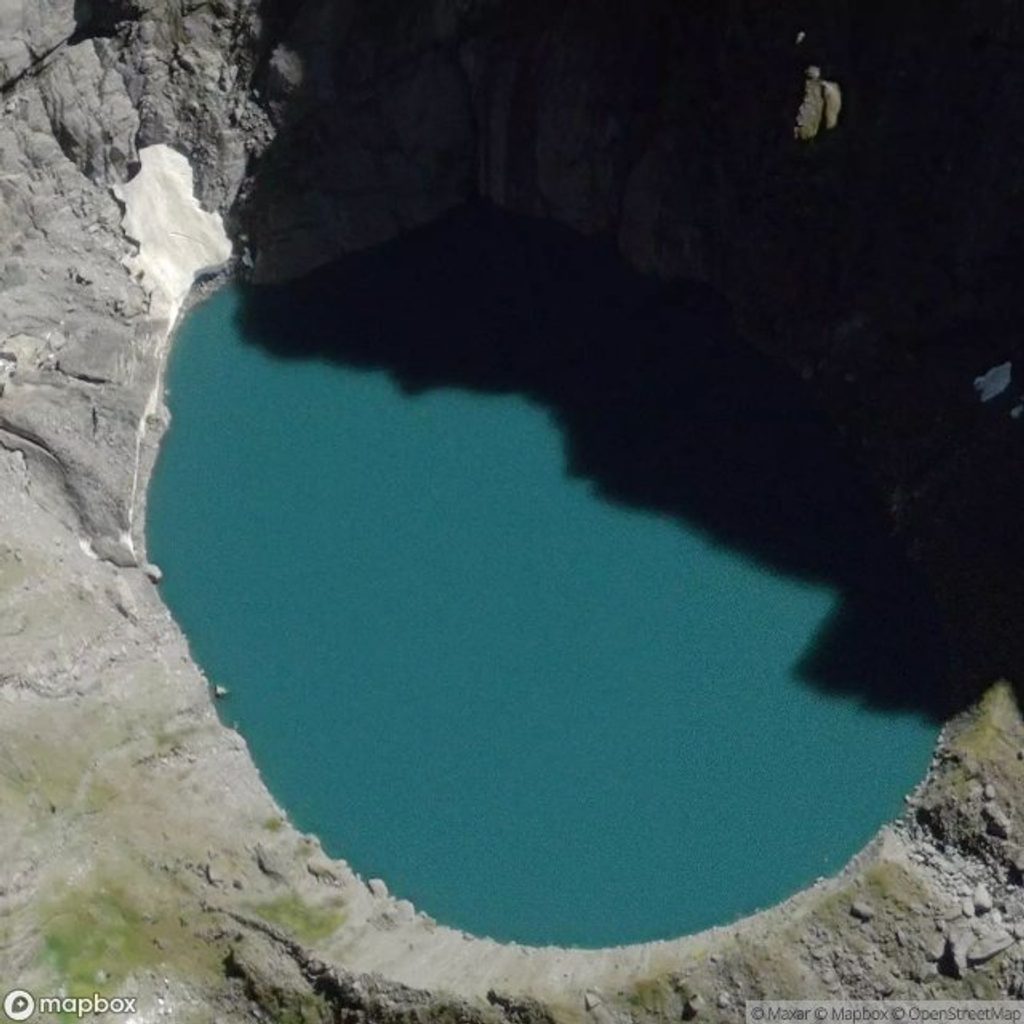
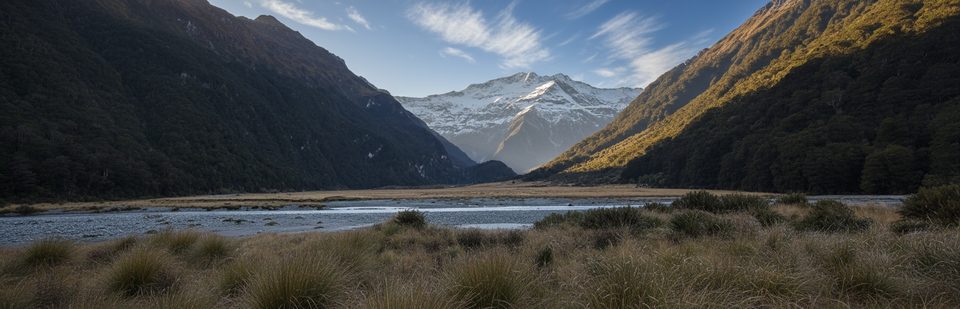
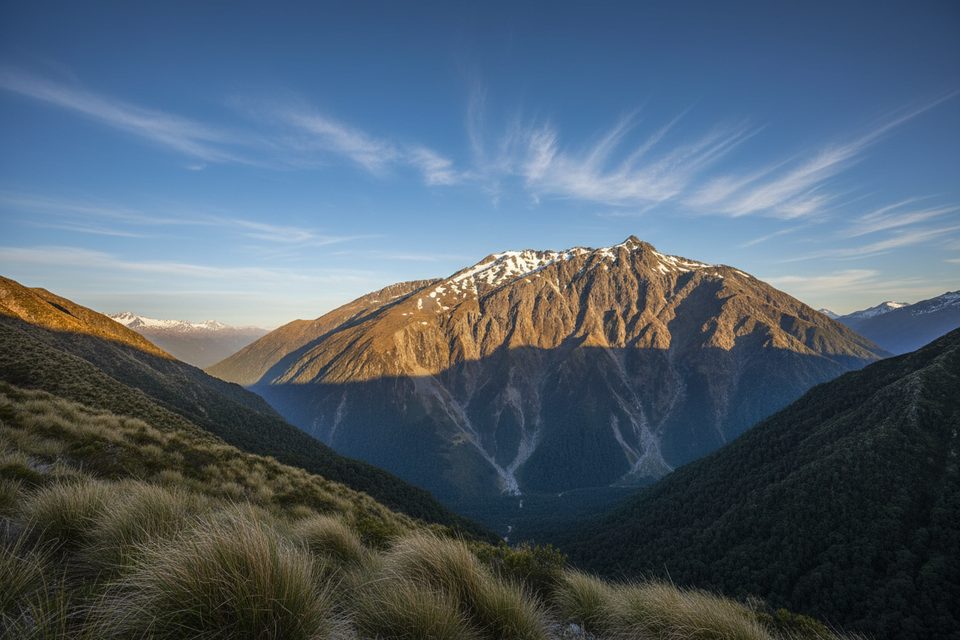
The climb breaks through beech forest to open tussock and herbfields, then tops out on a lofty saddle with sweeping views—on clear days you’ll be staring straight at peaks like Mount Awful and Mount Dreadful. The descent eases you into the broad Siberia Valley. Side valleys hold glacial features and moraine walls, most notably on the route to turquoise Crucible Lake.
Most trampers go anti‑clockwise: Makarora → Young Hut → over Gillespie Pass → Siberia Hut → Wilkin Valley, finishing with a long flat exit or a pre‑booked jetboat. Typical DOC times are: Makarora to Young Hut 6–7 hr (~20 km); Young Hut to Siberia Hut 6–8 hr (~12 km) over the pass; Siberia Hut to Kerin Forks 2–3 hr (~7 km); Kerin Forks to SH6 4–5 hr (~15 km). Many parties find the Young–Siberia day takes longer than signs suggest—start early.
The first and last hurdles are rivers. The Makarora and Wilkin can become uncrossable quickly after rain, and past fatalities underscore the risk. If the Makarora is high, options include waiting, taking the Young River Link Track (swing‑bridge access that removes one Makarora ford), or arranging a commercial jetboat. Some trampers also fly in/out of the Siberia airstrip. Book transport in advance; hut wardens won’t do it for you.
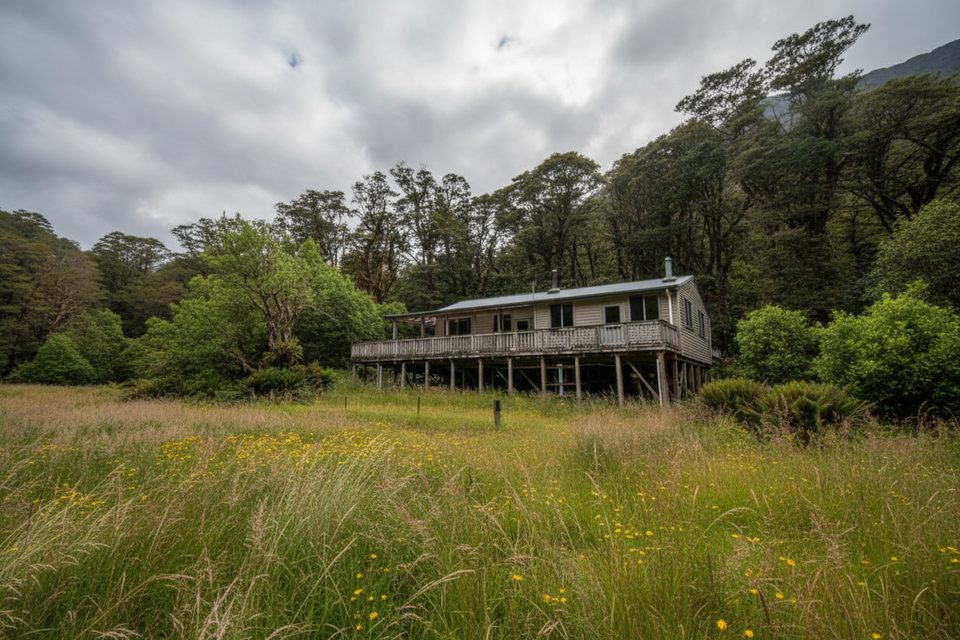
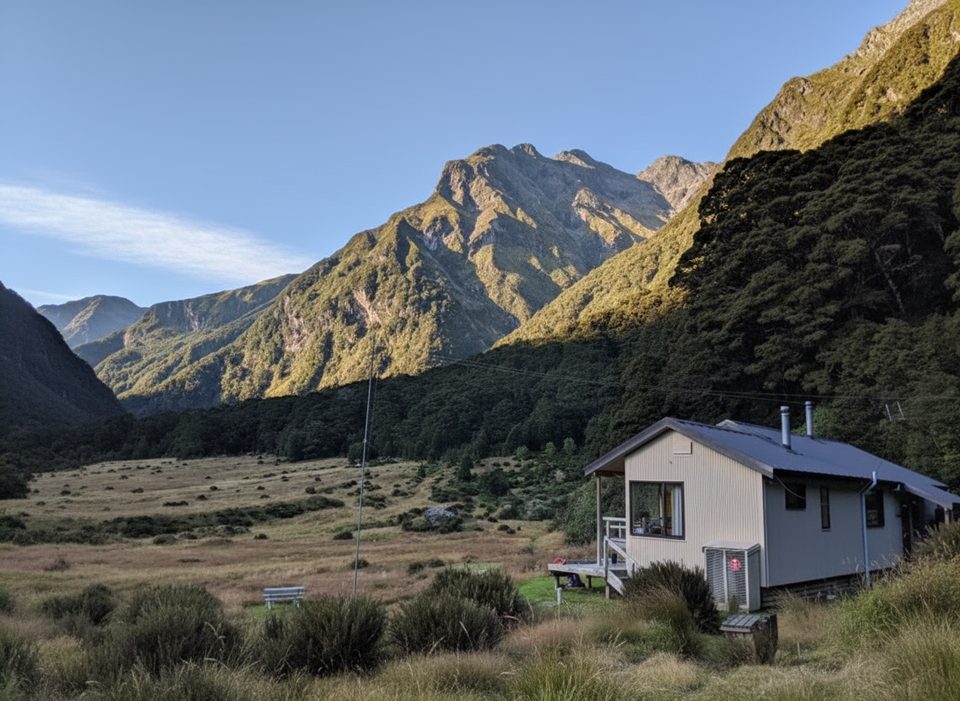
Serviced huts on route include Young Hut and Siberia Hut (book ahead in main season). Kerin Forks Hut sits across the Wilkin River. No camping is allowed around Young Hut; camping is permitted outside Siberia Hut with the correct tickets. Free camping is possible at spots along the track (e.g., Young Forks campsite has a shelter and toilet), but sandflies are relentless. Treat all water; the upper Young is usually your last reliable fill before the pass, and there is often no water above the bushline.
Best tackled December–April. From May to November the pass sits in avalanche terrain, and winter/spring bring snow and ice. Heavy rain drives rapid river rises; even small creeks near Siberia Hut can become uncrossable. A known landslide‑dam hazard exists in the Young North Branch during heavy rain—avoid the valley floor and move through quickly. Weather swings fast year‑round, so carry full waterproofs, warm layers, and an emergency beacon.
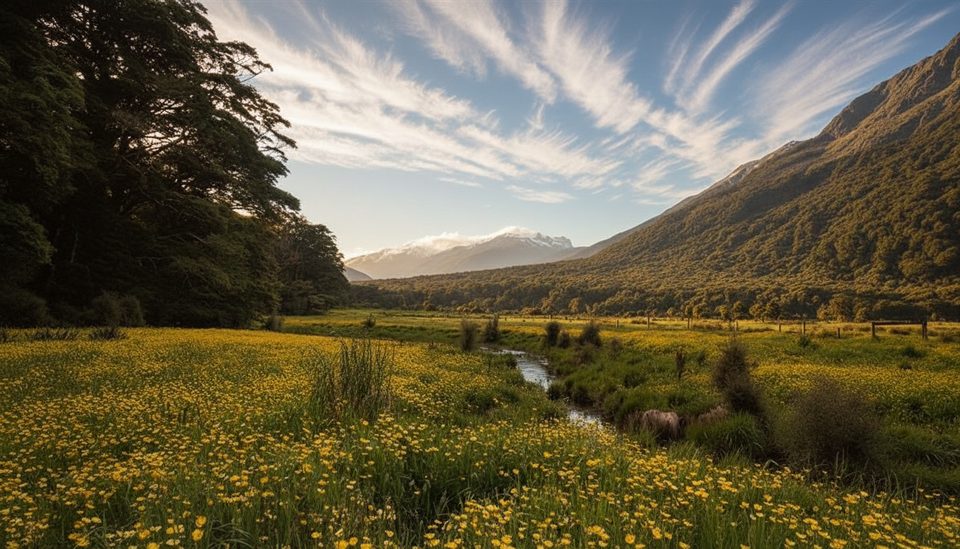
Keep an eye out above the bushline for kea, rock wren (pīwauwau), and pipits. In season you’ll find alpine berries and classic South Island beech forests giving way to tussock slopes and glacial landforms around Crucible Basin.
Pick a stable high‑pressure window between December and April. Plan to crest the pass early in the day for firmer conditions and more margin if weather or rivers turn. Huts can fill in peak season—book early—and consider a jetboat exit if you’d rather trade the final long flats for extra time at Crucible Lake.
From Siberia Hut, allow a full day return via steep beech, stream crossings, and a moraine wall to a striking blue alpine tarn. It’s fragile country—no camping in Crucible Basin.
Place · 1.4 mi away
Place · 3.5 mi away
Place · 3.8 mi away
Place · 3.8 mi away
Easy · 9.5 mi away
Challenging · 9.6 mi away
Easy · 10.4 mi away
Challenging · 16.3 mi away

Parkwolf Tour Guide
