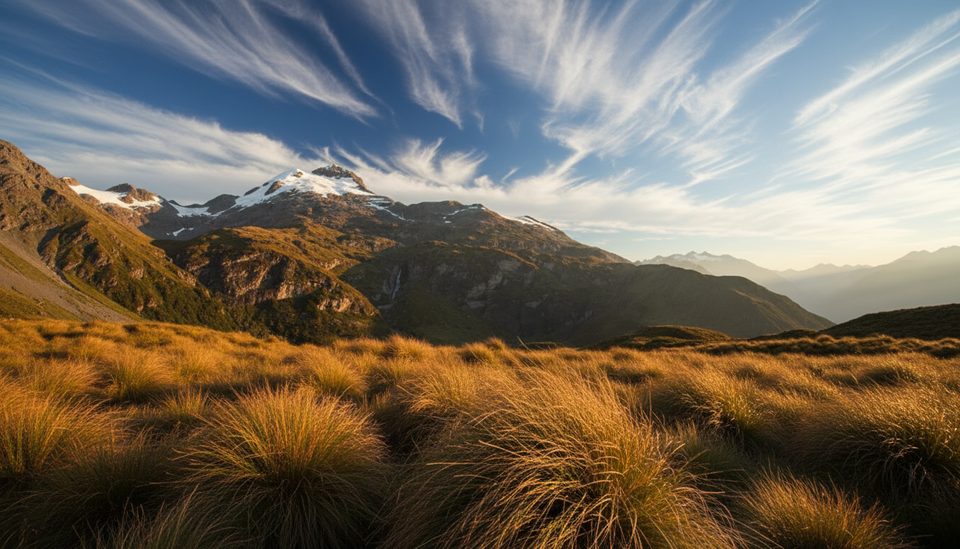
Kea Basin

Subalpine basin of waterfalls, tussock and glacier views
Kea Basin, Mount Aspiring National Park
InsideMount Aspiring National Park

Overview

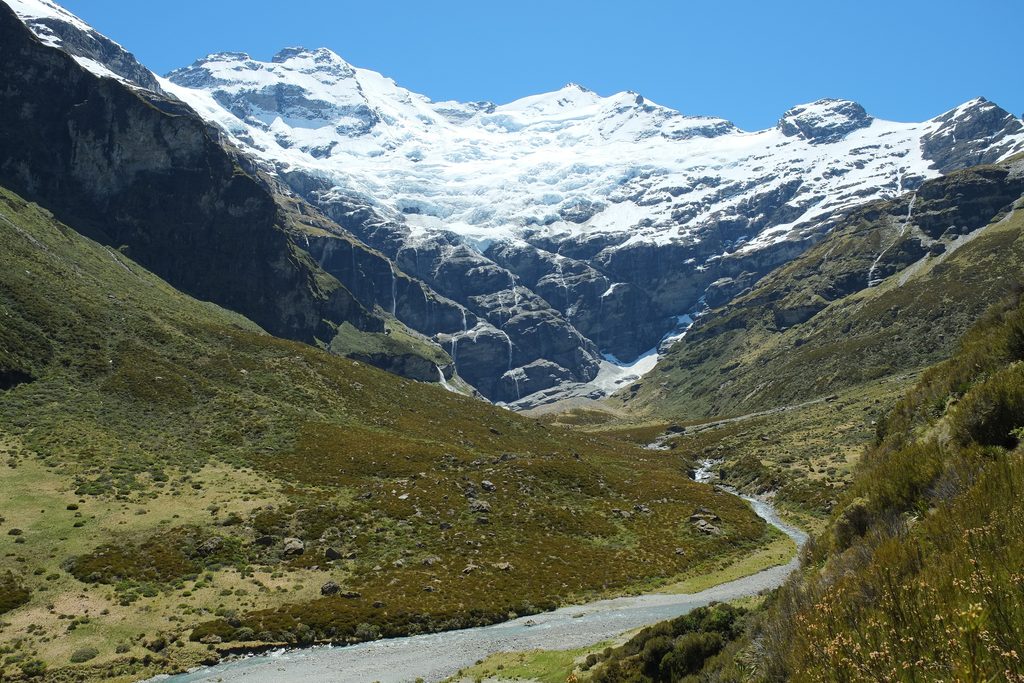
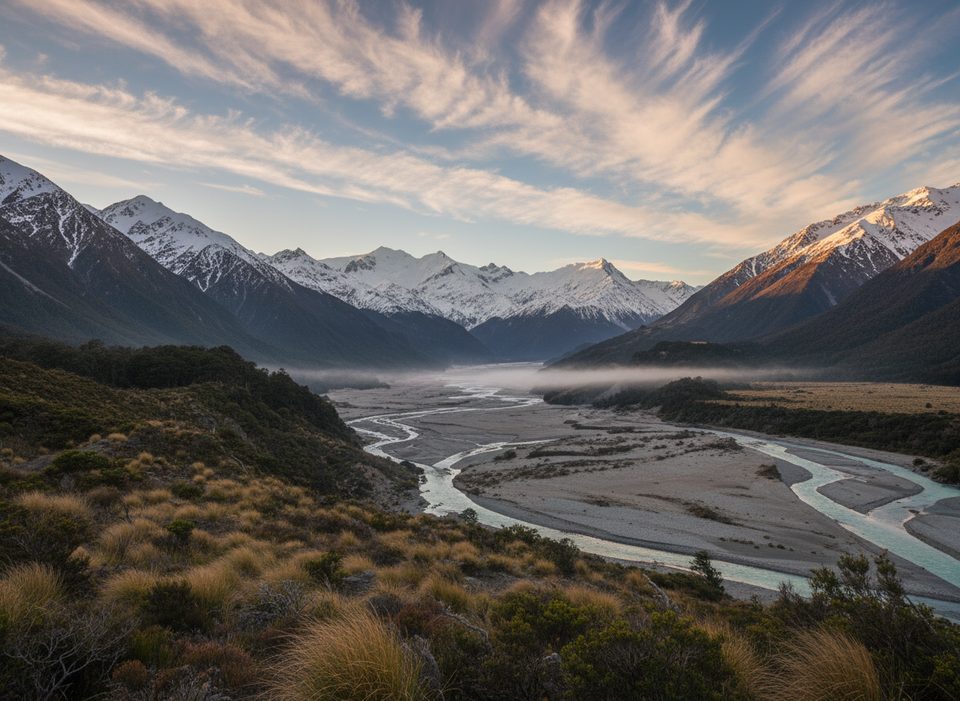
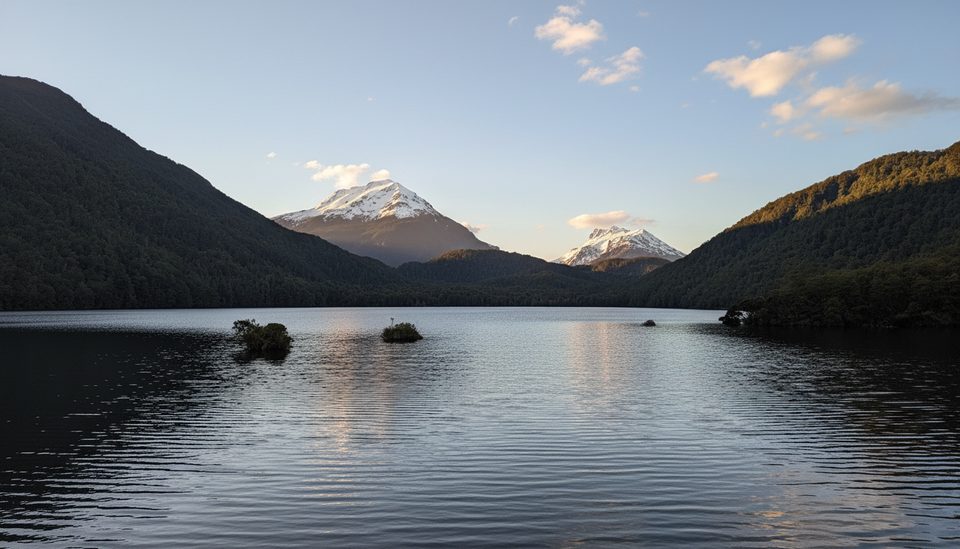
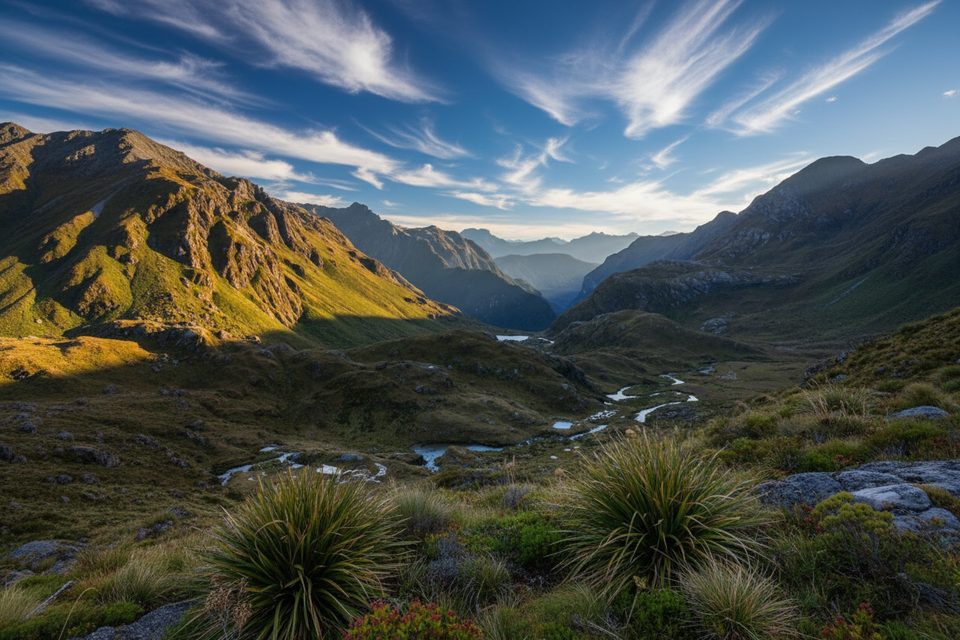
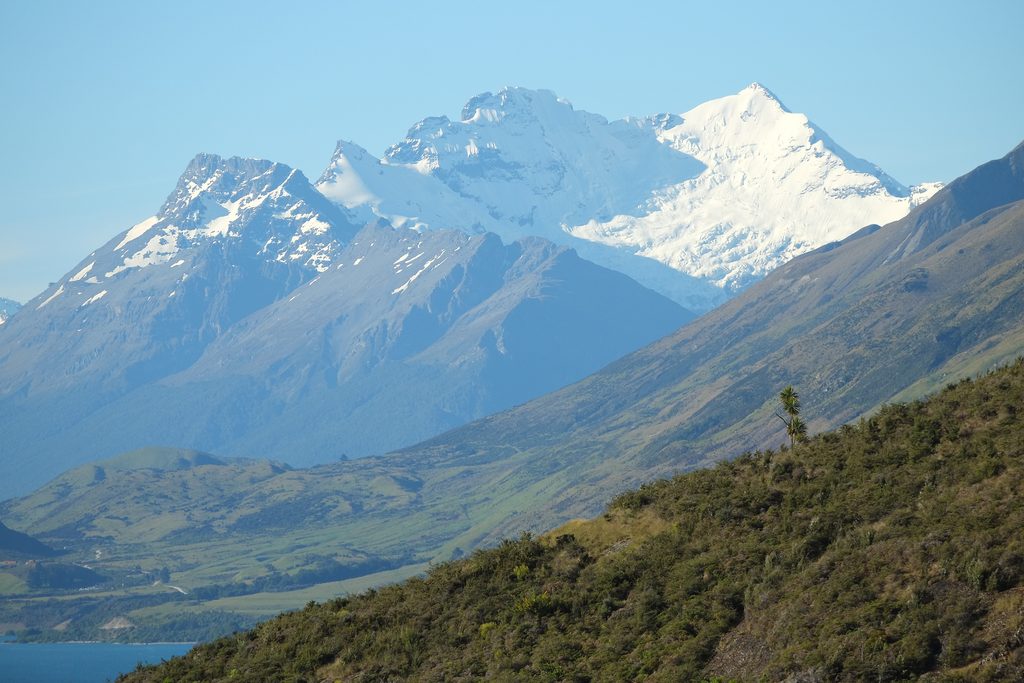
Kea Basin is a sub‑alpine tussock bowl tucked beneath Mt Earnslaw/Pikirakatahi, reached via a steady zigzag climb from the Rees Valley. Expect lush meadows, the roar of Lennox Falls, and big‑ticket glacier scenery once you break the bushline. It’s a rewarding outing for strong trampers who don’t mind getting their feet wet.

Getting There & The Route

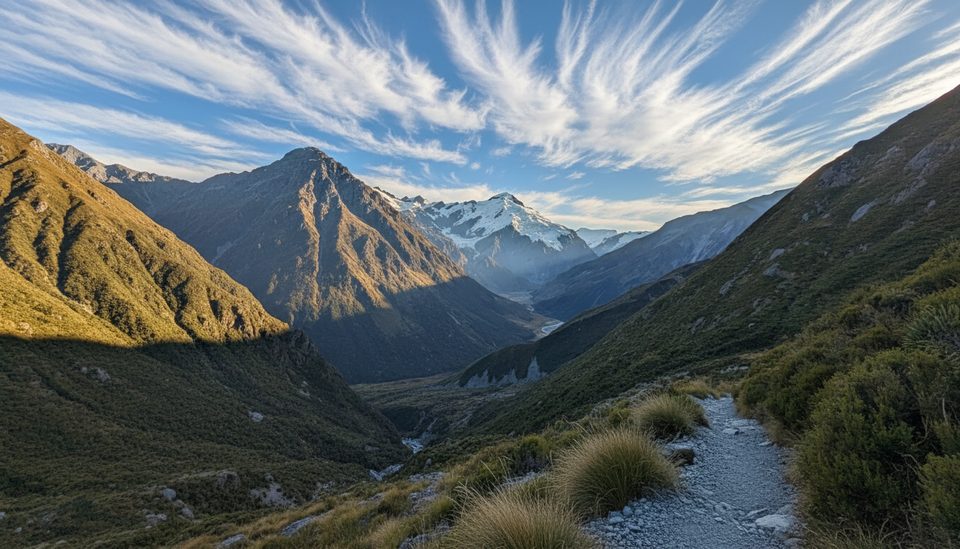
Start from Muddy Creek carpark (toilets at the trailhead), reached on the gravel Rees Valley Road with several fords that can become impassable after rain. Follow the Rees–Dart Track up‑valley, then locate the Kea Basin Track on the low terrace north of Lennox Falls. A boggy paddock precedes the terraces; look for orange poles and the DOC sign. The climb is mostly benched switchbacks through beech forest, occasionally overgrown or with slips, but generally straightforward.

DOC suggests 8–10 hours return for the day trip, with roughly 600 m of gain over about 24 km return. You’ll likely ford the Rees River at least once—knee to mid‑thigh in good summer conditions, but completely unsafe in flood.

What You’ll See

  • Beech forest giving way to a wide tussock basin and views to waterfalls and hanging glaciers.
  • A classic alpine feel without committing to glacier travel if you stop at or just above the basin.

Huts, Bivvies & Camping

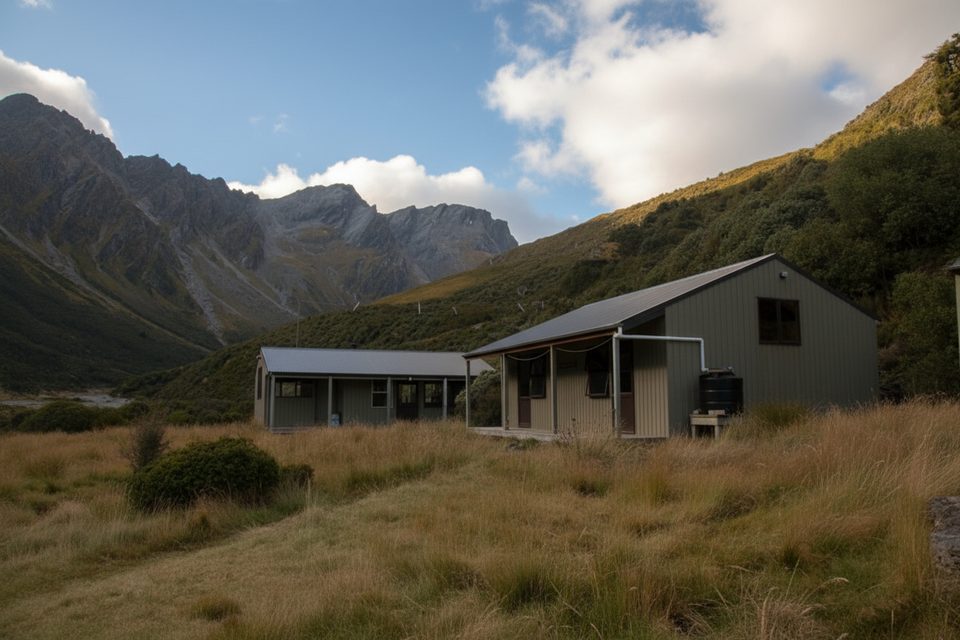
  • Earnslaw Hut sits about halfway up: very basic four bunks, fireplace, no mattresses, no toilet; water from a nearby stream.
  • Kea Basin Rock Bivvy is just above the bushline and can sleep about four; no toilet, water from a spring or nearby stream.
  • An upper rock bivvy higher toward Mt Earnslaw is smaller (tight for three) but with even bigger views.
  • Flat, non‑boggy tent sites exist near the basin stream; expect sandflies in warm, settled conditions. Follow strict Leave No Trace and treat/filter water.

Hazards & Seasonality

  • River crossings: the Rees rises fast—set clear turn‑back criteria.
  • Avalanche terrain affects parts of the track from May to November.
  • Road fords can strand vehicles if rain arrives; plan for a dry‑weather window.

Cultural Note

Kea Basin adjoins the Mt Earnslaw/Pikirakatahi Tōpuni, acknowledging the mountain’s historic and cultural importance to Kāi Tahu.

Best Time to Visit

Aim for a settled summer window when rivers are low and avalanche hazard is minimal. Start early to comfortably cover the DOC‑estimated 8–10 hour return and to leave margin for any river recrossings. Dry, clear days showcase the waterfalls and glacier views; explore a little above the bushline for the best outlooks if conditions allow.

Pros

  • Subalpine meadows with waterfalls and hanging glacier views
  • Rock bivvies just above bushline for simple overnight shelter

Cons

  • Rees River crossings can be impassable after rain
  • No toilets or facilities in the basin or bivvies

Tips

  • Plan around river levels; never attempt the Rees in flood.
  • Find the terrace turnoff near Lennox Falls—orange poles mark the start.
  • Carry a tent even if aiming for a rock bivvy; space is limited.
  • Treat all water and pack out waste—there are no toilets in the basin.
  • Expect sandflies; bring repellent and cover up in calm, warm weather.
The Parkwolf tour guide sitting on a phone mounted in a car

Parkwolf Tour Guide

Like a tour guide in your car.

Save the places you found around Mount Aspiring, then let Parkwolf guide the drive between them.Download Parkwolf on the App Store