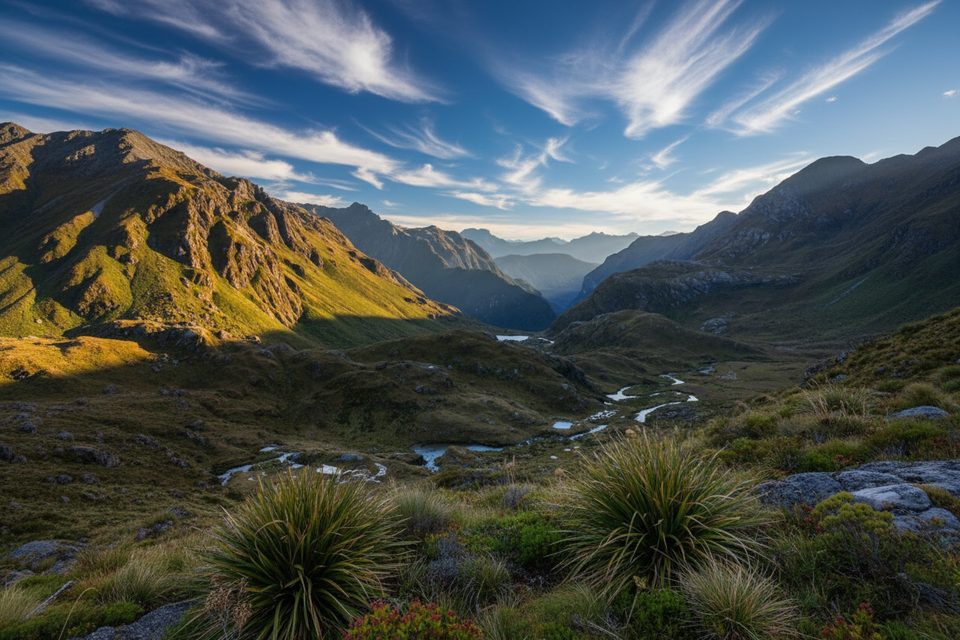
Overview
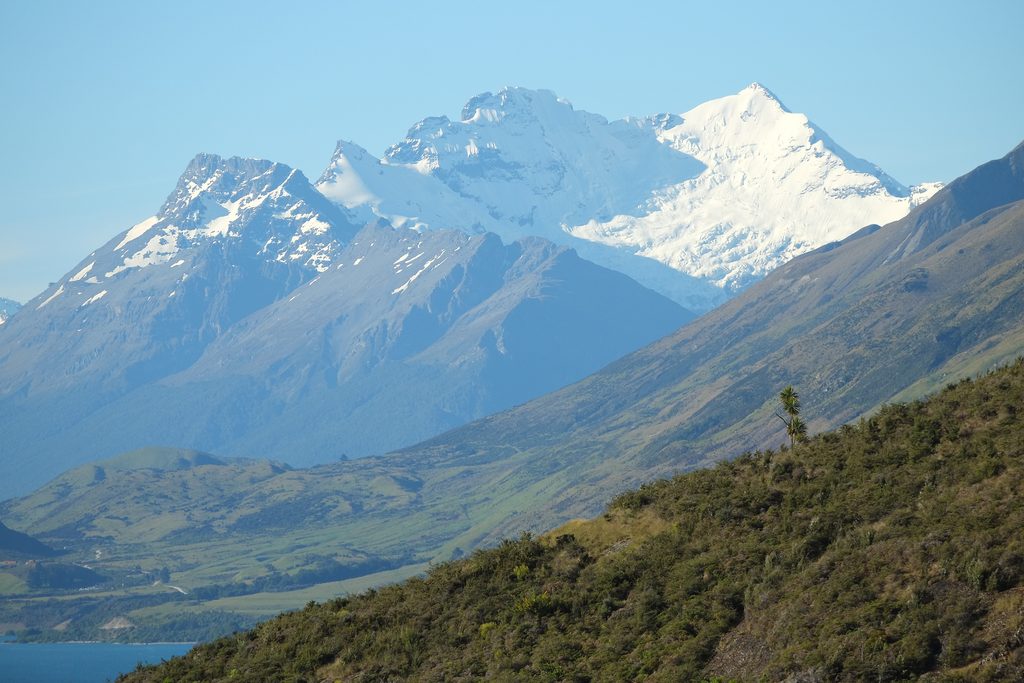
Mount Earnslaw / Pikirakatahi is a rugged, twin‑peaked 2,819 m (9,249 ft) alpine giant north of Glenorchy. Its higher East Peak and slightly lower—but tougher—West Peak rise above a glaciated south face and dominate the headwaters of the Rees and Dart valleys. The mountain carries deep history: early attempts date to the 1880s; the East Peak was first climbed by guide Harry Birley in 1890, the West Peak in 1914, and the first traverse between the summits was completed in 1932.
Ways to Experience It
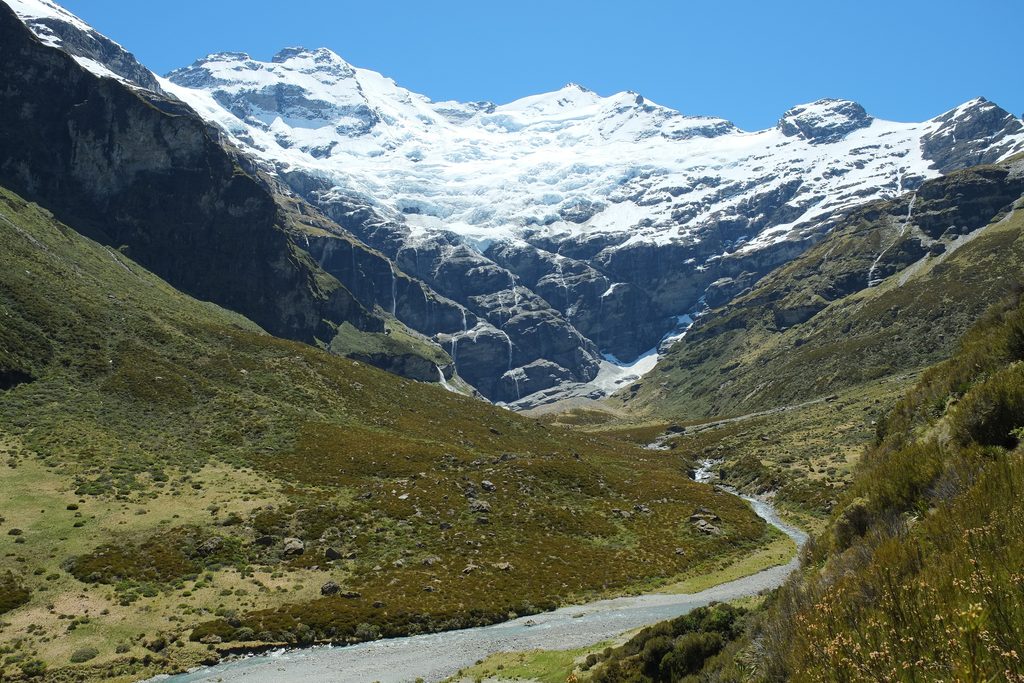
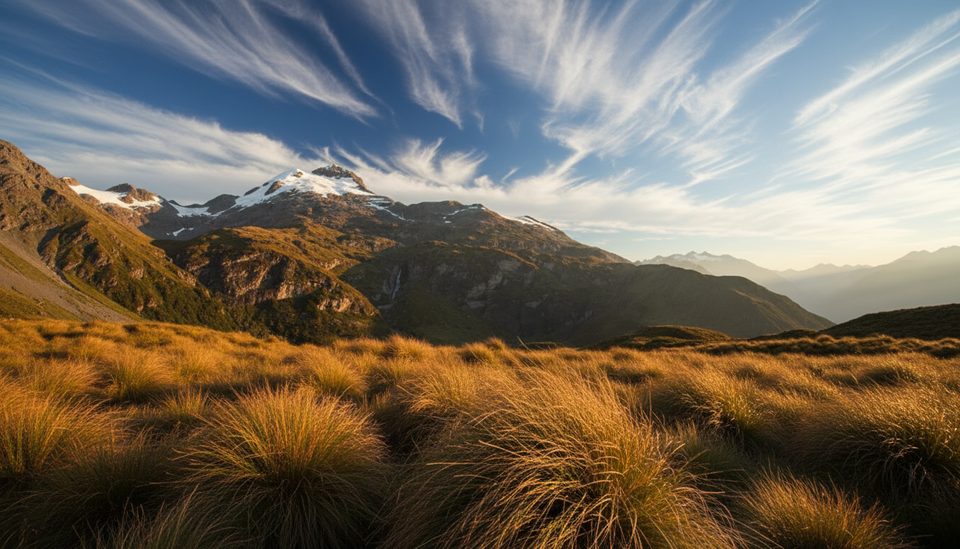
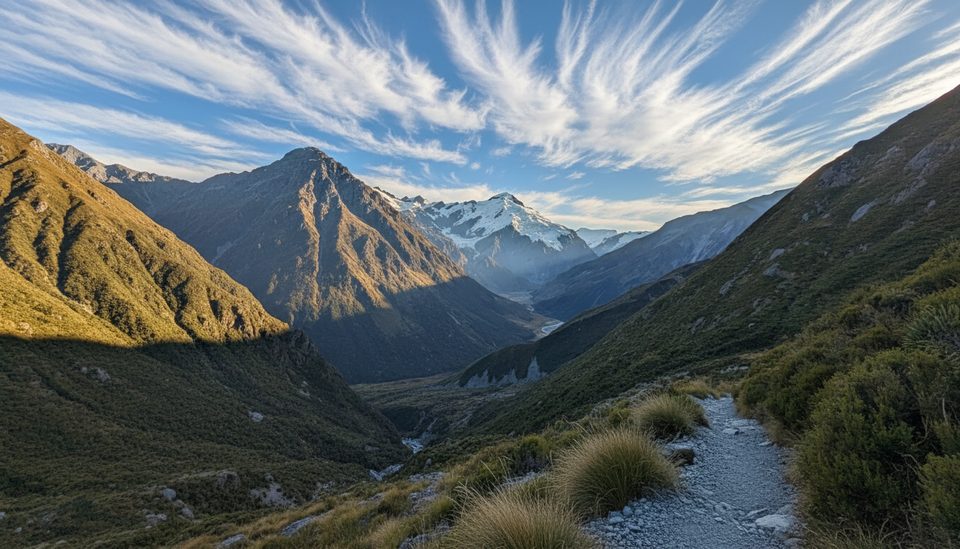
- Kea Basin (half‑day): From the Rees Track you branch to the Kea Basin Track, climbing through bush and zigzags near Lennox Falls to tussock benches with front‑row views of the Earnslaw glaciers. A basic, free Earnslaw Hut (4 bunks) sits roughly halfway, and there’s a rock bivvy just above the bushline.
- Earnslaw Burn (overnighter): A rough, sometimes muddy track from near Paradise breaks out to a vast cirque where multiple waterfalls pour from the Earnslaw Glacier—an unforgettable camp on the upper flats. Expect occasional helicopter landings in the valley.
- Summit Missions (experienced parties only): Classic lines on the higher East Peak include the North Face (scrambling through bluffs to easier upper slopes), the East Face via Wright Col and the Birley Glacier, and the South East Ridge (variations via Lennox Pass and Black Peak, where rock is notoriously loose). The traverse between peaks is a committing ridge route; the lower West Peak is more technical despite its height.
Access & Logistics
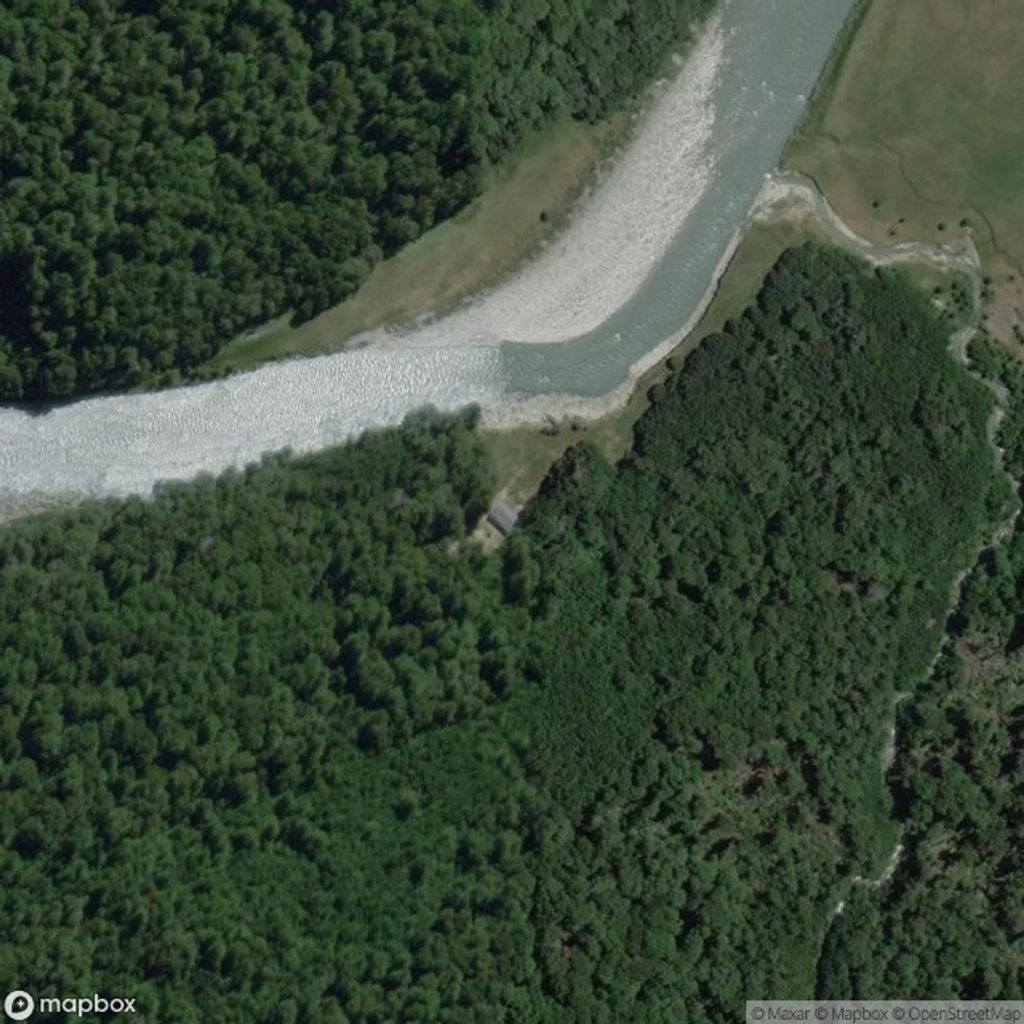
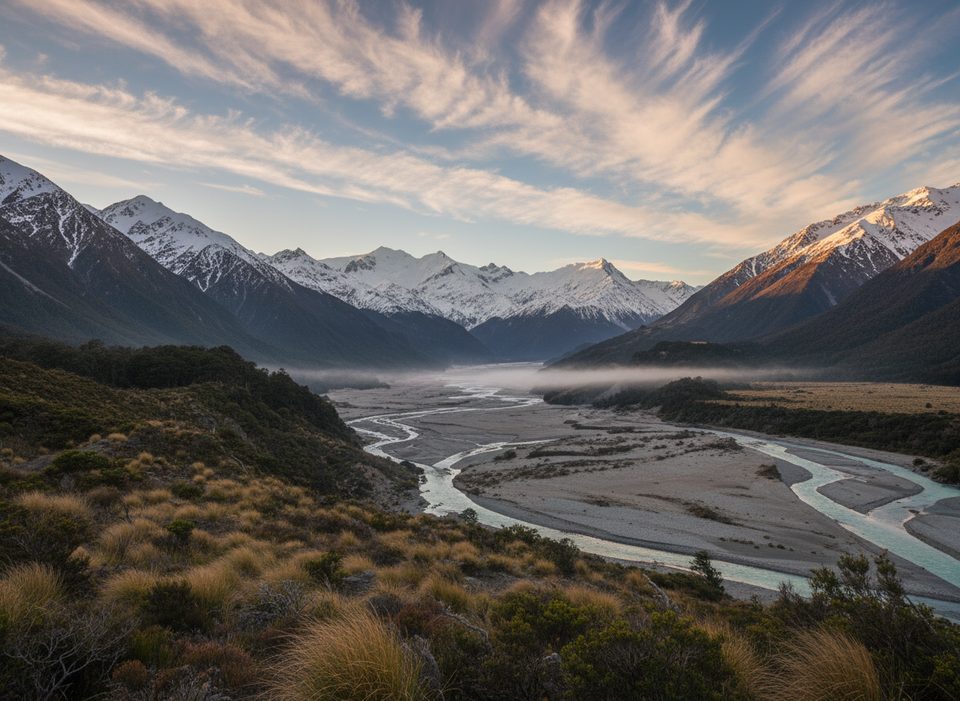
- Primary access is via the Rees Valley trailhead at Muddy Creek at the end of Rees Valley Road (gravel with fords). From there, follow the Rees Track toward the Kea Basin turn‑off. River crossings—especially the Rees—can be hazardous in flood or rapid melt; when high, a safer but longer upstream footbridge is the better option.
- Common high bivvy points include the Kea Basin rock bivvy and Esquilant Bivvy near Wright Col, often used on summit attempts.
- No permits are required to climb, but it’s recommended to leave your intentions with the DOC office in Glenorchy.
Season & Conditions
- Optimal climbing season is December through February; a broader typical window runs November–April. Avalanche terrain affects approaches roughly May–November, and weather can change rapidly any time of year.
Notes & Context
- The mountain and surrounding valleys have featured as filming locations, adding a bit of cinematic lore to an already dramatic landscape.
Is It Worth It?
If you want big mountain drama without a summit push, Kea Basin or an Earnslaw Burn overnight delivers immense views and atmosphere. For skilled alpinists, East Peak offers classic New Zealand routes with real objective hazards—serious, but rewarding when conditions align.
Best Time to Visit
- For tramping and climbing objectives, target December–February for the most reliable conditions. Outside that window, avalanche risk increases and river crossings become more consequential. Aim for settled weather, and always reassess plans after rain.