
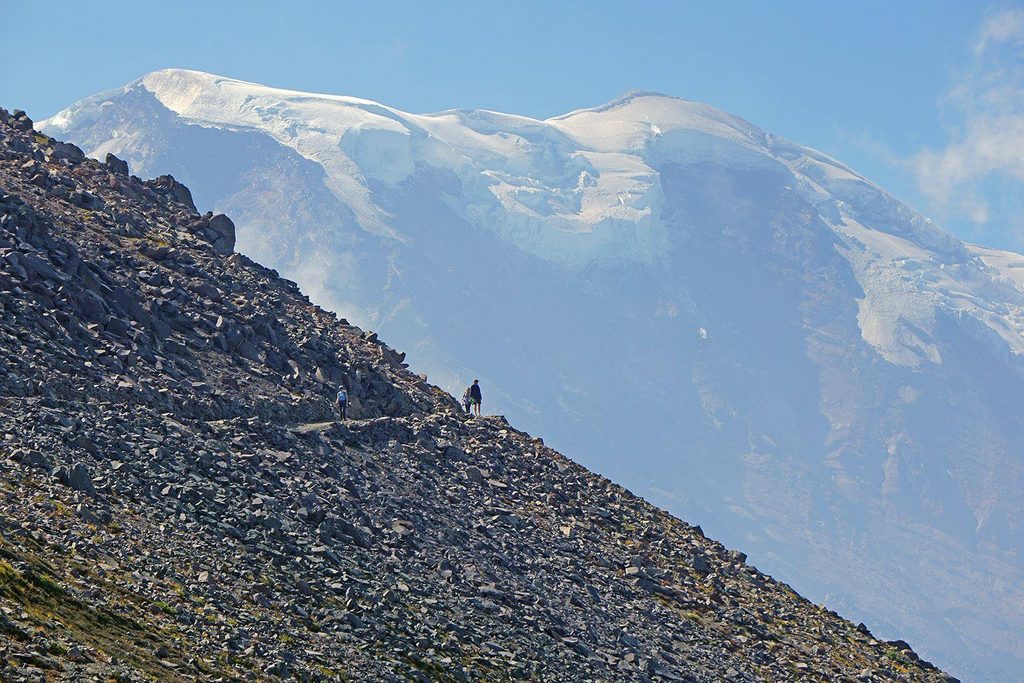
Place · 0.7 mi away
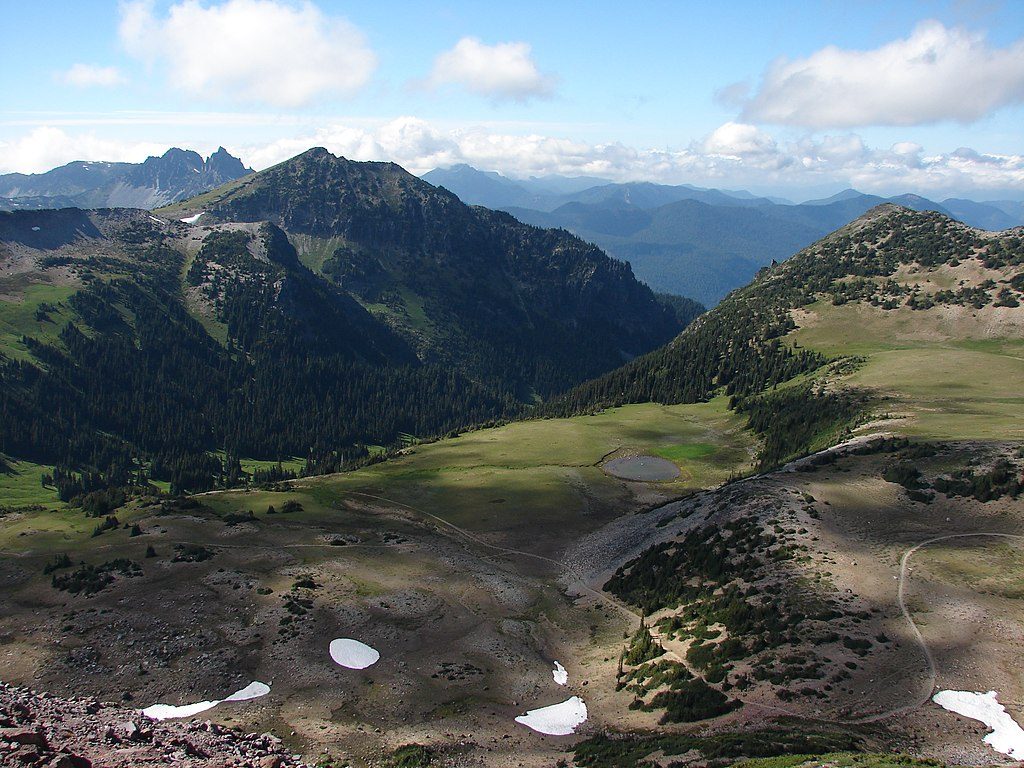
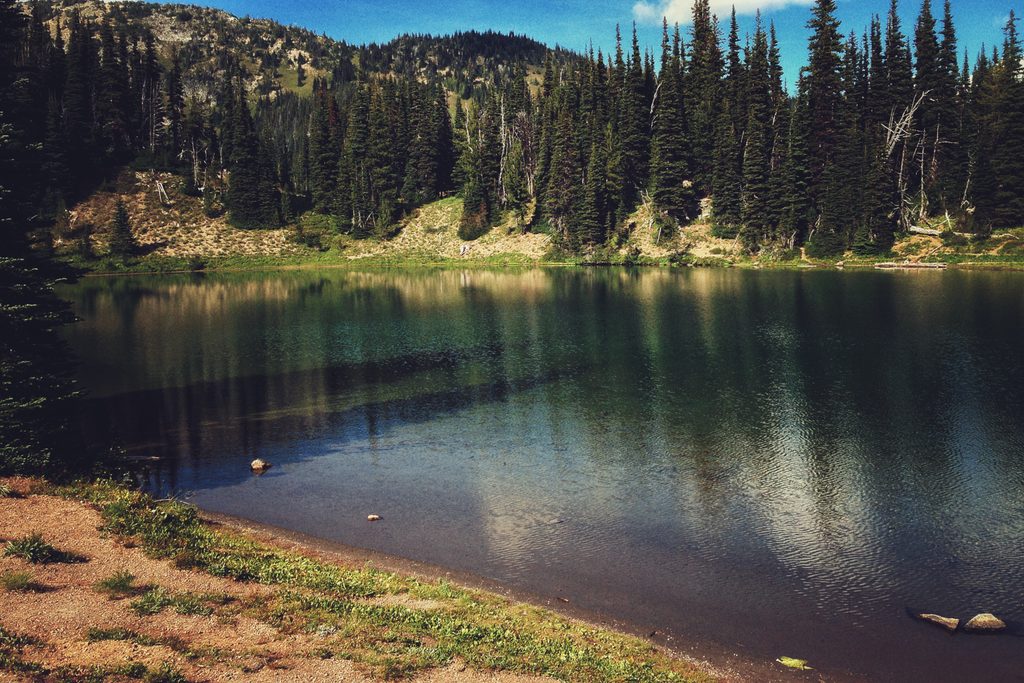
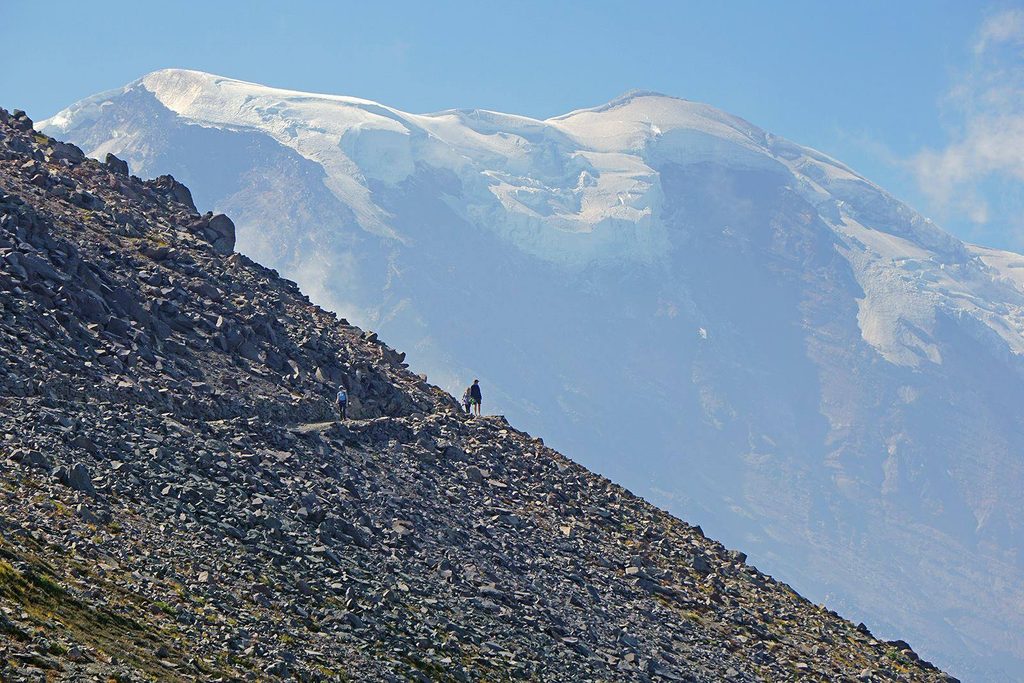
Berkeley Park is a lush, bowl-shaped alpine meadow tucked just beyond the bustle of Sunrise. You drop off the ridges and slip into a wide, green basin threaded with creeks and backed by big views of Rainier from the approach. It feels surprisingly peaceful for being so close to one of the park’s busiest hubs.
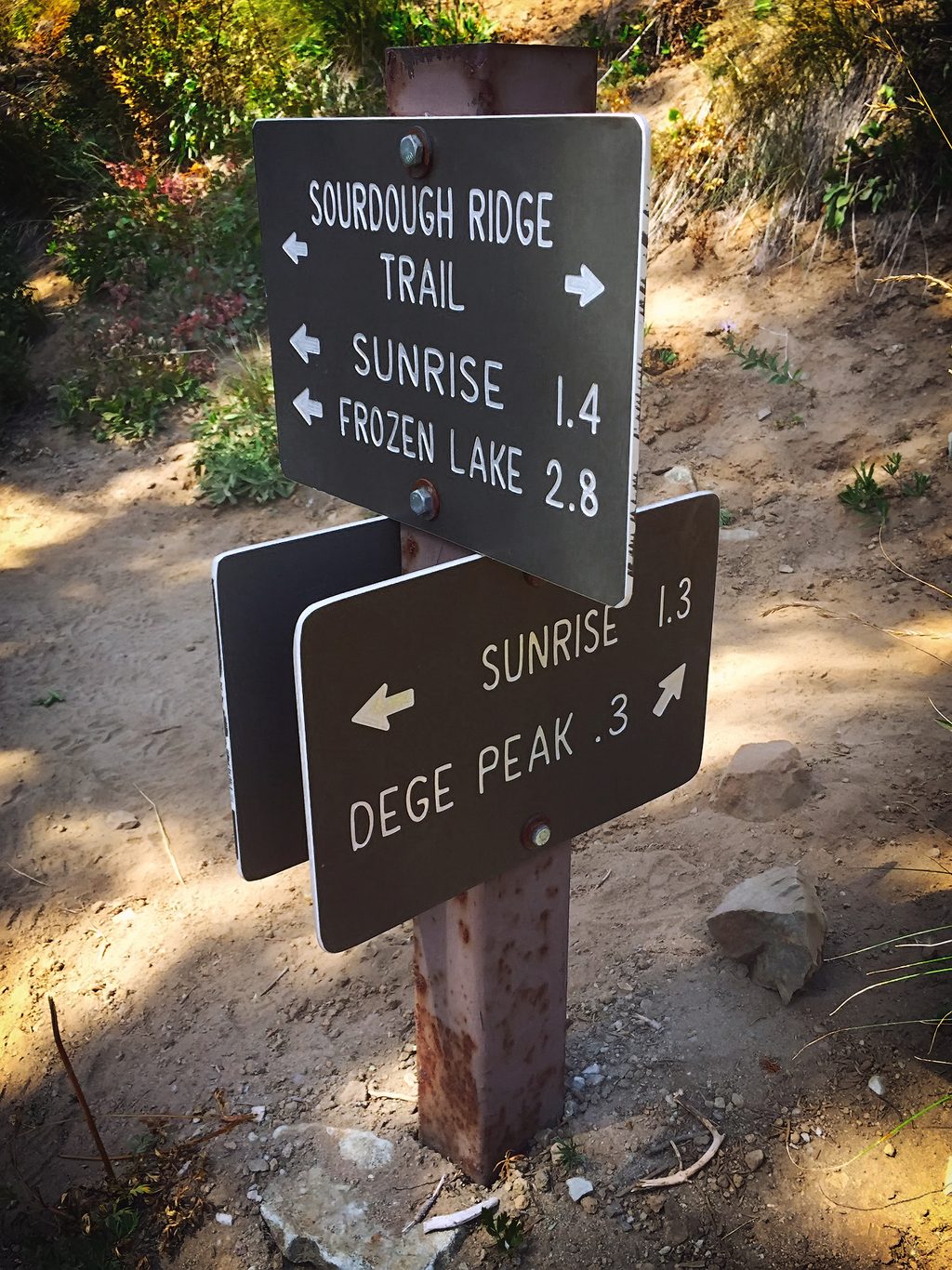
From Sunrise, follow the well-signed network past Frozen Lake and onto the Wonderland Trail toward the Northern Loop junction. Berkeley Park sits about 1.5 miles beyond that junction, reached by a notable descent into the basin. Typical day hikes run roughly 6.9–7.7 miles round-trip with 1,200–1,800 feet of cumulative gain—remember, the climb comes on the way back.
If you love Paradise meadows but want fewer people, this is your move. The floristic diversity here is a standout surprise for the Sunrise side, and the combination of open basin, running water, and big-mountain backdrop makes it a summer favorite. Crowds thin dramatically after the Frozen Lake junction, so the farther you commit, the quieter it gets.
There’s a designated backcountry camp (“Berkeley Park Camp”) along the Wonderland/Northern Loop corridor in the basin. Overnight stays require a wilderness permit; bring your own water treatment and follow food-storage rules. It’s a great way to soak up a sunset and dawn in the meadows without the day-hiker rush.
Parking at Sunrise fills early and lines at the entrance happen in peak season. The hike’s defining feature is that downhill drop into the basin—beautiful on the way in, a workout on the way out. Conditions on trails and backcountry camps can change quickly; check current park updates before you go.
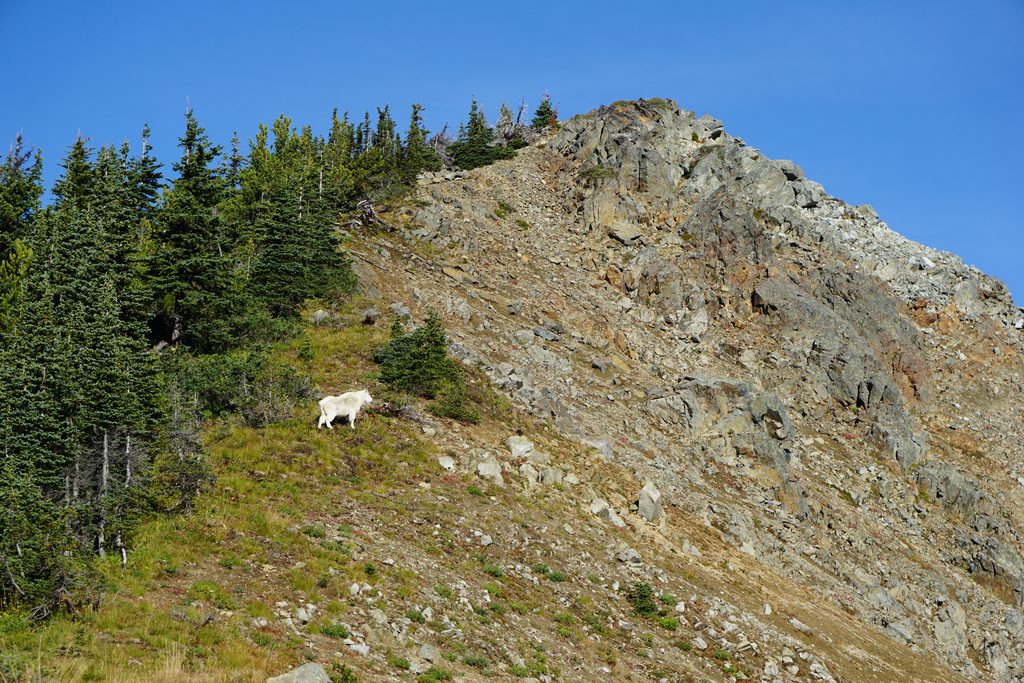
This is marmot and pika country—listen for the whistles and watch the talus. Give all wildlife plenty of space and keep meadows pristine by staying on established paths.
Place · 0.7 mi away
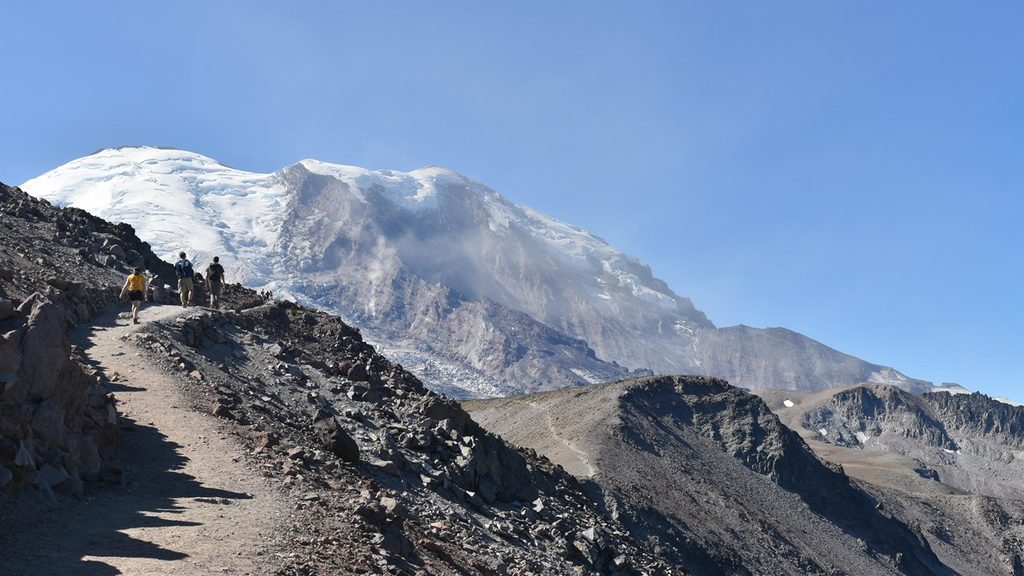
Place · 0.7 mi away
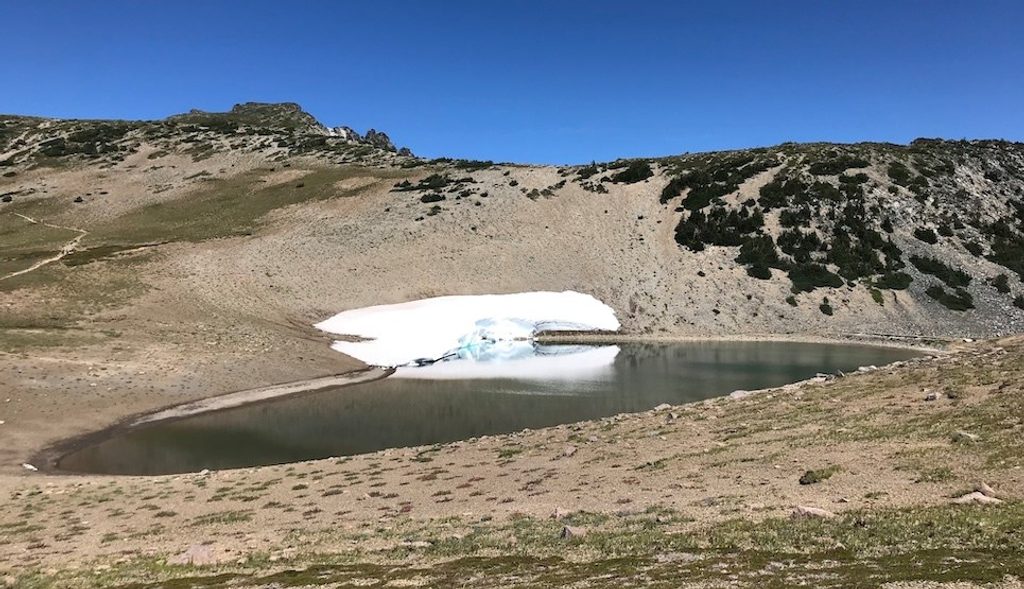
Place · 0.9 mi away
Place · 1.3 mi away
Easy · 1.9 mi away
Easy · 1.9 mi away
Challenging · 2 mi away
Moderate · 2 mi away

Parkwolf Tour Guide
