Parking
Start at the Sourdough Ridge Trailhead on the north side of the Sunrise parking lot; the loop returns by Sunrise Rim and Emmons Vista. Restrooms are by the lot, with no facilities along the trail.
#4 of 99 trails in Mount Rainier
Mount Rainier National Park, WA
A high ridge walk puts Rainier and its glaciers front and center.
Overview
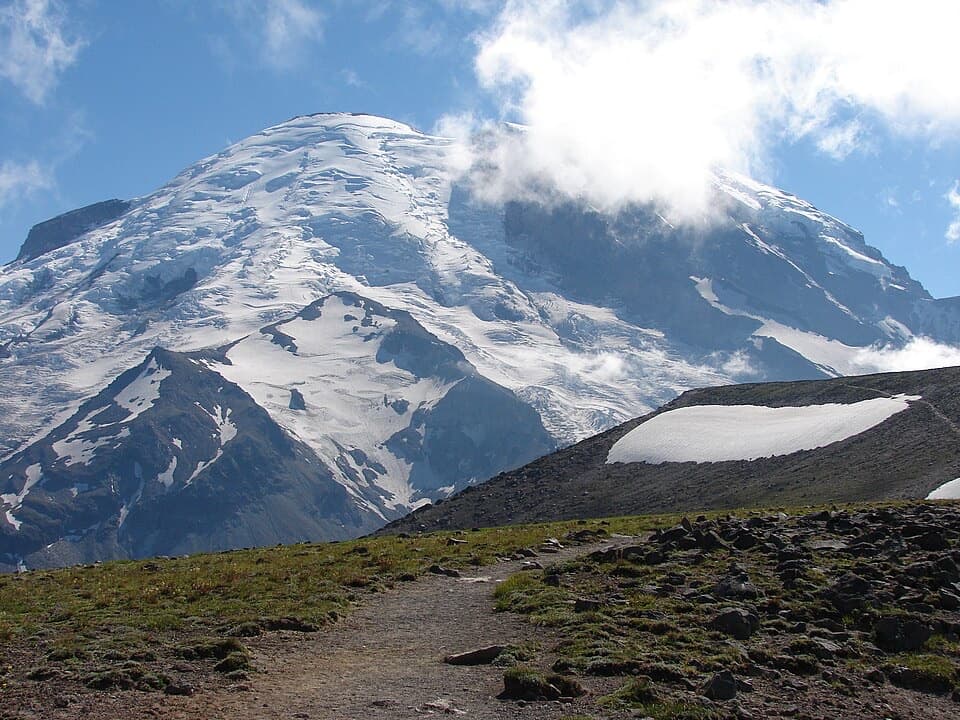
Burroughs Mountain is a high, open loop from Sunrise: climb Sourdough Ridge to Frozen Lake, cross First Burroughs, take the spur to Second, then return by Sunrise Rim. The mapped version is about 6.2 miles round trip, with roughly 1,400 feet of cumulative climbing. Allow four to five hours with breaks. The best reason to come is how close Rainier’s glaciers feel from the broad, treeless ridge. If you want a short stroll, stop at First; if you want a full half-day hike with a big mountain view, continue to Second.
 Parkwolf’s verdictIs this the Burroughs hike for you?
Map & elevation
Plan your hike

The highest, rockiest slopes around here are a summer buffet for grizzly bears.
Mount Rainier Tour Guide
Parkwolf is a GPS audio tour guide for Mount Rainier National Park. As you drive, it chimes in with what’s ahead: hidden gems, upcoming stops, history, geology, and wildlife, right through your car’s speakers.
See the Mount Rainier audio tourRecorded for this trailhead
Sunrise: Walk to Emmons Vista“Sunrise is ahead, with the visitor center and day lodge at sixty-four hundred feet. For a short visit, I'd take the half-mile round trip to Emmons Vista and continue past the first overlook to the second.”
Plays as you drive up to this trailhead in the Parkwolf Mount Rainier Tour Guide.
More stories near here in the app
“Fantastic app with many points of information… It’s great to just turn on while you’re driving and it gives you an audio tour of the national Park. We love it!!!!”


Trail guide
Start at the Sourdough Ridge access on the north side of the Sunrise parking lot. The first stretch is wide, dusty in places, and steadily uphill across open ground. It gains about 400 feet in a little over half a mile, so the altitude starts to count before the main climb. Views open both ways along the ridge. At Frozen Lake, take the signed Burroughs Mountain trail at the busy five-way junction; the lake supplies Sunrise’s water and is closed to visitors.
From the junction, the trail climbs toward First Burroughs. The grade gets steeper, but the route is clear. The path leaves the ridge and crosses rocky, sparsely planted ground before reaching a wide, nearly level plateau.
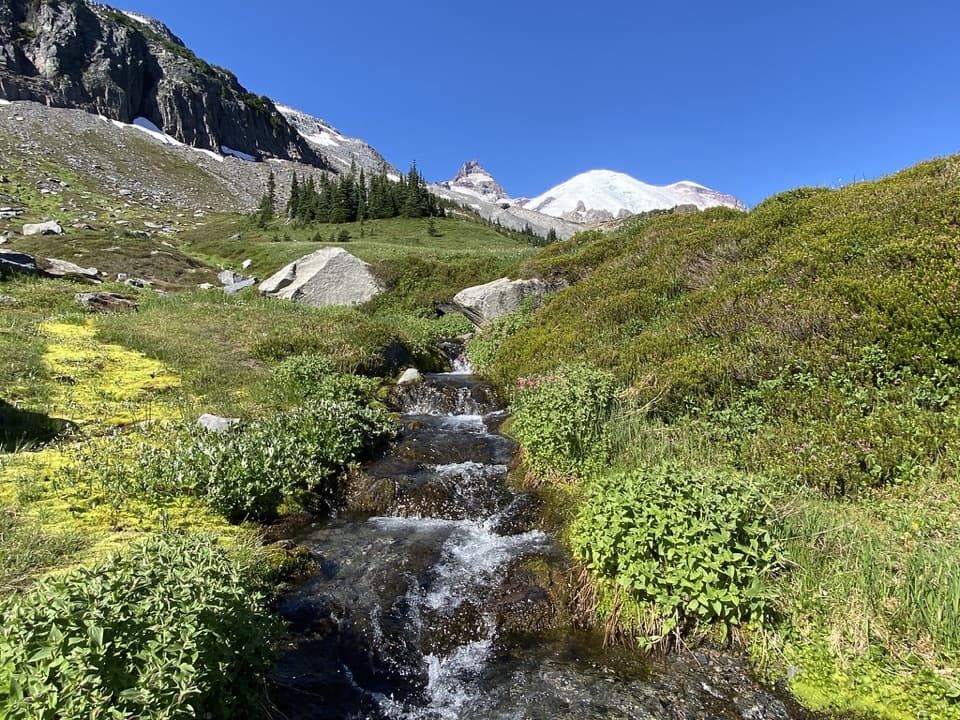
First Burroughs is already a worthwhile turnaround. Look south across the White River valley to Emmons Glacier and Rainier; turn north for the bare ridge of Old Desolate and the greener slopes around Berkeley Park.
For the full hike, continue west about six-tenths of a mile to Second Burroughs, then retrace that spur to the loop. The path dips between the two high points before climbing again. Second is a broad, rocky plateau around 7,400 feet, with a low stone windbreak and bench. From here, the glacier crevasses, Little Tahoma, and the valleys below sit much closer than they do from Sunrise. Stop here: the rougher continuation toward Third Burroughs is outside this mapped route.
This high ridge supports a surprising spread of small plants and early-summer flowers. They grow slowly in the thin, exposed ground, so stay on the constructed path even where the tread looks faint. The rocks along the route are andesite formed by Mount Rainier’s earlier volcanic activity. These peaks were named for naturalist John Burroughs.
Mountain goats sometimes graze on the slopes; marmots, pika, and chipmunks are also reported here. They are a bonus, not a promise, and the open ground gives you a good chance to notice them without leaving the trail.
After retracing from Second to First, follow the eastbound loop toward Shadow Lake and the Sunrise Rim trail, then back to the south side of the lot. It gives you a different view on the way back instead of repeating Sourdough Ridge. Sunrise Camp lies near Shadow Lake, about a mile from the parking lot; overnight stays there require a wilderness permit.
The trail stays high and mostly treeless. Early-season snow can linger on steep slopes and become hazardous, and weather can change quickly at Sunrise’s elevation. The park’s road to Sunrise is seasonal and closes for winter after significant snow. Restrooms are at the parking lot, but there are no facilities along the trail. Pets are not allowed on park trails. Fill up before leaving the lot, and keep to the tread to protect the fragile tundra.
The First Burroughs loop is about 4.7 miles and skips the extra climb to Second. That is the better choice if you want the same open ridge scenery with less distance. Beyond Second, the trail drops to a saddle and then climbs steeply toward Third Burroughs on an unmaintained route. That longer hike is a separate commitment, not a small add-on to this loop.
Published totals to Second range from about 6 to 7.4 miles depending on the return route. This version uses Sourdough Ridge in and Sunrise Rim back.
Wildlife
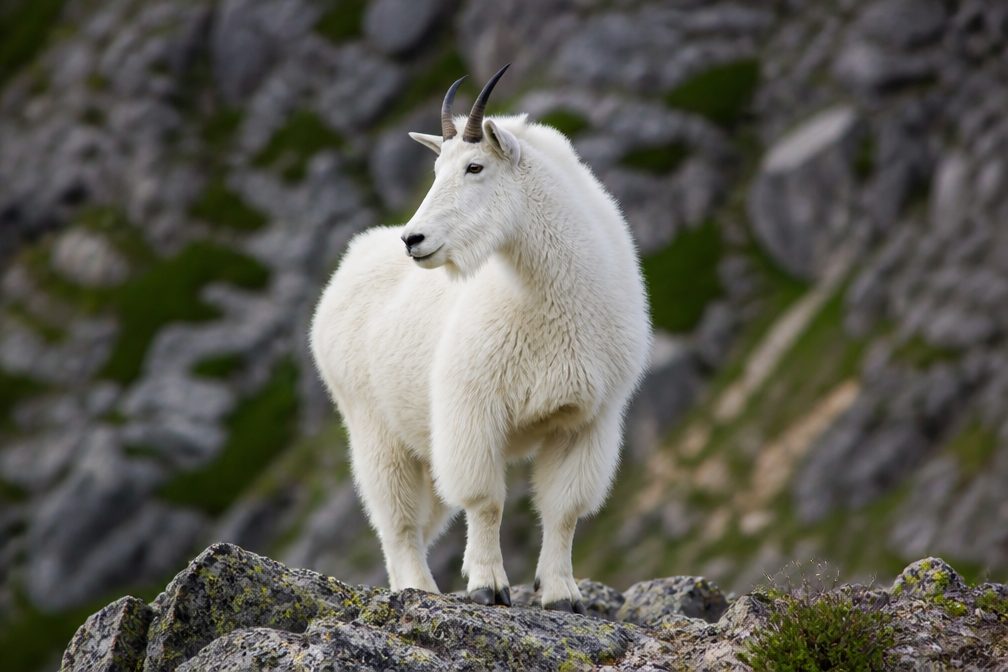 466 sightingsMountain GoatMost seen around 6 AMSighting map
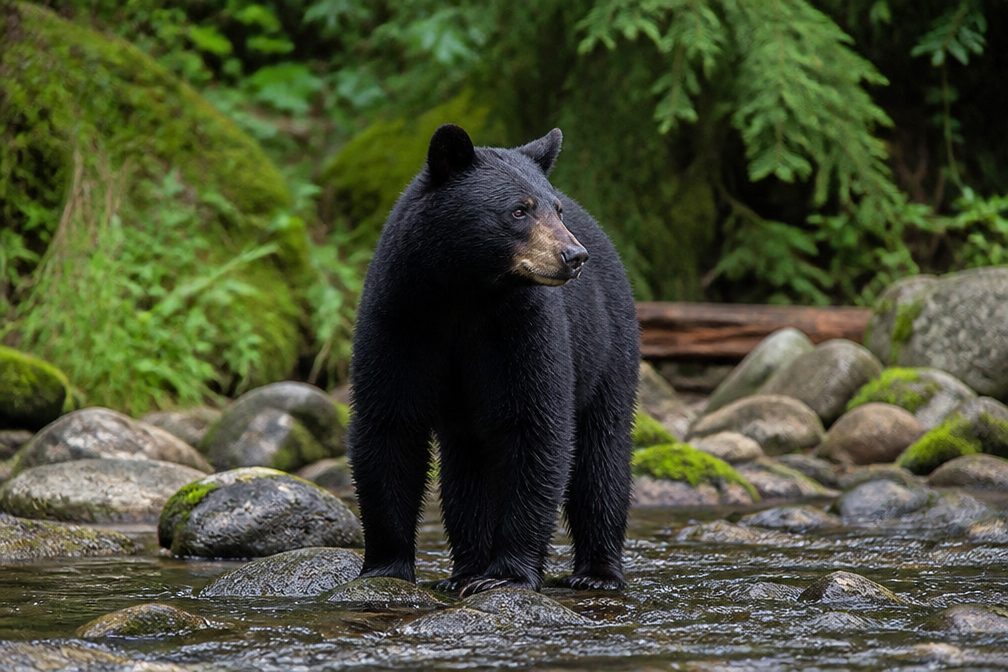 383 sightingsBlack BearMost seen around 7 PMSighting map
 10 sightingsWolverineMost seen around 6 AMSighting map
 58 sightingsElkMost seen around 6 AMSighting map
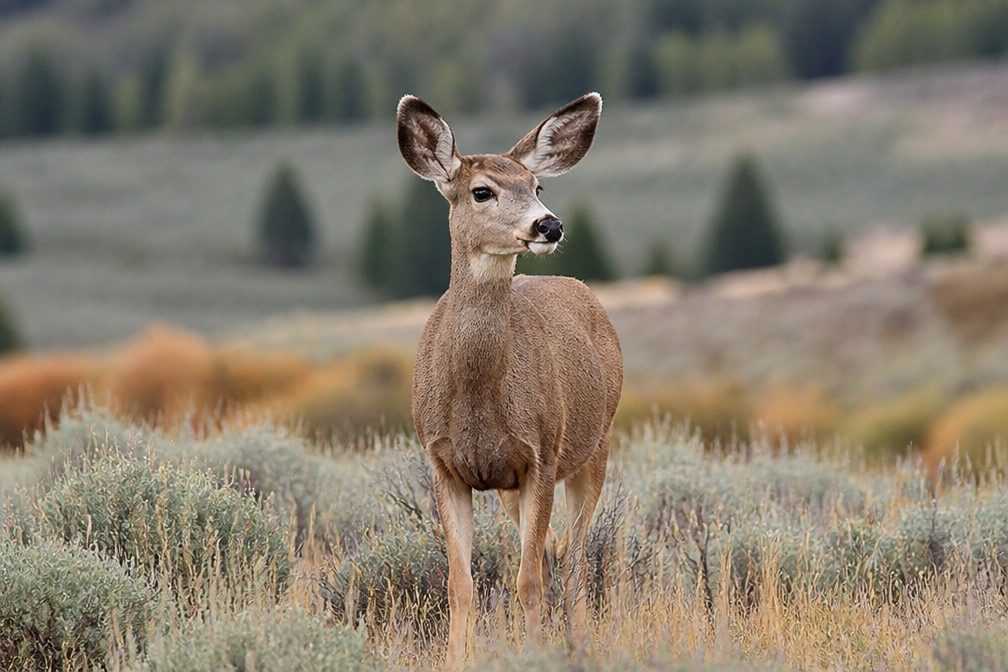 574 sightingsMule DeerMost seen around 6 AMSighting map
 1,853 sightingsHoary MarmotMost seen around 6 AMSighting map
Sighting maps show where each species has been reported across Mount Rainier. Wildlife moves, so no sighting is guaranteed.
Keep exploring
 ModerateSunrise Rim Trail Loop to First Burroughs4.7 mi · 3 hr · At the trailheadHigh loop to First Burroughs, with Shadow Lake and Emmons Glacier.
 ModerateSourdough Ridge Trail West to Frozen Lake3 mi · 2 hr · At the trailheadA short ridge walk with big Rainier views and a lake turnaround.
 ModerateMount Fremont Lookout Trail5.6 mi · 3.5 hr · At the trailheadA rocky ridge climb to Rainier’s 1934 fire lookout.
 ModerateDege Peak via Sourdough Ridge Trail4.2 mi · 2.5 hr · At the trailheadA short, open ridge walk to Dege Peak’s sweeping view.
 ModerateSkyscraper Pass Trail7.4 mi · 4.5 hr · At the trailheadA rolling ridge walk to a sandy pass above alpine meadows.
 ChallengingBerkeley Park Trail7.4 mi · 5.5 hr · At the trailheadSwap Sunrise's open ridge for Berkeley Park's lush alpine basin.
 EasySunrise Nature Trail1.5 mi · 45 min · At the trailheadA short climb buys Rainier and Cascade views in under an hour.
 EasySilver Forest Trail1.9 mi · 1.3 hr · At the trailheadTwo overlooks frame Rainier and Emmons Glacier above open meadows.
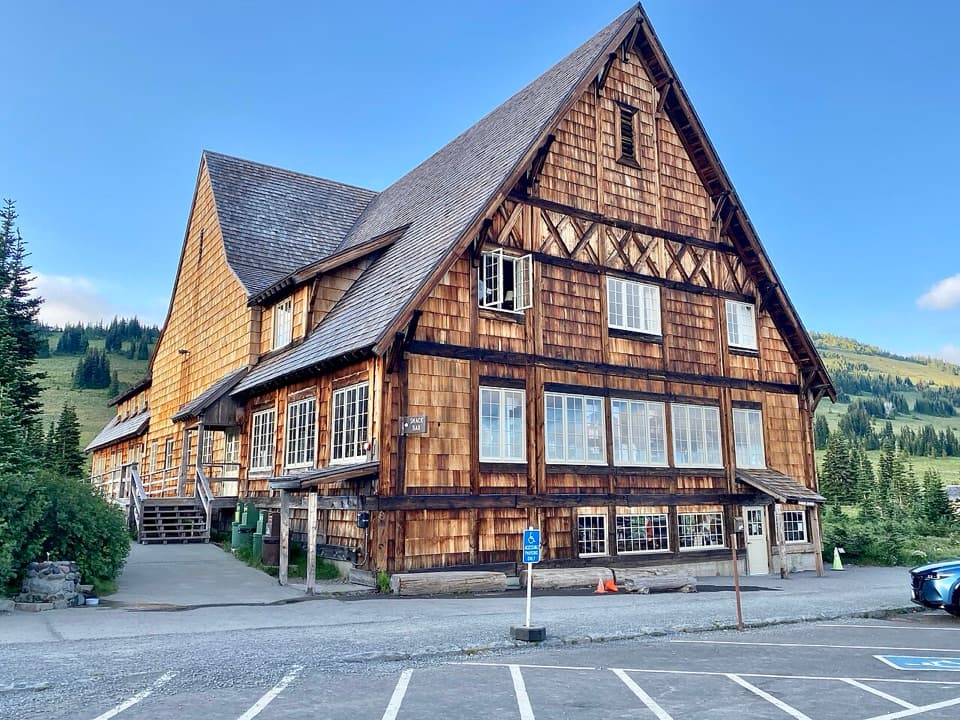 Food · At the trailheadSunrise Day LodgeA 1931 timber lodge for coffee or ice cream after a hike.
 Visitor center · 0.1 mi awaySunrise Visitor CenterA historic alpine trail hub with glacier exhibits and Rainier views.
 Picnic area · 0.1 mi awaySunrise Picnic AreaPack a lunch for a tree-lined picnic with clear-day Rainier views.
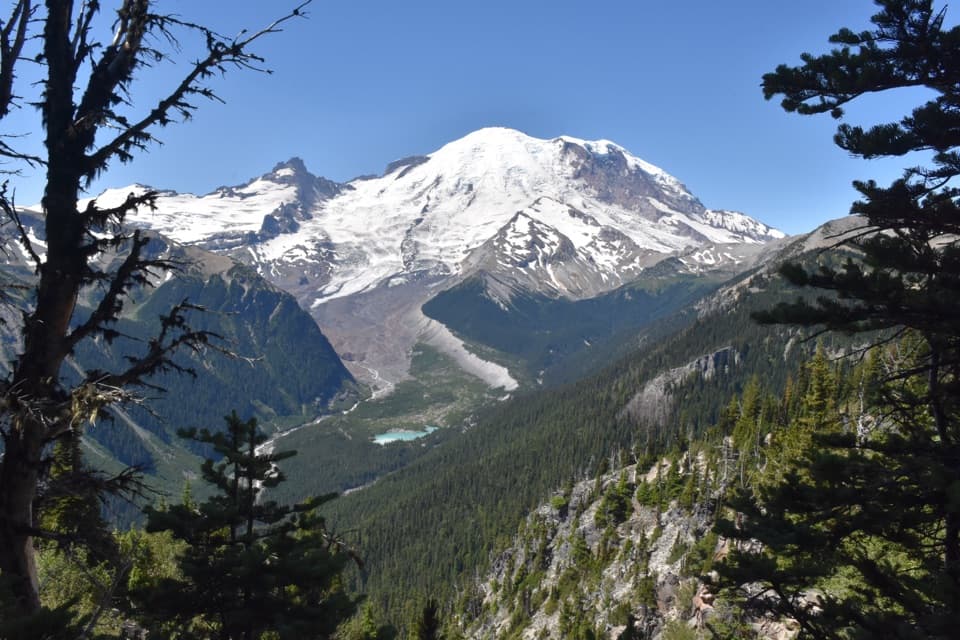 Sight · 0.1 mi awayEmmons Vista OverlooksA short meadow walk to Rainier’s biggest glacier.
 Scenic pullout · 0.8 mi awaySunrise Road White River ViewRainier and Adams rise above the White River Valley on Sunrise Road.
 Campground · 0.8 mi awayWhite River CampgroundSunrise-area hikes start right from this wooded riverside camp.
 Sight · 0.9 mi awayWhite River Patrol CabinA 500-foot walk to the White River area's oldest cabin.
 Picnic area · 0.9 mi awayWhite River Picnic AreaA wooded meal stop with eight grills and nearby trail access.
Parkwolf’s Mount Rainier ranking
The audio tour guide for the drive, plus offline maps, trails, and wildlife heatmaps for when the signal drops.