
Place · 0 mi away
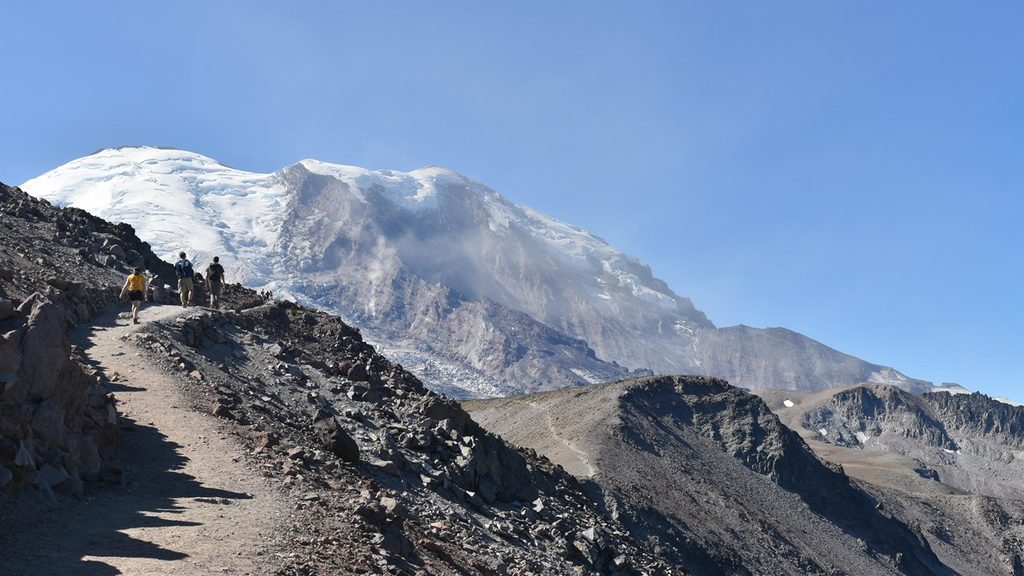
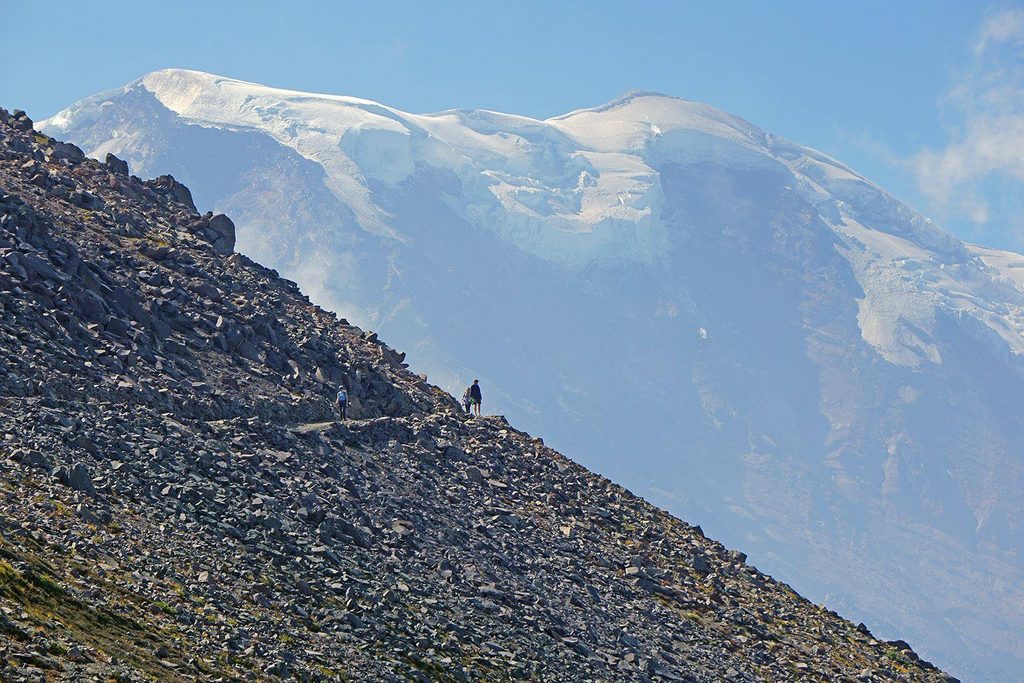
2nd Burroughs is the sweet spot on the Burroughs Mountain ridge: a broad, tundra-like summit around 7,400 feet with an unobstructed front-row seat to Mount Rainier and the Emmons Glacier. It’s reached from the Sunrise area on well-built trails, yet feels stark and high-alpine the moment you crest the ridge.
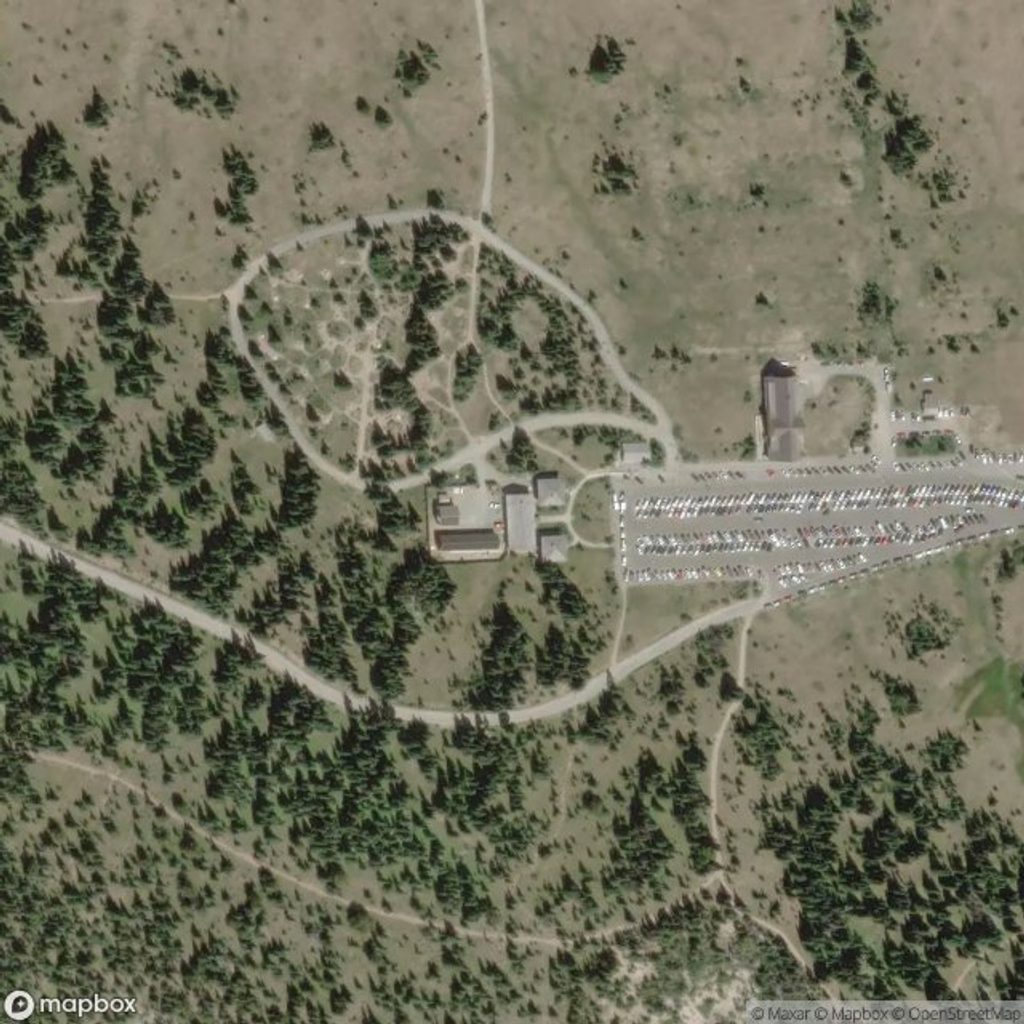
Start from the Sunrise parking area and head toward Frozen Lake via either Sourdough Ridge or Sunrise Rim. From the Frozen Lake junction, follow signs for Burroughs Mountain. Most hikers make a 6–7.4 mile loop with roughly 900–1,345 feet of gain, though longer variants exist. Continuing to 3rd Burroughs ups the exposure and effort; save it for when conditions, time, and legs line up.
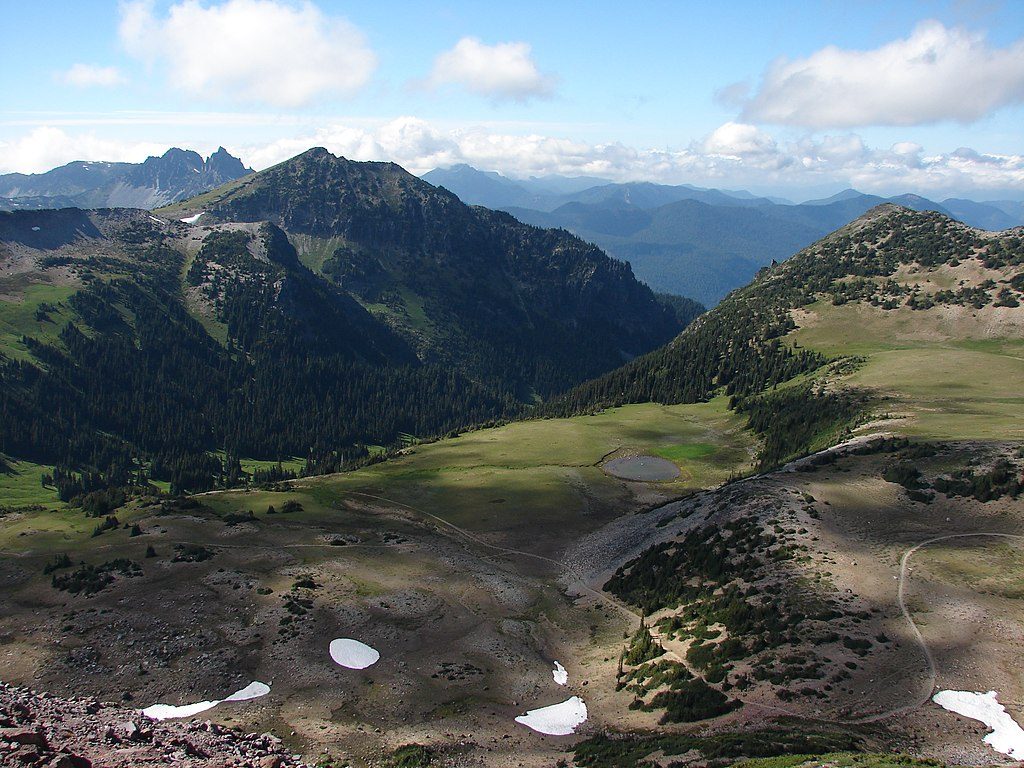
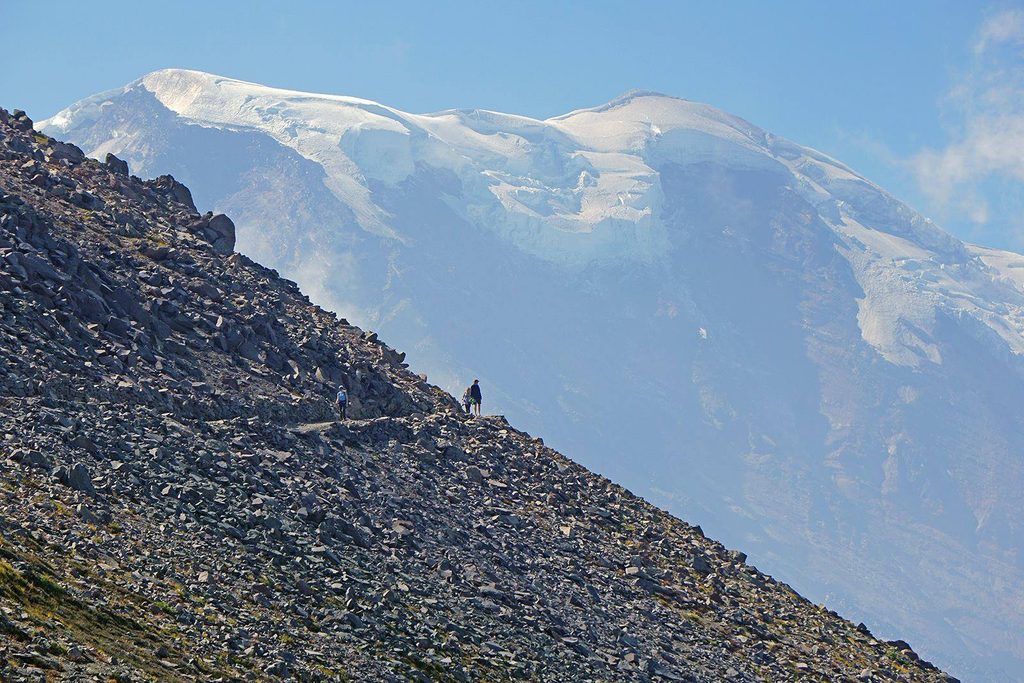
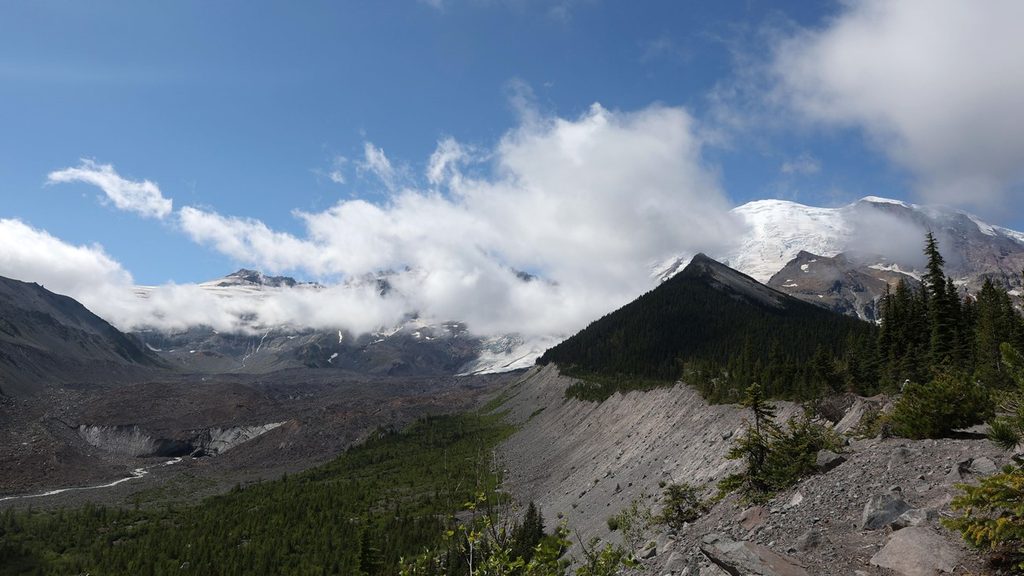
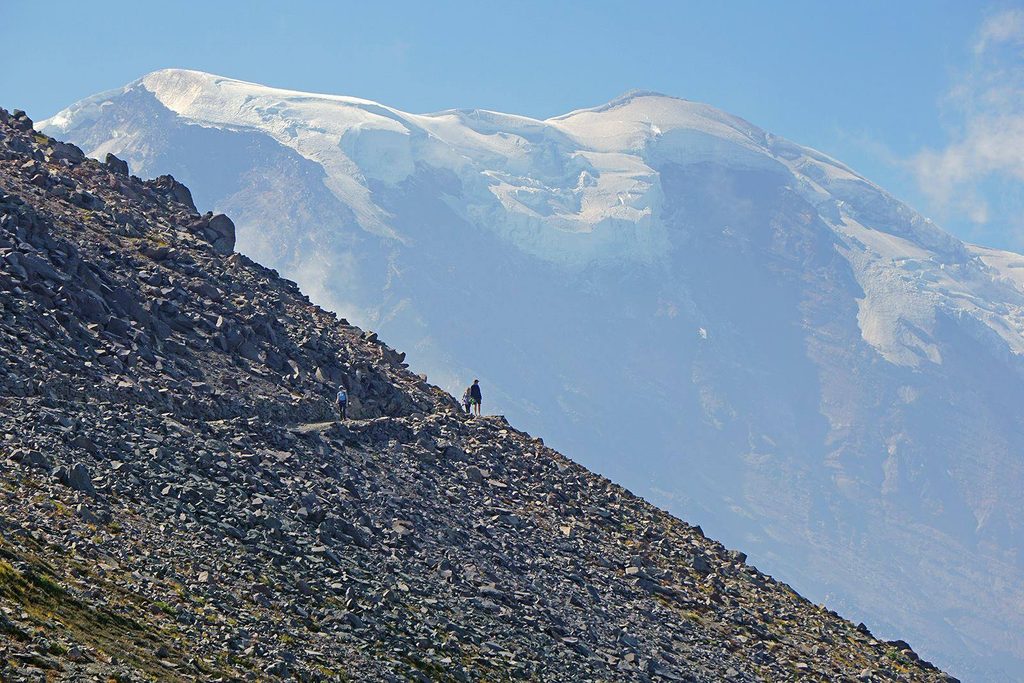
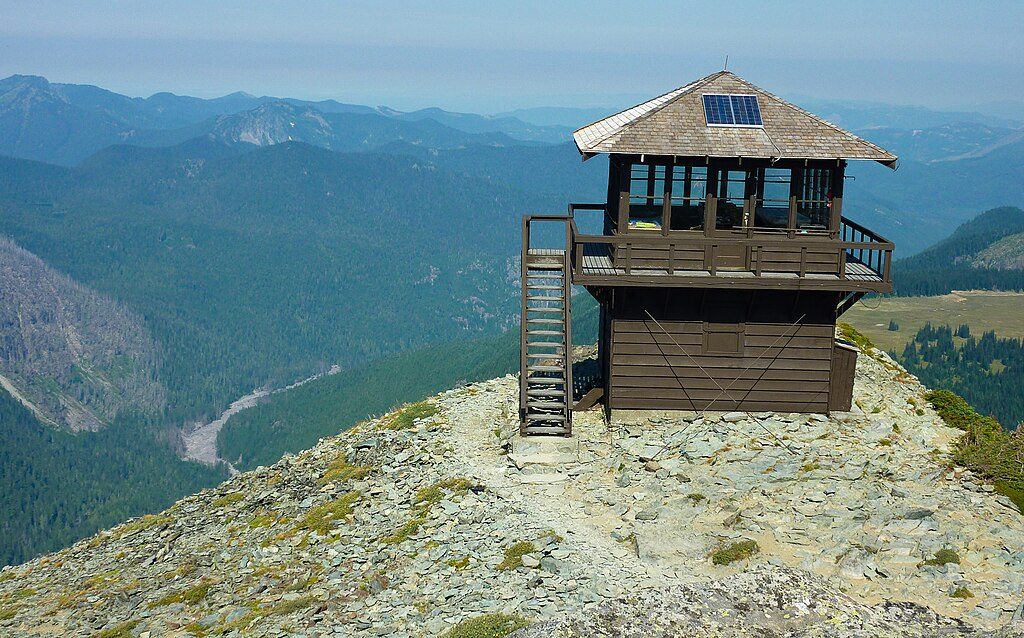
From the top, expect sweeping, close-in views of Rainier’s north and east aspects, including Emmons Glacier and Little Tahoma. Look north toward Mount Fremont and its lookout, plus broad sweeps over Glacier Basin, Berkeley Park, Grand Park, and Skyscraper Mountain. The approach itself strings together meadow edges, rocky plateaus, and the stark shoreline of Frozen Lake.
This is classic marmot country, with pika chirping from talus and mountain goats occasionally roaming the ridge. In summer, insects can be part of the deal—multiple hikers report heavy bee activity later in the morning.
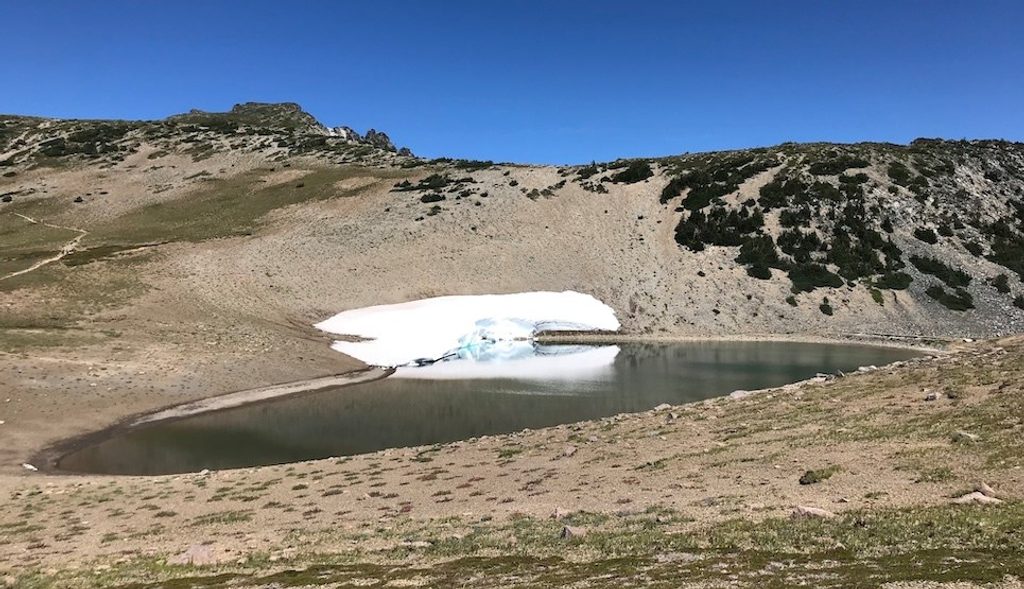
Above treeline, everything is exposed: sun, wind, and whatever the mountain throws at you. Expect a rocky tread in places and occasional narrow sections with steep drop-offs. Early season can bring lingering snow patches near Frozen Lake and along the ridge. There’s no water on-route and no facilities once you leave Sunrise.
Go early—cooler temps, softer light on Rainier, fewer people, and typically fewer bees. Midday and weekends see the most traffic. Clear mornings deliver the most dramatic glacier textures for photography; afternoons can be harsher and windier on the ridge.
All amenities (parking and bathrooms) are at Sunrise. The tundra is fragile and slow to heal—stay on marked paths. If you’re feeling great at 2nd Burroughs, you can push to 3rd for an even closer look, but budget extra time and energy.
Place · 0 mi away
Place · 0.7 mi away
Place · 1.2 mi away
Place · 1.4 mi away
Easy · 2.1 mi away
Challenging · 2.2 mi away
Moderate · 2.2 mi away
Challenging · 2.2 mi away

Parkwolf Tour Guide
