
Place · 0 mi away
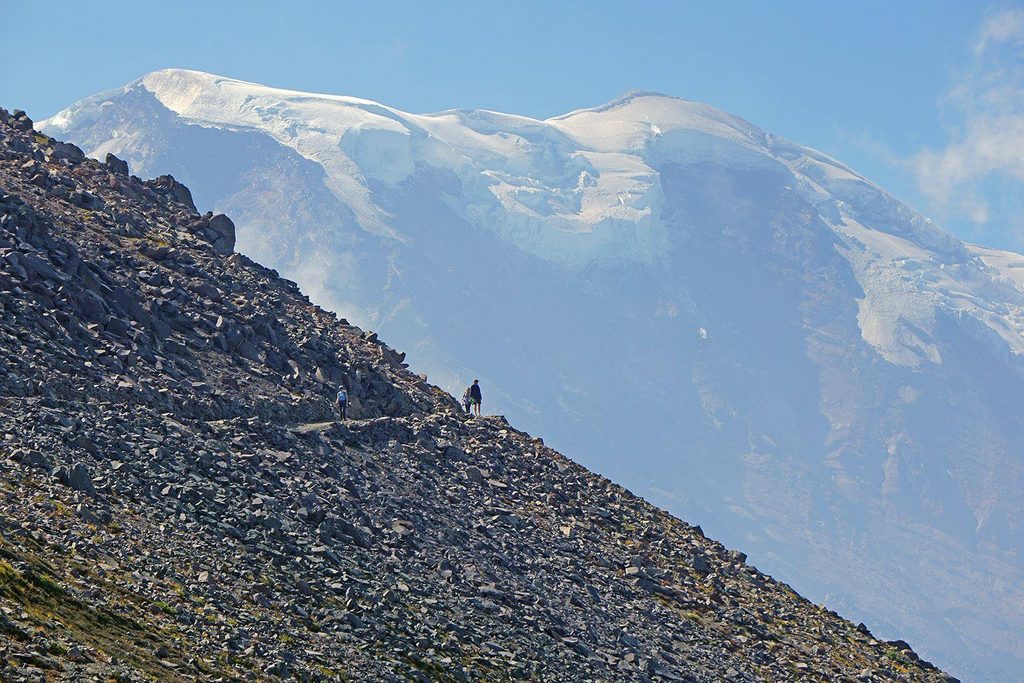
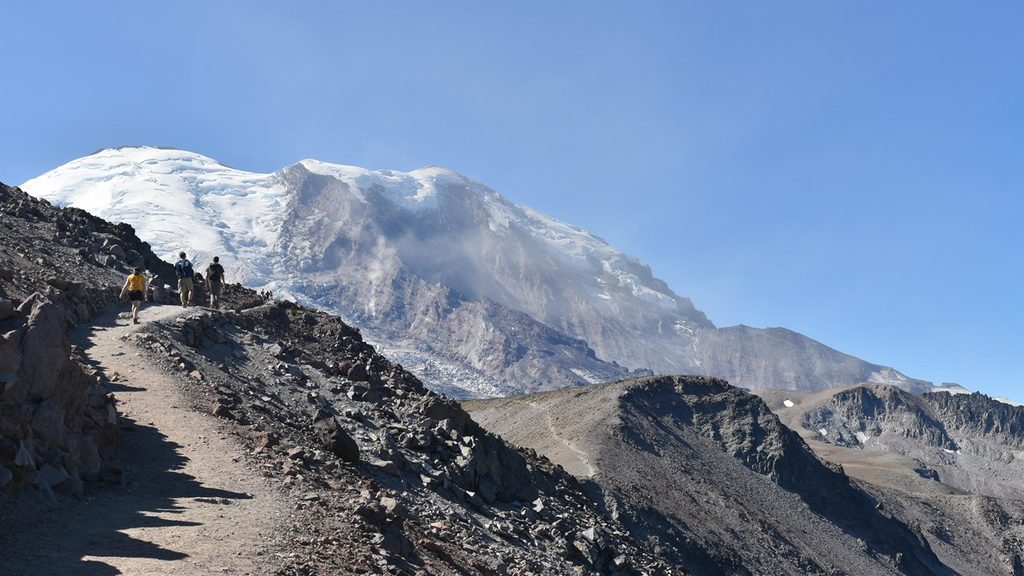
Burroughs Mountain is a high, barren ridge above the Sunrise area with three flat-topped plateaus—First, Second, and Third Burroughs. It’s one of the park’s premier hikes for feeling eye-level with Mount Rainier’s glaciers. Third Burroughs tops out at 7,828 feet, and the entire route travels across stark, tundra-like terrain that’s unlike the lush forests elsewhere in the park.
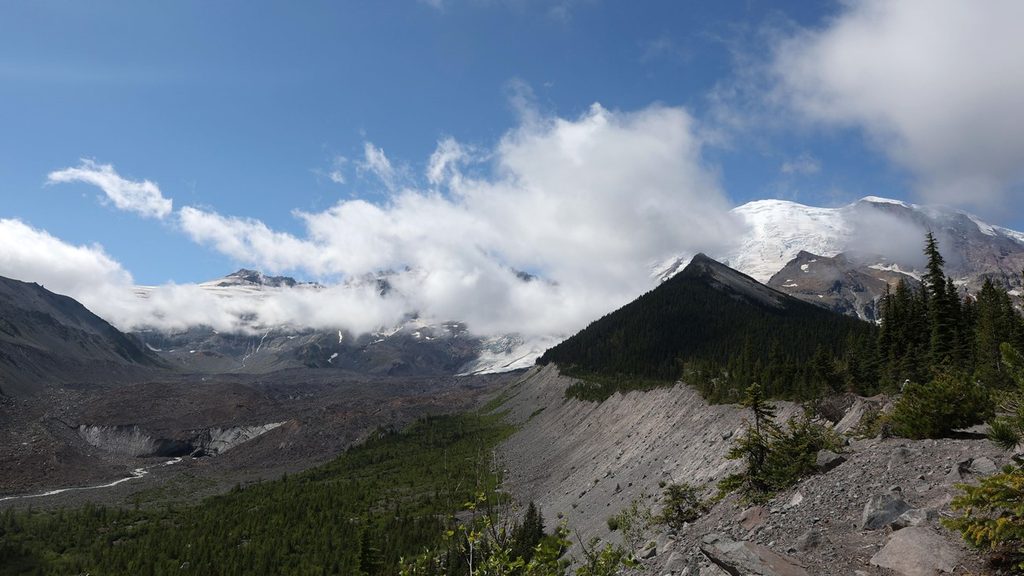
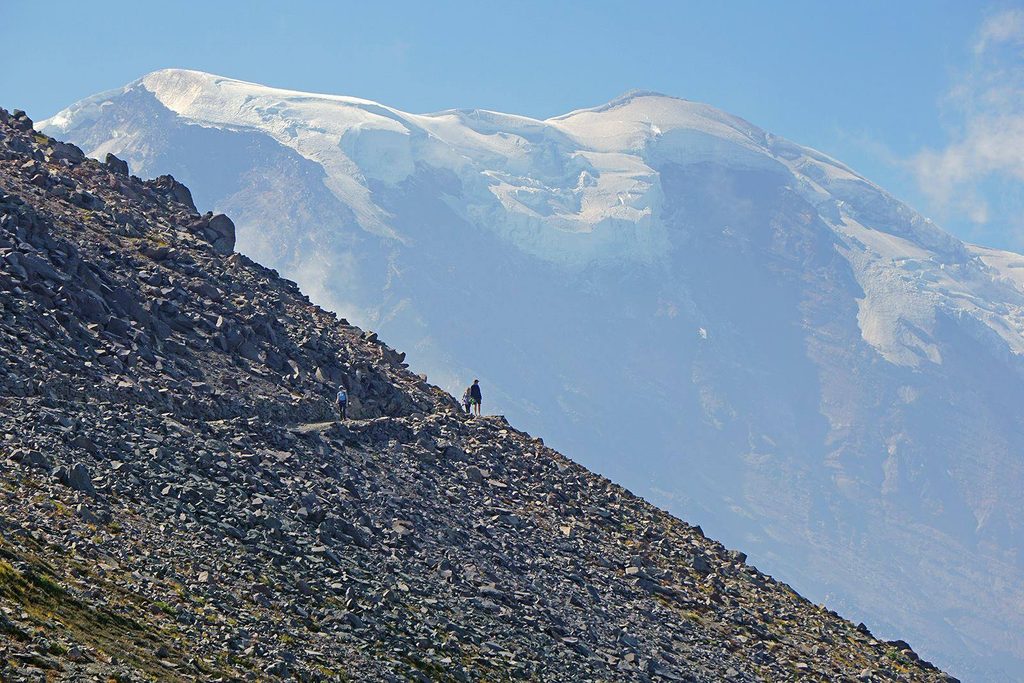
From the Burroughs plateaus you get panoramic, in-your-face views of Rainier, including the Emmons and Winthrop Glaciers, Little Tahoma, and the White River Valley. The stark volcanic landscape above treeline gives the whole hike an otherworldly feel, with layered andesitic lava outcrops and sweeping vistas in every direction.
Marmots are common and often vocal along the rocky sections. You may also spot mountain goats, chipmunks, and—more rarely—black bears. Enjoy them from a distance and never feed wildlife.
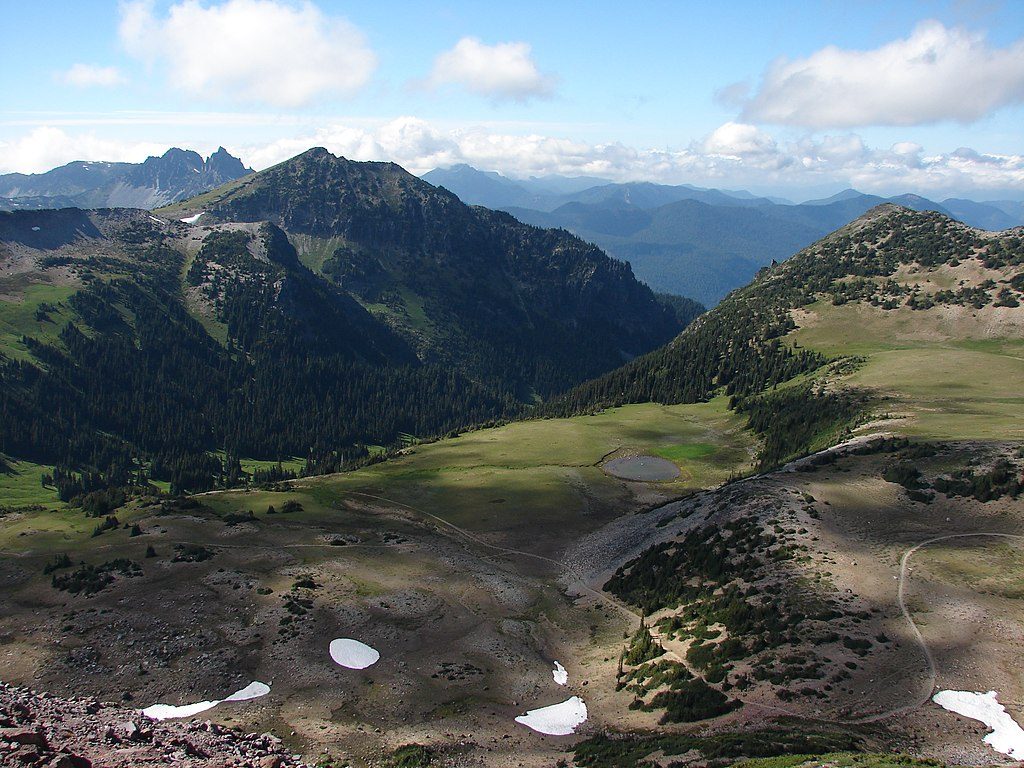
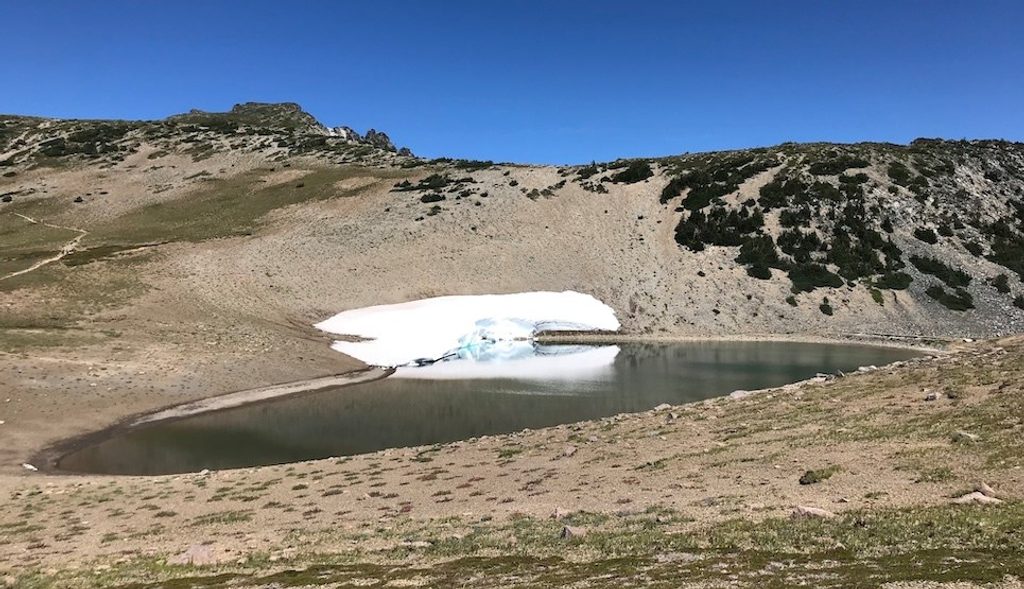
This is a very popular day hike from Sunrise, especially in summer. Expect a steep, sustained climb before reaching the First Burroughs plateau, exposure to wind and sun throughout, and occasional narrow segments with steep drop-offs en route to Second. Early in the season, lingering snowfields can make travel tricky—especially around the Frozen Lake area and along traverses.
There are no developed amenities on the mountain itself—no water, food, or shelter—so bring everything you need. Frozen Lake is the area’s water supply and is off-limits. The alpine tundra here is fragile and slow-growing; stay on trail and avoid stepping on vegetation.
Place · 0 mi away
Place · 0.7 mi away
Place · 1.2 mi away
Place · 1.4 mi away
Easy · 2.1 mi away
Challenging · 2.2 mi away
Moderate · 2.2 mi away
Challenging · 2.2 mi away

Parkwolf Tour Guide
