
Place · 1.2 mi away
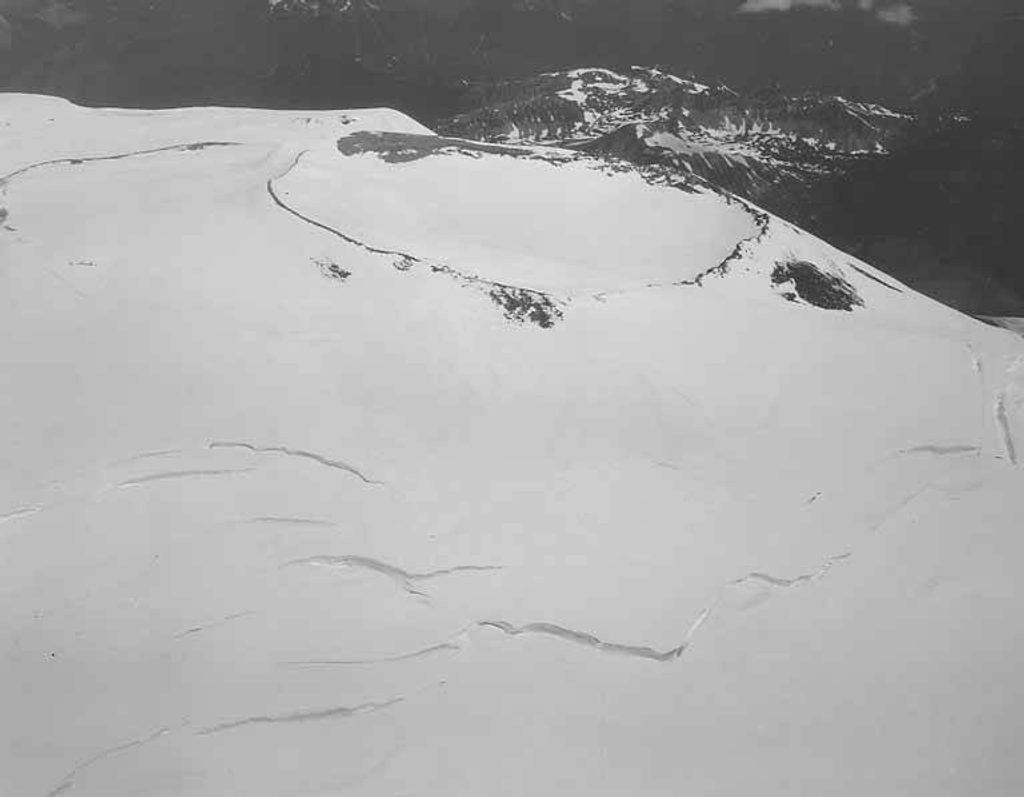
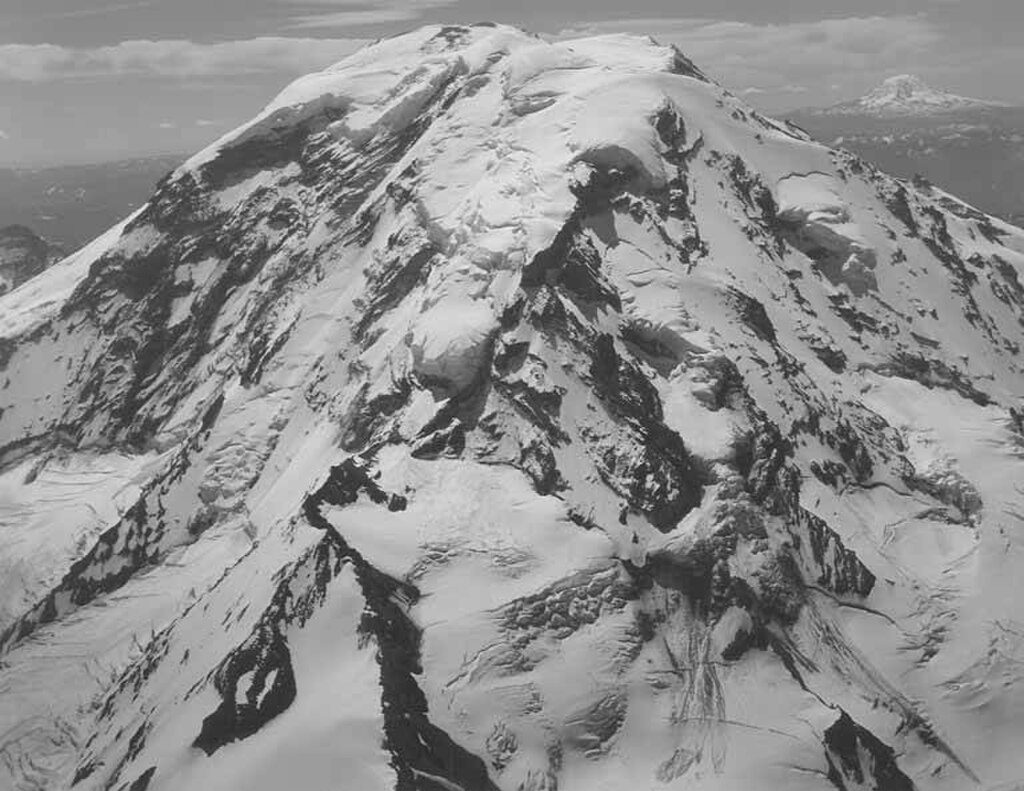
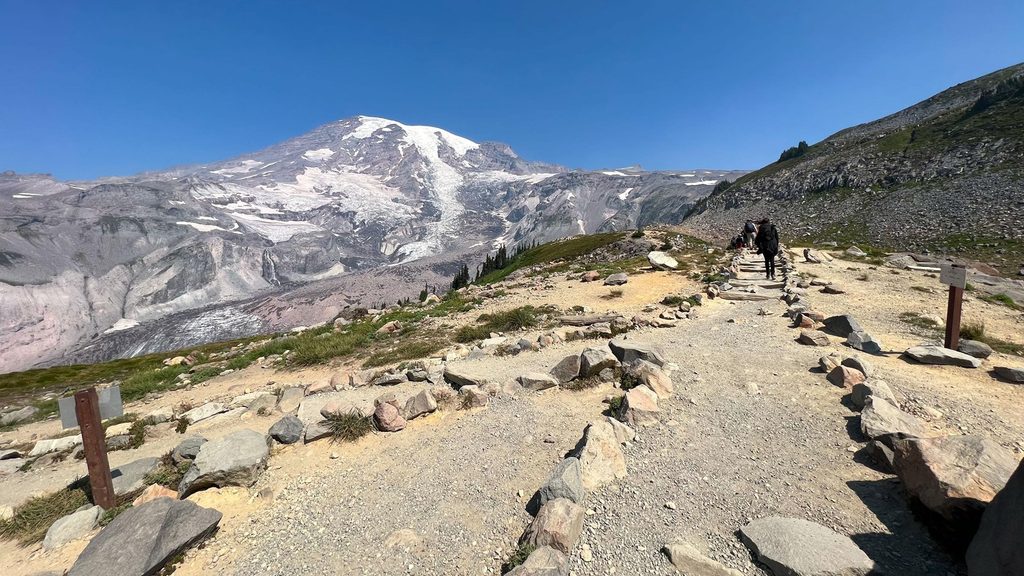
Columbia Crest is the true summit of Mount Rainier, perched on the rim of the volcano’s summit crater. It’s the literal high point of the mountain, a stark, windswept perch of snow, ice, and volcanic rock. The summit crater itself is ice-filled and hosts the Columbia Crest Glacier, an unusual feature tucked right inside the rim.
This isn’t just another high point—it’s a stratovolcano’s crater rim with a glacier in the bowl beneath your feet. Columbia Crest is the target of most Rainier summit bids, standing alongside the mountain’s other named high points, Liberty Cap and Point Success.
Reaching Columbia Crest isn’t a hike. It’s a mountaineering objective that involves glacier travel, crevasse hazard, changing snow and ice conditions, and the possibility of altitude-related issues. Weather can turn quickly, and the consequences of mistakes are serious. Many climbers opt for guided ascents.
The summit environment is too harsh for most wildlife, but on the approach you may encounter marmots, mountain goats, pikas, and high-country birds. Wildlife sightings taper off dramatically as you enter the upper alpine and glaciated zones.
Columbia Crest sits on the rim of Rainier’s summit crater, the product of volcanic activity and relentless glaciation. The ice-filled crater and intermittent steam vents speak to the mountain’s active volcanic nature. The name “Columbia Crest” has been used historically to distinguish the highest point on the crater rim.
Most summit attempts happen from late spring through early fall when conditions are most favorable. Start early to maximize firm snow conditions and weather margins. Expect more climbers during peak season and clear weather windows.
If you have the skills, fitness, gear, and weather, this is the crown of Rainier—unforgettable and absolutely committing. For casual visitors, enjoy it from afar; there are no trails, facilities, or easy shortcuts to the top.
Place · 1.2 mi away
Place · 1.4 mi away
Place · 1.8 mi away
Place · 1.8 mi away
Moderate · 4.6 mi away
Easy · 4.6 mi away
Challenging · 4.7 mi away
Challenging · 4.7 mi away

Parkwolf Tour Guide
