
Place · 0.9 mi away
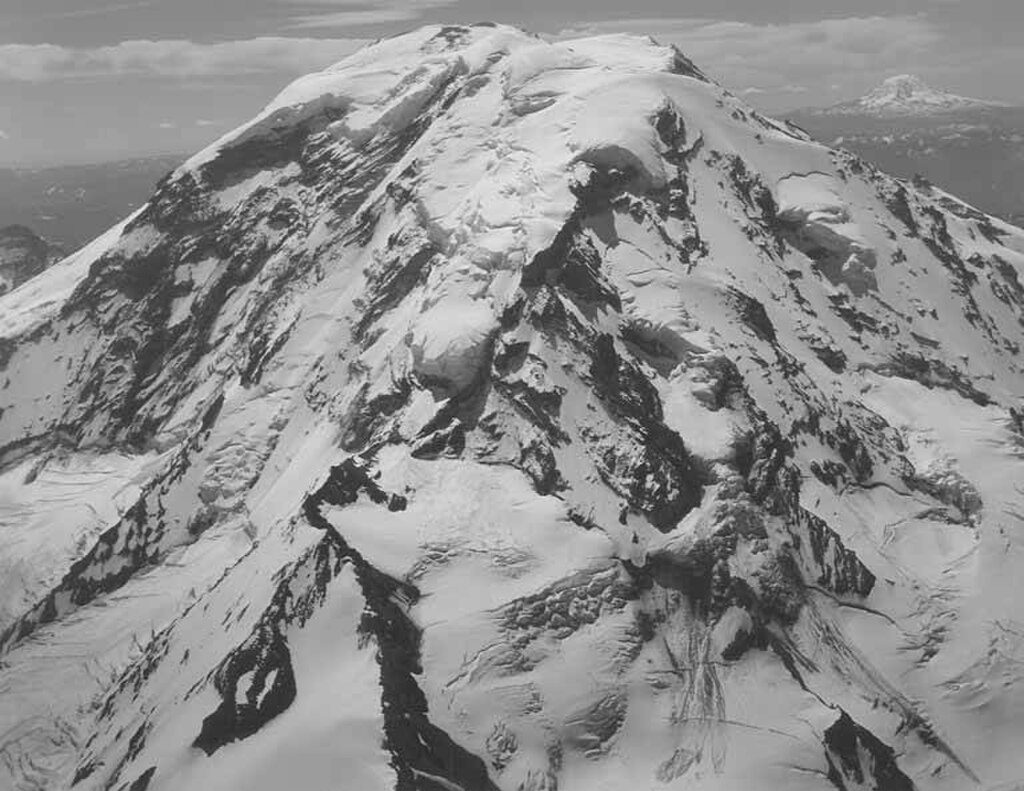
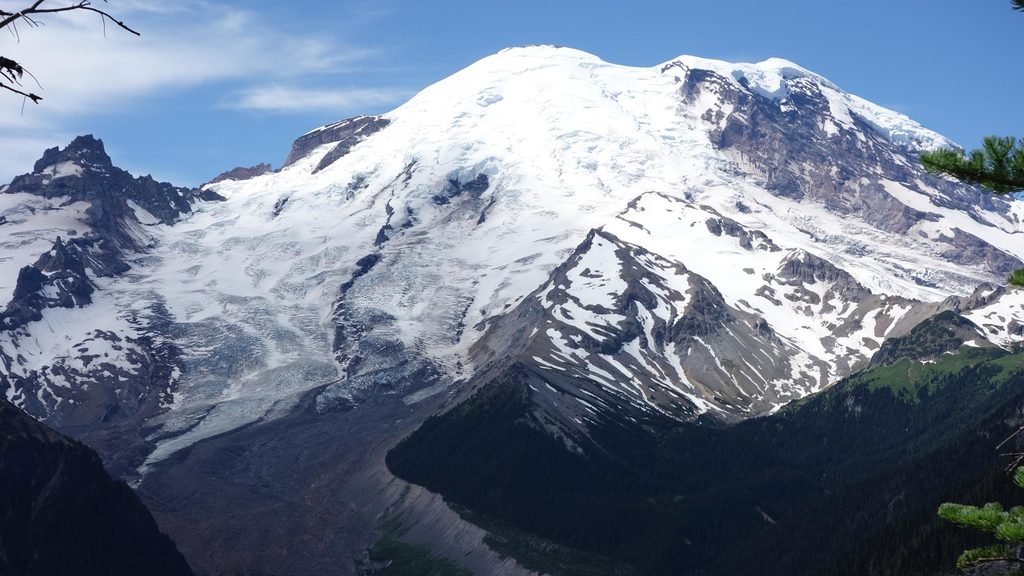
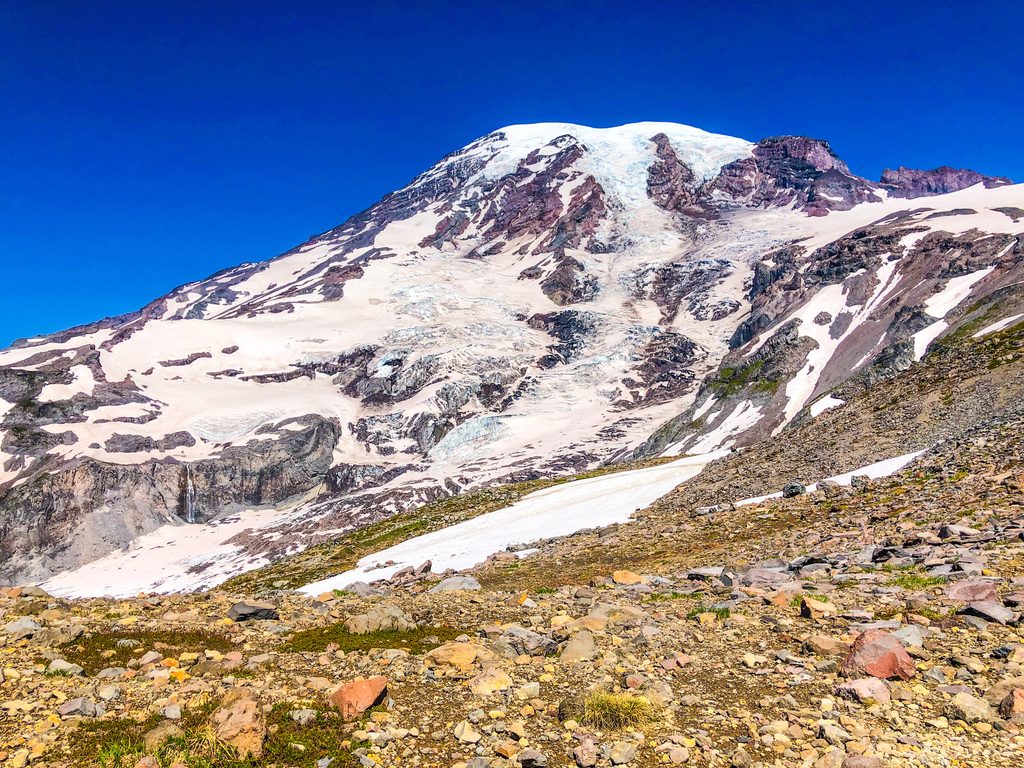
Willis Wall is the colossal north-face headwall of Mount Rainier, rising roughly 3,600–4,000 feet above the Carbon Glacier between Curtis Ridge and Liberty Ridge. Capped by a 200–300-foot ice cliff, it is one of the most intimidating alpine faces in the Lower 48—more about objective danger than difficulty grades.
The wall forms the headwall of a mile-wide cirque on the mountain’s north side and exposes relatively young volcanic flows. Its mixed character—steep volcanic rock topped by a collapsing ice barrier—creates continuous, unavoidable hazards that set it apart from other big faces in the Cascades.
This is not a viewpoint or a casual hike. There are no roads, trailheads, or facilities anywhere near the wall. Approaches involve committing glacier travel and technical terrain. For most visitors, Willis Wall is best appreciated as a formidable landscape feature rather than a destination to stand beneath.
Expect constant objective hazards: rockfall, icefall, avalanches, and rapidly changing weather. Warmer temperatures amplify the hazard. While some alpinists target early season windows for comparatively firmer conditions, danger is present year-round.
Named for geological engineer Bailey Willis, a key figure in early exploration and advocacy for the park. The north-side climbing story here includes a 1935 ascent of nearby Liberty Ridge, while the first ascent credited specifically to Willis Wall is a 1961 climb via the West Rib. Subsequent notable ascents followed, including winter efforts by elite alpinists.
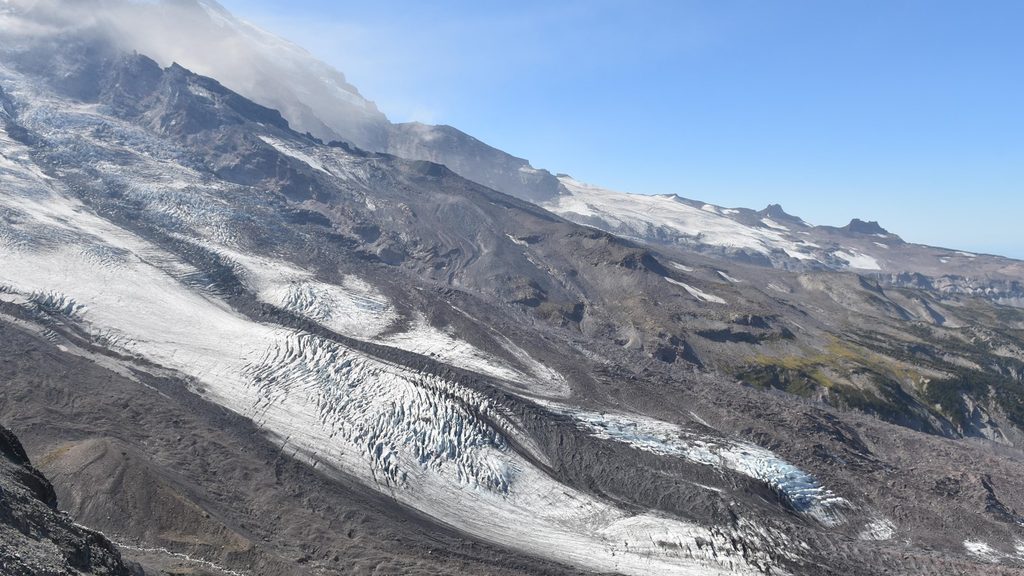
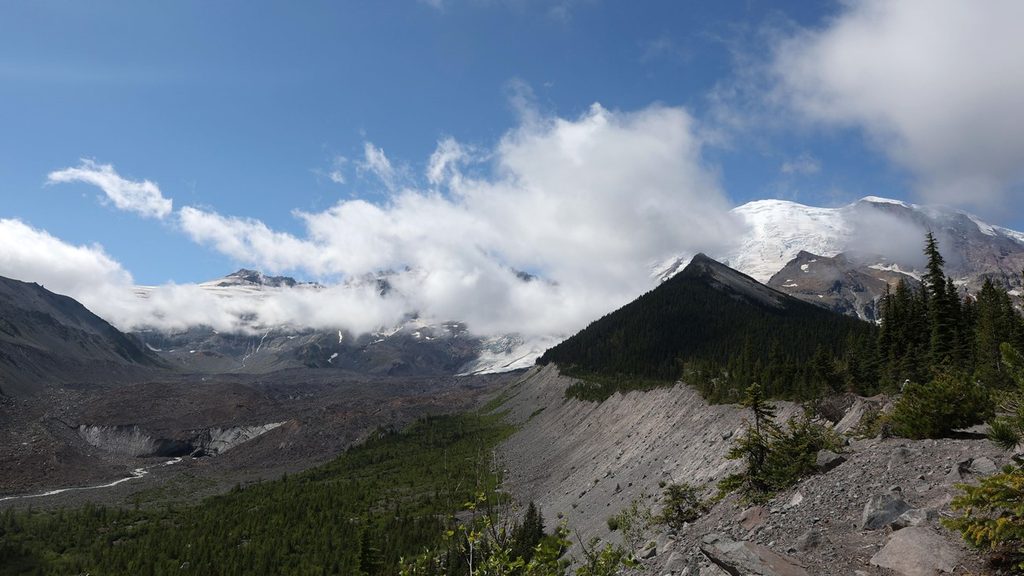
The face exposes fractured andesitic lava flows, relentlessly reworked by freeze–thaw and by the ice cap above. Continuous debris sheds onto the Carbon Glacier, feeding one of Rainier’s most dynamic glacial systems.
Wildlife encounters are sparse in this harsh alpine amphitheater. Occasional high-country birds may pass through lower approach areas, but don’t expect much activity near the wall itself.
There are no hours or crowds—only conditions. For the rare teams attempting it, colder early season windows can be comparatively more stable, but hazards remain severe at all times. Warm spells dramatically increase ice and rockfall. For everyone else, admire it from afar on clear days when the north face is visible.
Place · 0.9 mi away
Place · 1.2 mi away
Place · 1.3 mi away
Place · 1.9 mi away
Moderate · 5.7 mi away
Easy · 5.8 mi away
Easy · 5.8 mi away
Challenging · 5.9 mi away

Parkwolf Tour Guide
