
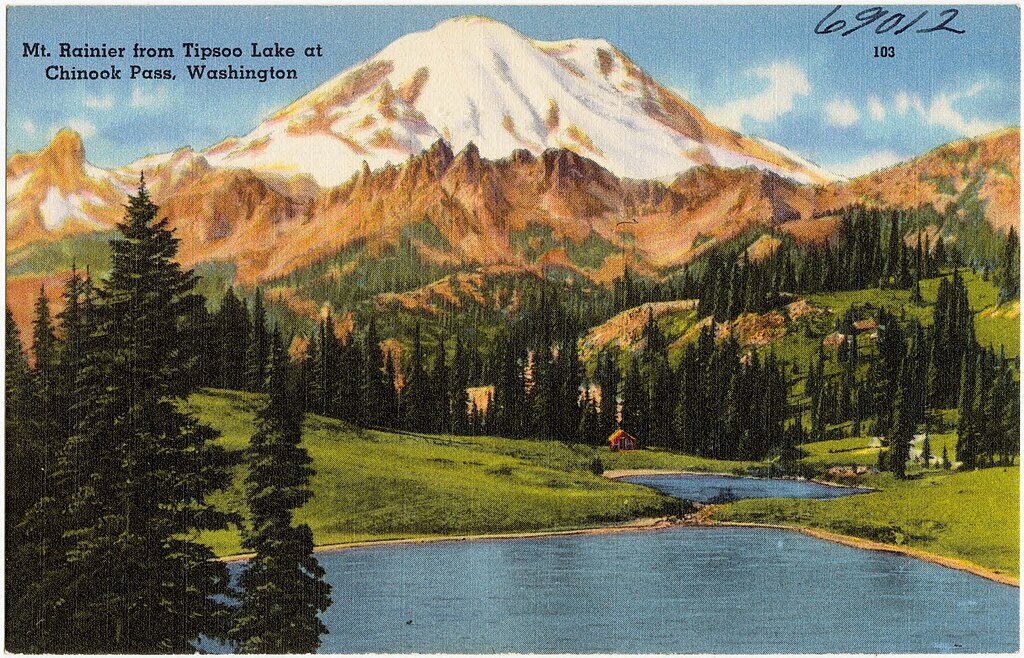
Place · 1.2 mi away
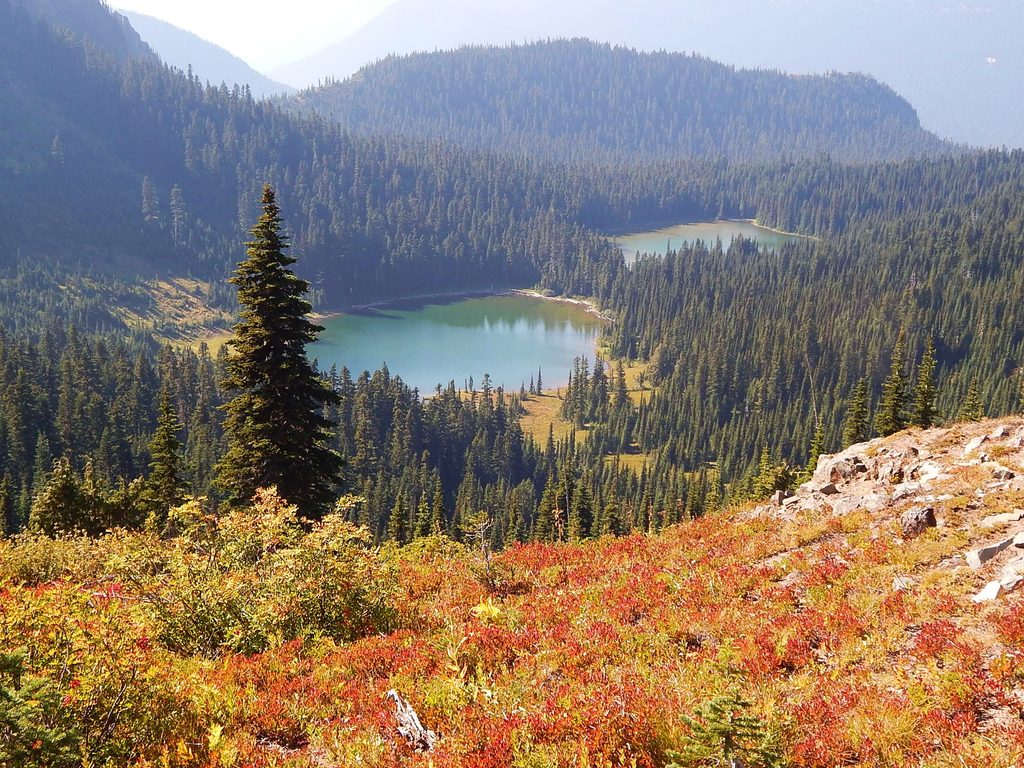
Deadwood Lakes are a pair of small, quiet alpine lakes tucked in a glacially carved basin northwest of Deadwood Peak. A low ridge shields them from the busy Chinook Pass corridor, so you get a real sense of escape—big sky, still water, and hardly anyone around.
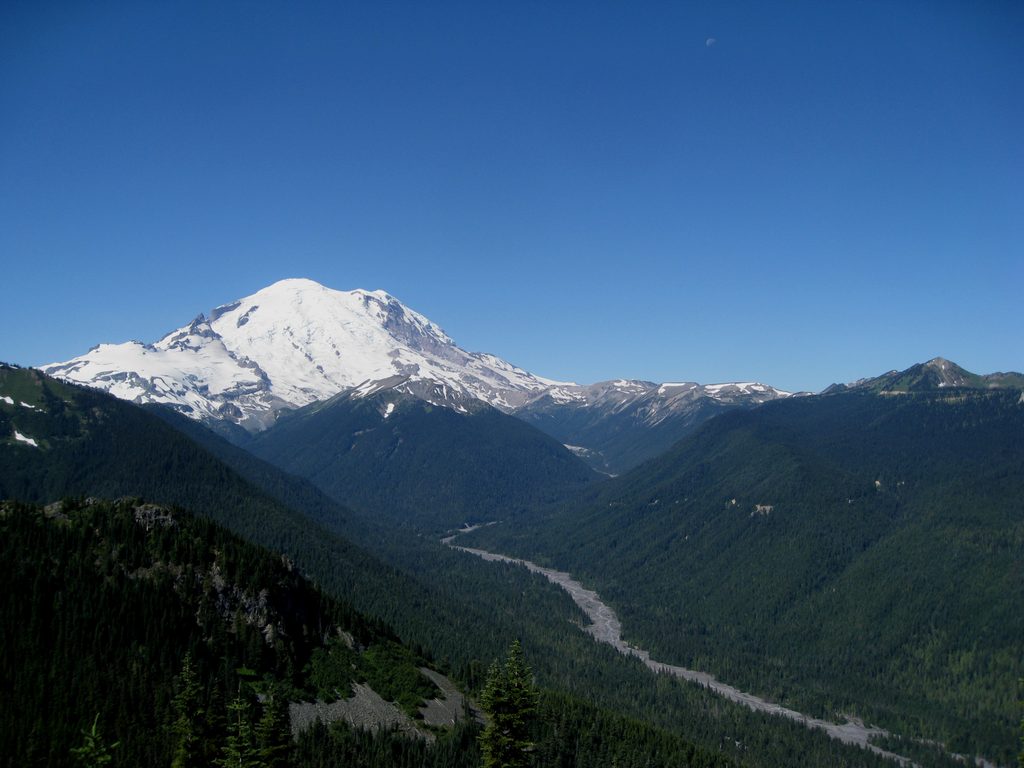
Expect classic subalpine scenery: forest and meadows framing two clear lakes at the head of a gentle valley. Across the way you can spot Sourdough Ridge and Dege Peak. By late season, the lower lake often reveals a small beach and a visible stream channel—quirky details that make the place feel wild and unmanicured.
Access is via a faint, unmaintained boot path that leaves the Pacific Crest Trail roughly a half‑mile from Chinook Pass. The tread comes and goes, and snow can linger, so you’ll want solid navigation skills and comfort with uneven, sometimes muddy travel. This is not a signed, groomed destination; think backcountry wander, not promenade.
You’re in prime subalpine habitat. Expect birds like Clark’s nutcrackers and gray jays, plus the usual small mammals. The berry patches can be lively with bird activity later in summer.
Fans come for solitude, a sense of discovery, and the lakes’ low‑key beauty away from crowds. On the flip side, several visitors report heavy mosquitoes in late July, limited trail views, and a steep, brushy approach with blowdowns and washouts. Anglers have noted mixed results, including no obvious fish activity.
Late summer into early fall is the sweet spot: snow is mostly gone, the boot path is drier, and blueberries are in. Weekends are still quiet compared to the pass, but go early or late in the day for softer light across the basin. Midsummer brings the worst mosquitoes.
The lakes sit in a small glacial basin on the east side of the Cascades crest, with landforms shaped by past ice and surrounded by the volcanic terrain typical of this corner of the range. The area around Deadwood Peak brushes the park boundary, adding to the feeling that you’re right on the edge of Rainier’s quiet side.
Place · 1.2 mi away
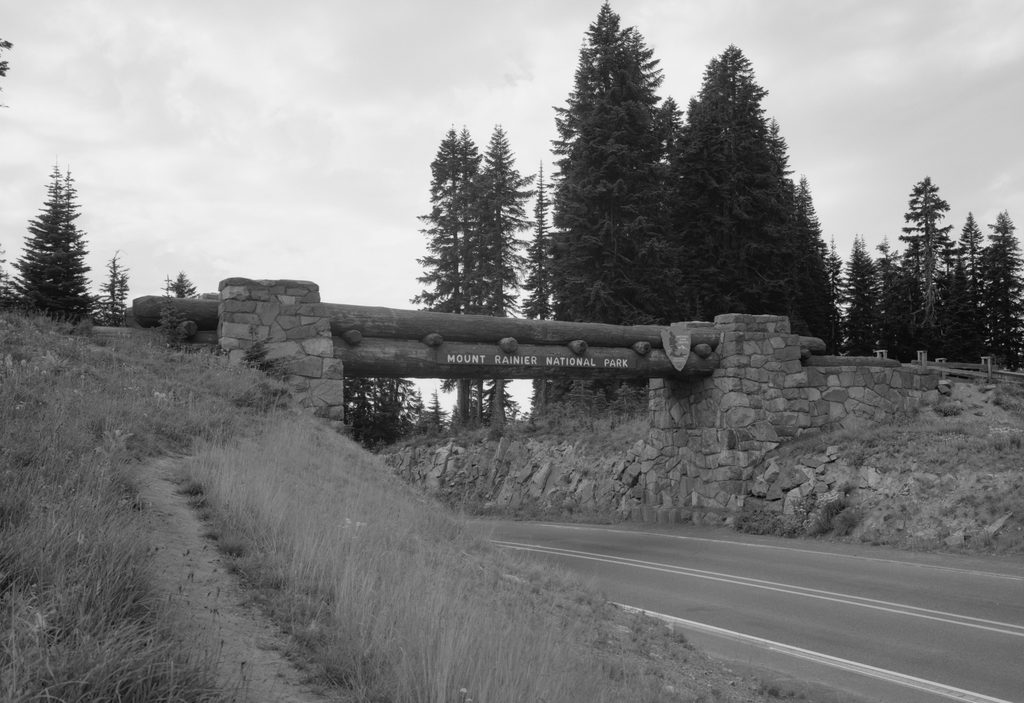
Place · 1.2 mi away
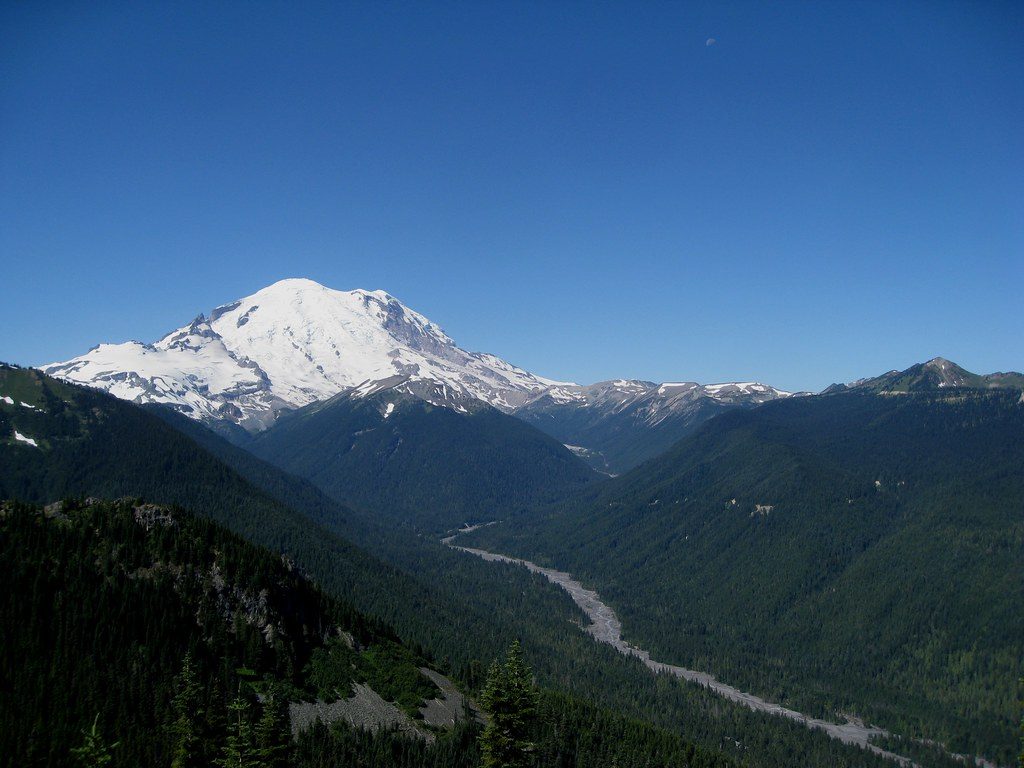
Place · 1.2 mi away
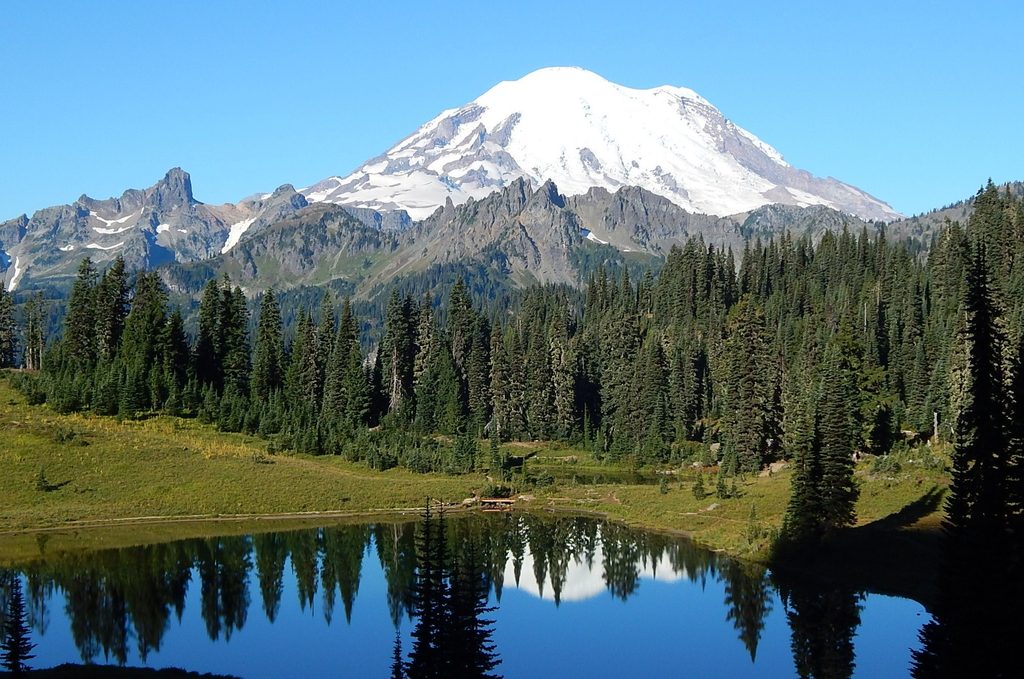
Place · 1.4 mi away
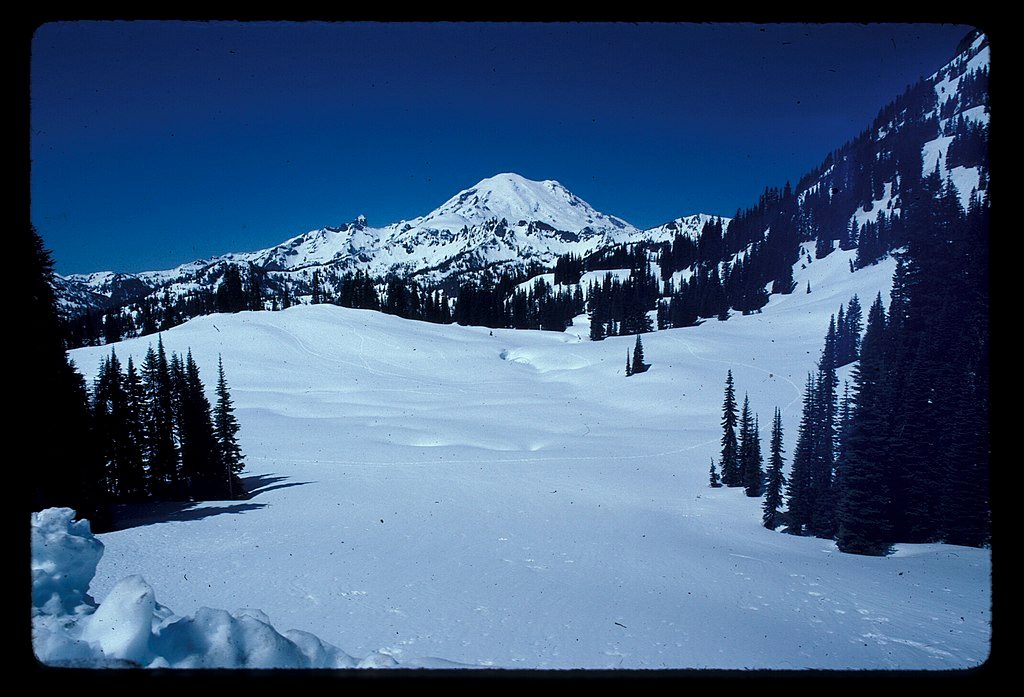
Easy · 1.2 mi away
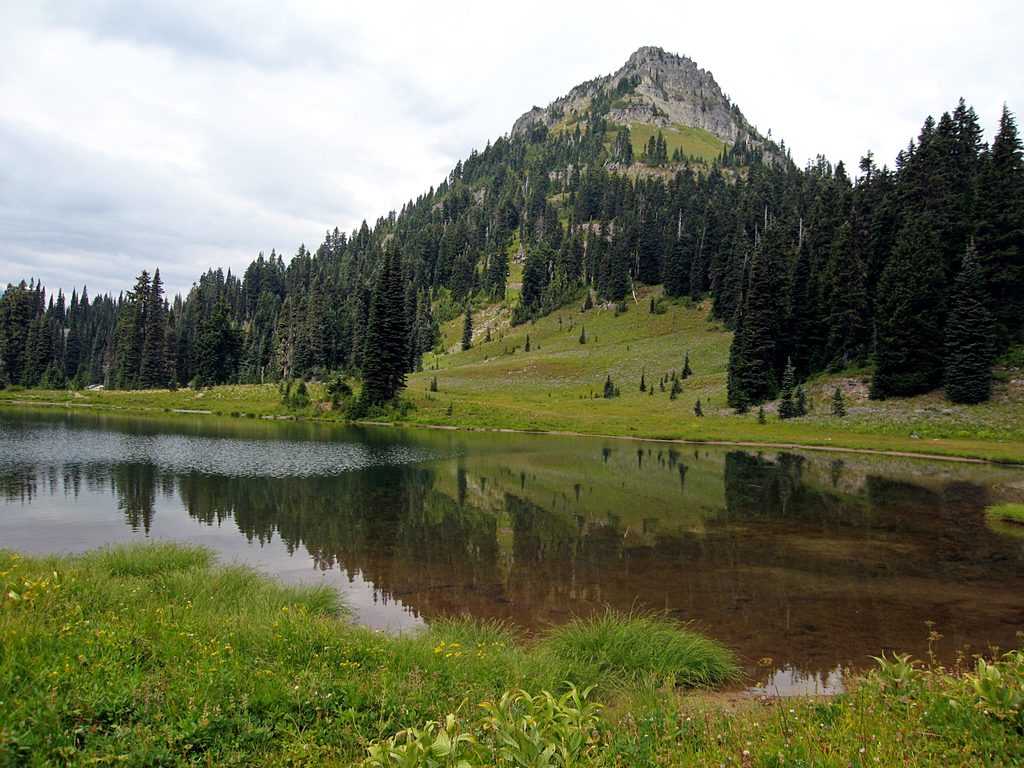
Easy · 1.4 mi away
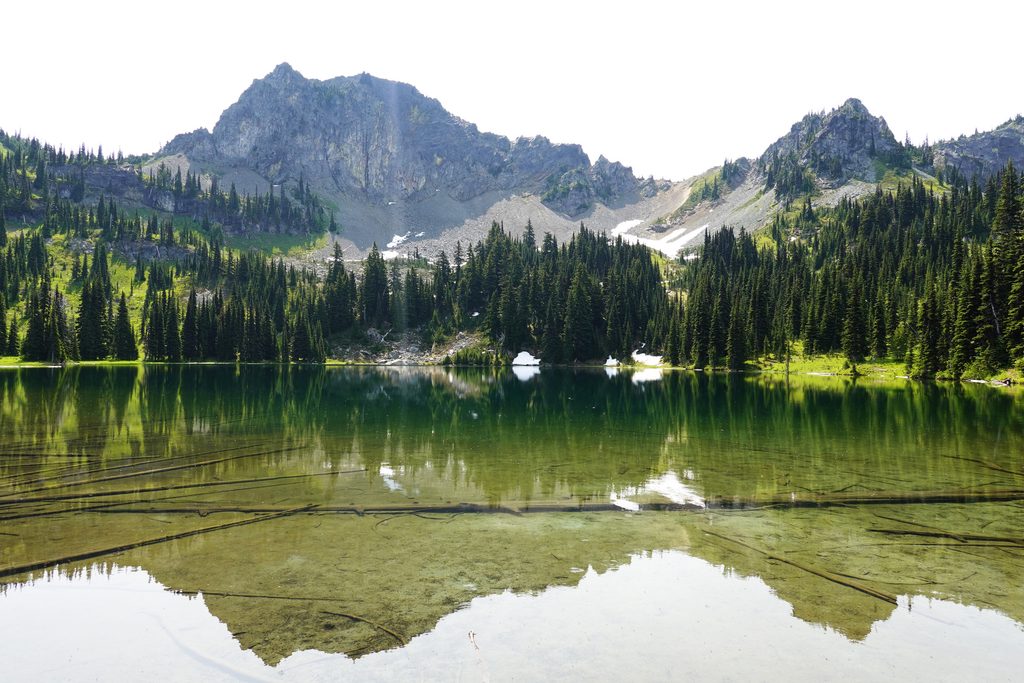
Challenging · 2.4 mi away
Challenging · 2.4 mi away

Parkwolf Tour Guide
