
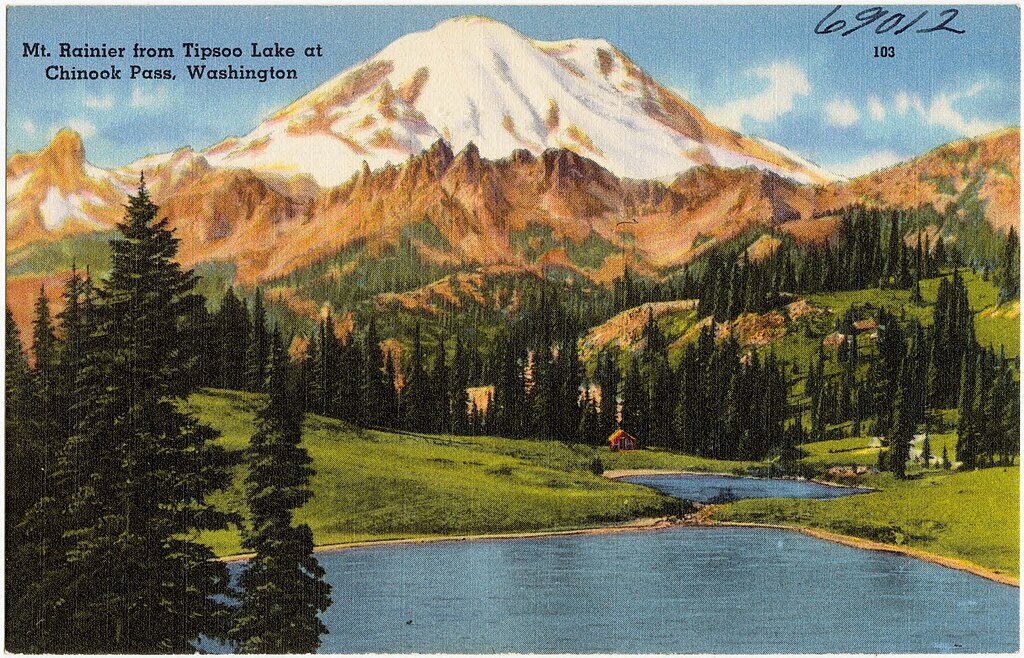
Place · 0 mi away
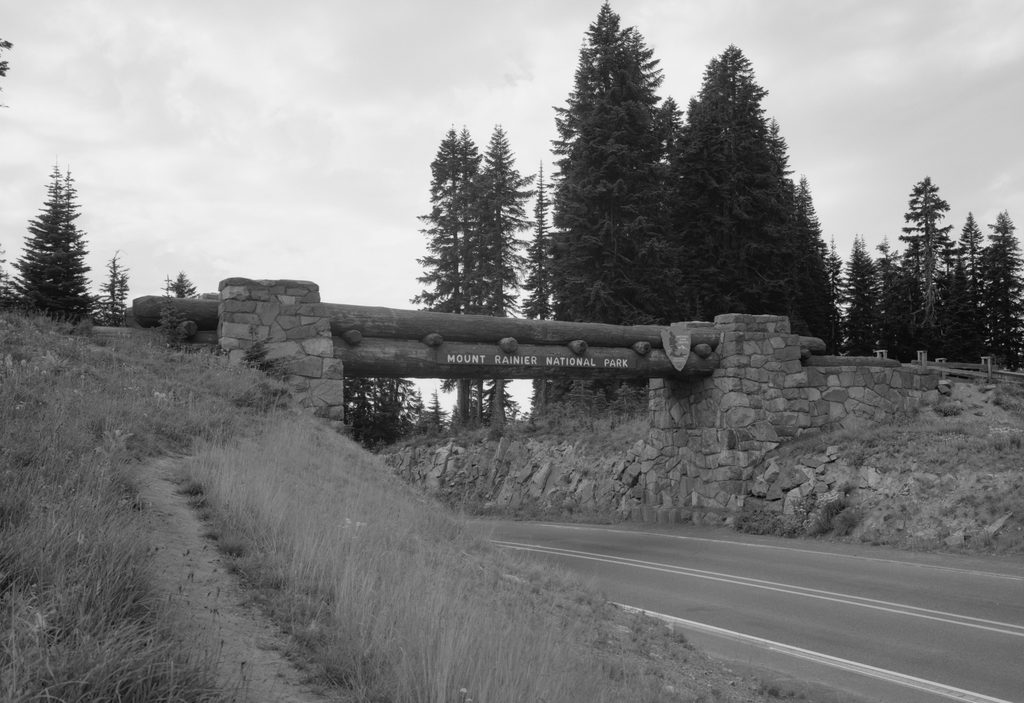
This is the park’s dramatic eastern gateway: a timber-and-stone arch spanning SR 410 at 5,432 feet that also carries the Pacific Crest Trail overhead. Built in 1936 by the Civilian Conservation Corps in classic National Park Service Rustic style, it blends chunky stone abutments with massive cedar logs (about 90 feet across; 36-inch deck logs and 30-inch guard logs). It’s part of the Mount Rainier National Historic Landmark District and underwent a major preservation effort in 2011–2012 to keep the original character intact.
Unlike a typical entrance marker, this one is a working bridge for hikers and horseback riders on the PCT. Stand beneath it as hikers cross above, or frame photos through the arch toward nearby ridgelines. It’s a rare combo of Depression‑era craftsmanship and trail culture in one quick stop.
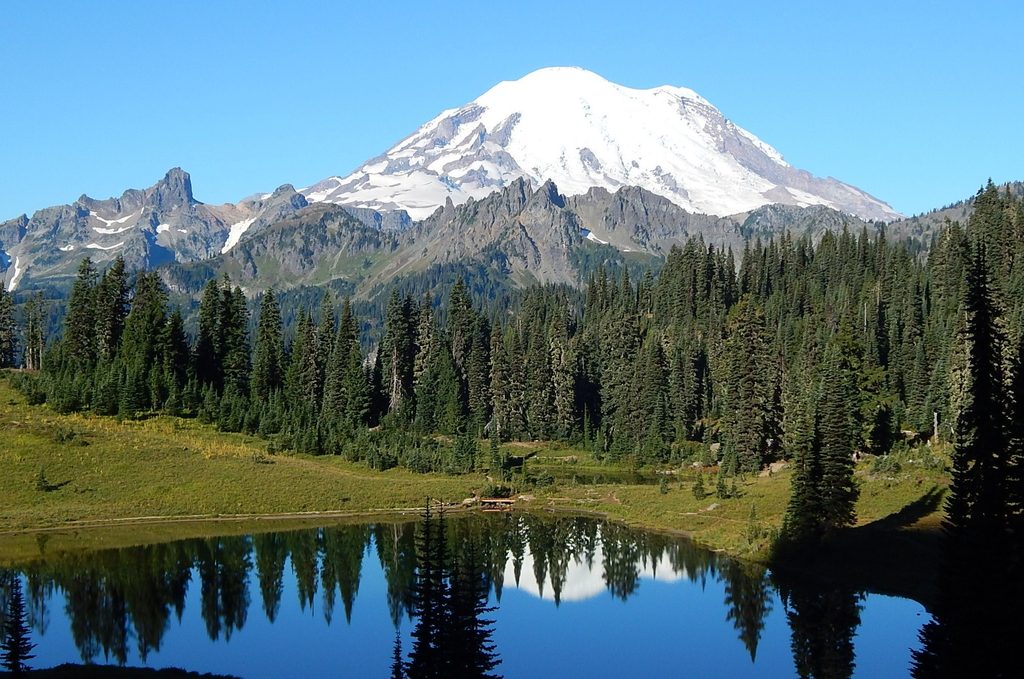
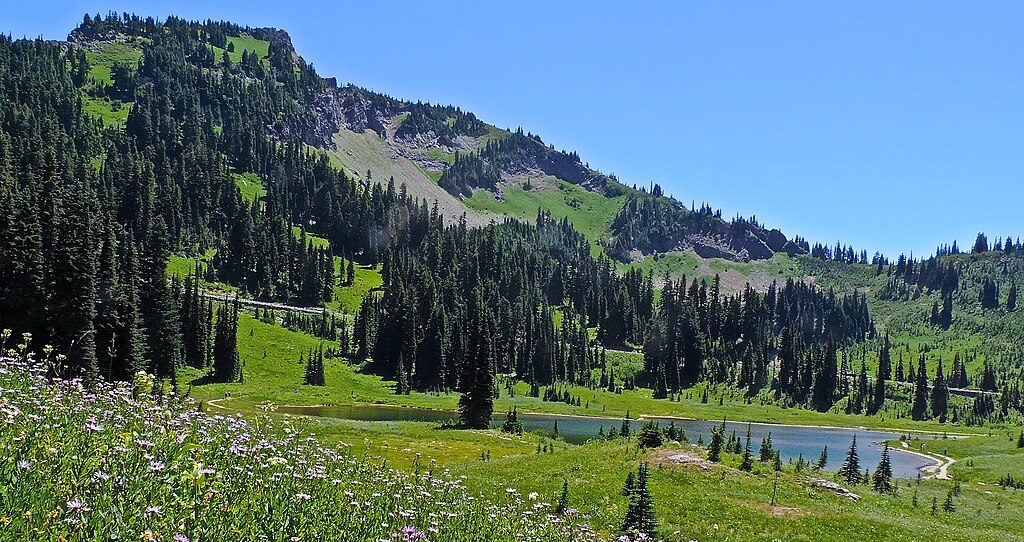
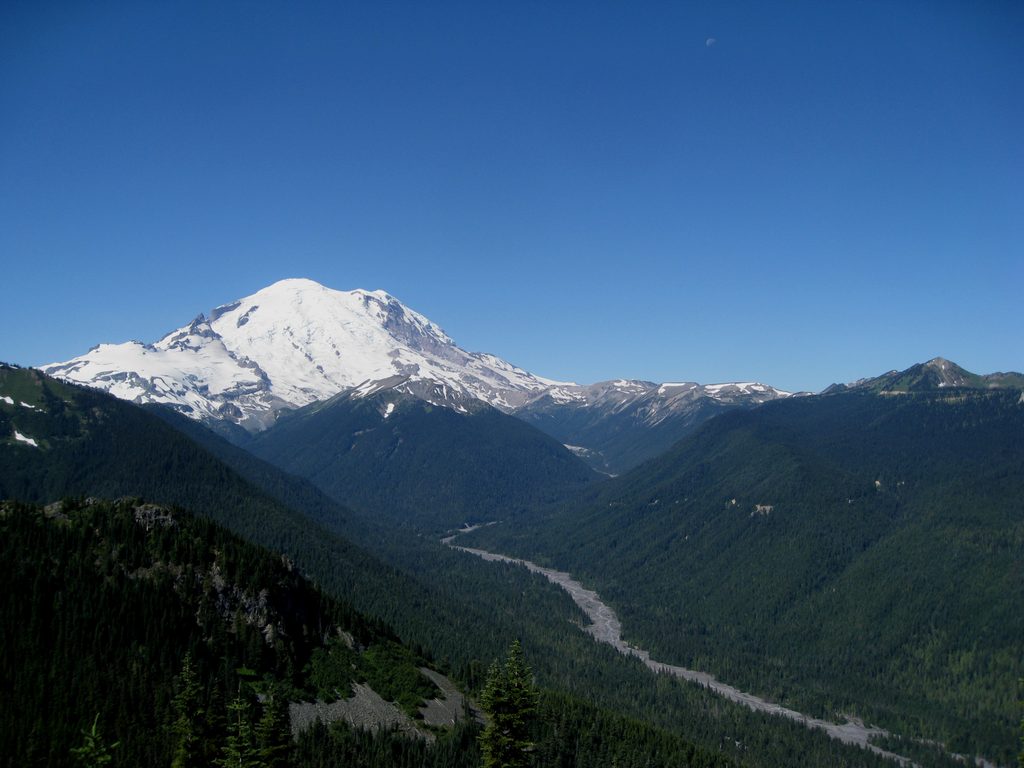
Expect sweeping views of subalpine meadows and craggy peaks, with Naches Peak and Yakima Peak close by. Tipsoo Lake is just around the corner with short, scenic loops—easy to pair with your stop at the arch. In summer, the area pops with wildflowers and lingering snow early in the season makes for striking contrast.
This high pass environment is good for casual wildlife spotting—think marmots, deer, and plenty of birds—with the occasional mountain goat in the broader area. Peak wildflower season mid to late summer brings pollinators and colorful meadows.
This is a true roadside landmark with a small pullout/parking area and scenic viewpoint feel. There’s no staffed entrance station here and no documented restrooms or services at the arch itself. Trails are adjacent, including the PCT crossing and easy paths at nearby Tipsoo Lake.
Designed in the early 1930s and completed in 1936 by CCC crews, the arch is a textbook example of the rustic style that defines many Mount Rainier structures—native stone, oversized timbers, and a design that feels rooted to the landscape. Restoration work in 2011–2012 replaced weathered elements while preserving the original look.
Yes—especially if you’re already driving SR 410. It’s a fast, rewarding pullout with history, architecture, views, and instant access to classic short walks nearby.
Place · 0 mi away
Place · 0.2 mi away
Place · 0.5 mi away
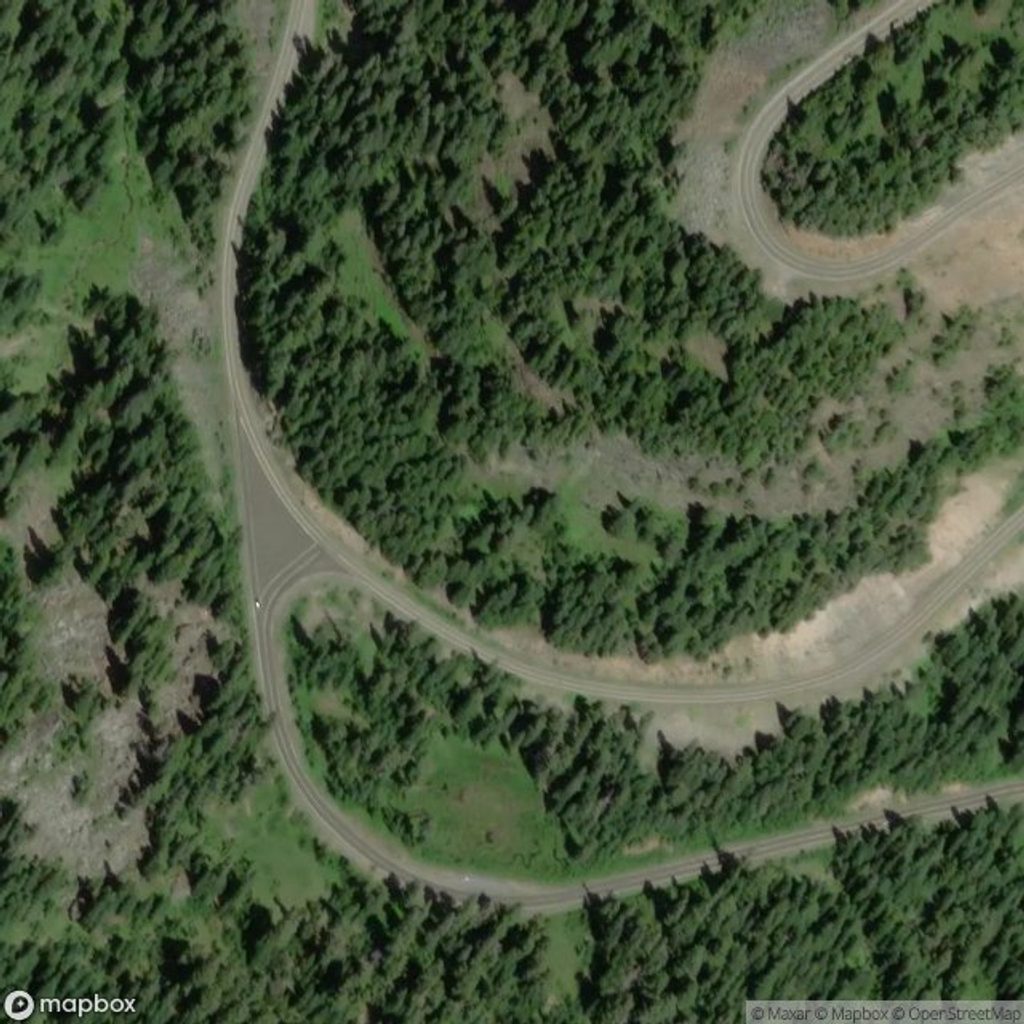
Place · 1.1 mi away
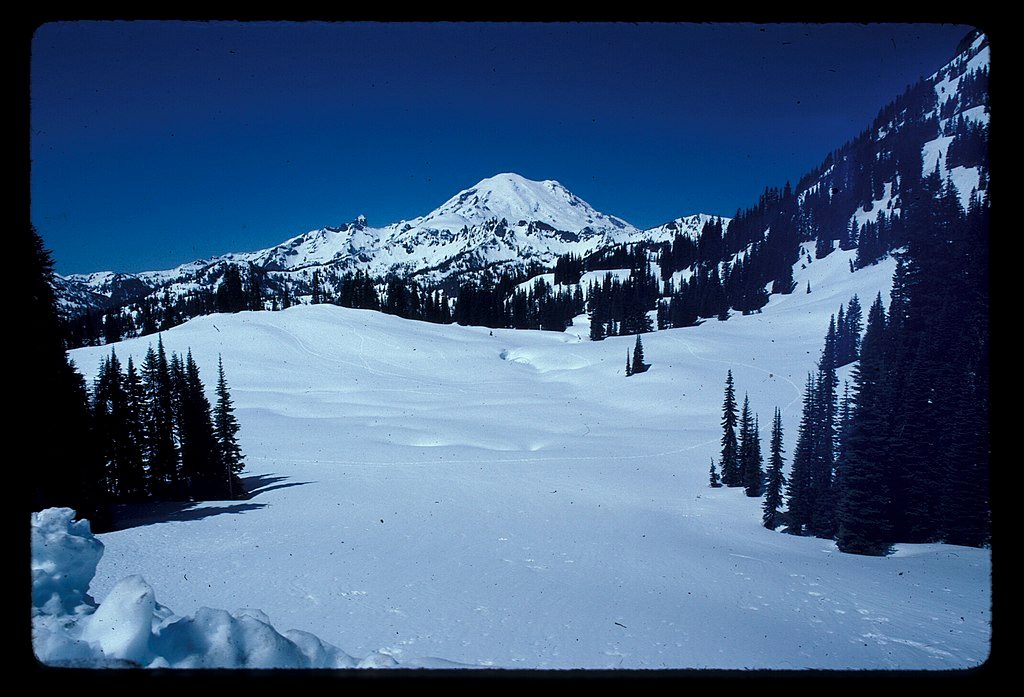
Easy · 0 mi away
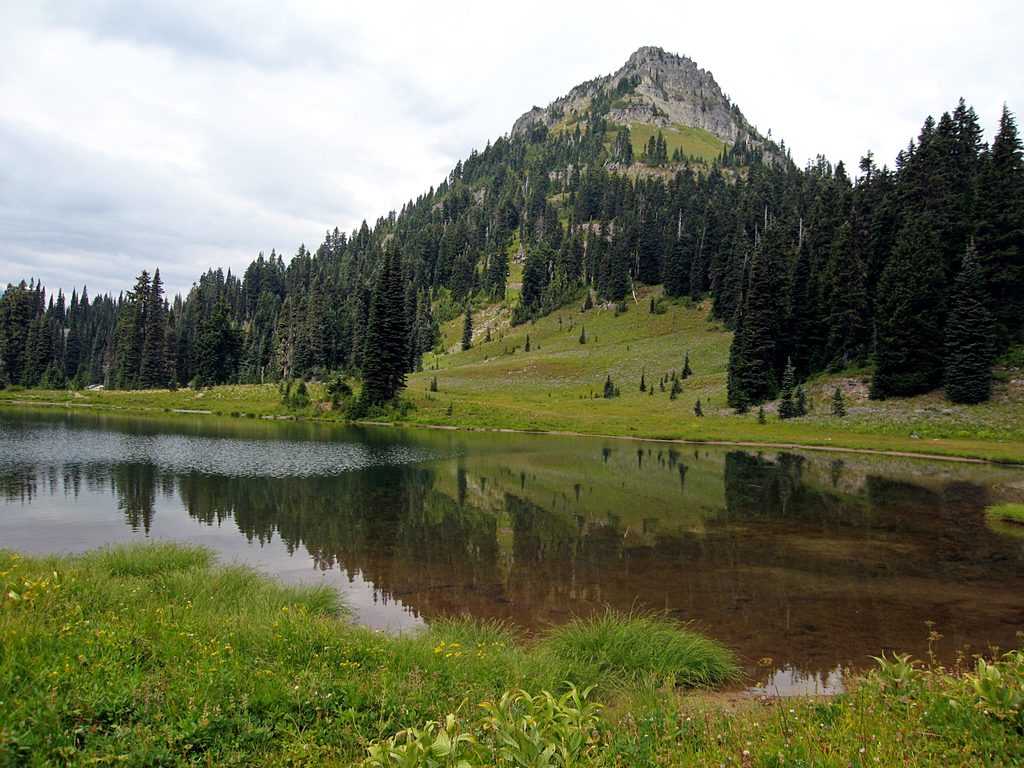
Easy · 0.3 mi away
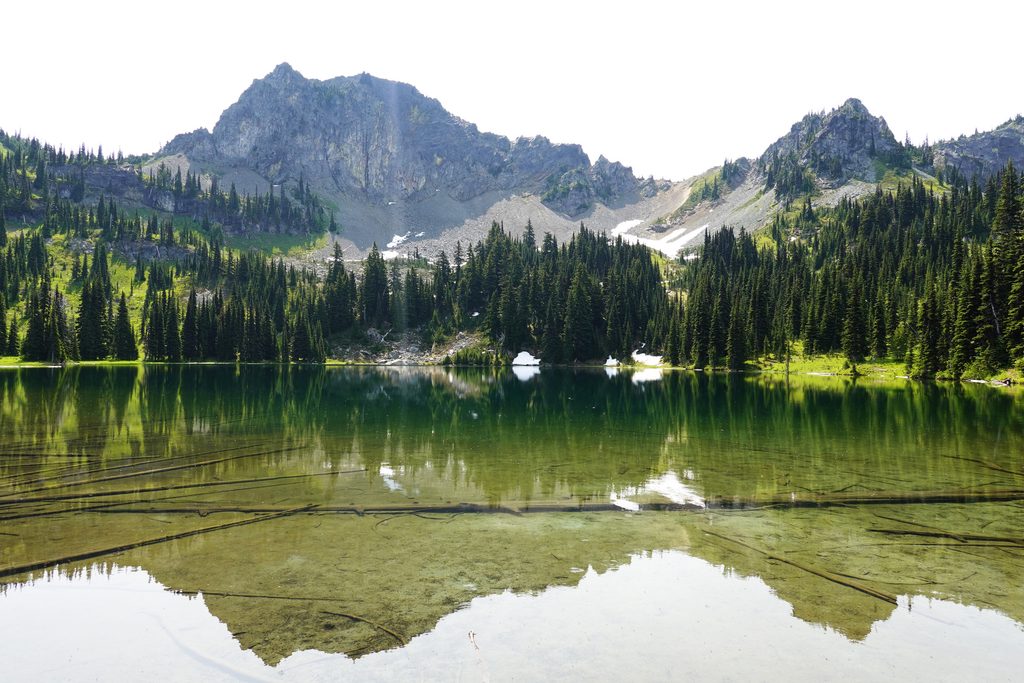
Challenging · 3.6 mi away
Challenging · 3.6 mi away

Parkwolf Tour Guide
