
Place · 1.1 mi away
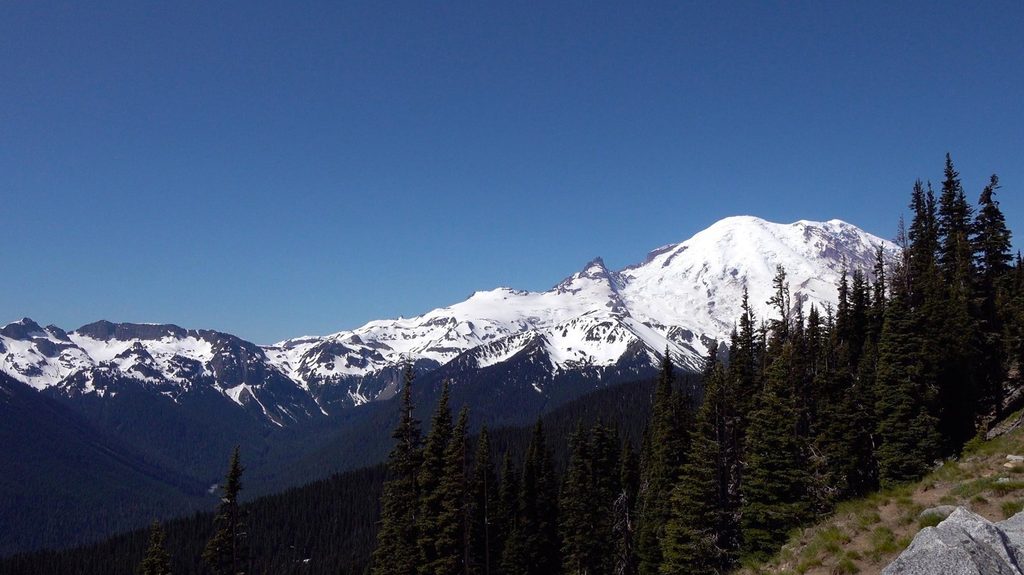
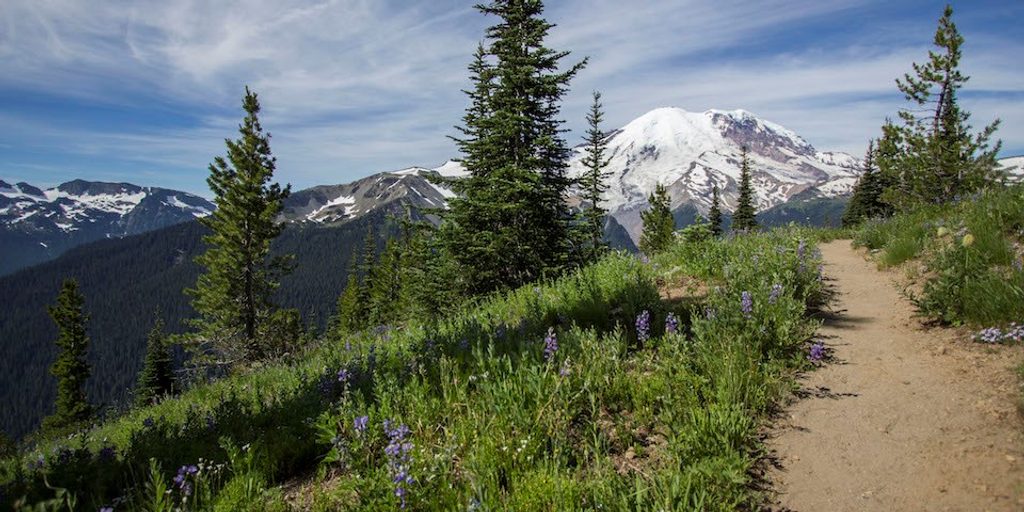
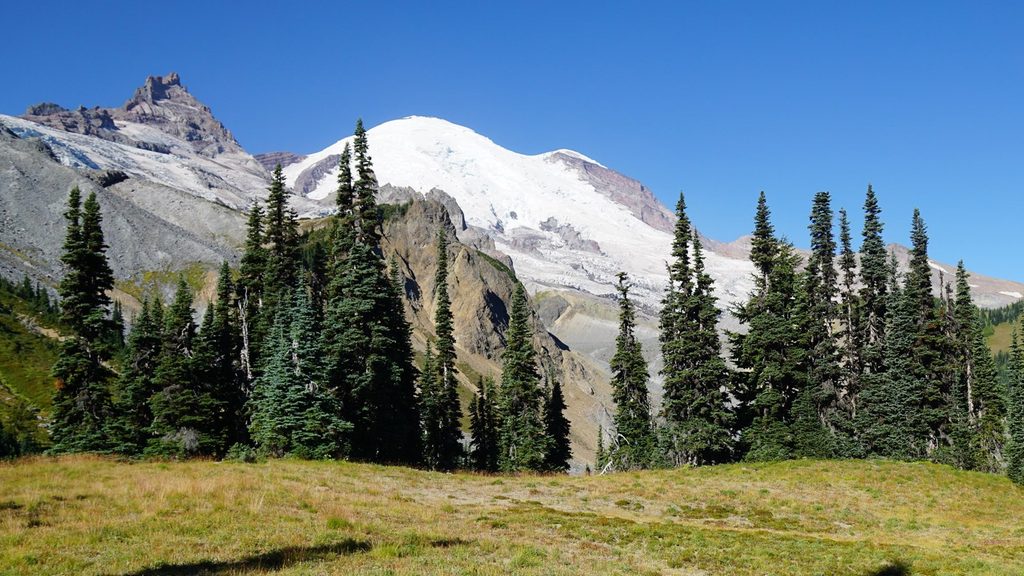
Perched around 6,120 feet on a lava ridgeline, Sunrise Point is the classic pullout on the drive to Sunrise. It delivers sweeping, almost-all-around views—the White River valley below, Mount Rainier and its hulking Emmons Glacier front and center, plus a parade of Cascade peaks. The overlook’s low rock walls were intentionally crafted to echo Rainier’s jagged skyline, so even the design nods to the mountain’s drama.
Sunrise and sunset are the magic hours here—soft light rakes across the meadows and glaciers, and the mountain glows. In peak summer, expect crowds; parking tends to fill after about 11 am. If you want breathing room (and better photos), arrive early or linger late.
This is a straightforward scenic stop with parking and trail access, not a developed hub. There are no restrooms, food, or water at the overlook itself; plan to use services at the main Sunrise area up the road. Seasonal note: the Sunrise Road typically opens only in summer due to snow, so there’s a short window to visit. If a timed-entry system is in effect, secure your reservation ahead of time and download details before you go.
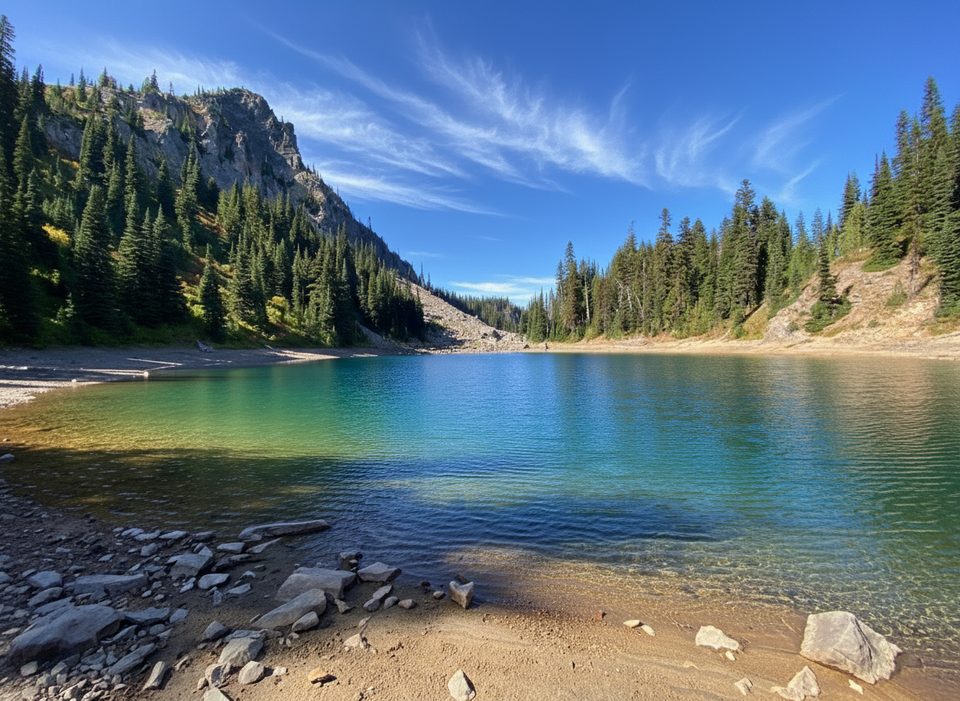
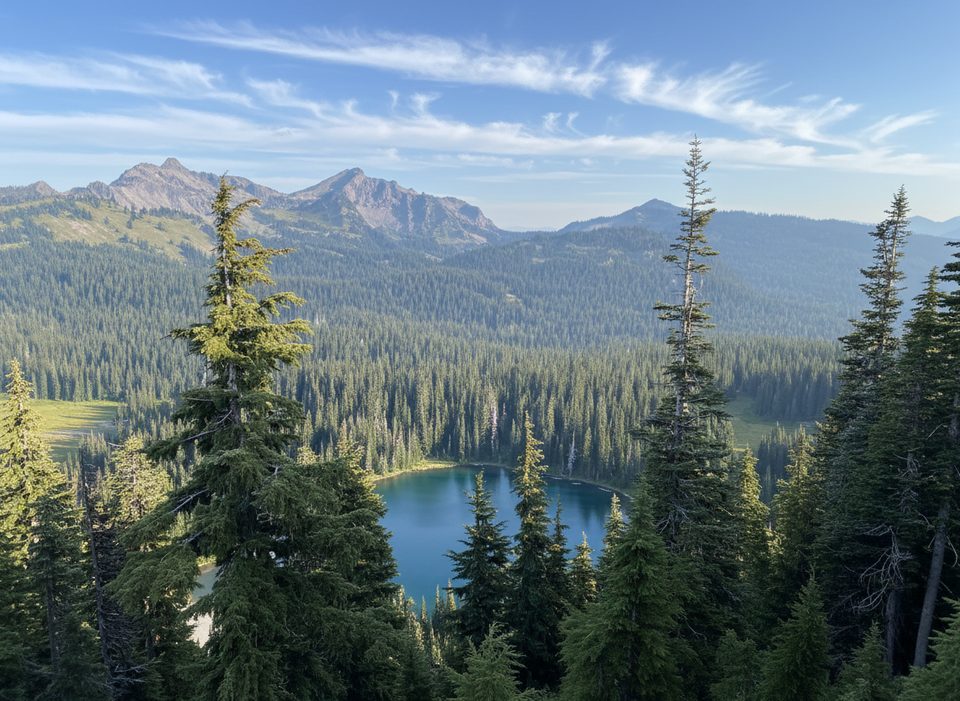
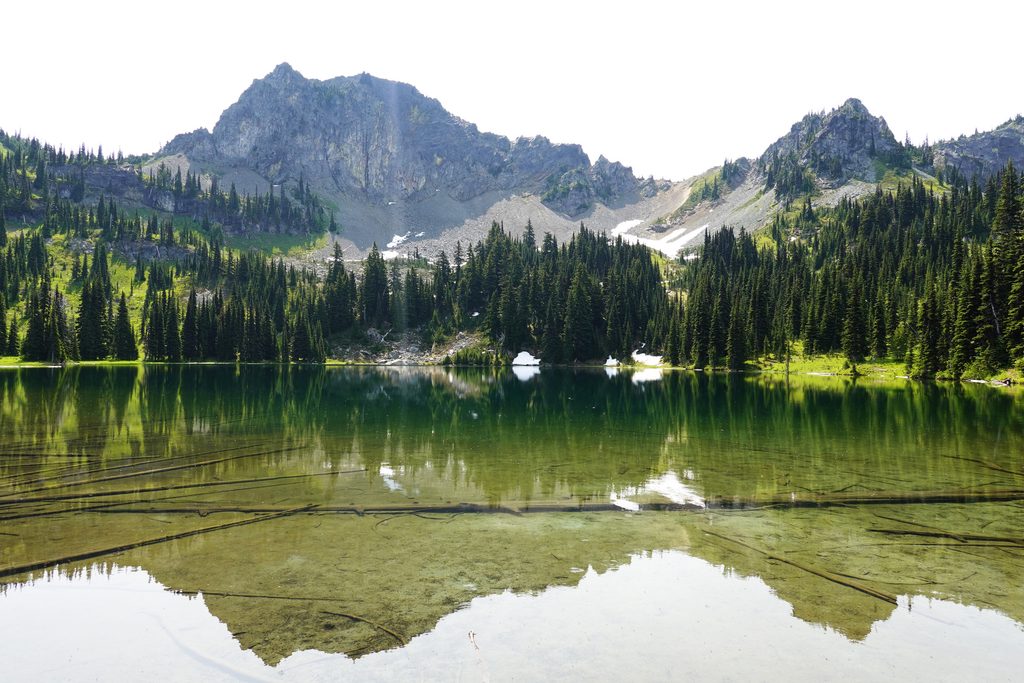
Don’t just snap and go—Sunrise Point doubles as a trailhead. The Palisades Lakes Trail leaves from here, threading a chain of alpine lakes, and you can also connect with Sourdough Ridge for big ridge-walk views. It’s an easy way to turn a viewpoint stop into a half-day adventure.
While this pullout isn’t a wildlife hotspot, nearby trails sometimes deliver marmots and deer, and you’ll likely hear or spot Clark’s nutcrackers working the subalpine trees. Summer brings those classic Sunrise-area meadow wildflowers.
Sunrise Road and Sunrise Point were laid out in the 1920s–30s to showcase scenery while minimizing landscape scars. The overlook took shape in 1931, with later CCC-era enhancements. Its placement on a volcanic ridgeline is no accident—the setting does a lot of the storytelling for you.
Early light is best for detail on Emmons Glacier; sunset can fire up Rainier’s face and the surrounding sky. Bring a longer lens for isolating glacier textures and distant volcanoes, and a wide angle for that near-360 sweep.
Place · 1.1 mi away
Place · 1.8 mi away
Place · 1.9 mi away
Place · 1.9 mi away
Easy · 0 mi away
Easy · 1.7 mi away
Moderate · 2.3 mi away
Challenging · 2.6 mi away

Parkwolf Tour Guide
