
Place · 0.1 mi away
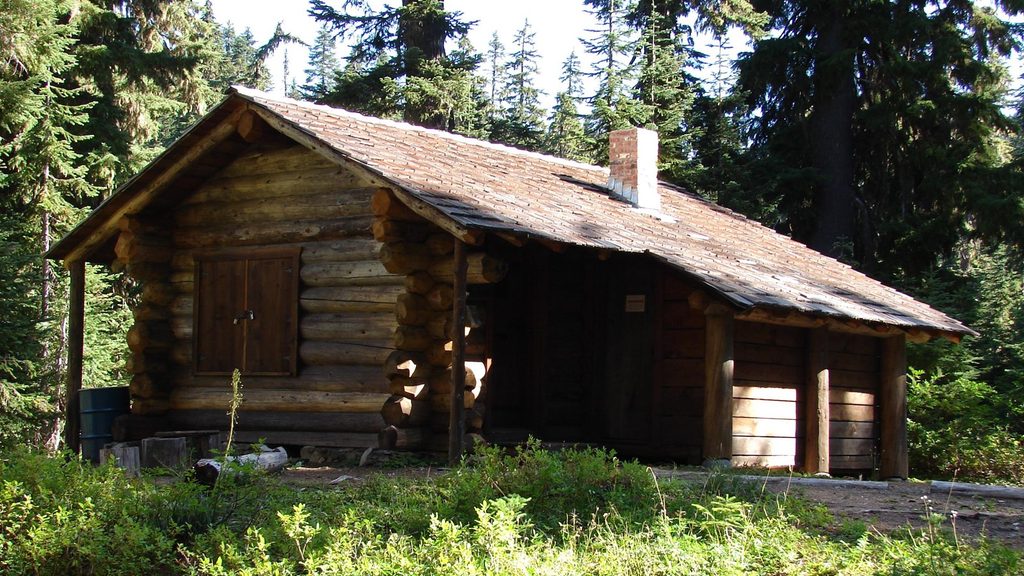
Tucked along the park’s east side, Three Lakes is a ridge‑top cluster of small mountain lakes reached via the Laughingwater Creek Trail. Two lakes and the historic Three Lakes Patrol Cabin sit inside the park; a third, larger lake waits just 0.2 miles farther, just over the boundary in designated wilderness. It’s a quieter corner of the park—expect solitude, tall timber, and still water.
The approach follows Laughingwater Creek before climbing steadily to the ridge. Near the end, the trail drops roughly 150 feet to the cabin and lakes—remember you’ll reclimb that on the way out. Many hikers press the extra 0.2 miles to the third (and least trampled) lake for a quieter shoreline.
Three Lakes has designated backcountry camps (permits required). It’s one of the few park camps where stock is permitted. A pit toilet serves the area. Past reports note the bear pole isn’t always dependable—plan to use a bear canister or a solid hang. Collect water from the lakes or outlet streams and treat before drinking.
Deer are common, and hikers report frogs around the shore. Black bears are part of the neighborhood; store food properly. Occasional sightings of larger predators are possible in this wild, lightly traveled zone.
Early season can linger here—snow patches and even ice on the lakes aren’t unusual. Summer brings bugs; expect mosquitoes around the water. The route is long and sustained, so budget time and energy accordingly.
This area stays comparatively low‑traffic most days, but you’ll find the most solitude early in the day. If you want a Rainier view, aim for a clear‑weather window and continue beyond the third lake. For camping, late summer typically offers the most reliable, snow‑free travel, while being mindful of mosquitoes.
Place · 0.1 mi away
Place · 0.1 mi away
Place · 0.3 mi away
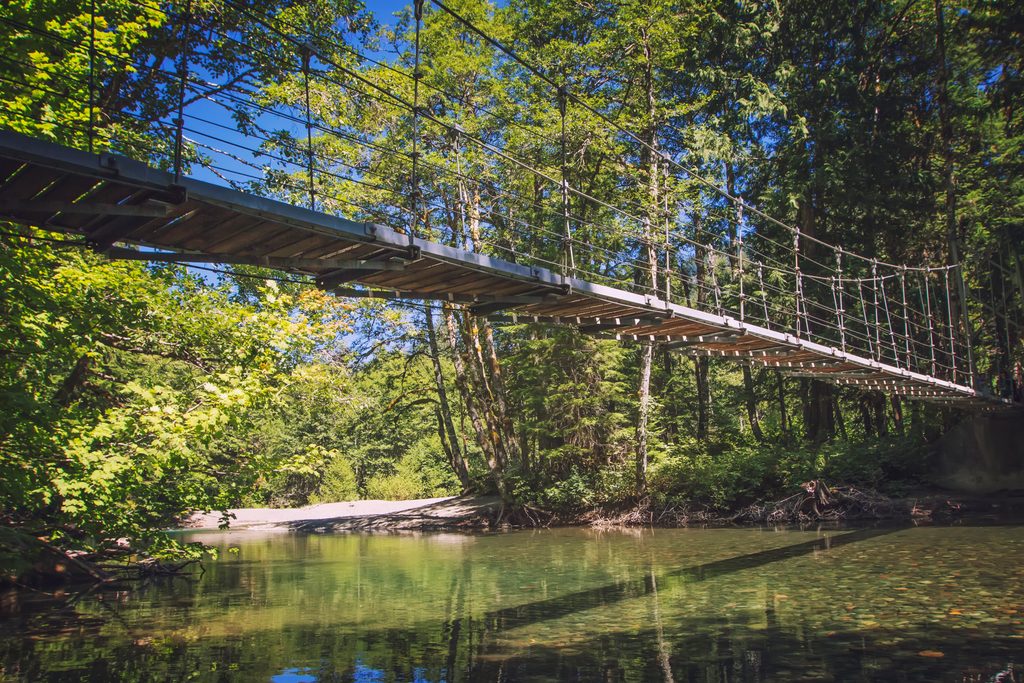
Place · 0.9 mi away
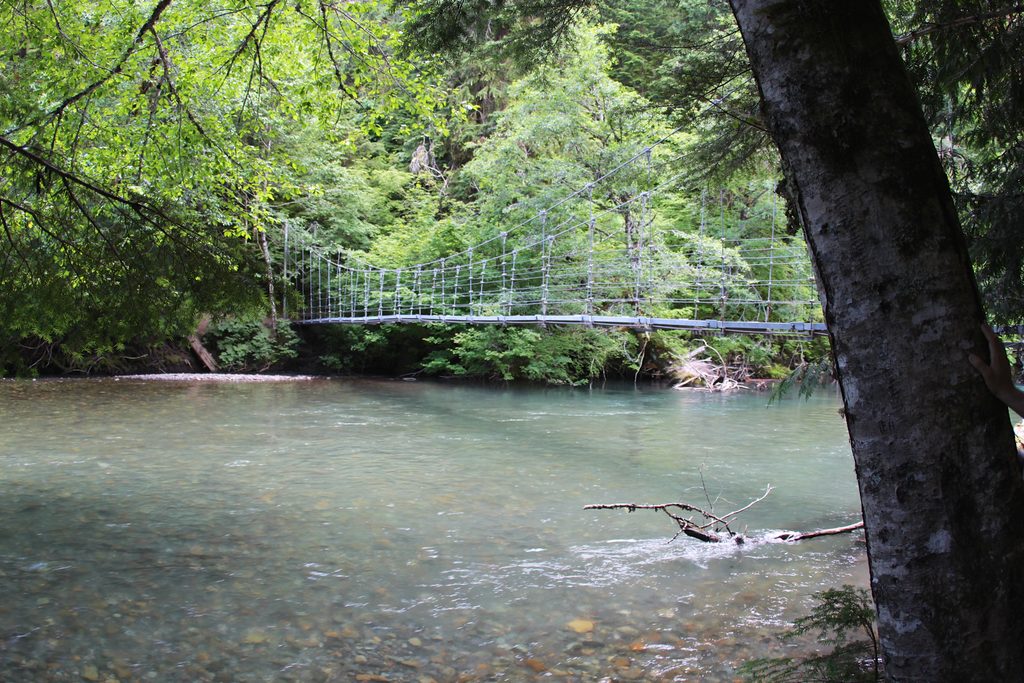
Easy · 0.8 mi away
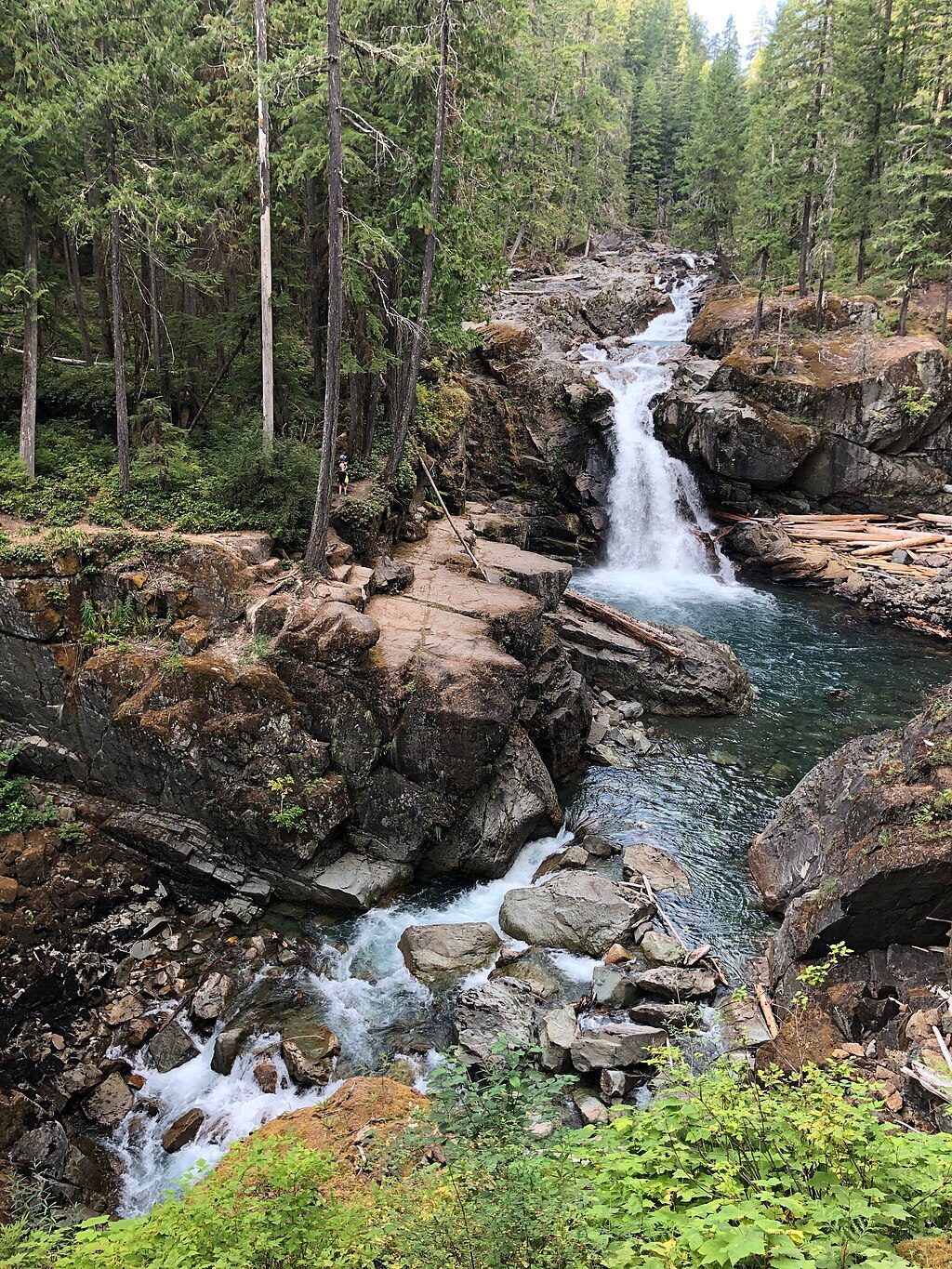
Easy · 1.2 mi away
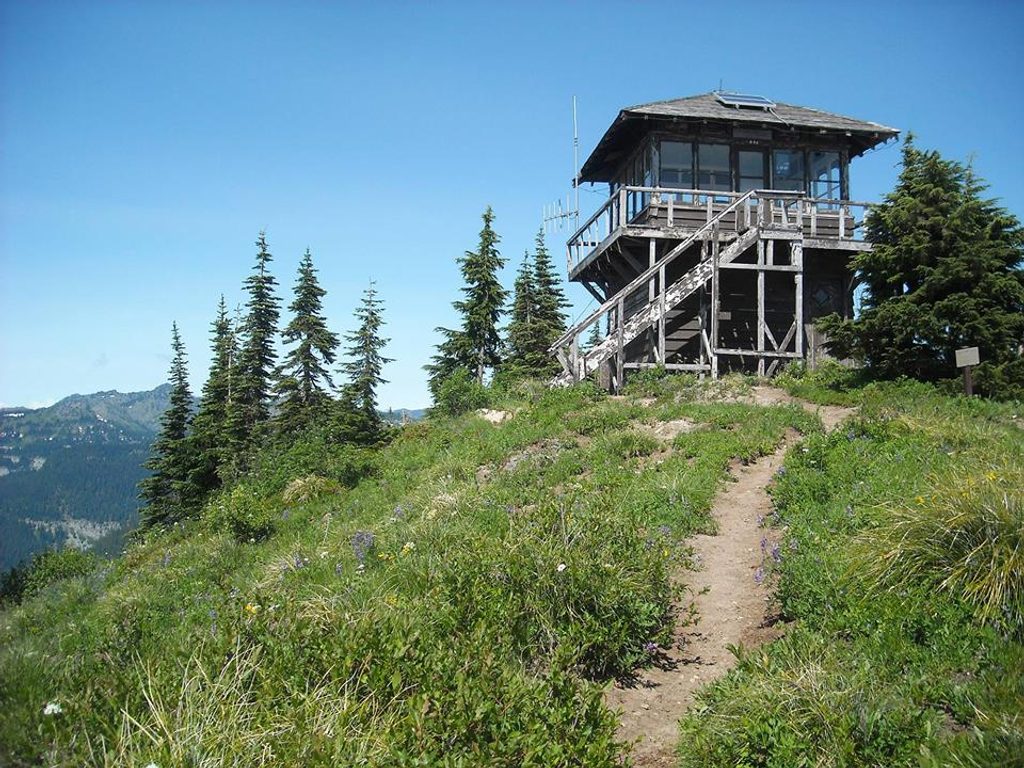
Challenging · 3.5 mi away
Easy · 3.8 mi away

Parkwolf Tour Guide
