
Place · 0 mi away
Moderate
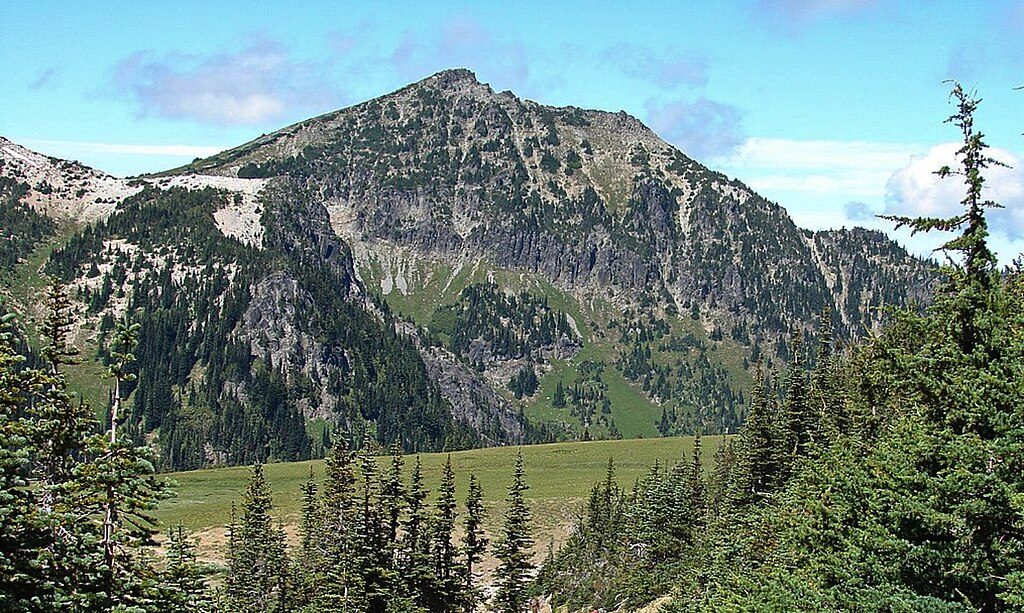
Looking for the quintessential Sunrise-area hike without the shoulder-to-shoulder scene? Skyscraper Mountain delivers. Expect a well-graded, scenic climb to Skyscraper Pass with the option to tack on a short, steep bootpath to a true summit. Plan on about 8.5 miles round-trip if you tag the top (roughly 6.8 miles round-trip to the pass) with 1,700–2,000 feet of total gain depending on your exact route and device.
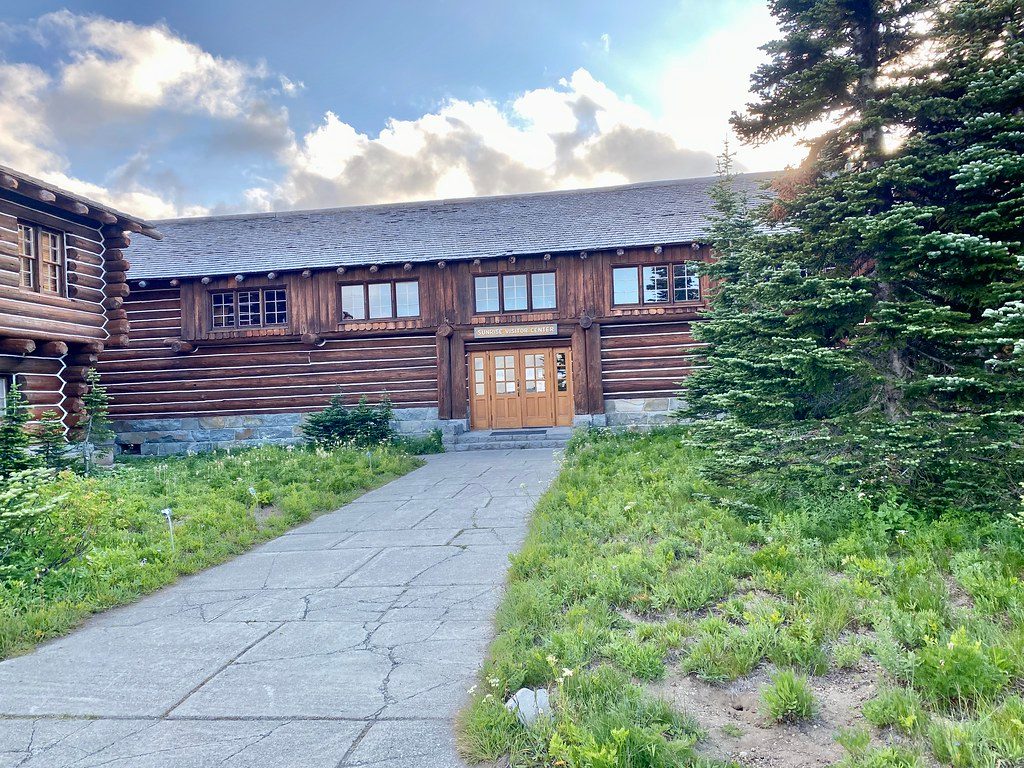
Start from the Sunrise Visitor Center and climb to Sourdough Ridge, then head west along the airy ridge to a five-way junction. Pick up the Wonderland Trail toward Skyscraper Pass, weaving through open meadows and rocky slopes. At about 3.4 miles you’ll reach Skyscraper Pass—already a stellar viewpoint and a great place for a wind-sheltered break. From the pass, an obvious but unmaintained bootpath heads north to the summit. It’s steep, on loose rock in spots, and exposed in places, but remains a non-technical walk-up for experienced hikers comfortable with uneven alpine terrain.
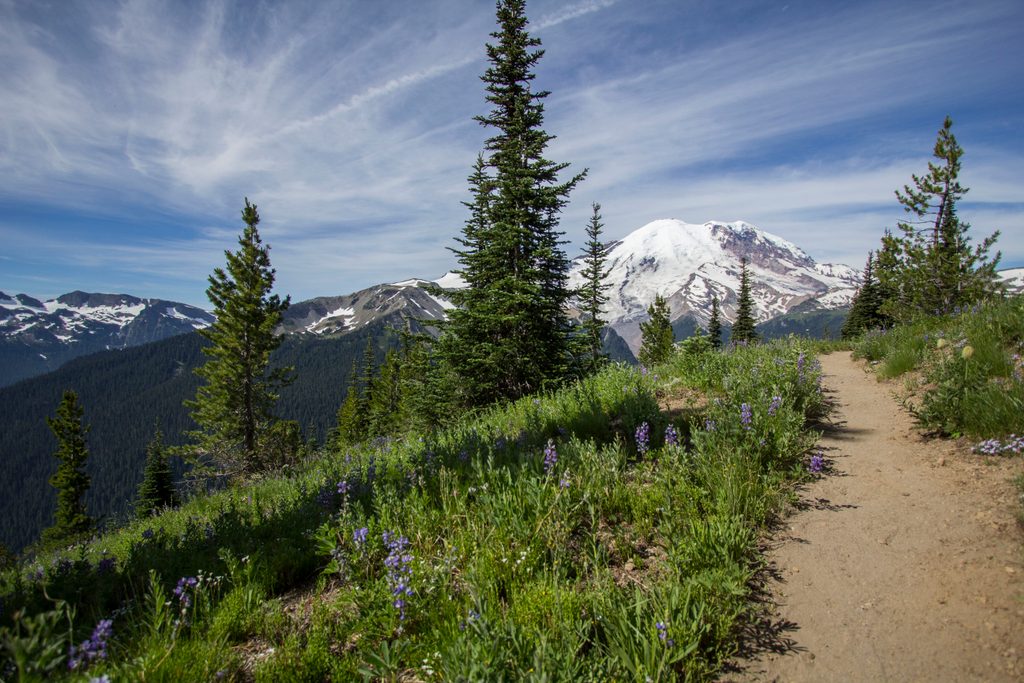
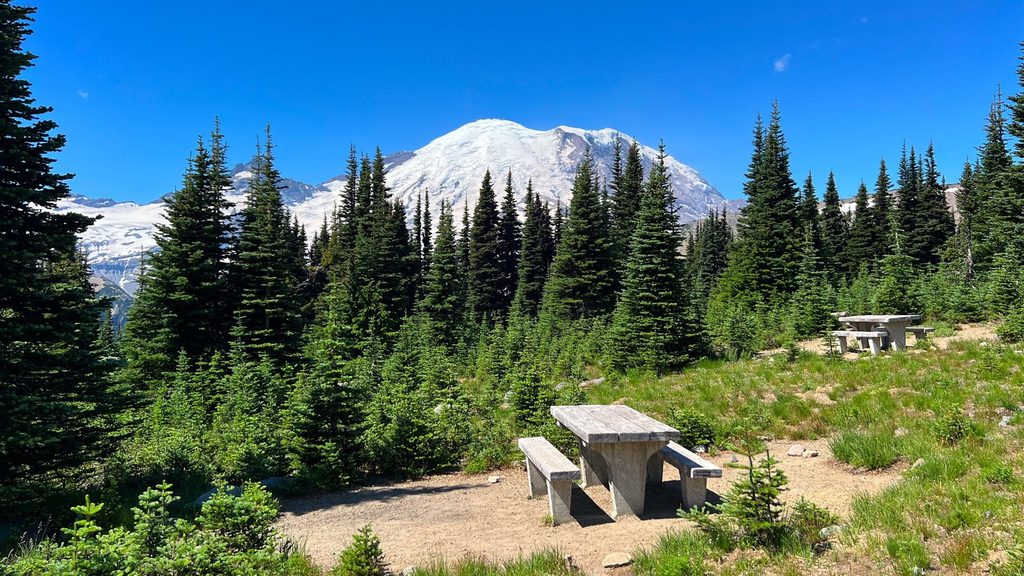
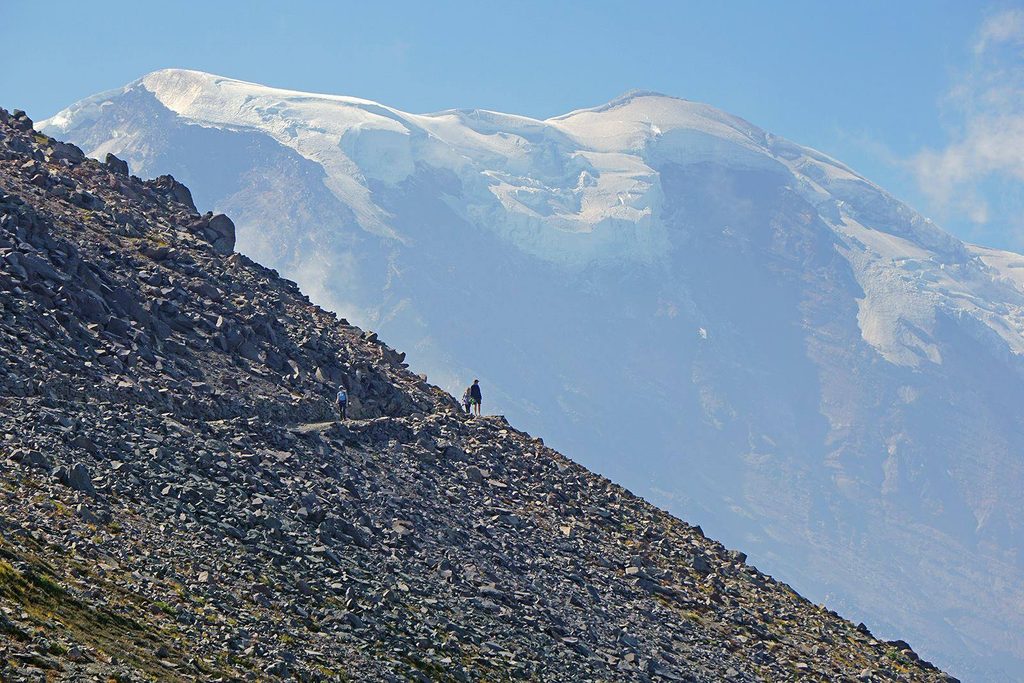
This is Sunrise at its best: broad subalpine meadows bursting with summer wildflowers, marmot whistles echoing across the basins, and big, head-on views of Mount Rainier’s glaciers. From the summit, the panorama takes in Burroughs Mountain, Berkeley Park, Sluiskin Mountain, and the Emmons Glacier. The ridges here showcase classic volcanic high country—rocky tread, pumicey soils, and dramatic relief above the White River valley.
Skyscraper sees fewer people than nearby headliners like Burroughs Mountain or Dege Peak—especially beyond Skyscraper Pass. If you like the Sunrise scenery but prefer a little breathing room, this is your move.
Go July through September when the Sunrise Road is open and most snow has melted. Early season can leave snowfields on north-facing slopes—beautiful, but slippery. Mornings offer cooler temps, calmer winds, and flattering light on Rainier. Midweek is the sweet spot for solitude; weekends are busier near Sunrise but still reasonable past the pass on this route.
The summit path is not a constructed trail; expect loose rock and short sections of exposure. Early-season snow on shaded slopes can mean a long slide if you fall—cross with caution or turn back. Weather changes fast at ~7,000 feet, so pack layers. Pets are not allowed on park trails. Day hikers don’t need a permit; overnight trips in the area do.
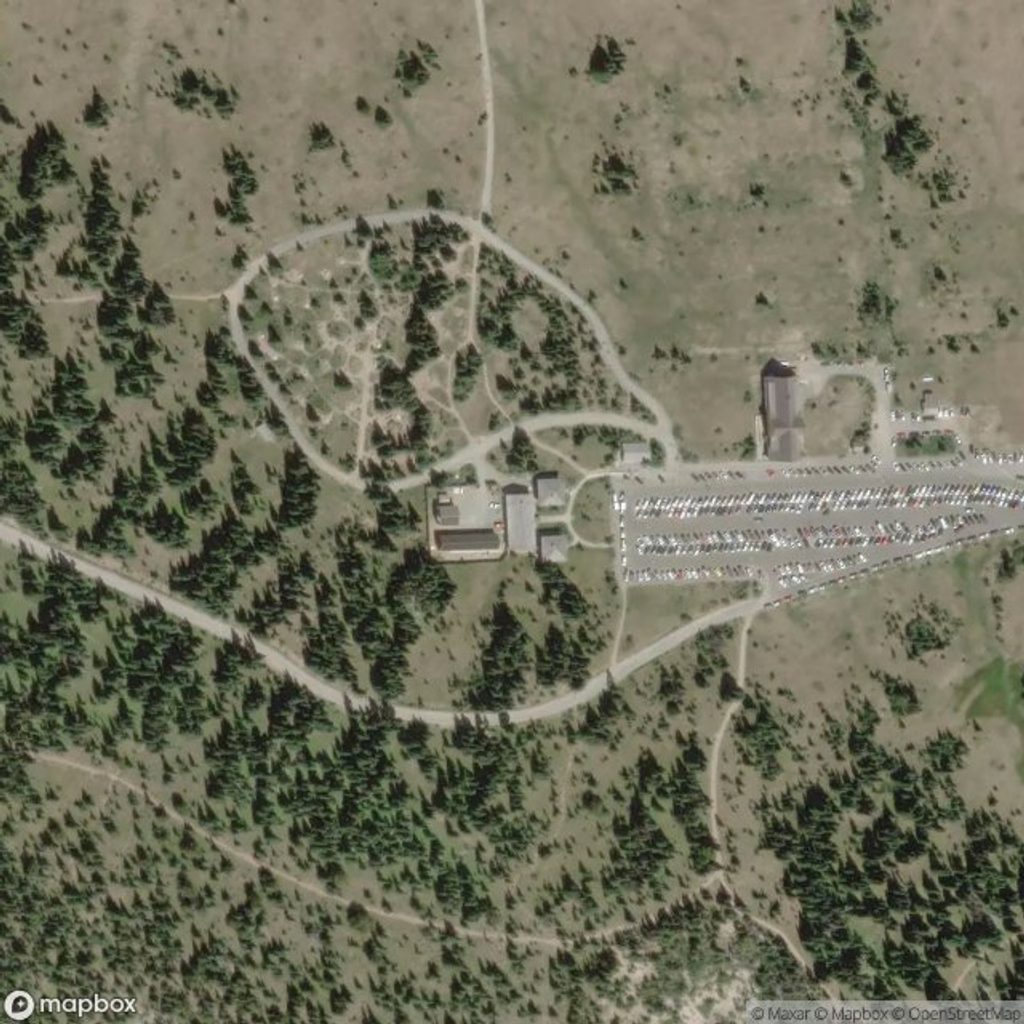
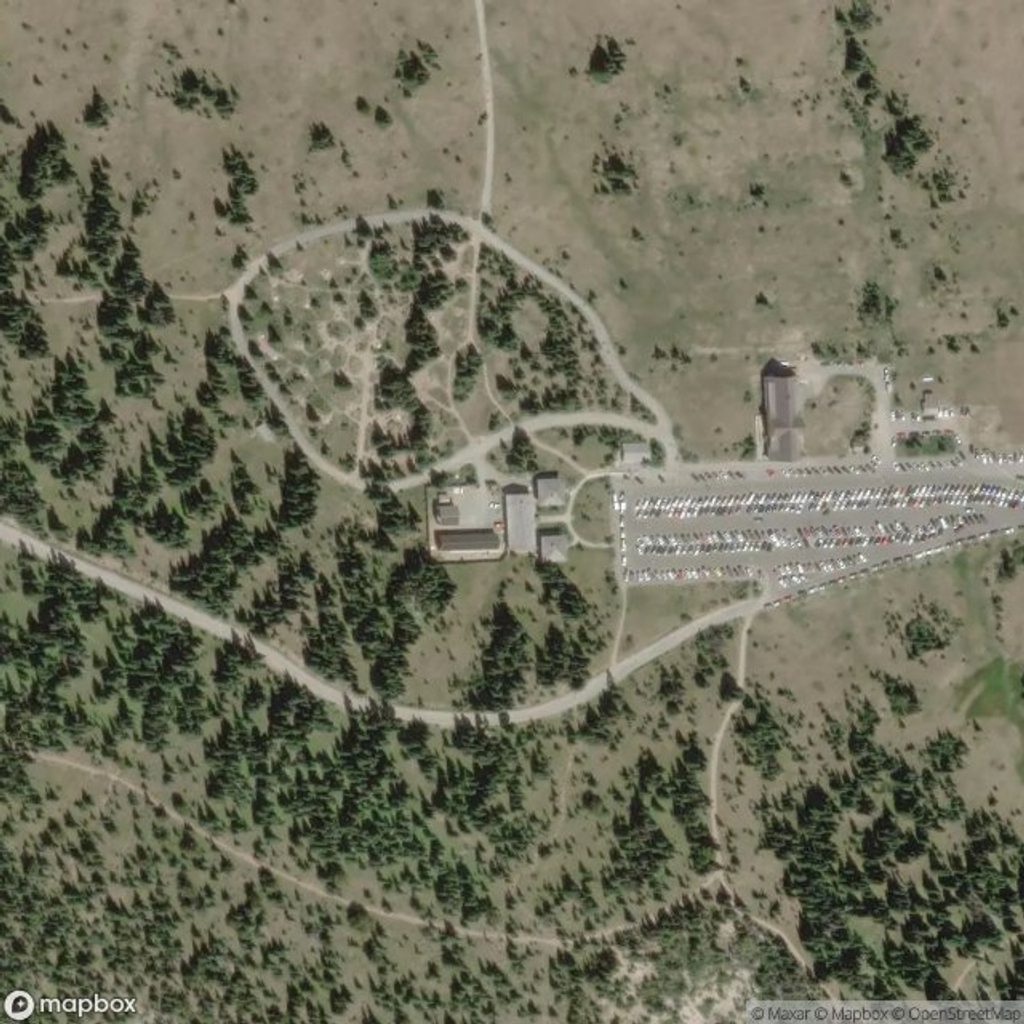
Park at the Sunrise Visitor Center; the trail begins between the restrooms and the lodge.
High sun exposure; steep, unmaintained summit bootpath with some exposure; lingering early-season snowfields on shaded slopes can lead to long slides.
Place · 0 mi away
Place · 0 mi away
Place · 0.1 mi away
Place · 0.1 mi away
Challenging · 0 mi away
Moderate · 0 mi away
Challenging · 0 mi away
Challenging · 0 mi away

Parkwolf Tour Guide
