
Place · 1.8 mi away
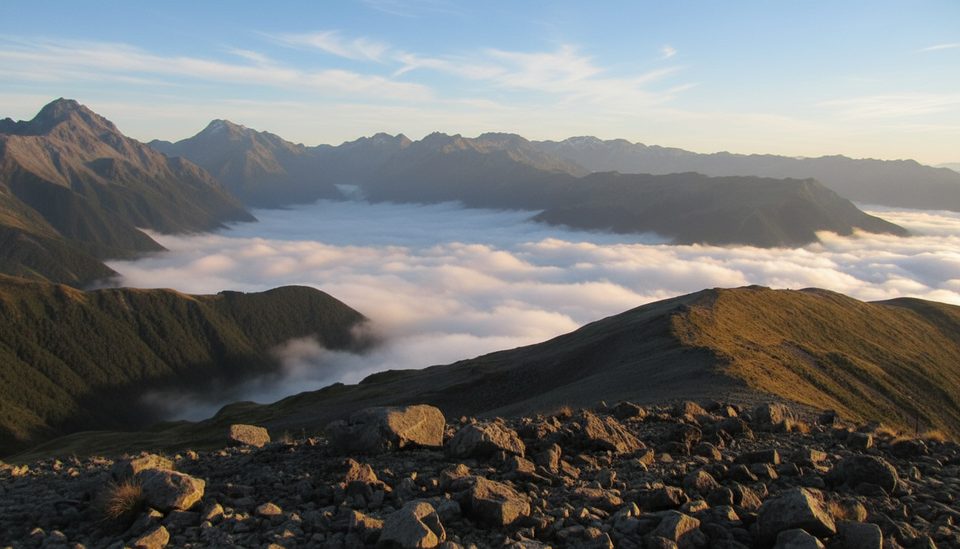
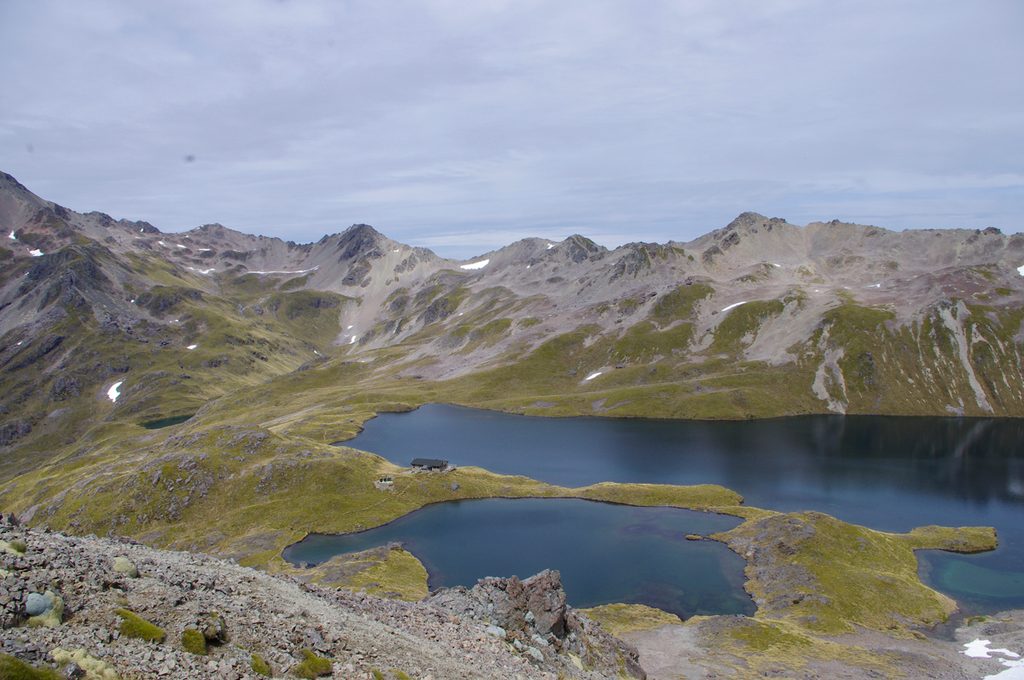
Cedric Peak anchors the high, tussock-and-scree backbone linking Angelus Hut with Sabine Hut. The route is beloved by trampers who want loftier views and a wilder feel than the standard Robert Ridge. Expect vast sightlines over Angelus Basin and Lake Rotoroa, plus a satisfying mix of beech forest, rugged rock, and airy ridgelines.
Most parties connect Cedric with Angelus and Sabine as part of a 2–3 day trip. From Sabine Hut, the climb to the alpine zone is unrelenting—hands-on roots in steep forest before bouldery, exposed travel near 1,800 m. In reverse, the descent is notoriously punishing on ankles. In clear weather it’s spectacular; in clag it’s committing and slow.
Above treeline, this is true alpine travel: exposed to wind and whiteout, with snow patches possible outside winter. From late autumn through spring, ice, snow, and avalanche terrain are real factors; navigation can be tricky when markers are buried. Slips are a common cause of injuries. Sandflies are prolific around Rotoroa, and wasps are often around Sabine Hut in summer.
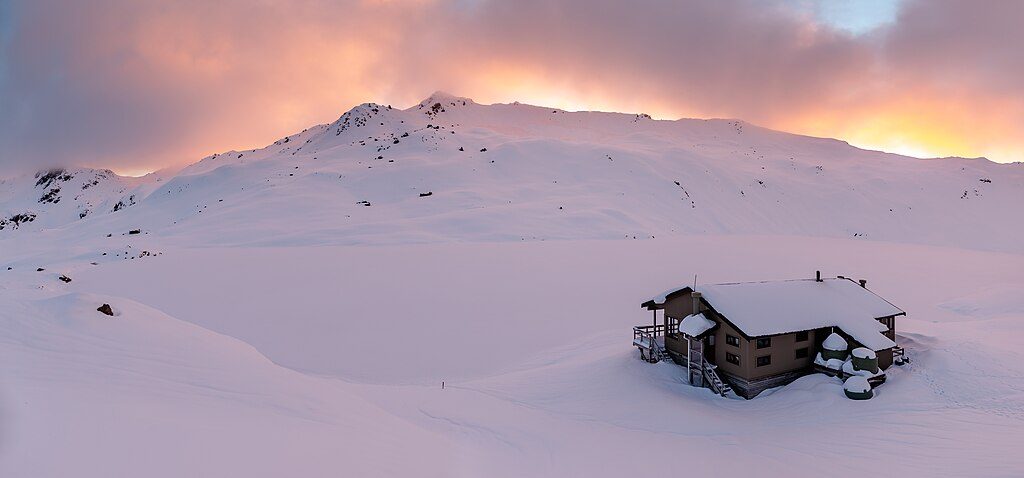
Do not rely on water along the alpine sections—carry what you need between huts. Angelus and Sabine Huts are the logical refill and overnight points, but treat or boil all natural sources. In winter, Angelus’ plumbing is disconnected and you may be melting snow. Many parties start/finish at the Mt Robert car park; some arrange a Lake Rotoroa water taxi to or from Sabine to save the long lakeshore exit.
If you enjoy steep, physical climbs and exposed alpine terrain, Cedric feels like the park at its best. If you prefer gentle grades and marked tracks, this will feel gruelling, especially in poor visibility.
Go when the forecast is settled and clear. Summer and fine autumn windows make for safer footing and better views; winter and shoulder seasons demand crampons, ice axe, avalanche awareness, and confident navigation. Angelus can be busy (including school groups), so start early from huts for quieter ridges and better light.
Place · 1.8 mi away
Place · 1.8 mi away
Place · 1.8 mi away
Place · 1.8 mi away
Challenging · 5.8 mi away
Challenging · 7.6 mi away
Moderate · 7.6 mi away
Easy · 7.8 mi away

Parkwolf Tour Guide
