
Place · 0.2 mi away
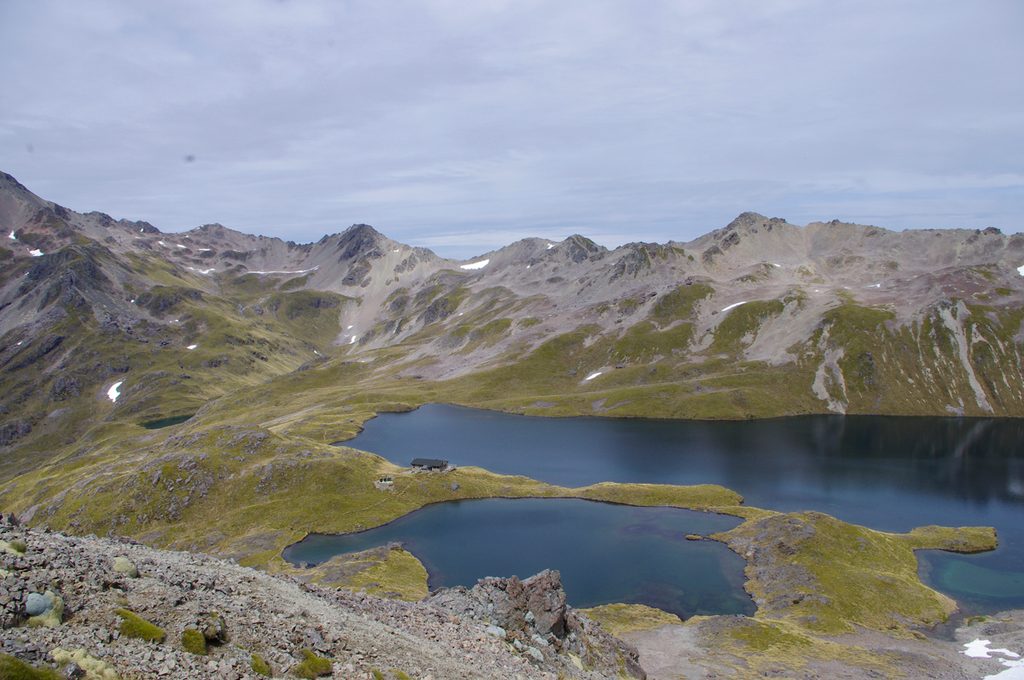
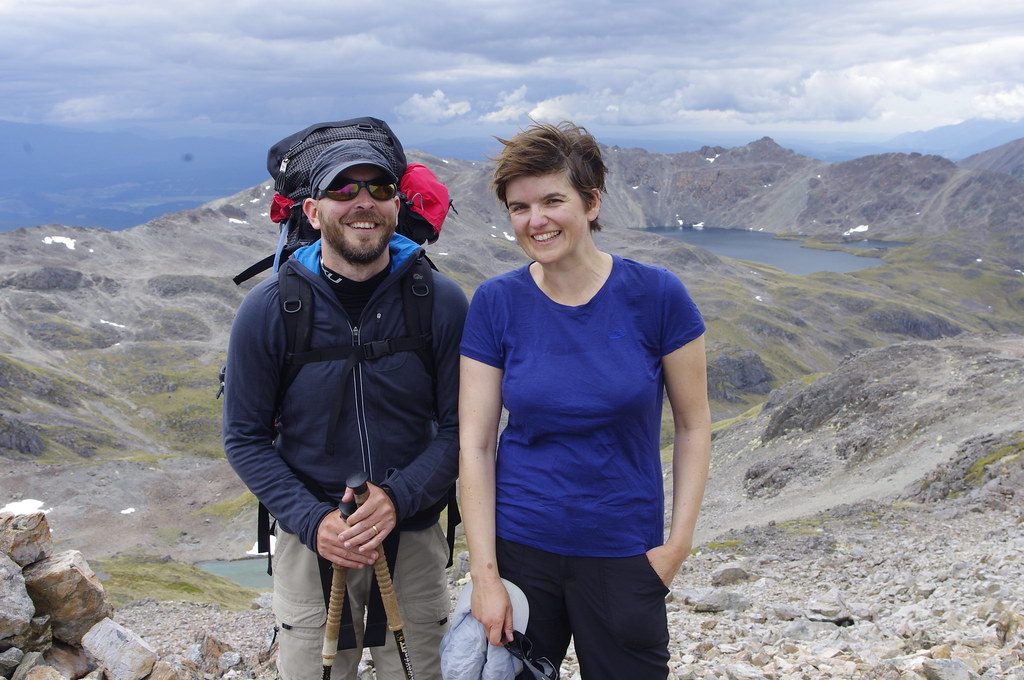
Perched in the Angelus Basin, Rotomaninitua / Lake Angelus is the classic high‑country goal in this park: a turquoise alpine lake framed by rugged ridgelines. Most hikers make it an overnight, pairing the lake with the beloved Angelus Hut or the small lakeside campsite.
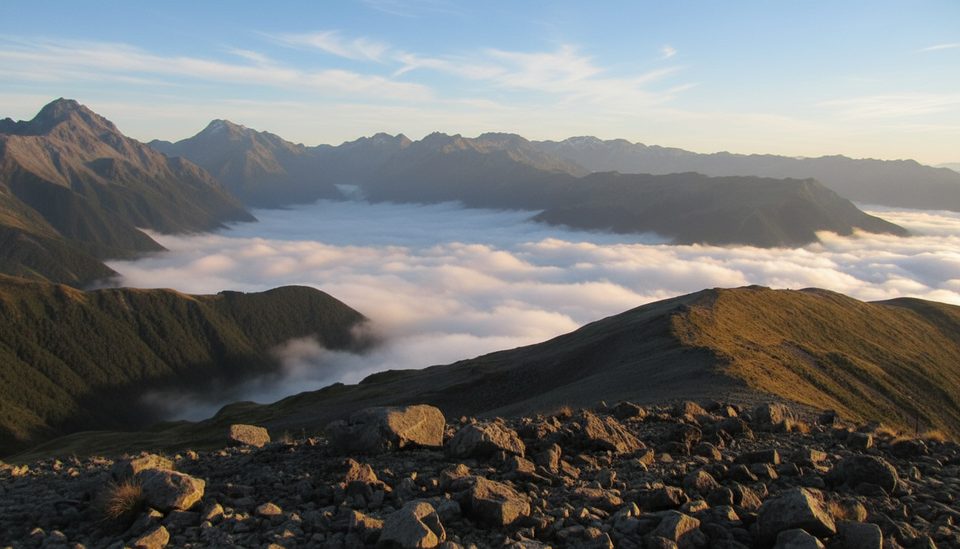
Most trips start from St Arnaud and the Mt Robert Road end (Pinchgut carpark). There’s a long‑drop toilet at the carpark, but after you step onto the ridge you’re on your own. Isolated carparks have had thefts—leave nothing visible; the Rotoiti/Nelson Lakes Visitor Centre offers bag storage.
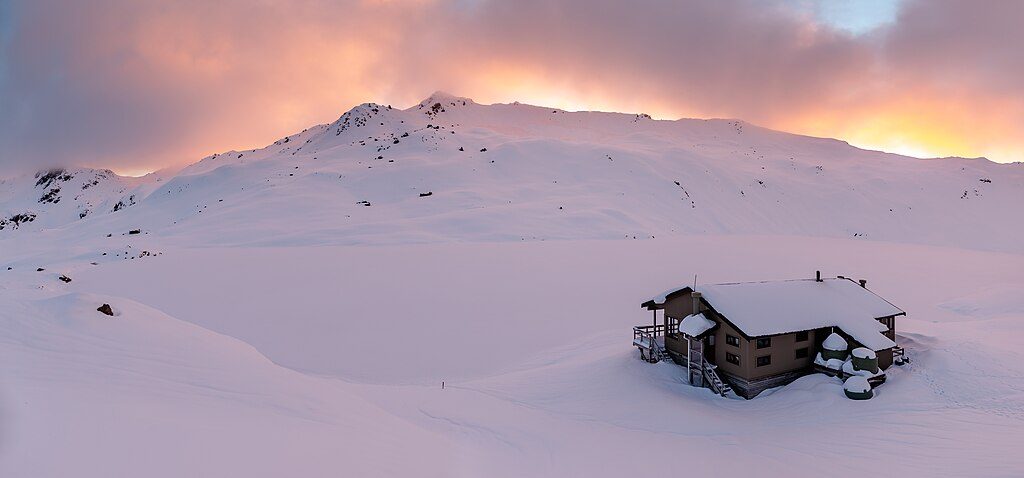
Angelus Hut has 28 bunks. Bookings are required in the peak season (November–April) and on public holidays; a warden is typically on site in peak season. Expect long‑drop toilets, a fire, and running water in the main season. In winter the plumbing is disconnected (no water inside) and firewood may not be available—arrive self‑sufficient with stove, cookware, sleeping bag, and toilet paper. A small DOC campsite sits by the lake and also needs booking in peak season.
This is true alpine country. Freezing winds and snow are possible any time of year, and even small streams can become dangerous in flood. In winter (May–October) travel time can blow out to 9 hours, with avalanche terrain, ice, and sub‑zero temperatures. If there’s any chance of snow or ice, you need the skills and kit: crampons, ice axe, and—when entering avalanche terrain—transceiver, probe, and shovel, plus the know‑how to use them. Navigation in cloud or whiteout is demanding; carry map/compass and/or GPS. Pack layers (merino/poly base, warm midlayer, waterproof shell), a PLB, headlamp with spares, and a day’s extra food. Treat or boil natural water to avoid giardia. Mobile reception is patchy, mostly on the ridge.
Sandflies bite year‑round and wasps are common January–April—cover up, use repellent, and carry antihistamines if you react to stings. To stop the spread of lake snow (lindavia), arrive with gear bone‑dry for 48 hours before entering alpine lakes or tarns, and use the cleaning stations at huts if your gear has been in Lakes Rotoiti or Rotoroa. Do not touch the waters of Blue Lake or Lake Constance.
There are no toilets along Robert Ridge. A detour via Paddy’s Track to Bushline Hut offers facilities. Otherwise, follow Leave No Trace principles for toileting.
November–April is the most popular and generally most achievable period, but it’s still alpine—start early to avoid the sun on the steep Pinchgut climb and to give yourself a generous weather window. May–October is a serious winter trip suitable only for well‑equipped parties with alpine skills. Always check the NIWA forecast, the local avalanche advisory, the Angelus Basin webcam, and current track notes with the Rotoiti/Nelson Lakes Visitor Centre before committing.
Place · 0.2 mi away
Place · 0.2 mi away
Place · 1.8 mi away
Place · 2.1 mi away
Challenging · 6.2 mi away
Easy · 6.2 mi away
Moderate · 7.5 mi away
Easy · 7.5 mi away

Parkwolf Tour Guide
