
Place · 10.5 mi away
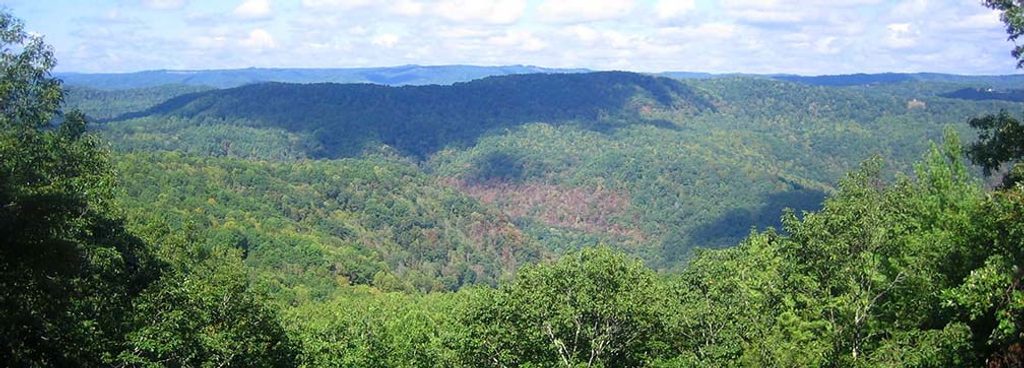
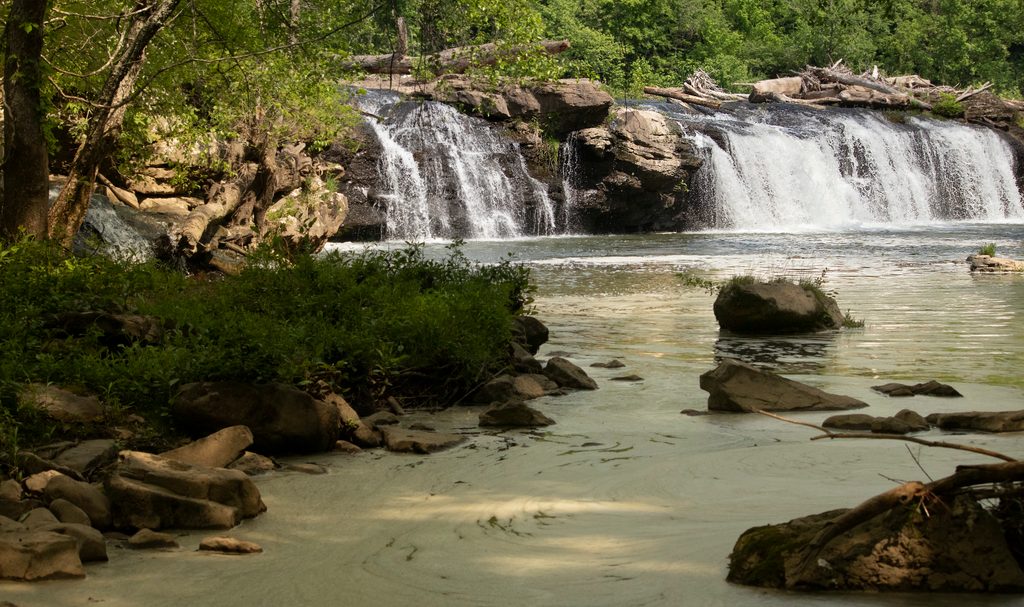
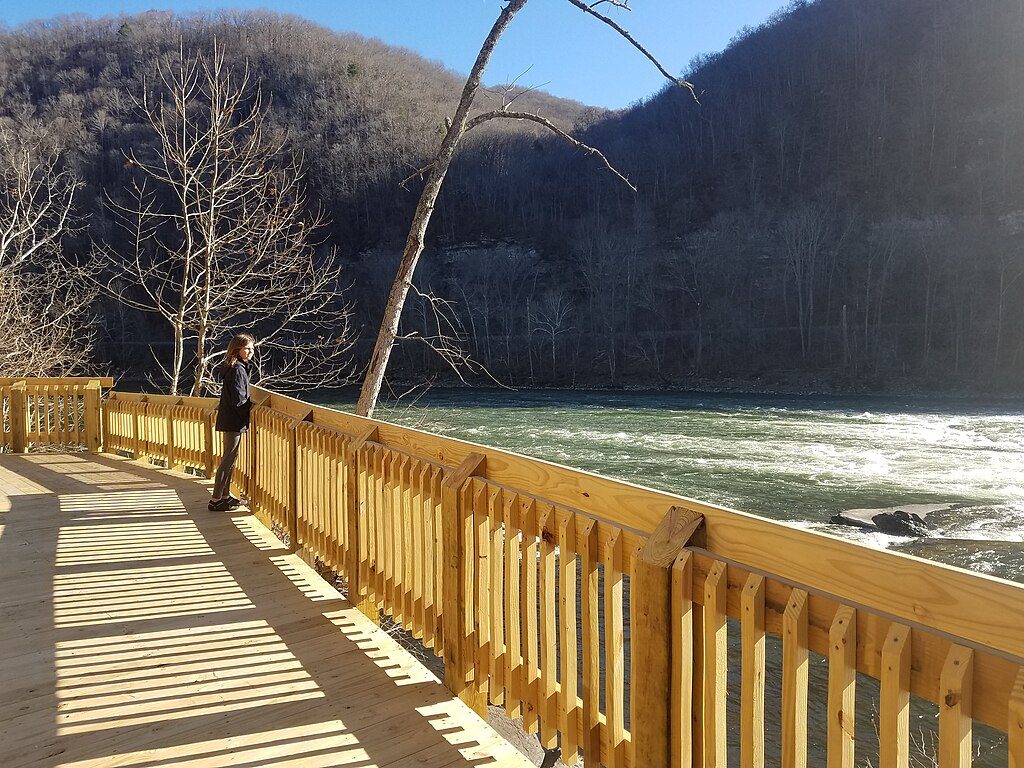
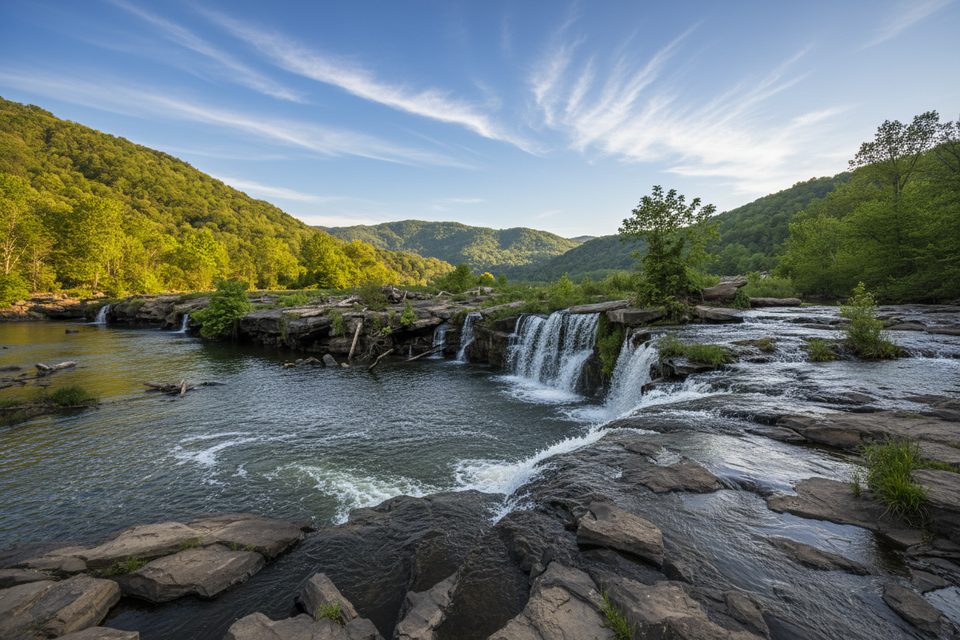
A quietly spectacular 10.5-mile stretch of free-flowing river, Bluestone National Scenic River protects a deep, forested gorge between Pipestem Resort State Park and Bluestone State Park. Established in 1988, it’s intentionally low-development: think songbirds and riffles, not paved overlooks. The gorge drops up to roughly 1,000 feet, with bedrock ledges, small waterfalls, and long pools that make this feel wild, even though access sits at either end.
The namesake “bluestone” comes from the blue limestone streambed visible upstream of Bluestone Dam. Along the corridor you’ll see classic Appalachian layers—sandstones, shales, and limestones—carved into a steep, V-shaped valley. It’s a haven for wildlife: look for kingfishers and great blue herons working the riffles, winter flocks of wild turkey, and sign from beaver, fox, bobcat, and white-tailed deer. Forests shift from oak–hickory on the heights to birch and sycamore along the water.
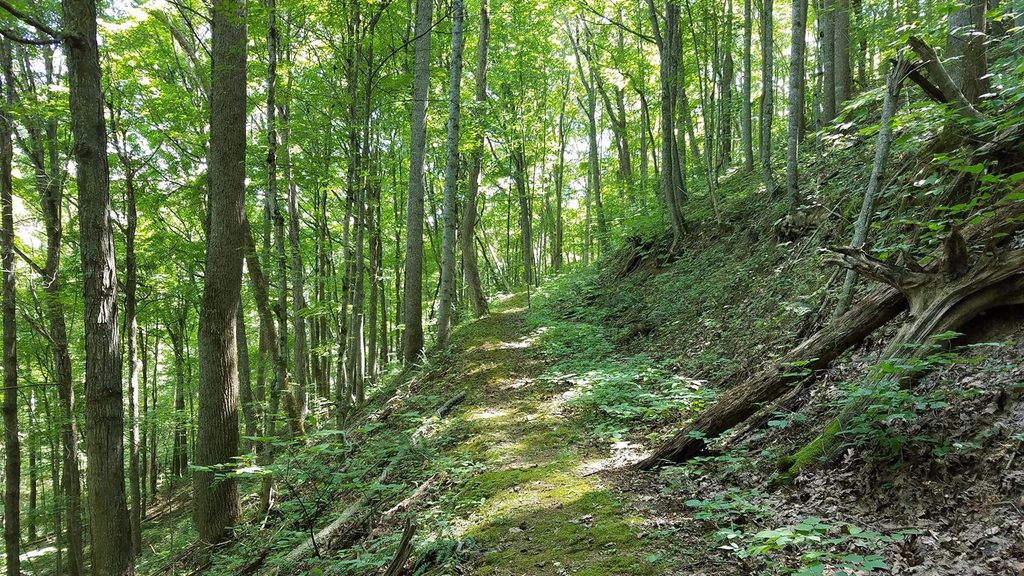
Access is via the two state parks that bookend the unit. From the north, reach the river through Bluestone State Park—follow signs toward Old Mill Campground; the trail begins at an iron gate. From the south, Pipestem Resort State Park’s Canyon Rim Center drops you into the gorge by the River Trail or the aerial tramway. Expect no services in the corridor itself; use the restrooms, parking, and lodging/camping in the state parks before you hike in.
This is a pack-it-in, pack-it-out experience. Assume no potable water, restrooms, or trash service in the river corridor. Rocks are slick, flows can spike after rain, and cell coverage is spotty—bring maps and the essentials. If you’re hiking point-to-point, arrange a shuttle.
For solitude and wildlife, weekdays and early mornings are ideal year-round. Spring brings wildflowers and active birdlife along the riverbanks. Fall color typically peaks in mid to late October at these elevations. If you’re paddling, watch water levels—summer can run low, while post-rain windows can be short but rewarding. Photographers get soft light on the water in early and late day; the tram ride from Pipestem adds a fun perspective when it’s operating.
If you crave quiet trails, a living river, and zero fluff, Bluestone is a gem—underrated compared to the marquee overlooks to the north. If you need amenities at every turn, this isn’t your stop; if you’re up for a self-sufficient day on a beautiful, seldom-crowded river, it absolutely is.
Place · 10.5 mi away
Place · 11.9 mi away
Place · 13.6 mi away
Place · 14 mi away
Moderate · 11.6 mi away
Moderate · 13.6 mi away
Easy · 14.1 mi away
Easy · 14.1 mi away

Parkwolf Tour Guide
