
Place · 0 mi away
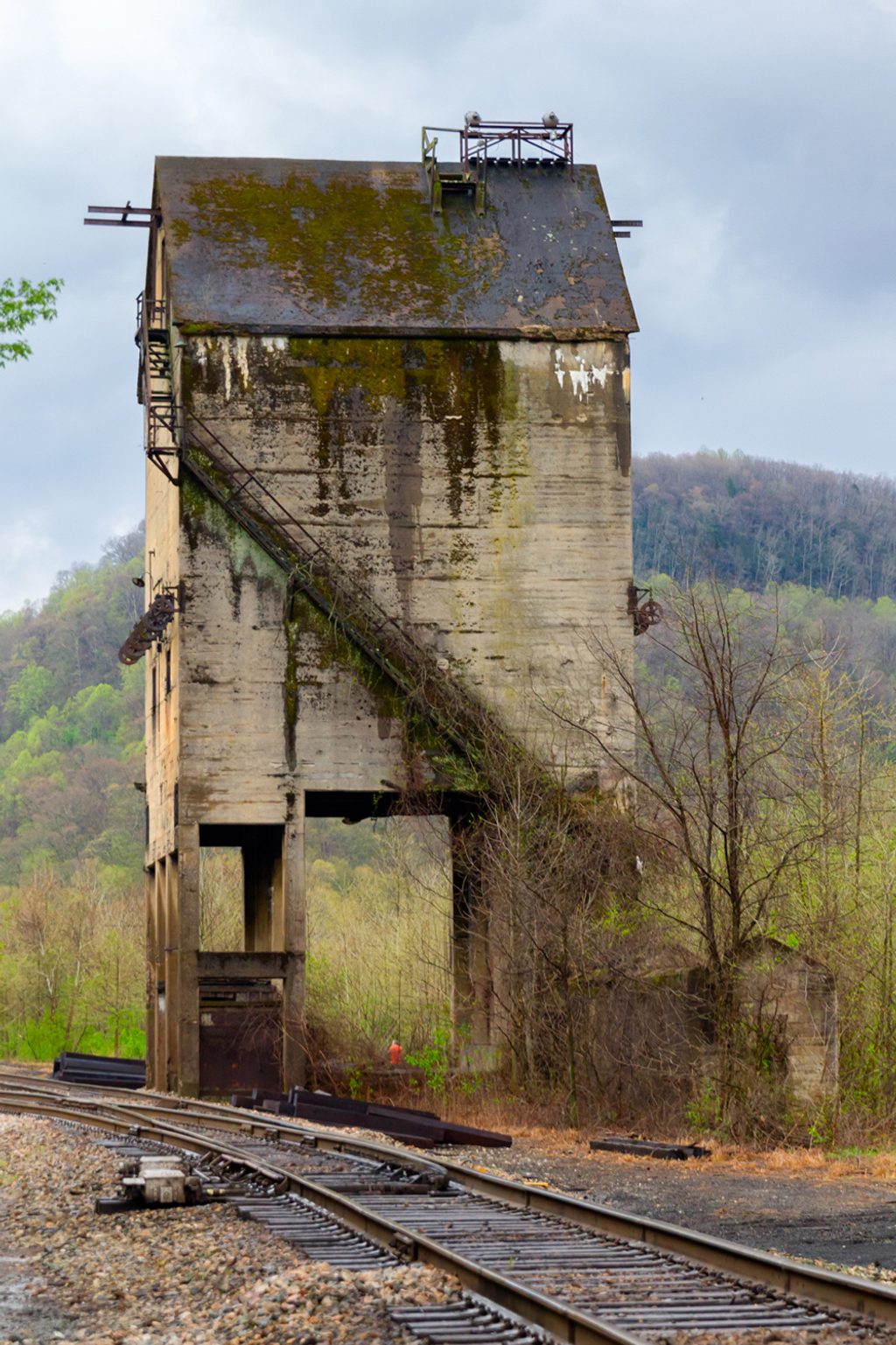
The Thurmond Coaling Tower is the hulking concrete reminder that this tight river bench once fueled the Chesapeake & Ohio’s steam locomotives. Built in 1922 with capacity for about 500 tons of coal, it fed engines from gravity chutes on tracks below, while the small adjacent building is the sanding house—locomotives topped off sand here for traction on slick rails. When diesel replaced steam in the 1950s, the tower was abandoned (1960) and today it’s a photogenic artifact of Thurmond’s boom years.
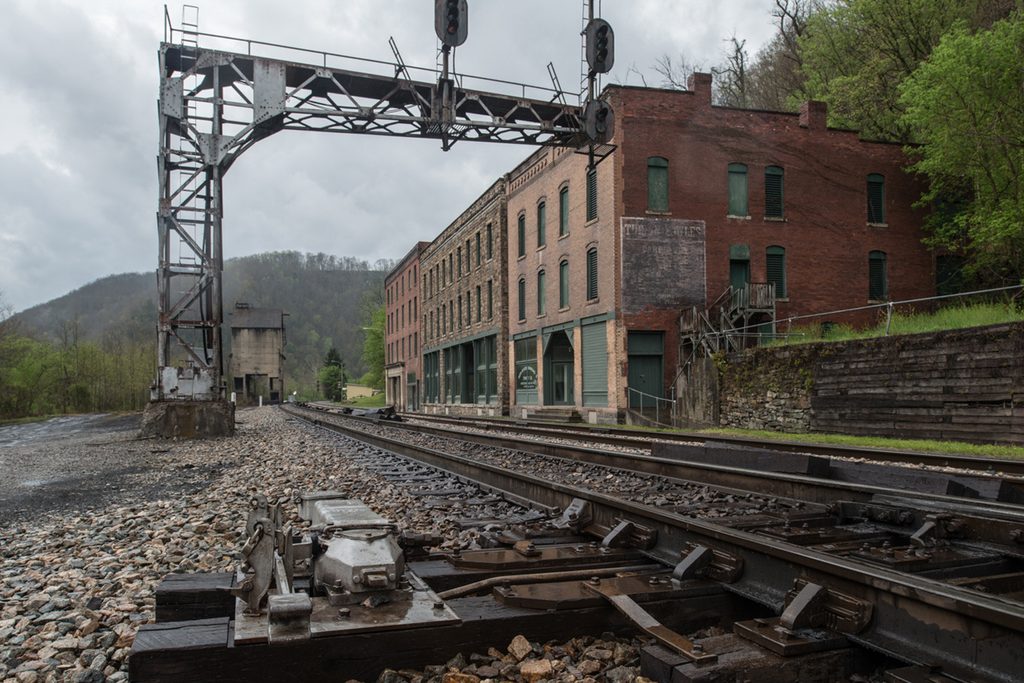
You’ll view the tower and sanding house from public areas along the active rail line. Wayside interpretation on the self-guided town route ties the tower to nearby railroad remnants—water tank foundations, the former engine house site, and Commercial Row’s brick storefronts that once served thousands of rail travelers. Trains still rumble through, which adds atmosphere to the ghost-town vibe.
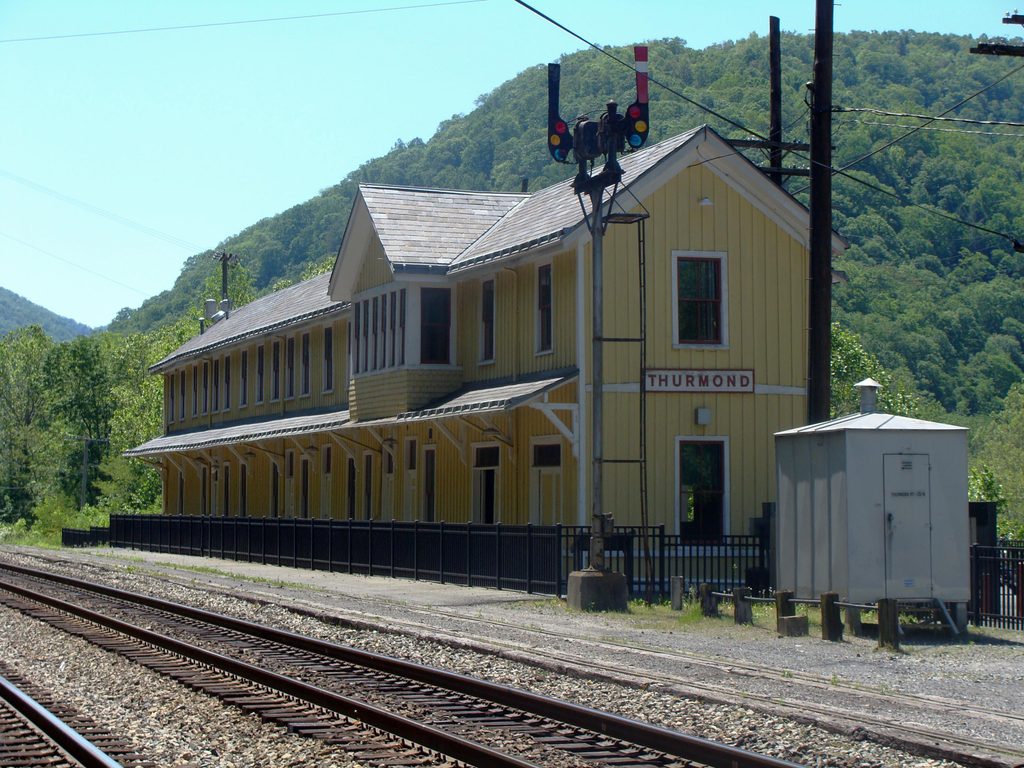
From US 19, take the Glen Jean exit and follow WV‑25/Thurmond Road about 7 miles down a narrow, winding grade. Large vehicles over 25 feet and trailers are not recommended. Park by the Thurmond Depot (seasonal visitor center) and follow the short, mostly flat town walking tour—about 0.5 miles round-trip—to the tower.
This is an active mainline: cross only at the signed crossing and never walk on or along the tracks. The coaling tower and yard remain CSX property—do not trespass, enter, or climb. Old structures can be unstable; enjoy them from a distance and leave any artifacts where they lie.
There are no facilities at the coaling tower. When open seasonally, the Thurmond Depot provides restrooms and information. Outside those dates and hours, plan accordingly and bring water.
Spring and fall bring the most comfortable weather and softer light on the concrete surfaces. If you want ranger info and restrooms, time your visit for the Depot’s seasonal schedule (daily Memorial Day–Labor Day; weekends in September–October). The tower itself is viewable year-round; mornings generally offer calmer conditions and easier parking in town.
This stop is about industry and rail history, not wildlife viewing. Save your wildlife hopes for forested trails and overlooks elsewhere in the gorge.
Place · 0 mi away
Place · 0.2 mi away
Place · 0.8 mi away
Place · 1.7 mi away
Easy · 0 mi away
Easy · 1.9 mi away
Easy · 2.1 mi away
Moderate · 3.9 mi away

Parkwolf Tour Guide
