
Place · 0 mi away
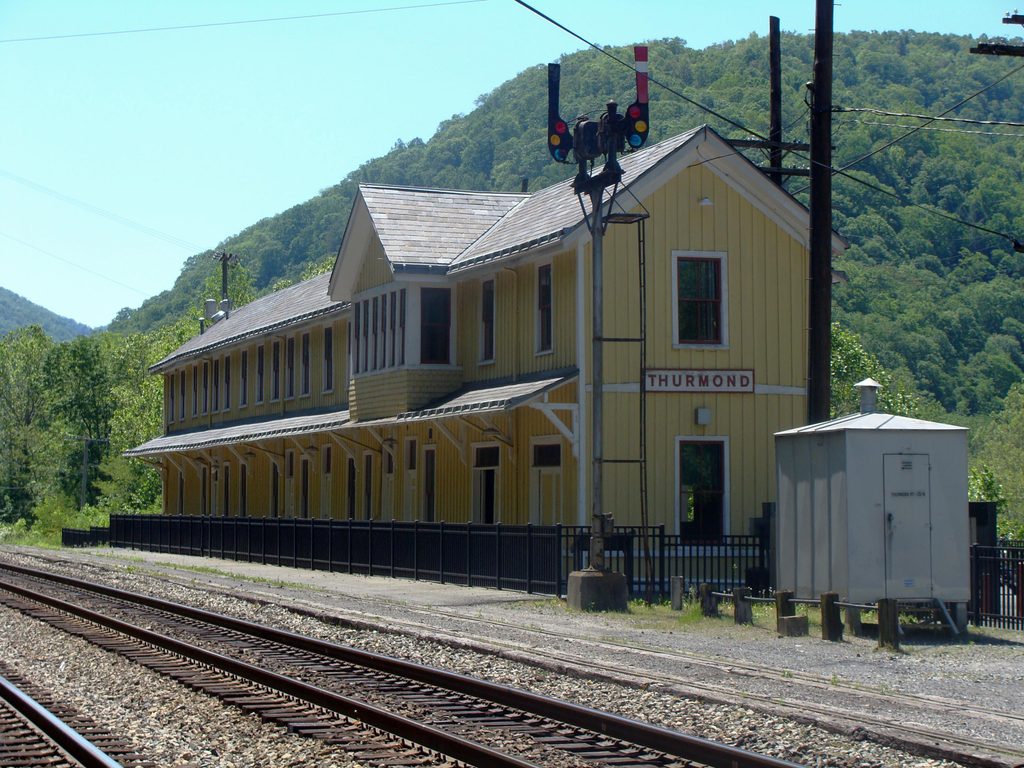
Thurmond Depot is the heartbeat of a remarkably preserved rail town, a place where you can feel the boom-and-bust story of the Gorge in the bones of the buildings and the rumble of passing trains. The depot itself has been restored and operates as a seasonal visitor center, with exhibits and historic furnishings that bring the coal-and-rail era to life. Expect a quiet, atmospheric stop that’s more about history and place than bells and whistles.
Thurmond exploded in the early 1900s as the Chesapeake & Ohio mainline hub in the Gorge. At its peak, the town handled immense freight traffic—reportedly more tonnage than Cincinnati and Richmond combined in 1910—and the depot served tens of thousands of passengers annually. The Great Depression, devastating fires, the rise of automobiles, and dieselization in the 1950s triggered a steady decline. What’s left is a rare, intact rail townscape preserved by the National Park Service.
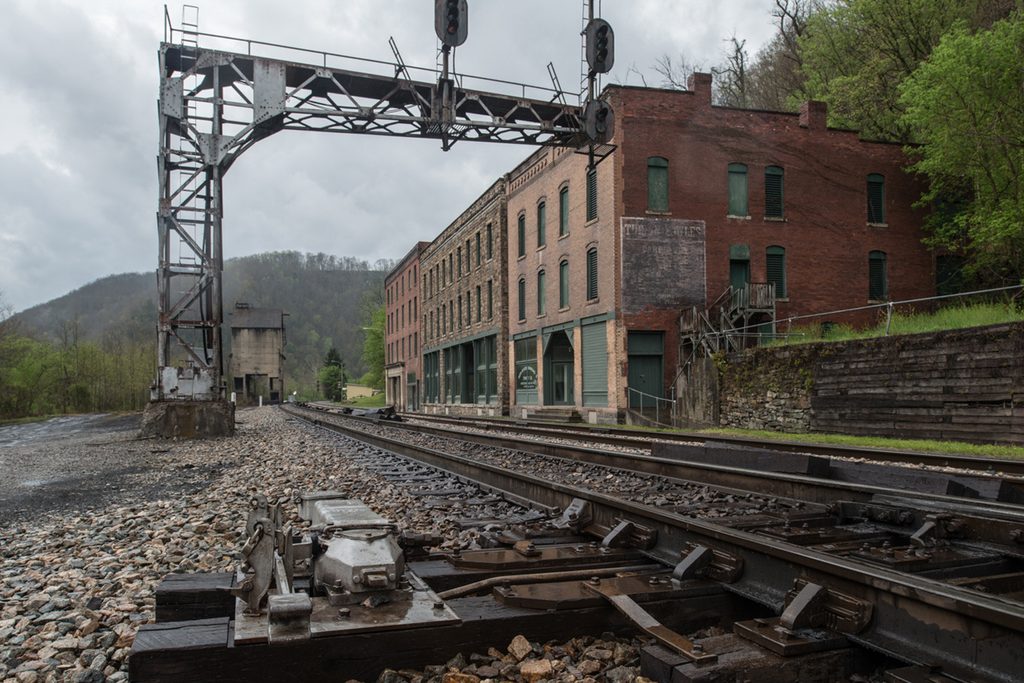
Start inside the depot to browse exhibits that interpret the heyday of rail, coal, and river industry. Pick up the self-guided walking tour map and stroll the short main street along the active tracks; most historic buildings are closed to entry, but window displays and waysides tell the story well. Keep an eye (and ear) out for trains—freight regularly rolls through, and the long-distance passenger route still treats Thurmond as a flag stop.
From US‑19 (Glen Jean exit), it’s about 7 miles on WV‑25/Thurmond Road. The approach is narrow and winding, and you’ll cross a long one‑lane bridge into town—memorable, but take it slow and yield to oncoming traffic. Large RVs and trailers are not recommended. Cell service can be spotty in the gorge.
This is a small, seasonal visitor center with limited services. You’ll find auto parking, restrooms when the depot is open, and a few picnic tables. Otherwise, plan to bring your own water and snacks.
The rail line is active: stay off the tracks and only cross at designated points. Pets follow standard leash rules. Respect closed building interiors—this town is preserved, not a free-for-all.
Target the operating season: daily from Memorial Day through Labor Day, then weekends in September and October. That’s when exhibits and restrooms are available. If you’re hoping to see the passenger train, confirm its schedule in advance. Pair your stop with nearby highlights in the park to make the drive worthwhile.
Place · 0 mi away
Place · 0.2 mi away
Place · 0.8 mi away
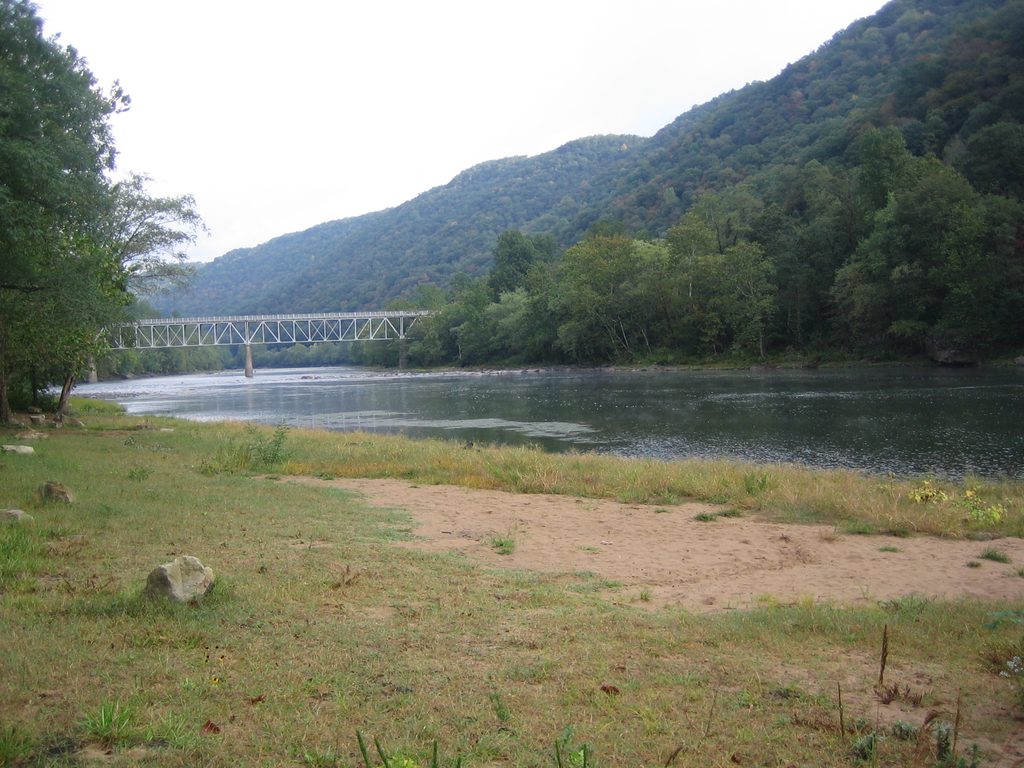
Place · 1.7 mi away
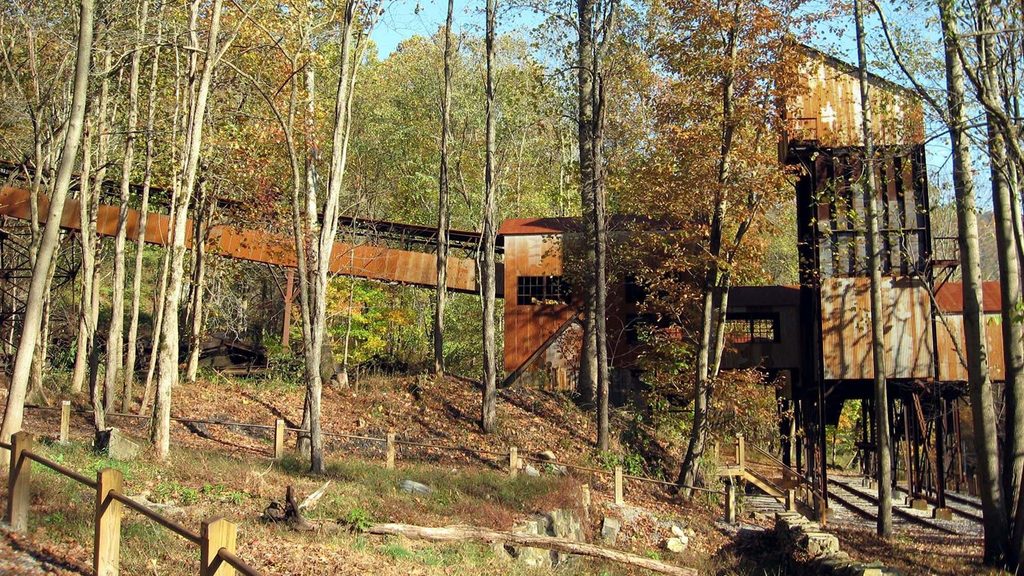
Easy · 0 mi away
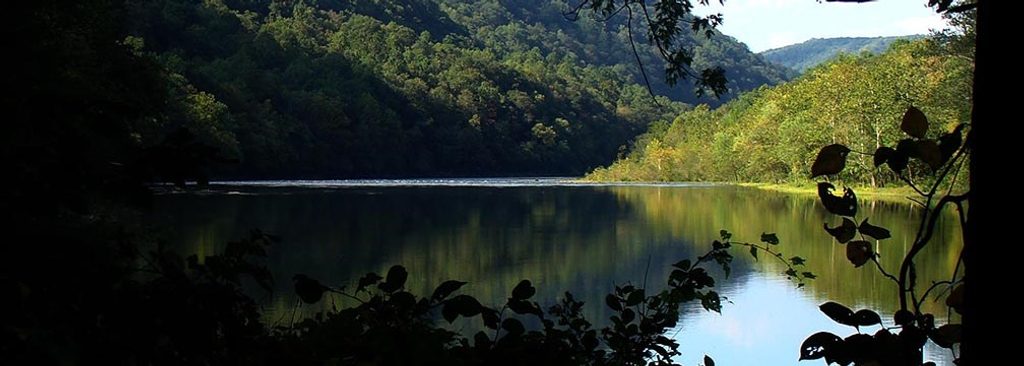
Easy · 1.9 mi away
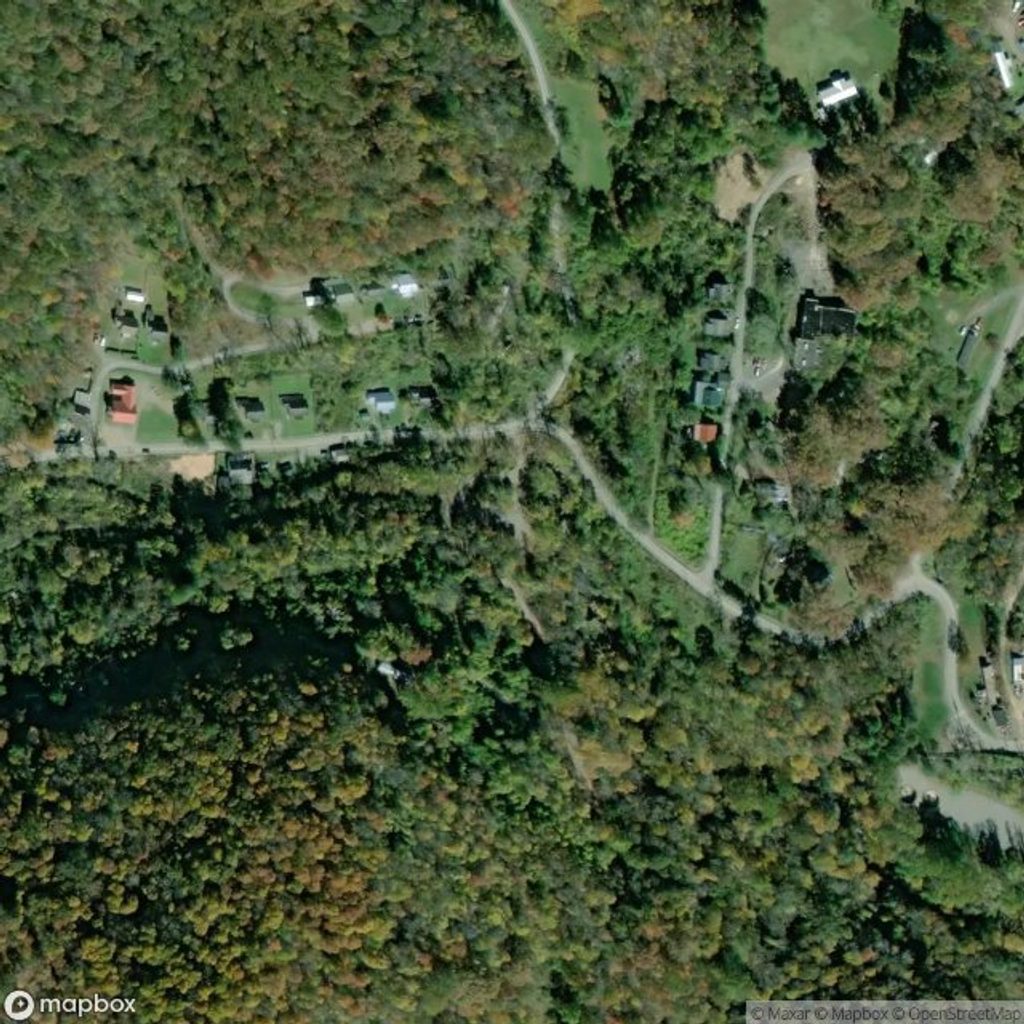
Easy · 2.1 mi away
Moderate · 3.9 mi away

Parkwolf Tour Guide
