Overview
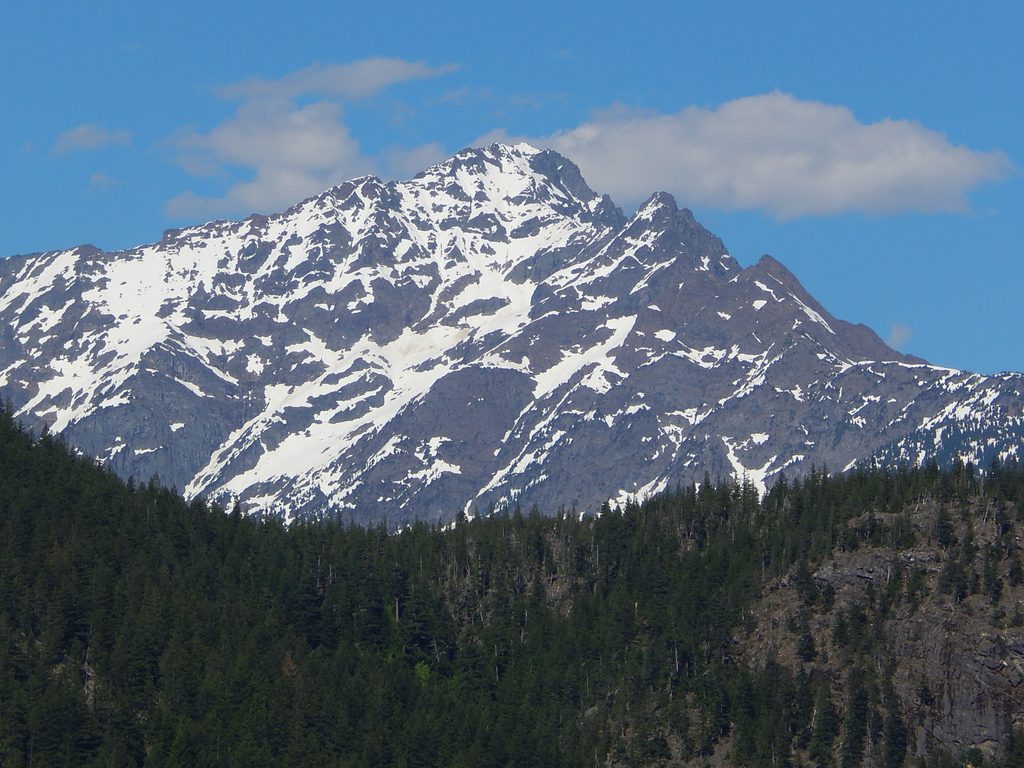
At 9,066 feet, Jack Mountain is a remote, glaciated giant that rewards skilled parties with huge views and a true North Cascades adventure. This is not a casual hike—it’s an alpine climb or ski-mountaineering objective with real commitment, complex route-finding, and variable conditions.
Routes and Difficulty
- Nohokomeen Glacier and Headwall (north side): The classic line. Parties typically camp near the toe of the glacier, then tackle mellow lower slopes before the steep headwall—the crux—where conditions can range from bulletproof ice to deep, sugary snow. The summit ridge can narrow to a knife-edge, demanding precise movement.
- East Ridge: Long, exposed, and technical. Expect hours of exposed Class 3/4 movement interspersed with multiple pitches of 5th-class rock, full rope systems, and a descent that may involve protected downclimbing and rappels. This is not for scramblers.
Access and Logistics
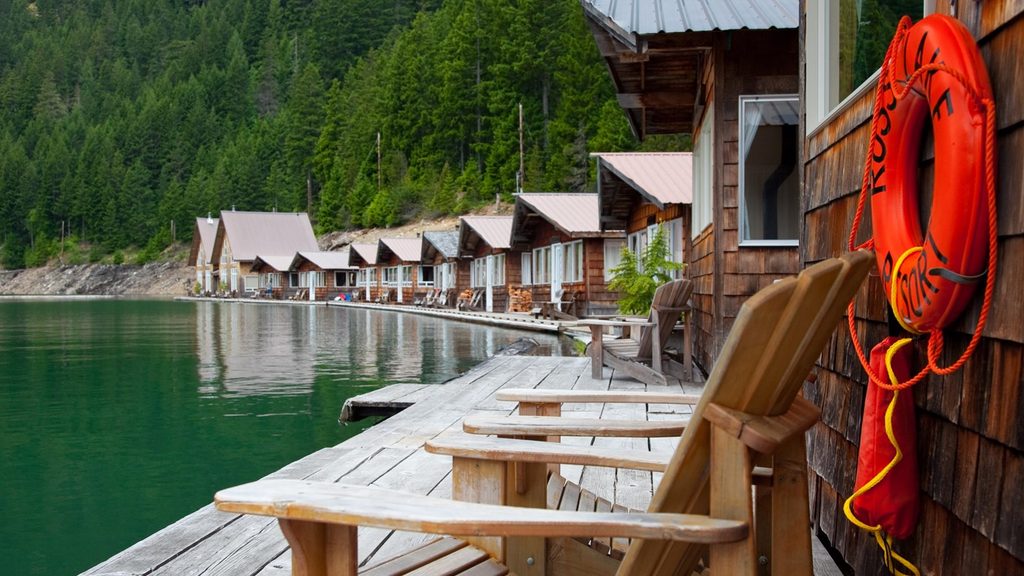
- Ross Lake approach: Many parties access the north side via a boat drop near May Creek, then use the East Bank Trail before leaving it for brushy, off-trail travel to the glacier. Plan pickups and turnaround times carefully.
- Canyon Creek/Crater Mountain approach: Common for staging at Jerry Lakes toward the South Face/East Ridge. Expect an early ford of Canyon Creek about a quarter-mile from the trailhead.
- Trailhead amenities: The East Bank Trailhead has a clean vault toilet and paved access; carry your own drinking water. The Canyon Creek trailhead has minimal to no services.
- Permits and rules: Backcountry permits are required year-round for any overnight trip. Overnight camping at trailheads is prohibited; camp only in designated sites.
Geology Spotlight
Jack Mountain sits within the North Cascades’ collage of ancient terranes—distinct rock packages stitched together by major faults and later uplifted. Glaciers have aggressively sculpted this landscape. A notable thrust fault can be traced across the upper half of Jack’s profile when viewed from Ross Lake, a striking reminder of the range’s turbulent construction.
Wildlife and Regulations
You’re in prime black bear country—store food properly and keep an immaculate camp. Expect limited services within the park complex; plan to resupply and fuel up before you arrive. Fires are often restricted or banned—use a stove and practice strict Leave No Trace.
Best Time to Visit
- Nohokomeen Glacier objectives often line up in early May when days are longer and the snowpack tends to be more stable.
- For non-snow approaches and technical rock on the East Ridge, late summer is typically more practical once seasonal snow has receded and high routes melt out.
- Weekdays simplify boat logistics and trailhead parking. For snow climbs, start pre-dawn for firmer conditions on the headwall.