Parking
East Bank Trailhead lot on SR 20 at milepost 138.
North Cascades National Park, WA
A 31-mile forest and lakeshore traverse to Hozomeen.
Overview
Map & elevation
Plan your hike

The highest, rockiest slopes around here are a summer buffet for grizzly bears.
North Cascades Tour Guide
Parkwolf is a GPS audio tour guide for North Cascades National Park. As you drive, it chimes in with what’s ahead: hidden gems, upcoming stops, history, geology, and wildlife, right through your car’s speakers.
See the North Cascades audio tourRecorded for this trailhead
East Bank Trailhead: Ruby Creek and Longer Trips“Up ahead is East Bank Trailhead, a starting point for long forest walks and backpacking trips above Ross Lake. The full East Bank route runs thirty-one miles one way to Hozomeen, usually taking two or three days.”
Plays as you drive up to this trailhead in the Parkwolf North Cascades Tour Guide.
More stories near here in the app
“Fantastic app with many points of information… It’s great to just turn on while you’re driving and it gives you an audio tour of the national Park. We love it!!!!”


Trail guide
East Bank Trail runs one way for 31 miles from the East Bank Trailhead on SR 20 at milepost 138 to Hozomeen Campground. It follows forested slopes above Ross Lake, then turns east into Lightning Creek before reaching the lake’s northern end. Allow about 22 hours of hiking over two or three days. Overnight backcountry permits are required, and you’ll need to arrange how you get to and from the two ends before starting. Ross Lake Resort’s water taxi can drop hikers at several points along the East Bank for shorter trips.
A short descent reaches a bridge over Ruby Creek; take the left at the Canyon Creek junction just beyond it. This creek was the center of an 1880s placer-gold rush, and old claims and interpretive plaques remain near the bridge. At 2.8 miles, a westbound spur reaches Ross Lake camps and Little Jack Mountain Trail branches northeast. Stay on the main northbound path, which climbs gradually through the forested notch of Hidden Hand Pass. Miners’ stories say Jack Rowley followed a pointing hand through here in 1879 to find gold; Jack Mountain is named for him.
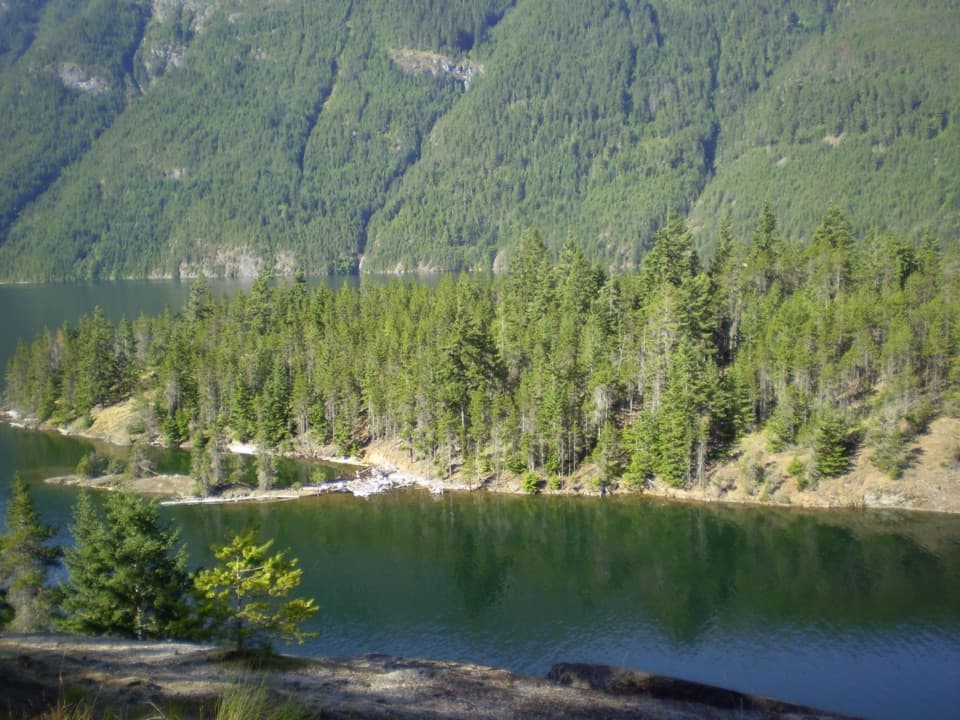
After Hidden Hand Pass, the path descends through forest for several miles before reaching Ross Lake. It then follows the shore past camps and swimming and fishing access. A high bridge over Devil’s Creek Canyon is a good place to pause for the lake view. At about mile 16, the trail turns east, climbs steep switchbacks with the last broad views back over Ross Lake, then drops into the secluded Lightning Creek valley. The maintained log trapper’s cabin is not open to visitors. Across the log bridge, Three Fools Creek heads into the Pasayten Wilderness; the name comes from three prospectors who followed a bad gold tip.
Farther north, the route passes Willow Lake, a long, shallow basin with marshy plants and a spur to a camp at its west end. A separate short side trail reaches deep, clear Hozomeen Lake about three miles before the campground. The granite spires of Hozomeen Peak reflect in the water. Entry and camping at the lake are closed each spring from April 1 through May 31 to protect nesting loons; keep that seasonal restriction in mind when planning a side trip. The last three miles descend gradually to Hozomeen Campground. Gray wolves have been observed in the Hozomeen area.
A backcountry permit is required for every overnight stay, and camps are limited. Pets are allowed here on a leash no longer than six feet. The current condition of the Nightmare Creek bridge is uncertain, so plan for a possible ford and check the crossing before relying on it. May Creek is a difficult crossing for stock.
Wildlife
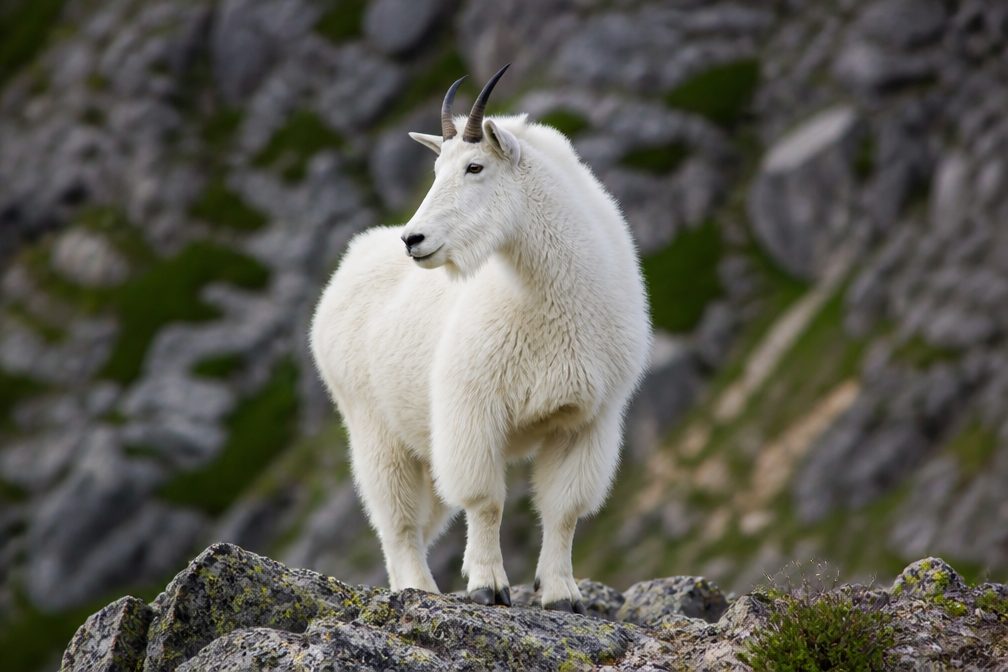 101 sightingsMountain GoatMost seen around 6 PMSighting map
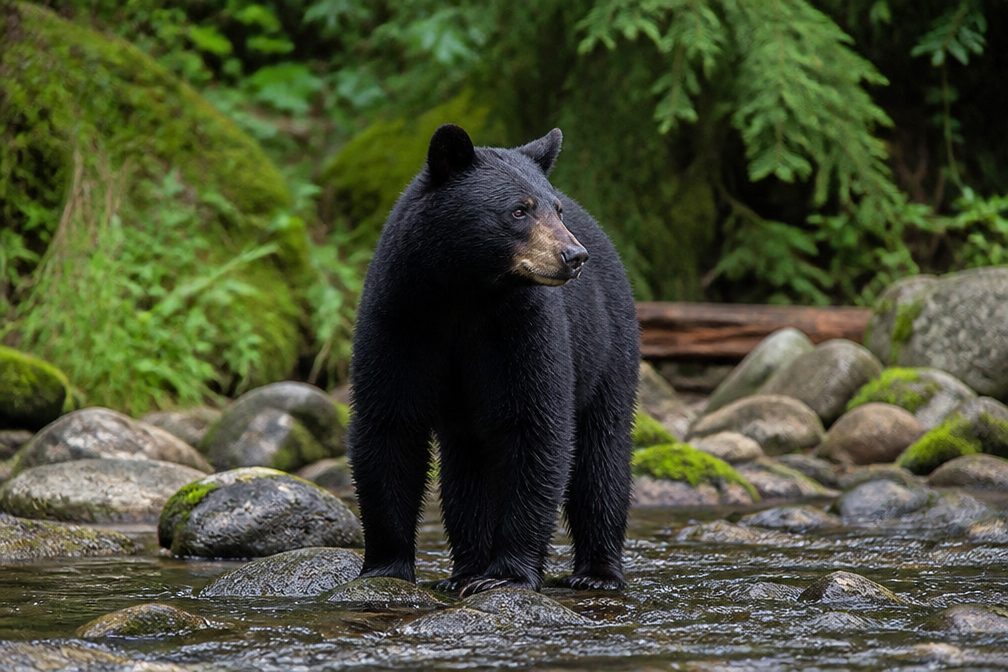 70 sightingsBlack BearMost seen around 8 PMSighting map
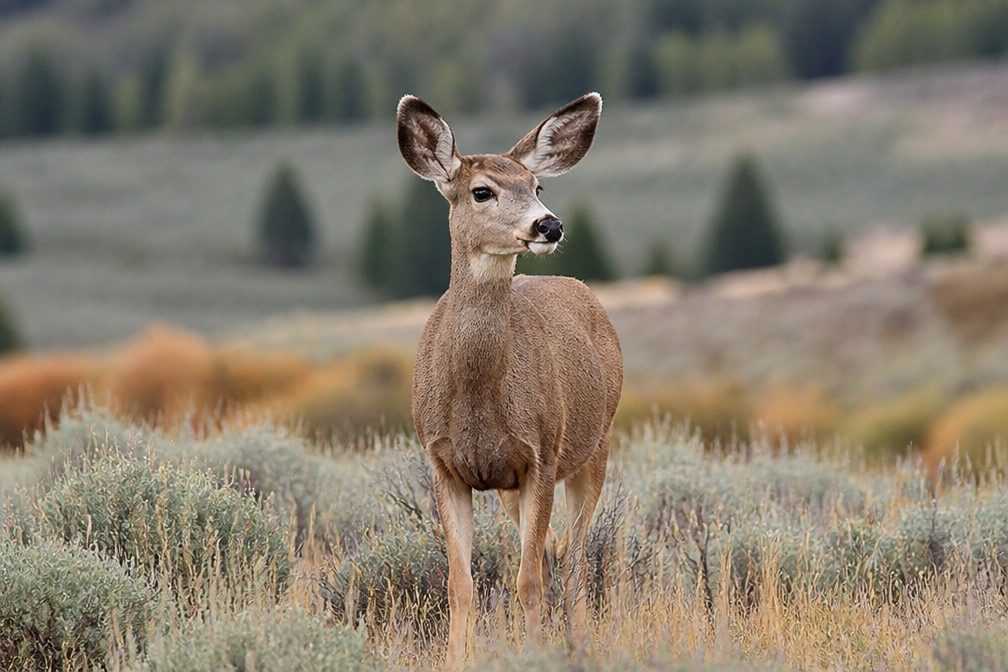 20 sightingsMule DeerMost seen around 7 PMSighting map
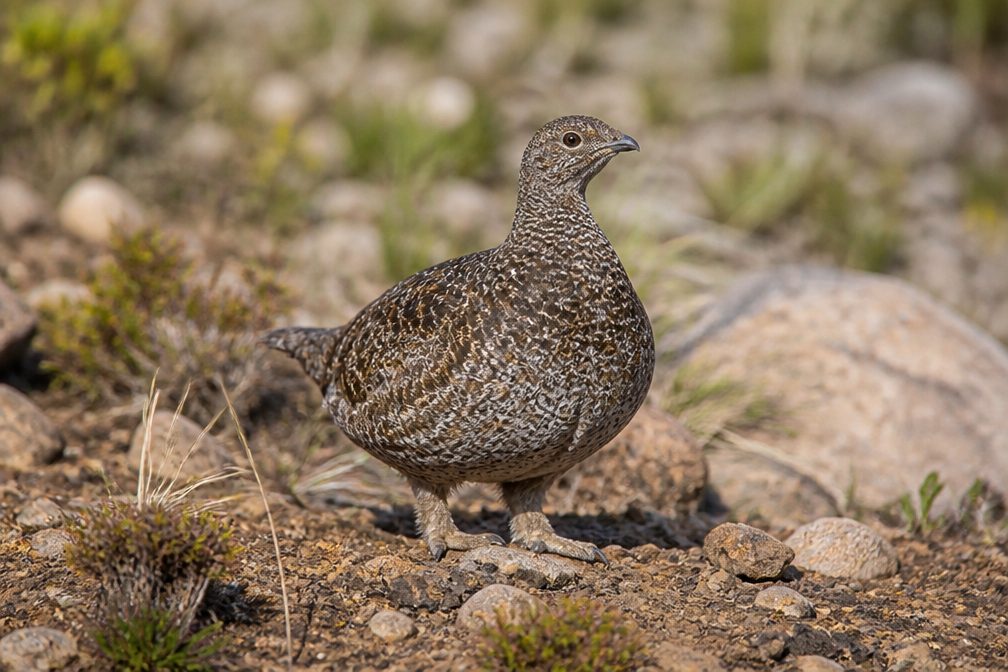 77 sightingsSooty GrouseMost seen around 6 AMSighting map
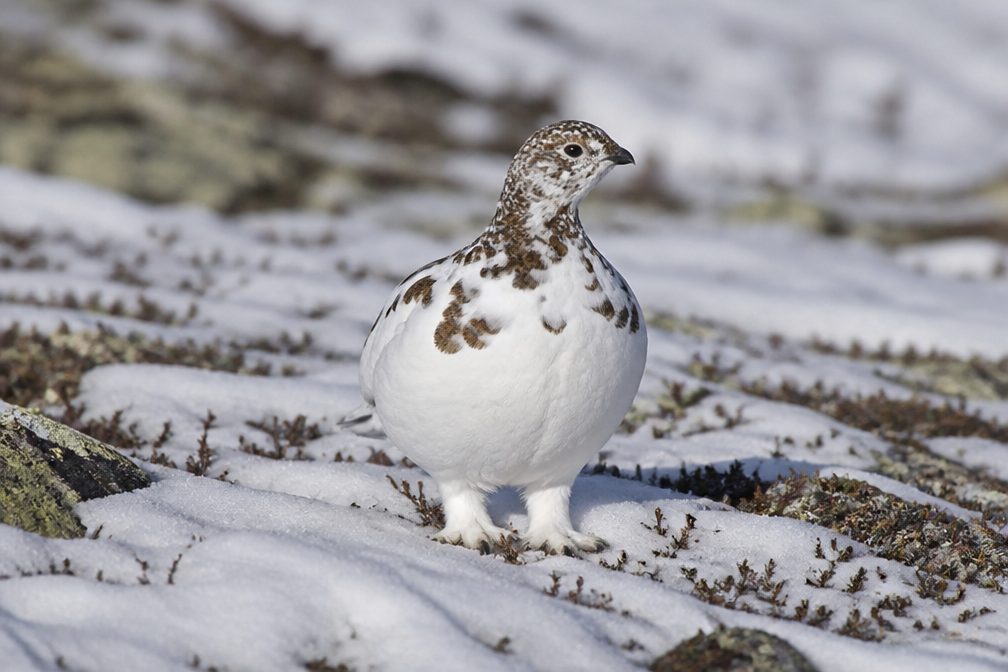 23 sightingsWhite-tailed PtarmiganMost seen around 6 PMSighting map
 75 sightingsWestern ToadMost seen around 8 PMSighting map
Sighting maps show where each species has been reported across North Cascades. Wildlife moves, so no sighting is guaranteed.
Keep exploring
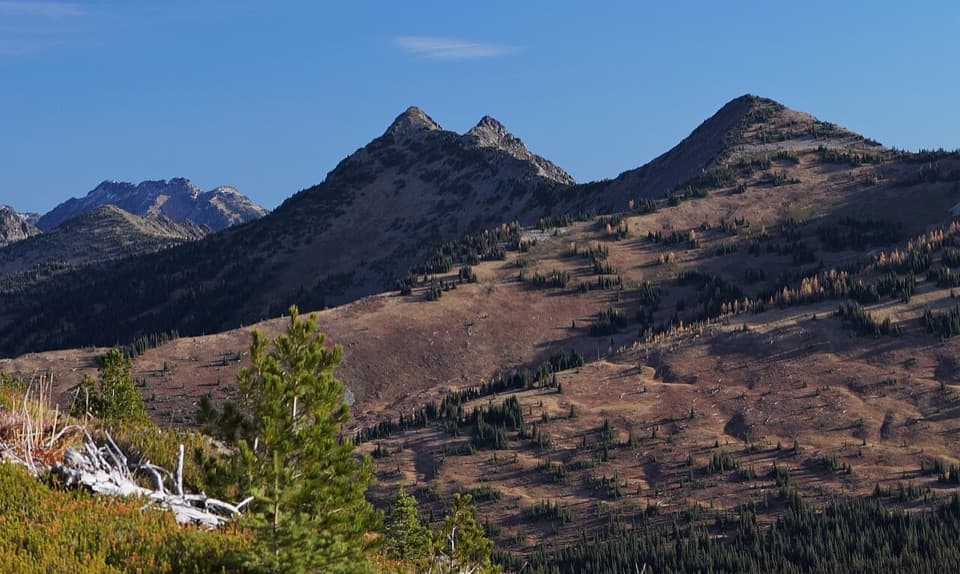 ChallengingDevil's Dome Loop40.4 mi · 1.3 days · At the trailheadFour or five days of open ridges and careful water planning.
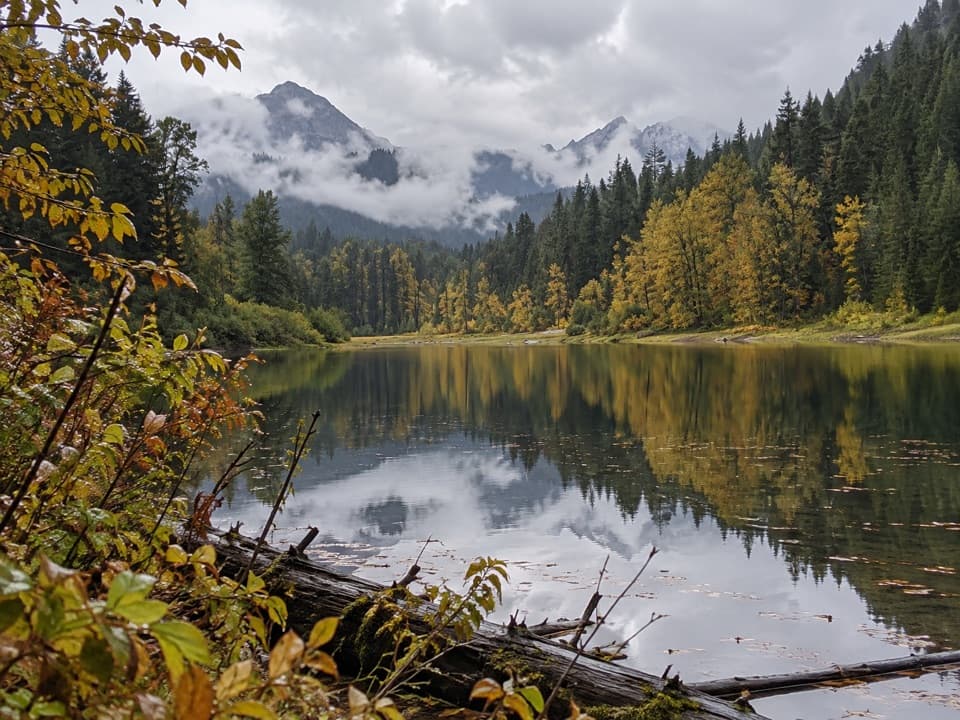 ChallengingWillow Lake Trail50.6 mi · 1.3 days · At the trailheadA remote, roughly 51-mile out-and-back to a marshy lake.
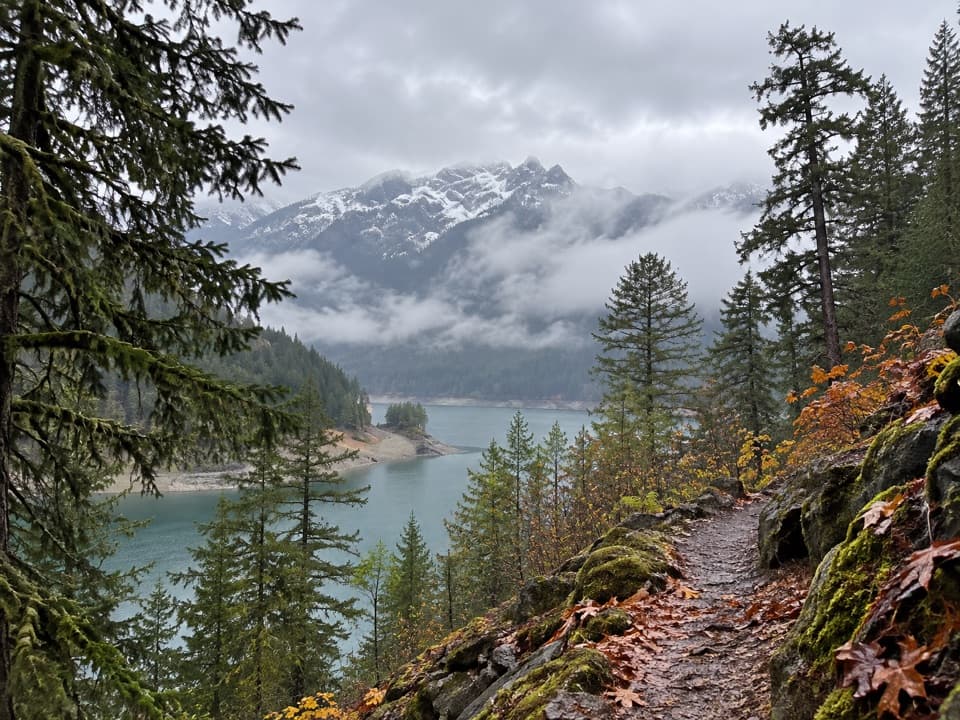 ModerateHappy Panther Trail10 mi · 5 hr · At the trailheadWaterfall bridges break up this long forest walk.
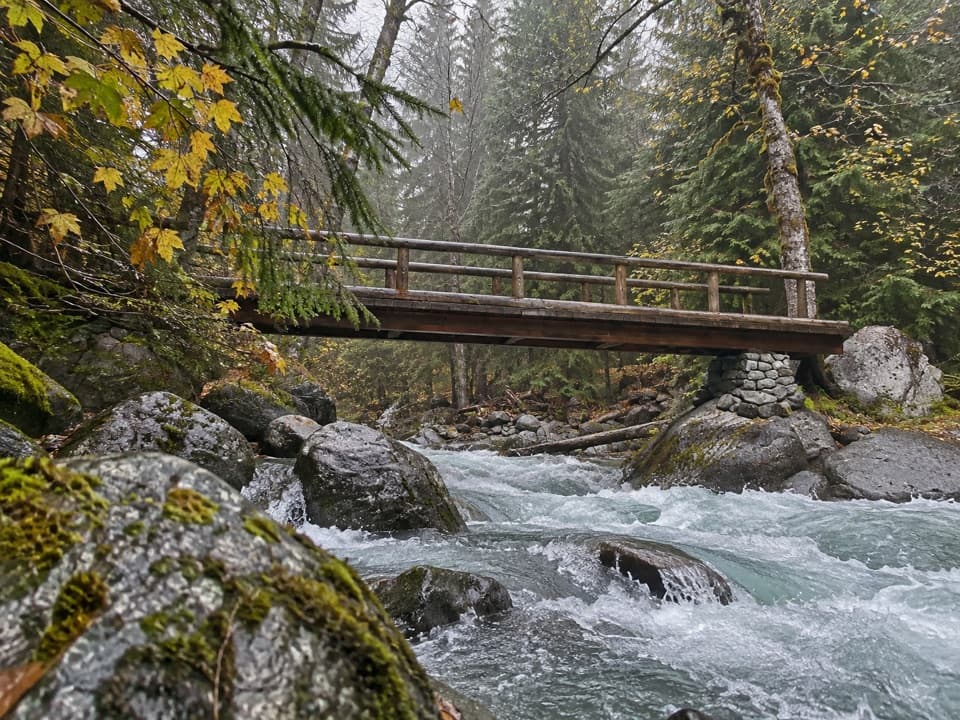 ChallengingPanther Creek Trail to Fourth of July Pass13 mi · 9 hr · 0.3 mi awayTumbling creek water marks the climb to Fourth of July Pass.
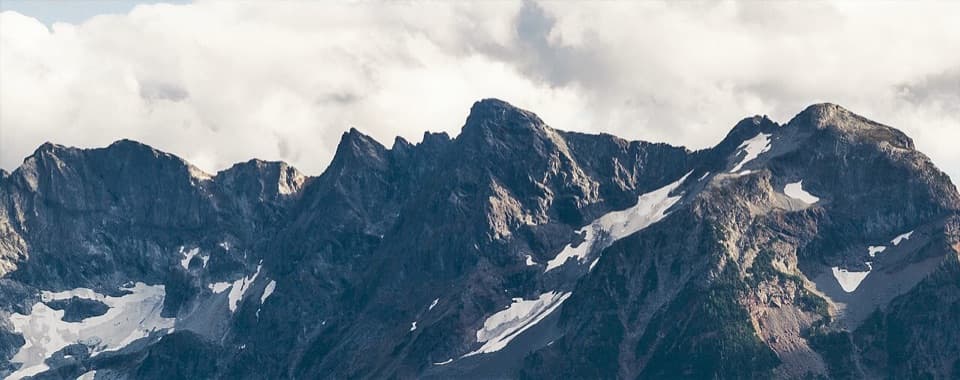 ChallengingLittle Jack Mountain Trail14.3 mi · 10 hr · 0.8 mi awayA long, steep climb to a broad North Cascades ridge view.
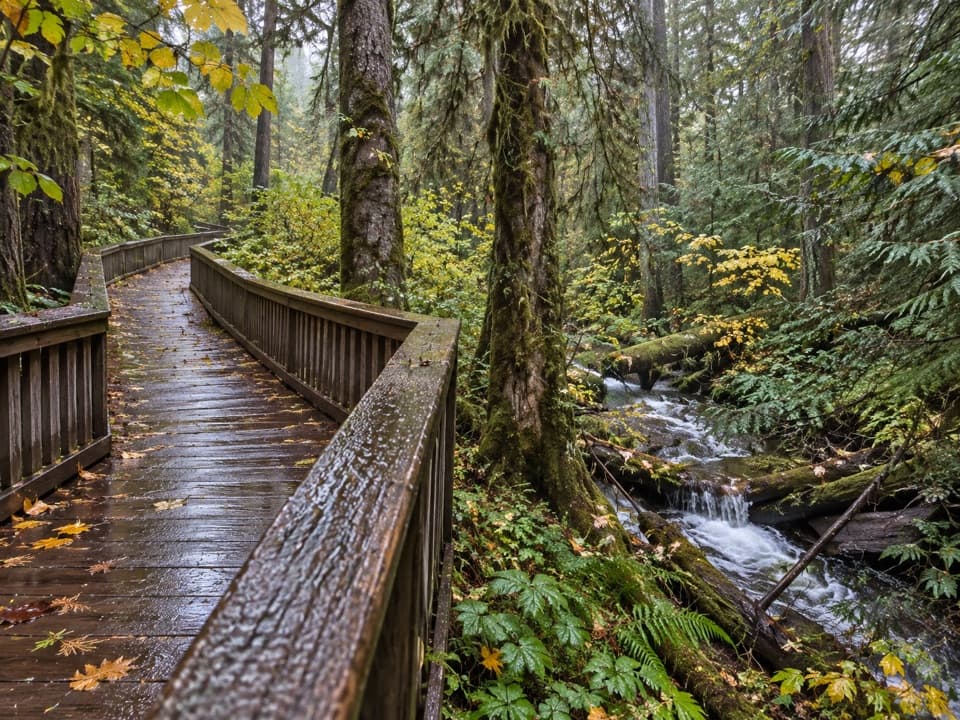 EasyHappy Creek Forest Walk0.3 mi · 15 min · 3.8 mi awayA short boardwalk loop beside Happy Creek and old-growth trees.
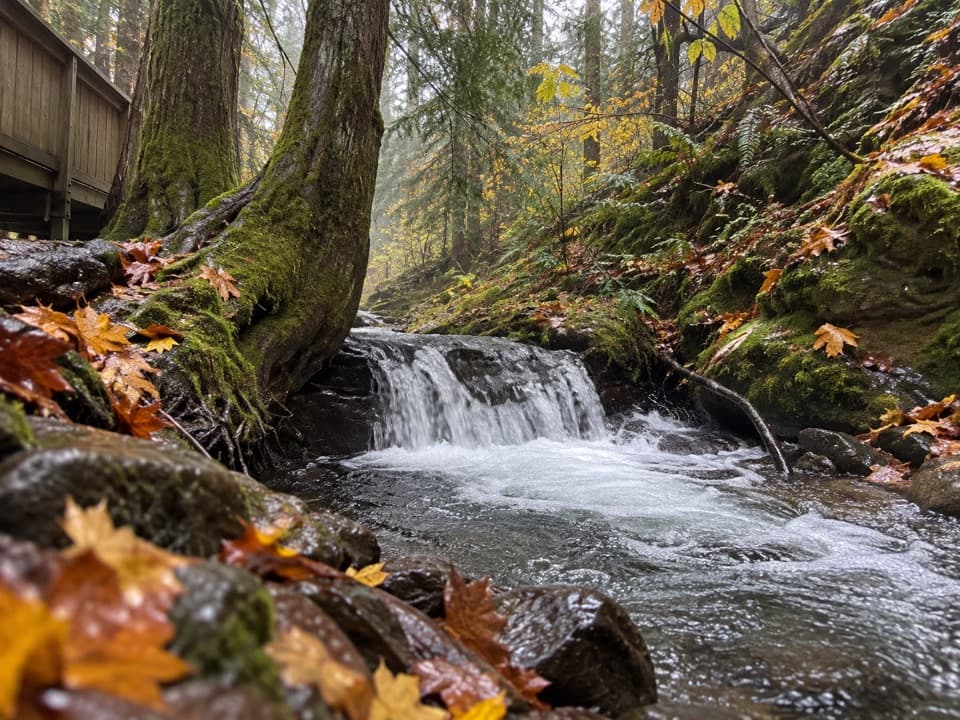 ModerateHappy Creek Falls Trail2.6 mi · 2.5 hr · 3.8 mi awayOld sawmill relics and stepped falls reward a steep creekside climb.
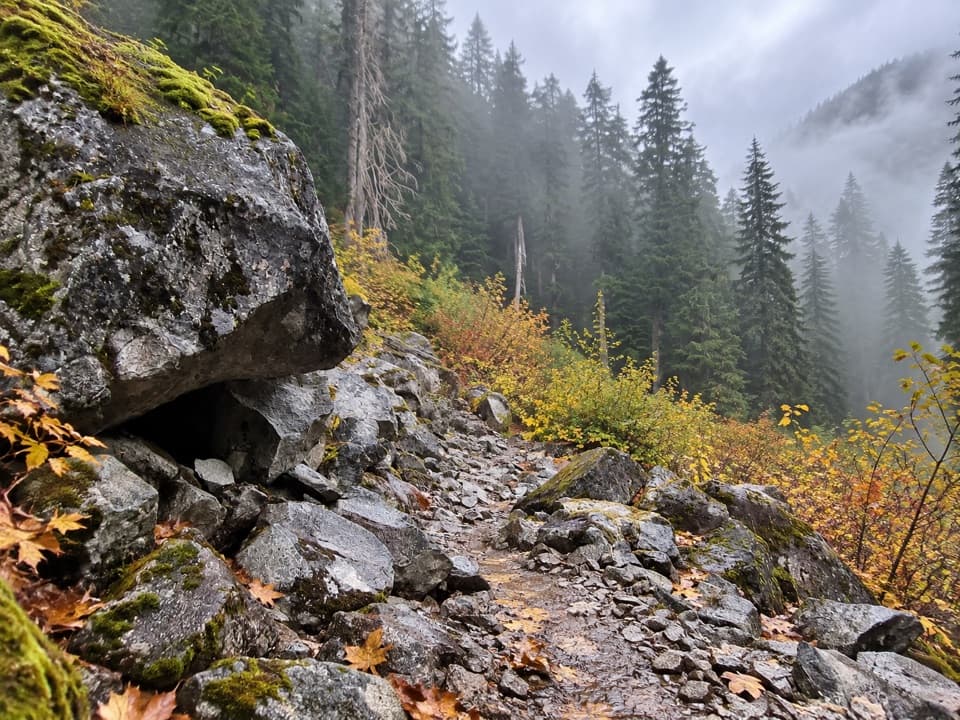 ChallengingBig Beaver Trail24.6 mi · 18 hr · 4.1 mi awayA long valley traverse past ancient cedars and beaver marshes.
 Sight · 3.2 mi awayRoss Lake OverlookA quick Ross Lake view from a wooded Highway 20 pullout.
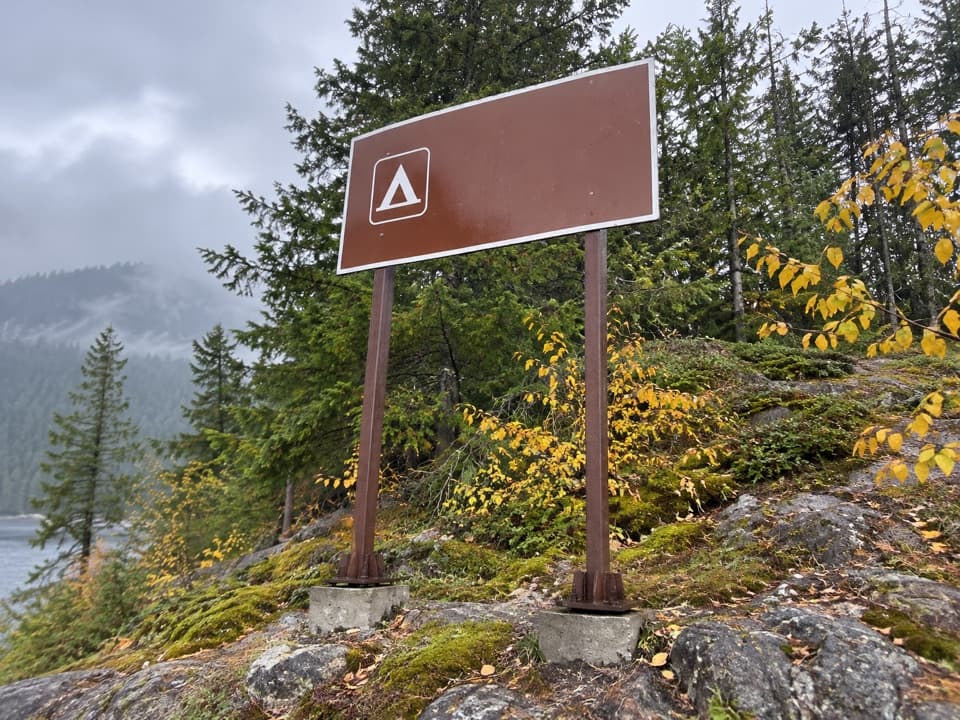 Campground · 3.8 mi awayCougar Island CampTwo island campsites for a self-sufficient night on Ross Lake.
 Campground · 4.1 mi awayGreen Point CampA small boat-in camp for a quiet Ross Lake night.
 Lodging · 4.4 mi awayRoss Lake ResortA floating Ross Lake resort reached by boat or a mile-long hike.
 Sight · 4.5 mi awayRoss DamWalk a concrete dam between Ross Lake and the Skagit gorge.
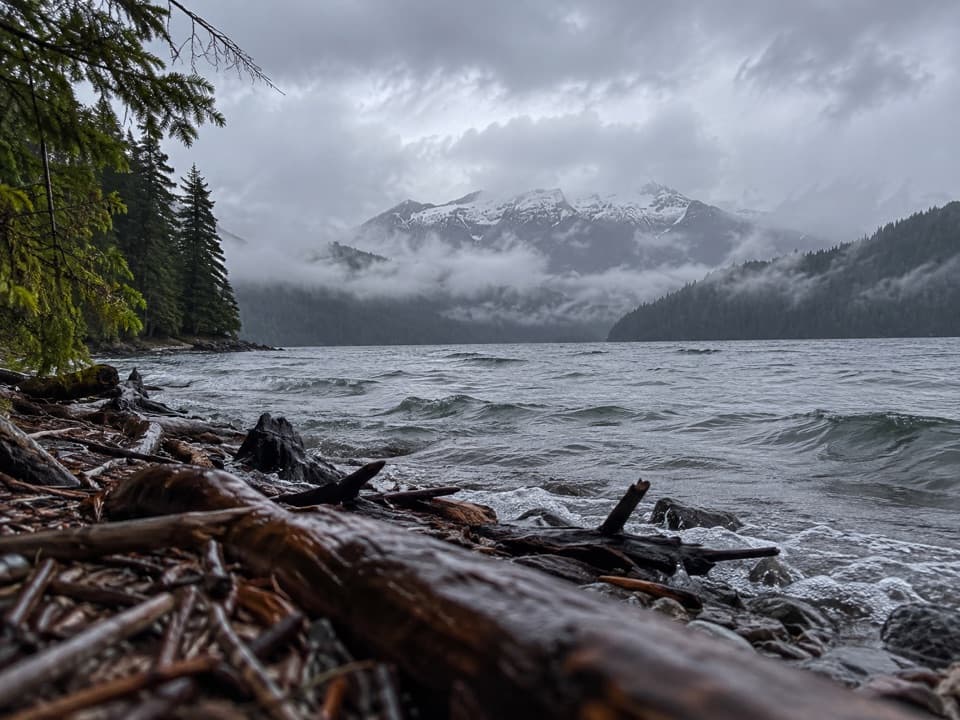 Campground · 4.6 mi awayRoland Point CampA remote boat-in camp tucked into a Ross Lake cove.
 Campground · 5.2 mi awayMcMillan CampA three-site boat-in camp that takes planning to reach.
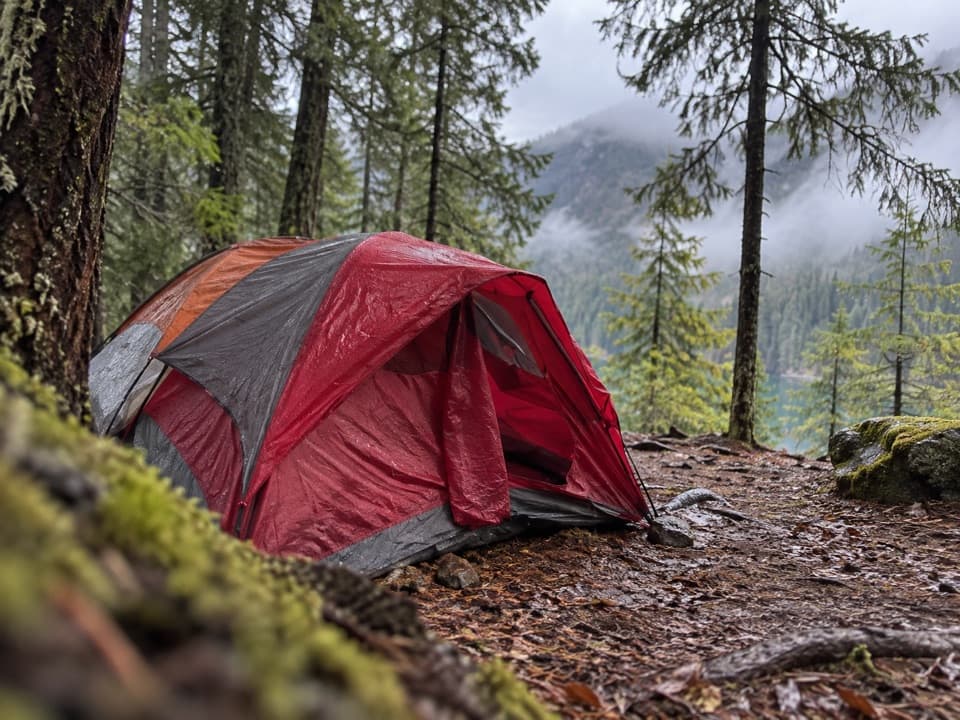 Campground · 5.3 mi awaySpencer’s CampTwo Ross Lake sites and a dock for a self-sufficient night.
Parkwolf’s North Cascades ranking

The audio tour guide for the drive, plus offline maps, trails, and wildlife heatmaps for when the signal drops.