
Place · 4 mi away
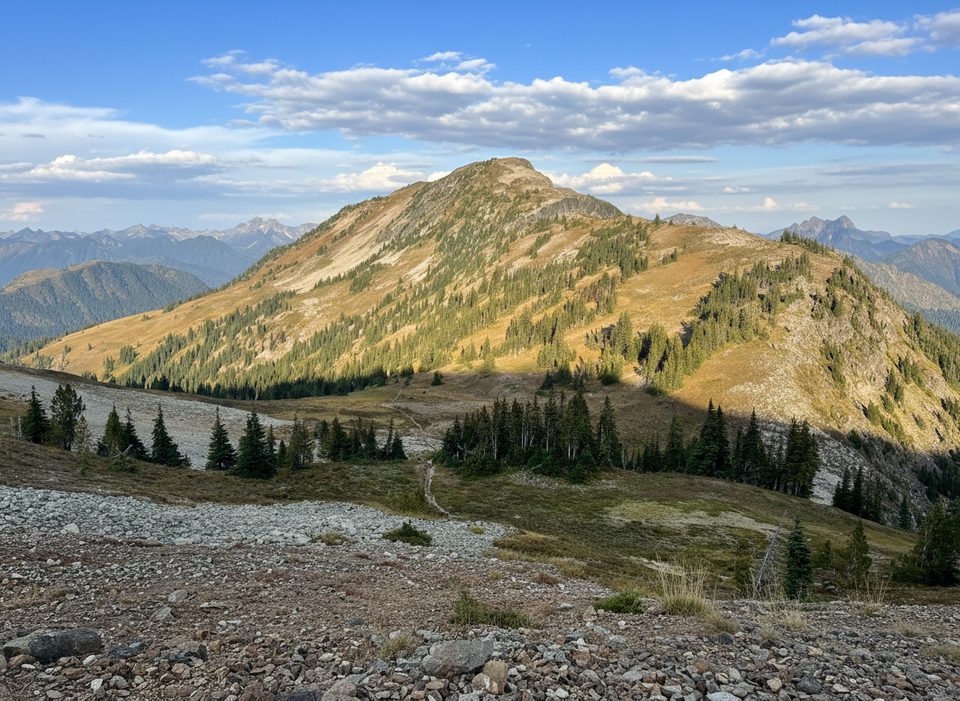
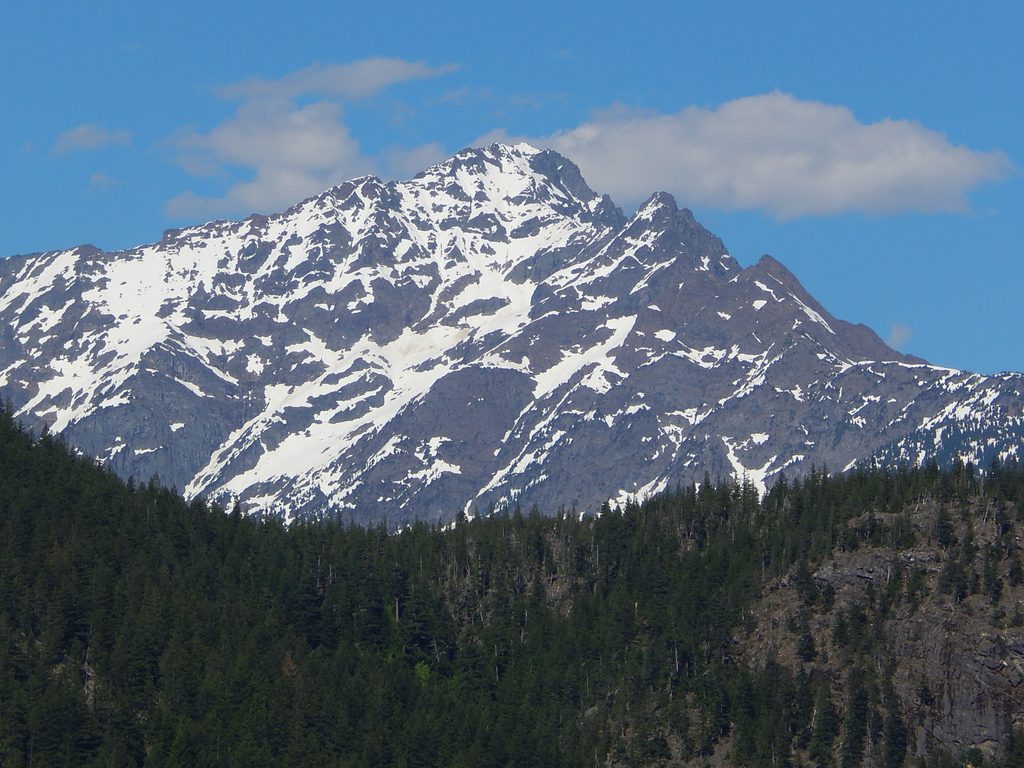
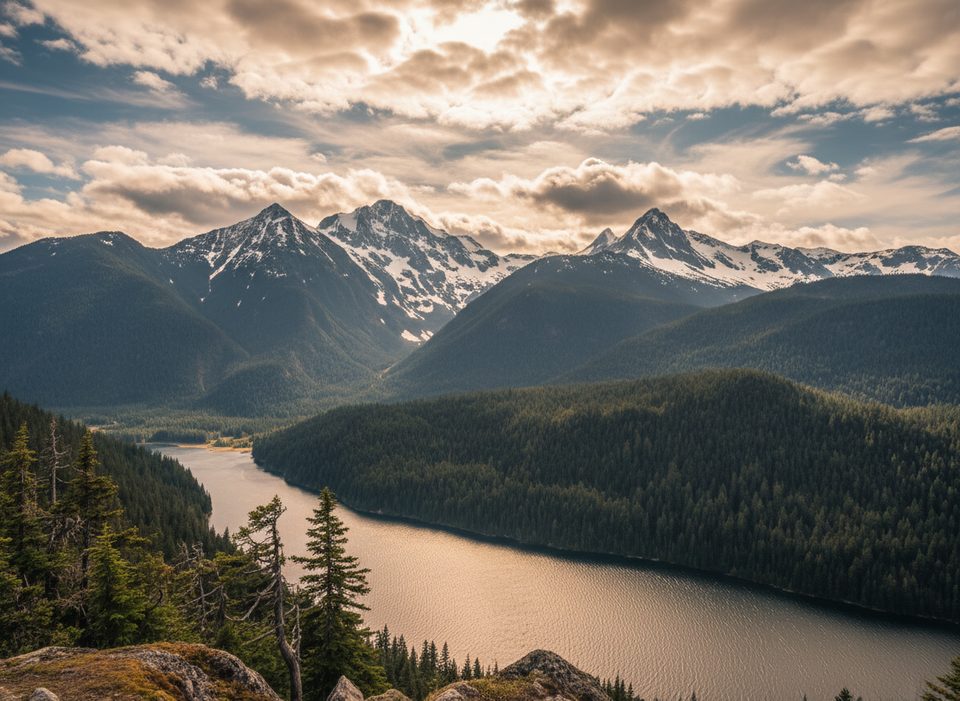
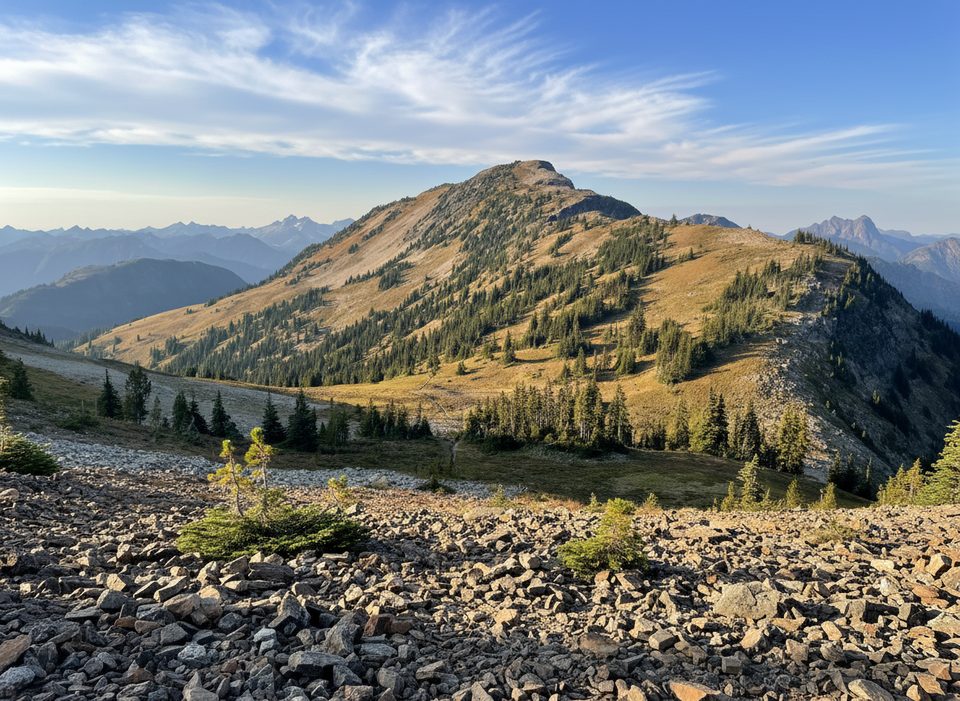
Perched high on the Devil’s Ridge, Devil’s Dome is the showpiece perch of the famed Devil’s Dome Loop—a true North Cascades big-mountain experience. Expect a wind-swept summit shoulder, endless horizons into the Pasayten, and front-row views of hulking Jack Mountain and its blue-white Nohokomeen Glacier. It’s remote, dramatic, and absolutely worth the work if you’re up for a stout climb.
Most parties start from the East Bank Trailhead on Highway 20, cruise lakeside miles along Ross Lake, then tackle the Devil’s Creek/Devil’s Ridge climb—about 5,200 feet up—to reach the Dome. Continuing west carries you across long, above-treeline traverses toward Devil’s Park and on to Jackita Ridge before dropping to Canyon/Ruby Creek to close the loop.
Devil’s Dome is a popular but exposed and typically dry camp. Plan to haul water from reliable sources lower down; a commonly dependable source is around Dry Creek Pass earlier on the climb. Expect long dry stretches along the ridge between the Dome and Devil’s Park, especially later in summer. Lakeside camps on Ross Lake (by permit) are reliably wet; ridge camps in the high country are not.
Early summer can still hold snow up high; midsummer brings heat on the exposed climbs and ridges, plus hungry mosquitoes in the meadows and parks. Autumn swaps bugs for color and cooler temps but shortens your daylight window. Portions of Jackita Ridge often melt out later than other trails in the area, so recent trip reports are gold for water, snow, brush, and blowdowns.
Black bears are regularly spotted along the loop. Keep food secured (a canister or solid hang) and maintain clean camp habits. You may also see high-country birds and plenty of buzzing insect life in midsummer.
Aim for mid-July through September for the best shot at dry tread and snow-free ridges. Start big ascents early to use shade and calmer morning winds, and plan your summit time for late-day light if you’re chasing photos—sunset and dawn can be spectacular from the Dome’s rim.
Place · 4 mi away
Place · 6.9 mi away
Place · 7.5 mi away
Place · 8.7 mi away
Challenging · 8.5 mi away
Challenging · 8.5 mi away
Moderate · 8.5 mi away
Easy · 9.2 mi away

Parkwolf Tour Guide
