
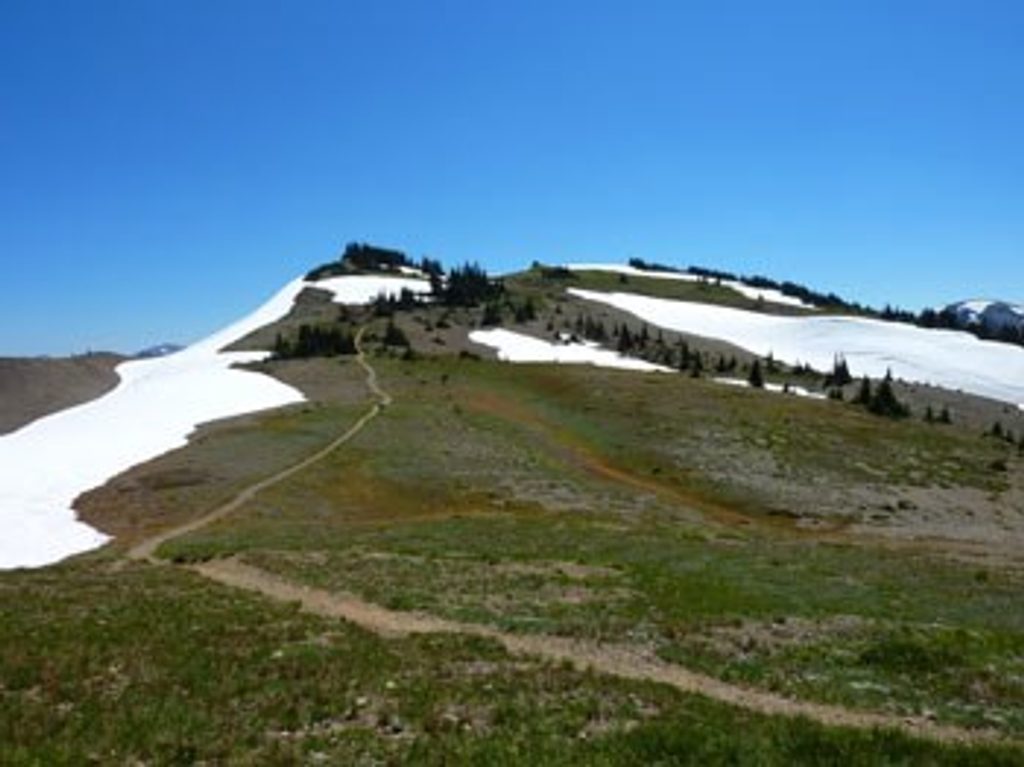
Place · 0.5 mi away
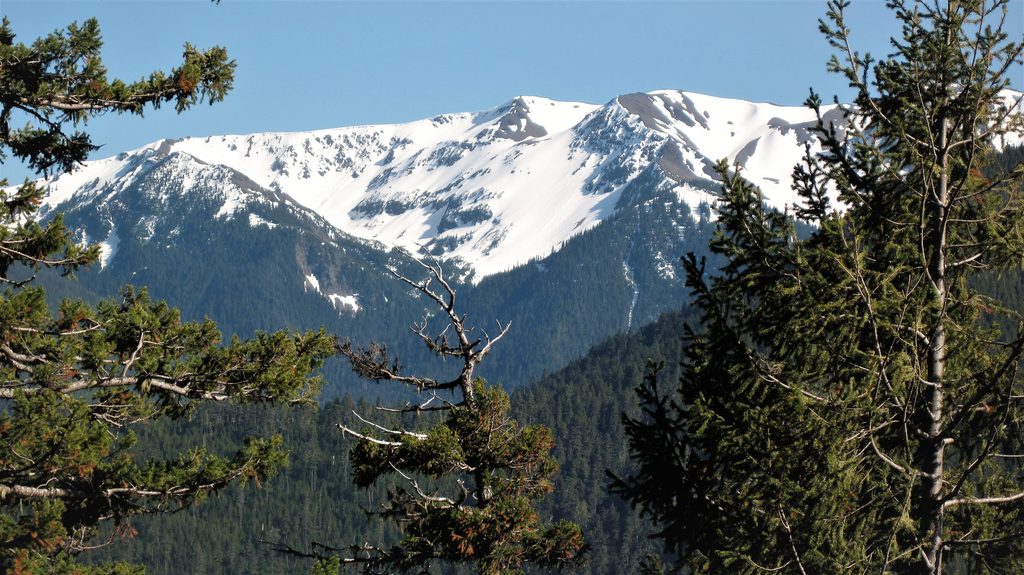
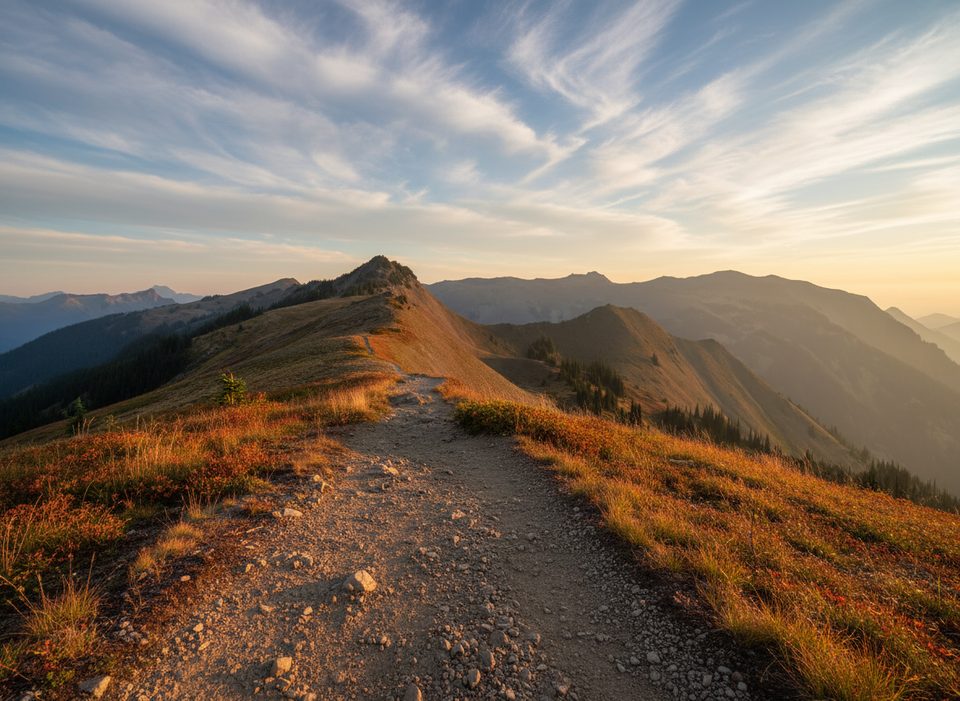
Elk Mountain rides a high, exposed ridge just east of Obstruction Peak, serving up sweeping subalpine scenery and that classic Olympic Mountains feeling of being out on the edge. It’s close to Hurricane Ridge in miles but feels wilder and more remote once you’re on the crest.
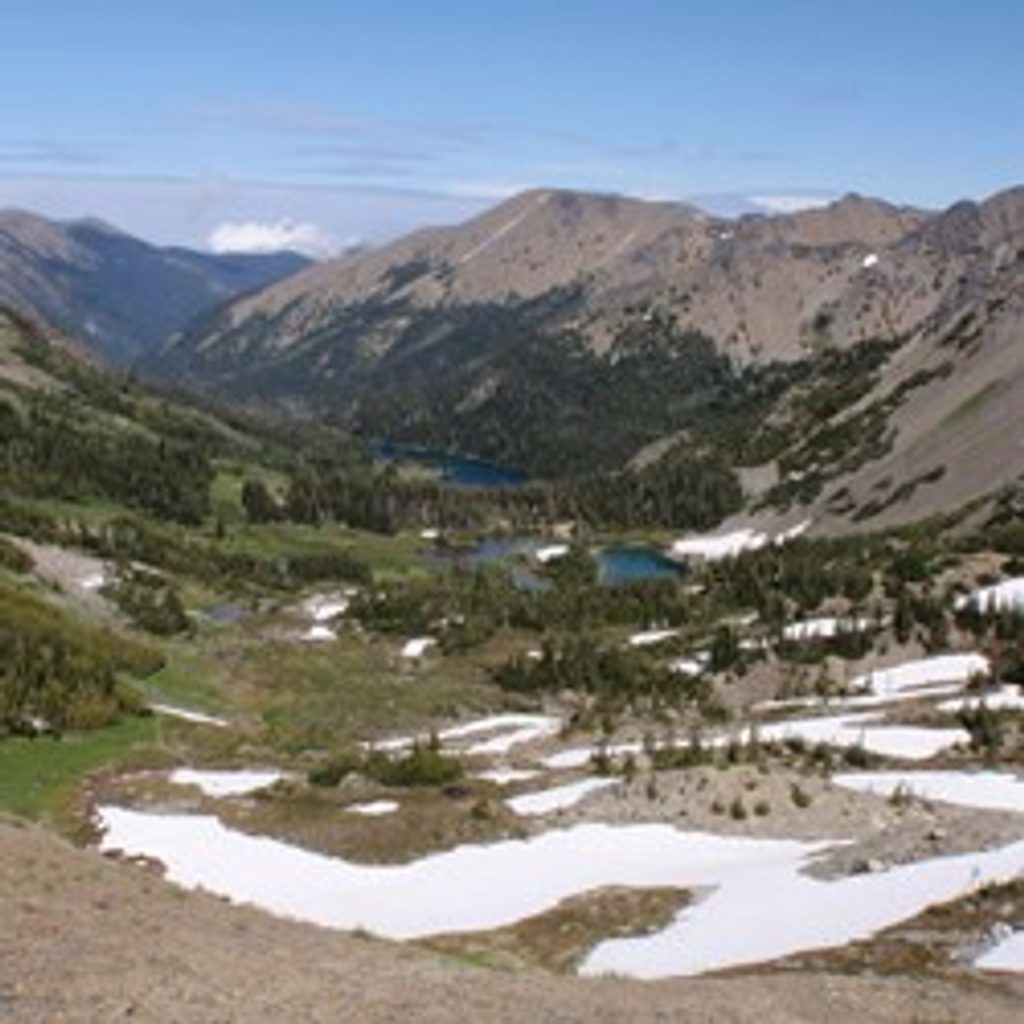
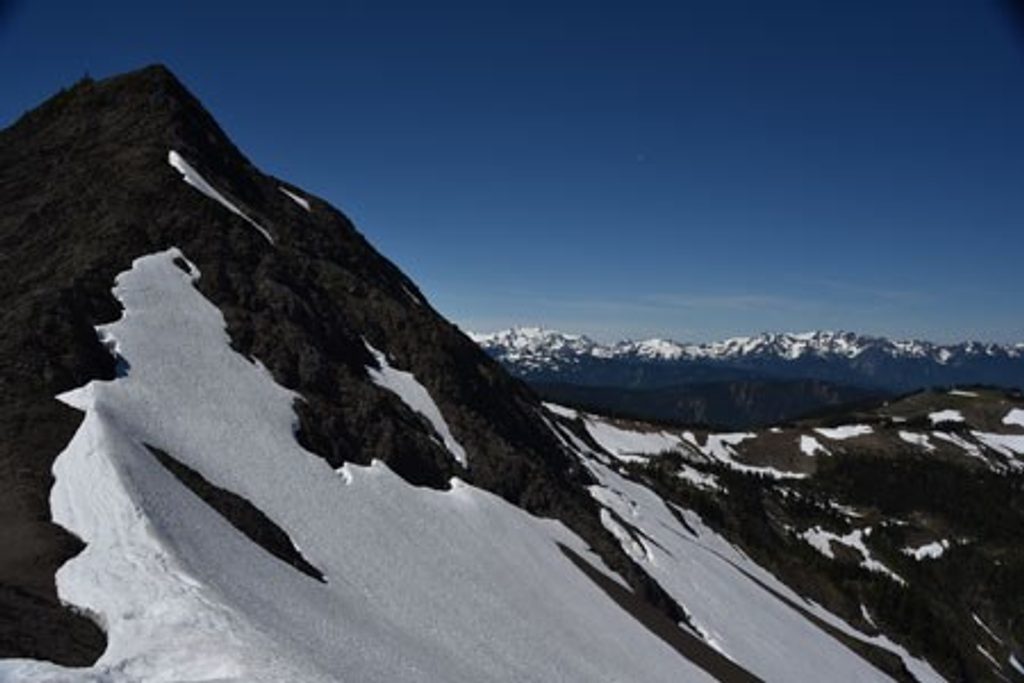
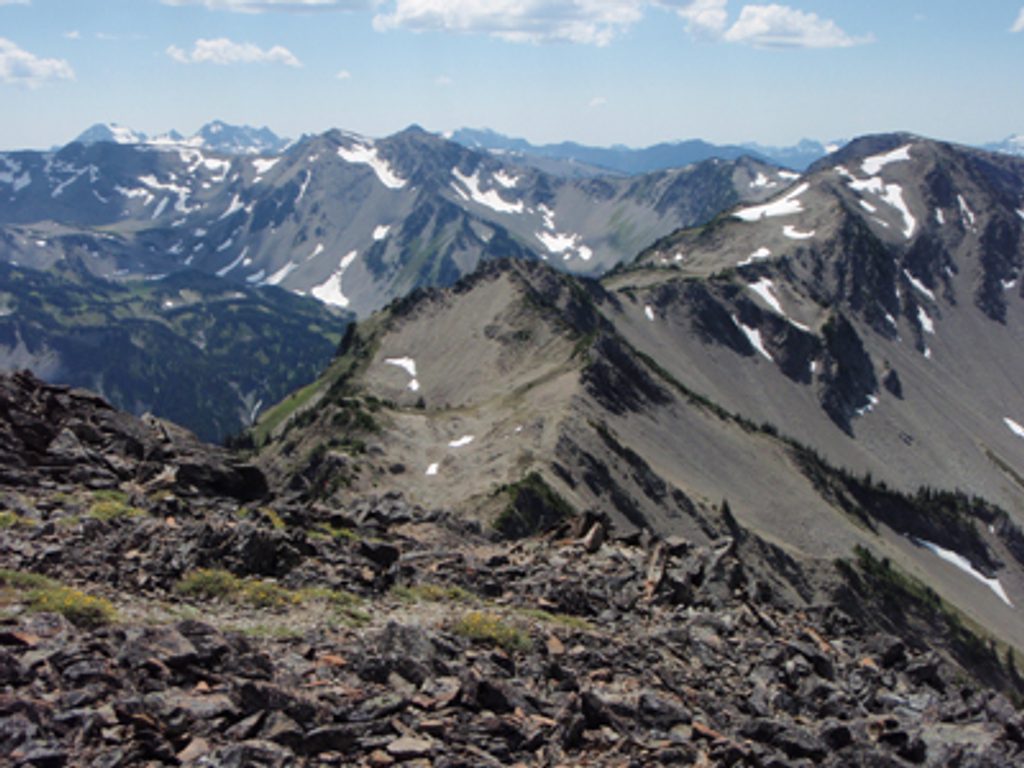
Clear days deliver huge, unobstructed vistas: Mount Olympus, the Grand Valley with Moose and Grand Lakes, and all the way out toward the Strait of Juan de Fuca. The ridge itself mixes airy traverses, talus slopes, and flowered meadows in season. Cloud and fog can sweep in fast here—sometimes the ridge is fully socked in.
Most people reach Elk Mountain from Obstruction Point Trailhead, following the ridgeline east toward Deer Park. Expect a real workout: typical day trips run about 8 miles round-trip with roughly 840 feet of gain, while longer loops with side trips can stretch to around 12 miles and ~3,000 feet of gain. The terrain is steep in places and fully exposed, and it’s often windy on the summit.
This ridge is named for the elk that summer in these subalpine meadows. Hikers commonly spot Olympic marmots and ptarmigan, along with chipmunks and other alpine birds. Elk tend to move lower in winter, but summer is prime time for wildlife sightings up high.
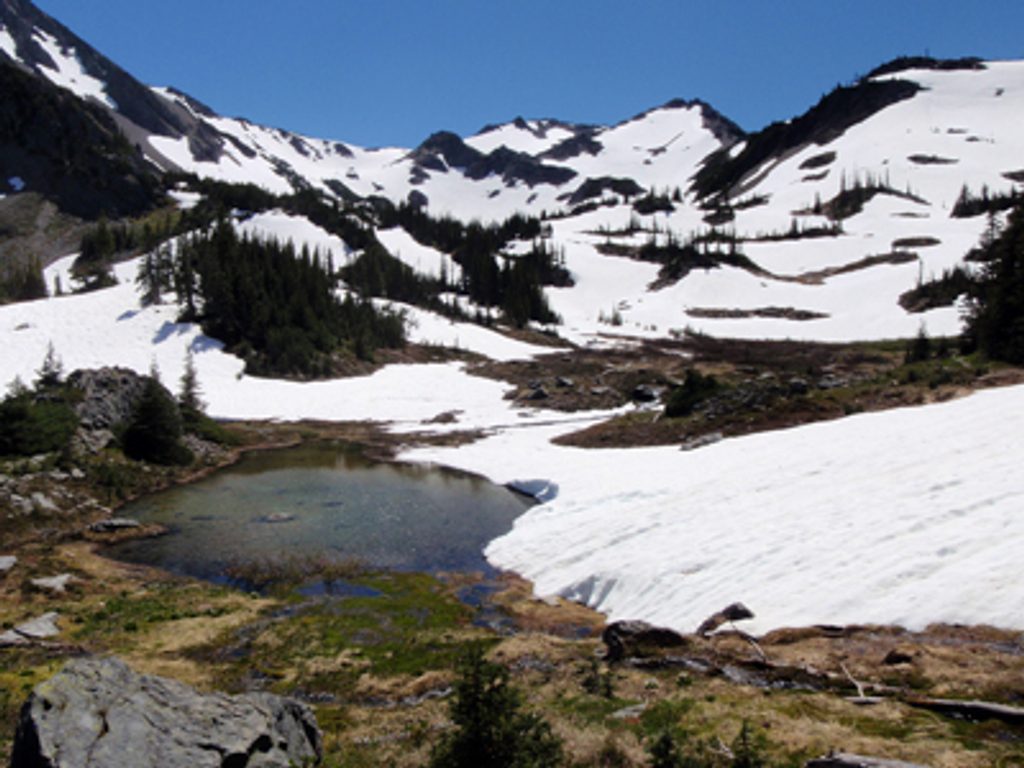
Obstruction Point Road is typically open only in summer and early fall—always check current road and trail status before you go. Early season snow can linger, and storms can drop trees or make footing messy in spots. There are no reliable water sources along the ridge and no amenities at the summit.
If you’re up for a committed ridge walk with exposure, Elk Mountain is a gem—big views, real solitude outside peak season, and a good chance at wildlife. If you want quick, guaranteed views without dealing with weather or effort, this isn’t that kind of stop.
Place · 0.5 mi away
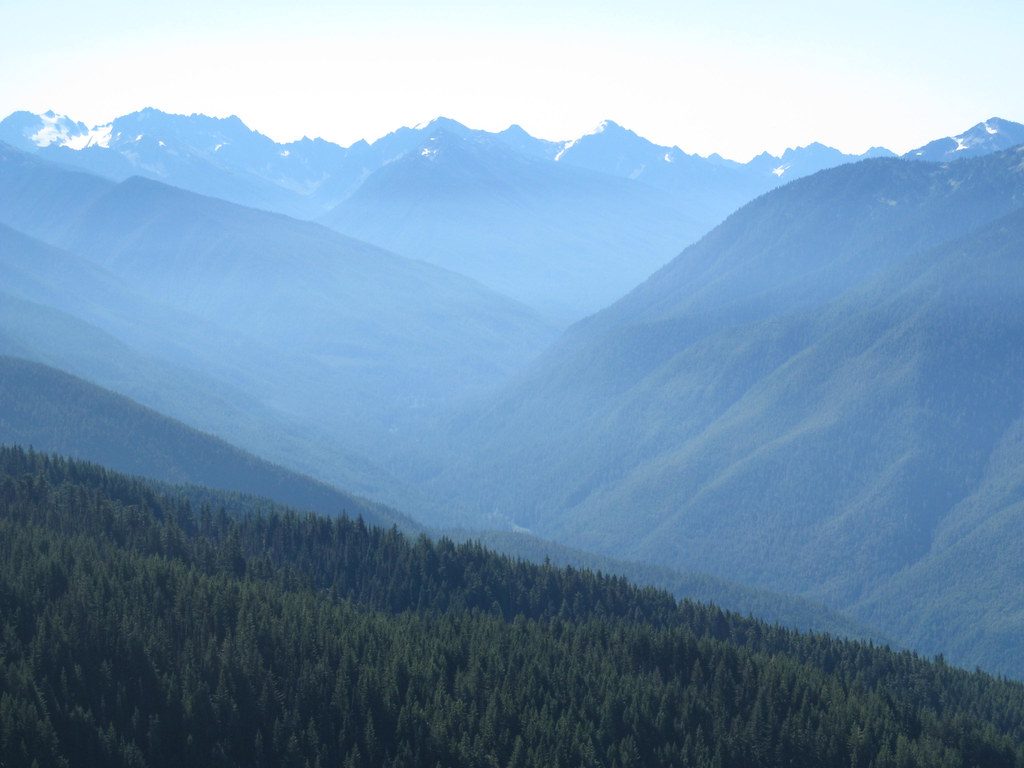
Place · 1.5 mi away
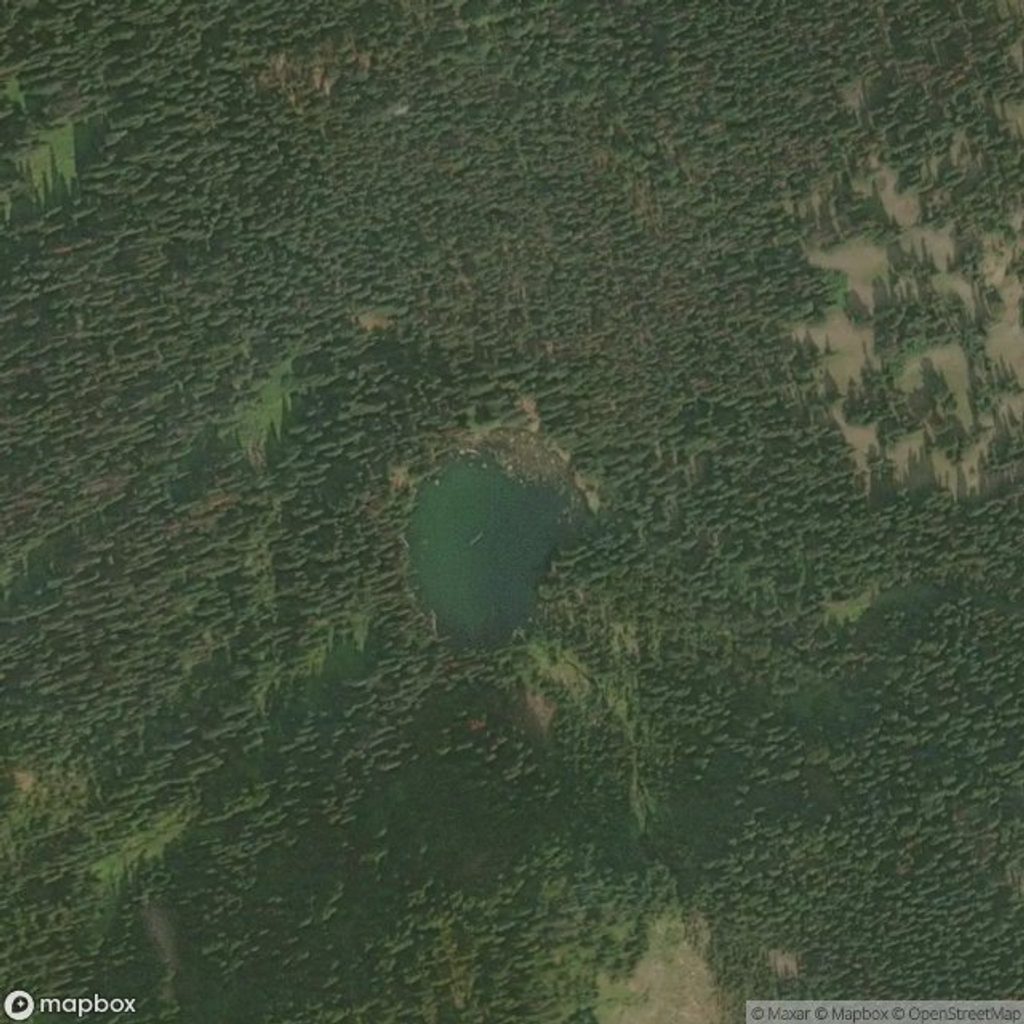
Place · 2.2 mi away
Place · 2.8 mi away
Challenging · 0.5 mi away
Challenging · 0.5 mi away
Challenging · 0.5 mi away
Moderate · 0.5 mi away

Parkwolf Tour Guide
