
Place · 0.2 mi away
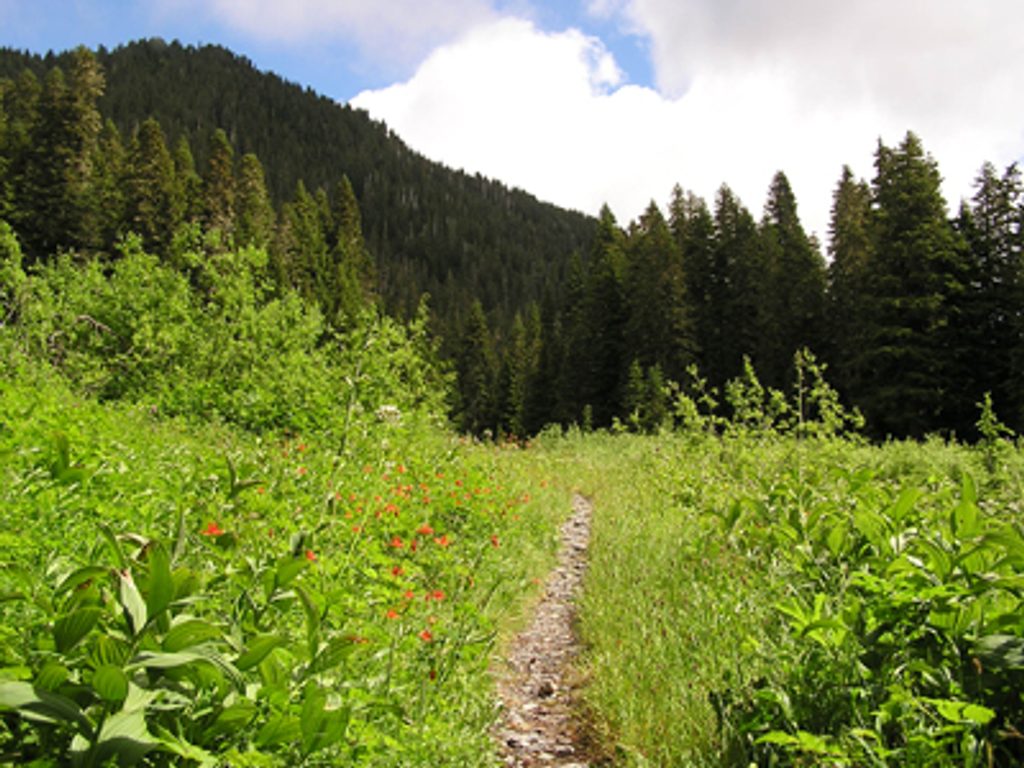
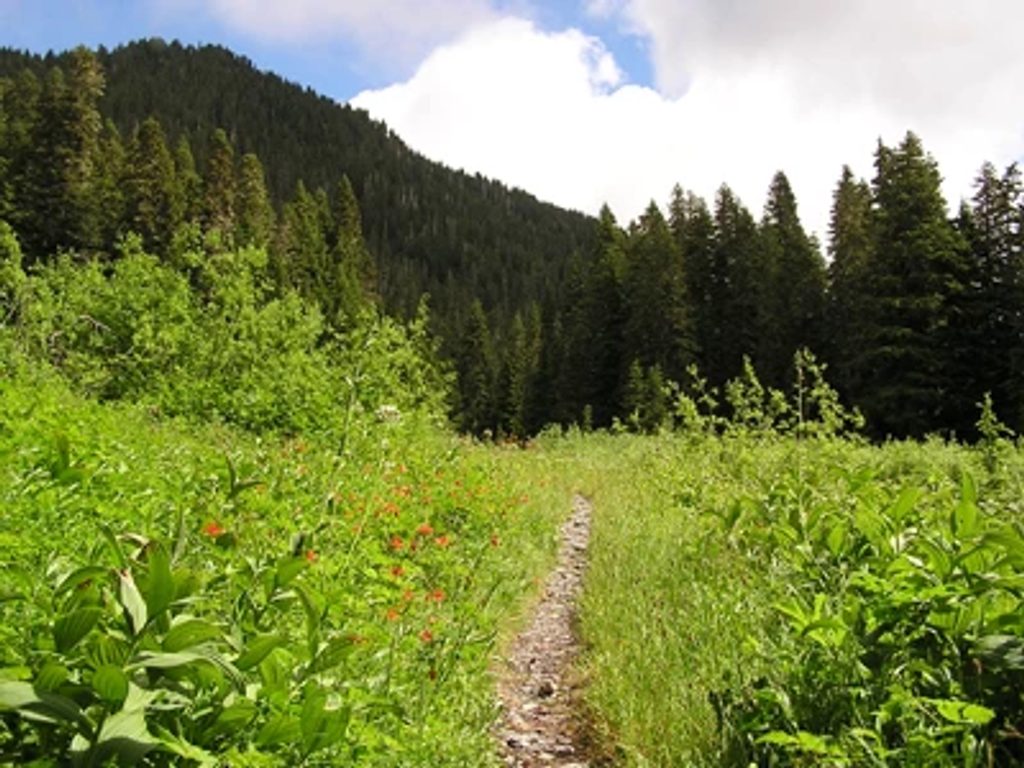
Low Divide Shelter sits on a high, forested saddle linking the Elwha and Quinault river valleys, about 3,600 feet up. It’s a classic interior stop on the Elwha–Quinault traverse—remote, quiet, and deeply wild. Expect a true backcountry feel rather than a developed campground.
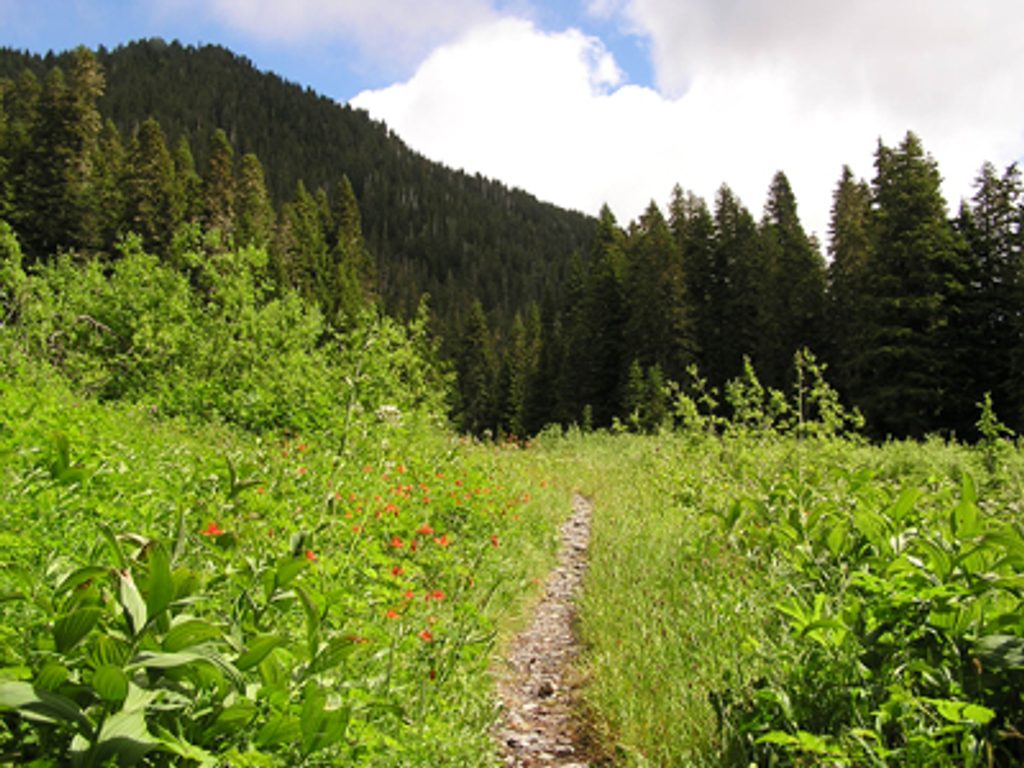
The divide opens into subalpine meadows fringed by old‑growth forest, with two photogenic tarns—Lake Margaret and Lake Mary—nearby. Summer brings wildflowers, clear reflections on calm water, and big night skies. Trails radiate in multiple directions, so it’s a natural pause point on longer itineraries.
You’ll find basic but useful infrastructure: pit toilets, bear wires, and several designated campsites near a periodically staffed ranger cabin. Camping is not permitted at Lake Margaret or Lake Mary; stick to established sites near the cabin or slightly farther out. There’s no treated water—plan to filter from creeks or lakes.
Reaching Low Divide is the definition of earned solitude. From the North Fork Quinault side it’s roughly 16.5 miles to the divide, with over 2,000 feet of gain from either direction. Most parties fold it into a multi‑day through‑trip, ascending one watershed and descending the other.
Black bears are active here—use the bear wires and practice tight food storage. Deer and plentiful birdlife frequent the meadows; elk show up occasionally. The corridor also supports sensitive species research, so keep noise down and give wildlife a wide berth.
Place · 0.2 mi away
Place · 5.5 mi away
Place · 8.1 mi away
Place · 8.6 mi away
Moderate · 10.3 mi away
Challenging · 10.3 mi away
Easy · 10.3 mi away
Moderate · 11 mi away

Parkwolf Tour Guide
