
Place · 2.3 mi away
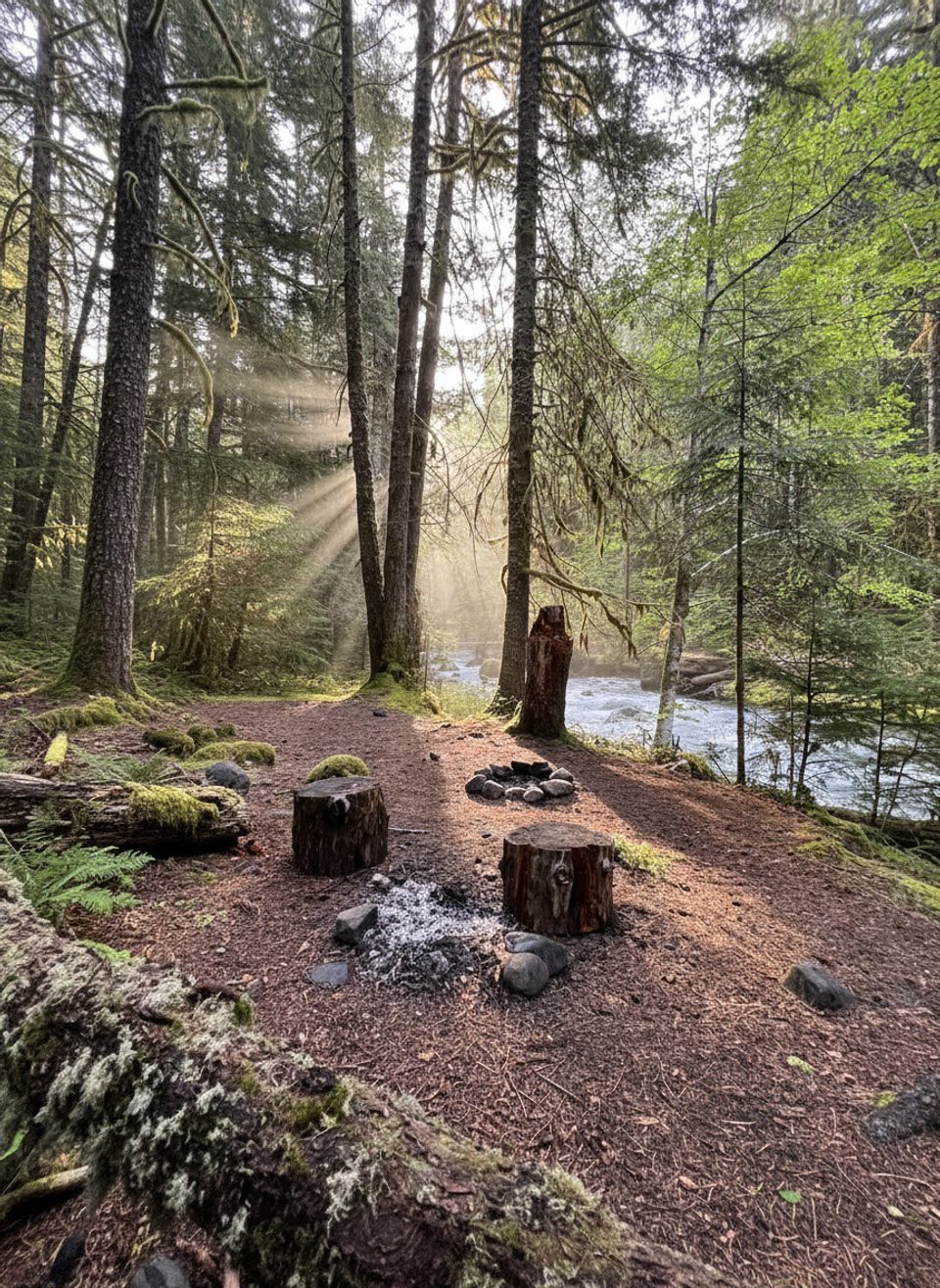
Tucked deep in the Gray Wolf River valley, Three Forks Shelter is a historic, open-sided log structure beside the confluence of Grand Creek, Cameron Creek, and the Gray Wolf River. It’s a classic backcountry hub: quiet, mossy, and wonderfully removed from the frontcountry buzz.
Built in the early 1930s in the Forest Service’s log‑and‑shake style, the shelter is recognized for its historic value (it appears on the National Register of Historic Places). The setting is the real star, though—roaring creeks, towering old trees, and that feeling you’ve stepped into a cooler, greener world at the bottom of a canyon.
Most hikers approach from Deer Park Campground. The trailhead is at the back of the campground near the walk‑in sites—don’t stop at the ranger station parking. From there, it’s a steep, sustained 4-mile plunge dropping roughly 3,300 feet into the valley. It’s dry up high, so carry water until you reach the creeks at the bottom; filter from the streams.
Expect a primitive setup: the historic shelter for weather cover, a privy, and multiple tent sites scattered nearby. There’s no piped water, no bear cables—plan to filter water and secure your food; bear canisters are required/recommended. It’s hike‑in only—no road, no parking, no services.
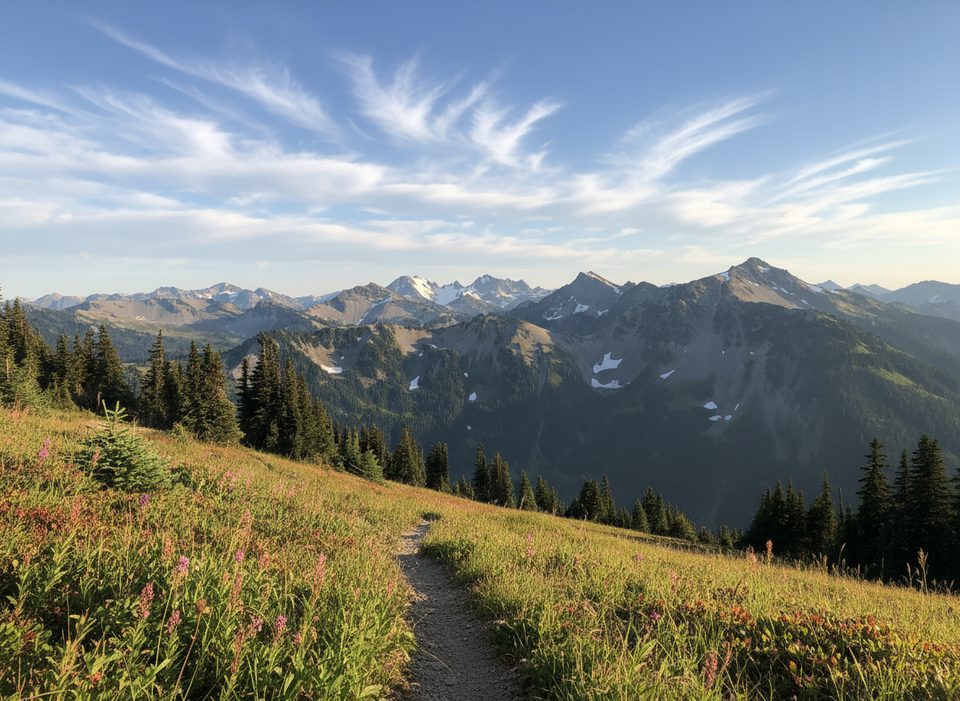
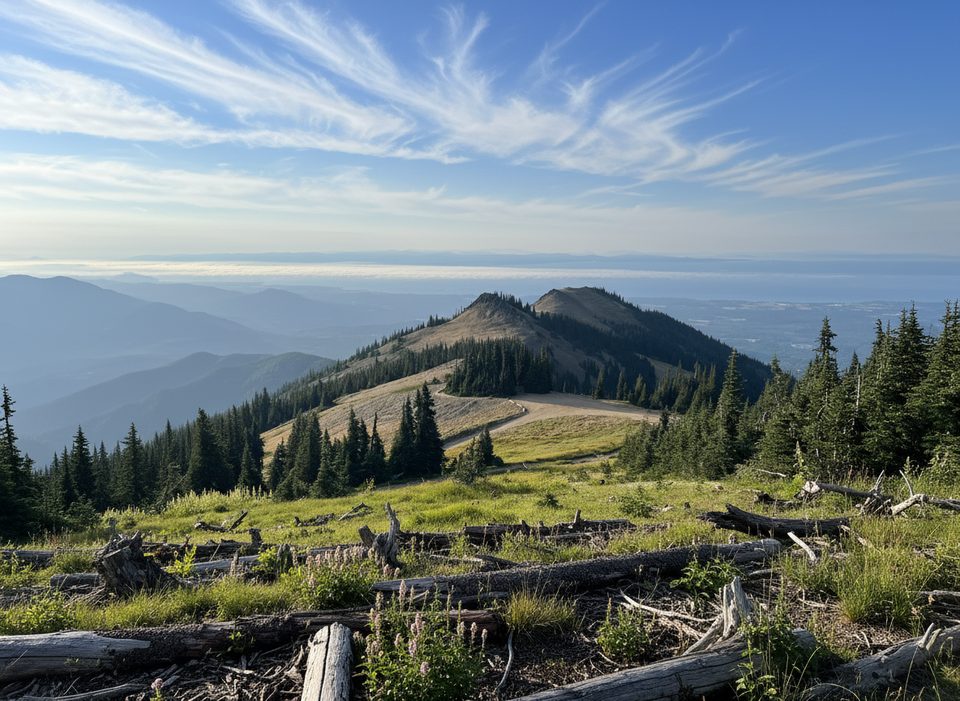
The descent runs from airy ridges and meadows into deep, mossy forest. Down in the valley you’ll camp to the soundtrack of whitewater. Deer and a variety of birds are common; black bears are possible—keep your food locked down.
Three Forks works as a tough out‑and‑back or as a waypoint on longer backpacking routes that thread the valley and surrounding ridges. Strong hikers link it into bigger loops using the Three Forks Trail network.
Deer Park Road typically closes with first snow and reopens after melt-out (often around mid‑June). Expect heat and exposure up high on sunny days and cool, damp conditions in the valley. Bugs can be feisty in late spring and summer.
If you’re into challenging descents, quiet river camps, and a dose of park history, absolutely. If you want easy access or amenities, skip it—this one makes you earn the magic.
Late June through early fall for snow-free access from Deer Park. Start early to descend in the cool and tackle the climb out before afternoon heat. Weekdays are even quieter. For photos, soft morning or evening light plays best on the ridges; the valley is shaded most of the day.
Place · 2.3 mi away
Place · 2.5 mi away
Place · 2.8 mi away
Place · 4.9 mi away
Challenging · 2.5 mi away
Challenging · 2.5 mi away
Challenging · 2.5 mi away
Easy · 2.9 mi away

Parkwolf Tour Guide
