Blue Mountain

Drive-up summit with 360-degree views over sea and Olympics
Blue Mountain, Olympic National Park
InsideOlympic National Park

Why go

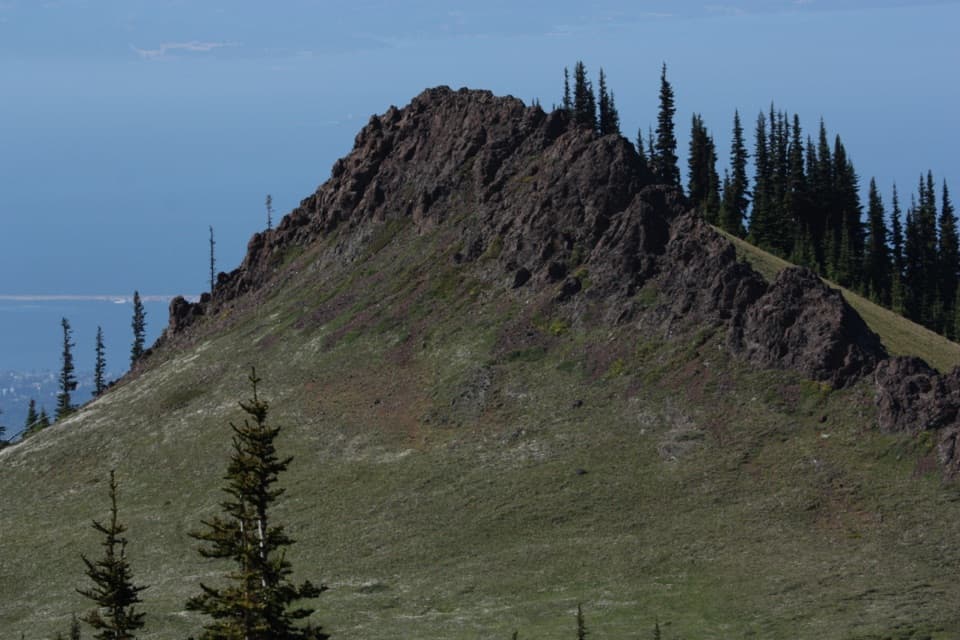
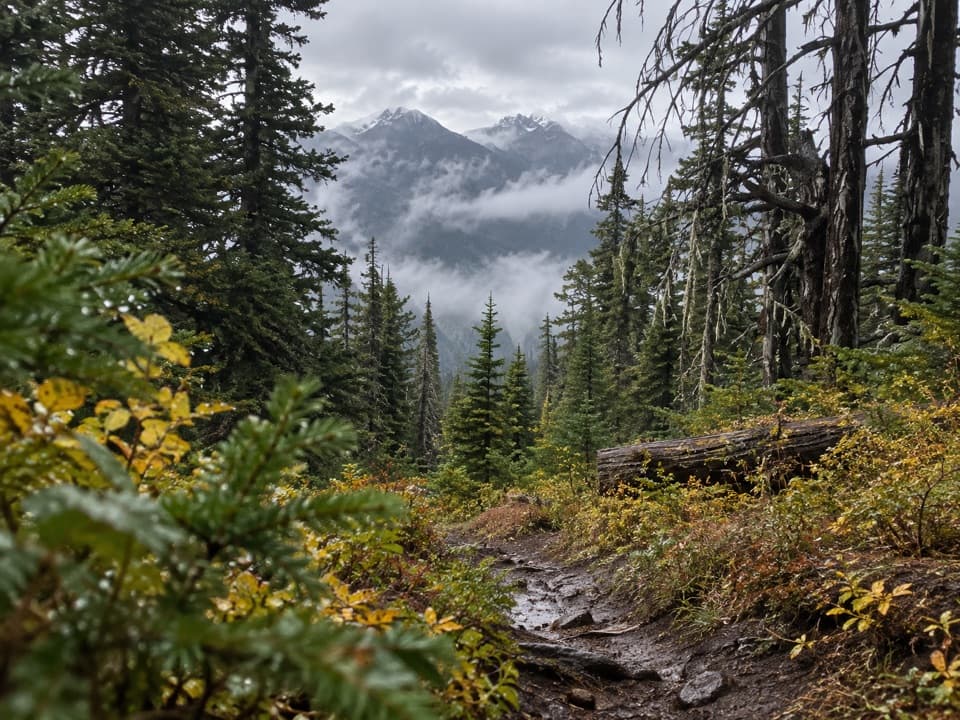
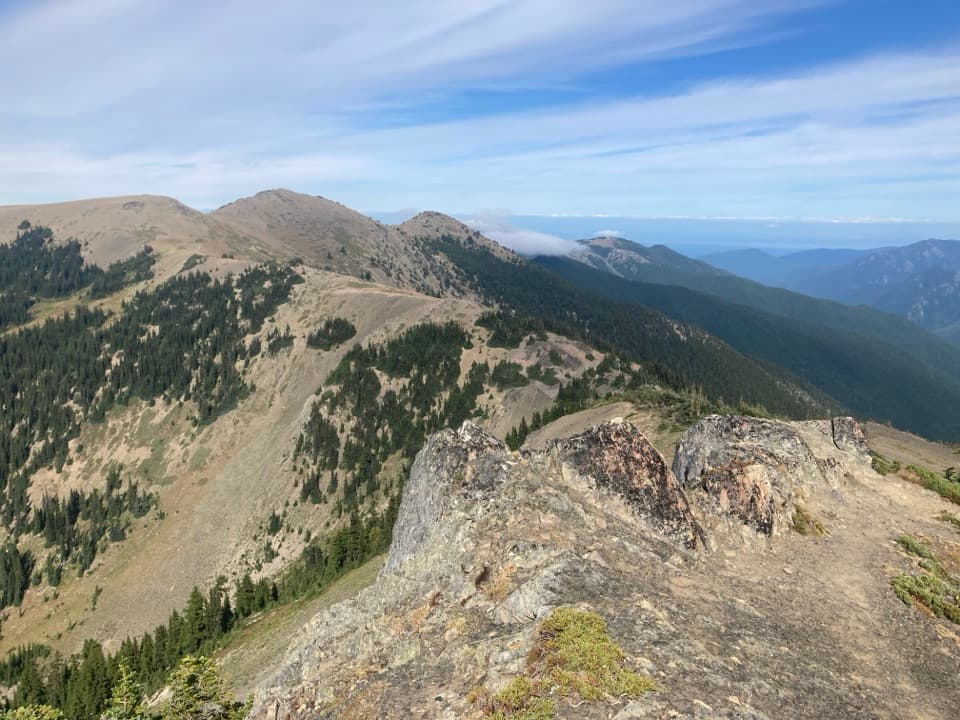
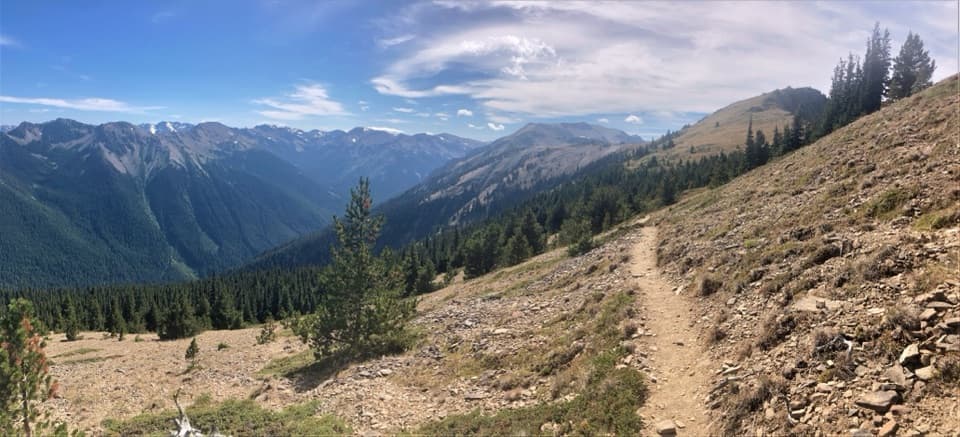
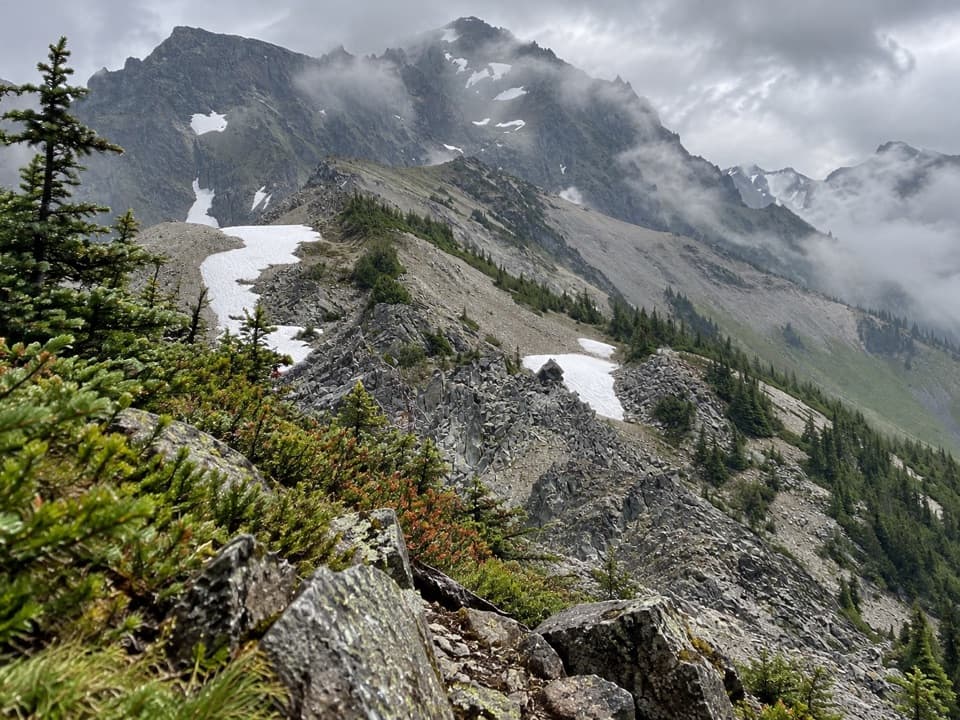
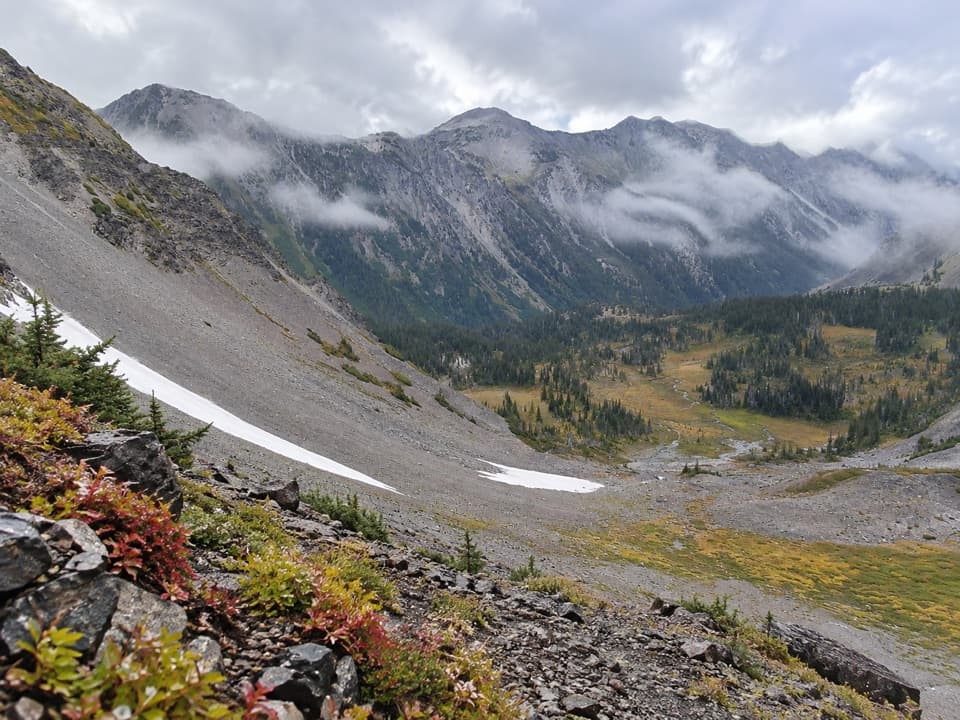
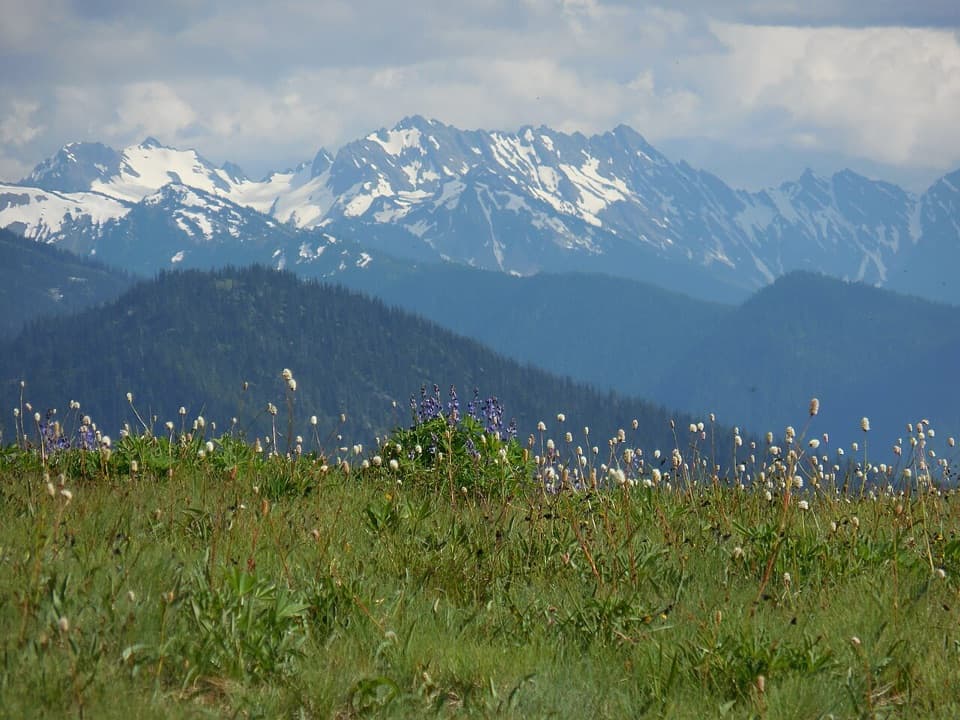
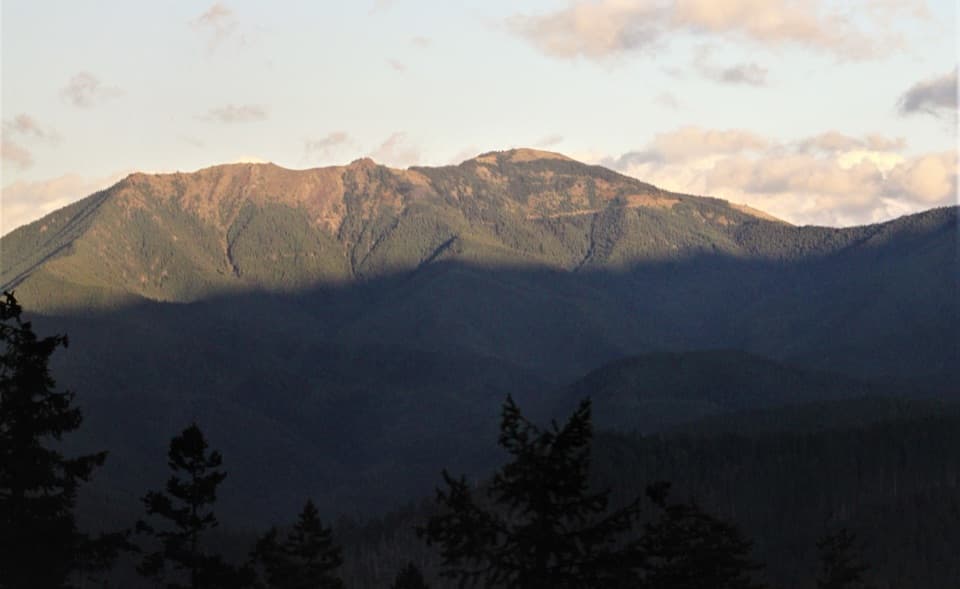
If you want maximum views for minimal effort, Blue Mountain delivers. The 6,007‑foot summit sits in the park’s drier rain‑shadow, so the top is open, rocky, and big‑sky—perfect for sweeping looks at the Olympic Mountains, the Strait of Juan de Fuca, and even Dungeness Spit. Sunsets can be superb, with clouds pooling in the valleys below.

What it’s like up top

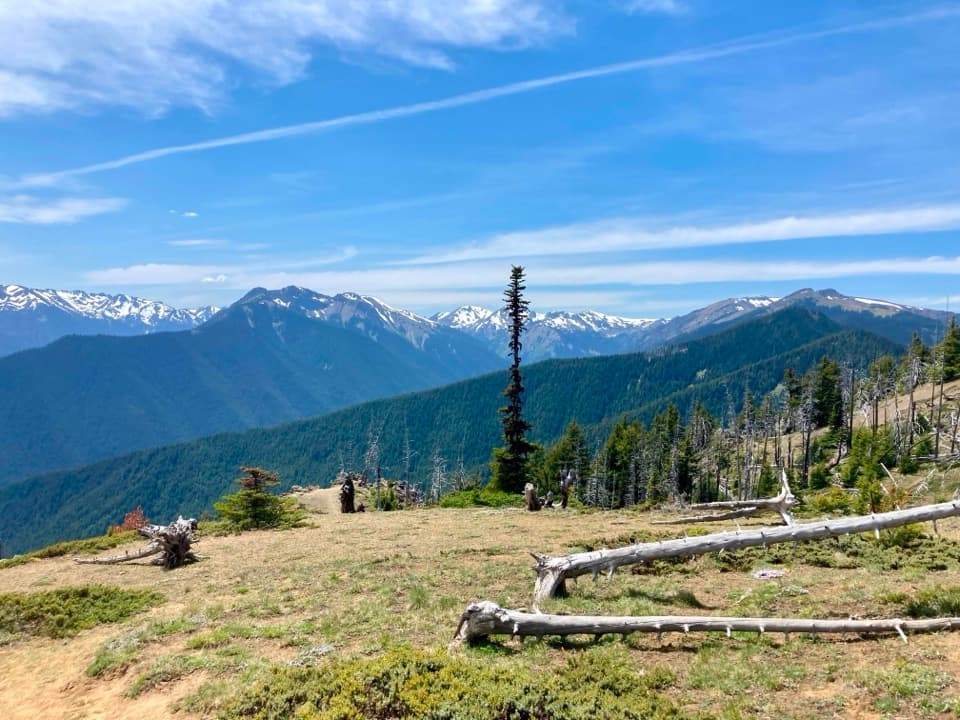
Expect a mostly barren, wind‑kissed summit with scattered evergreens and long sightlines in every direction. The payoff is the panorama—this is one of those rare road‑to‑ridge experiences where you get high‑country scenery without a big climb.

Trails and how hard it is

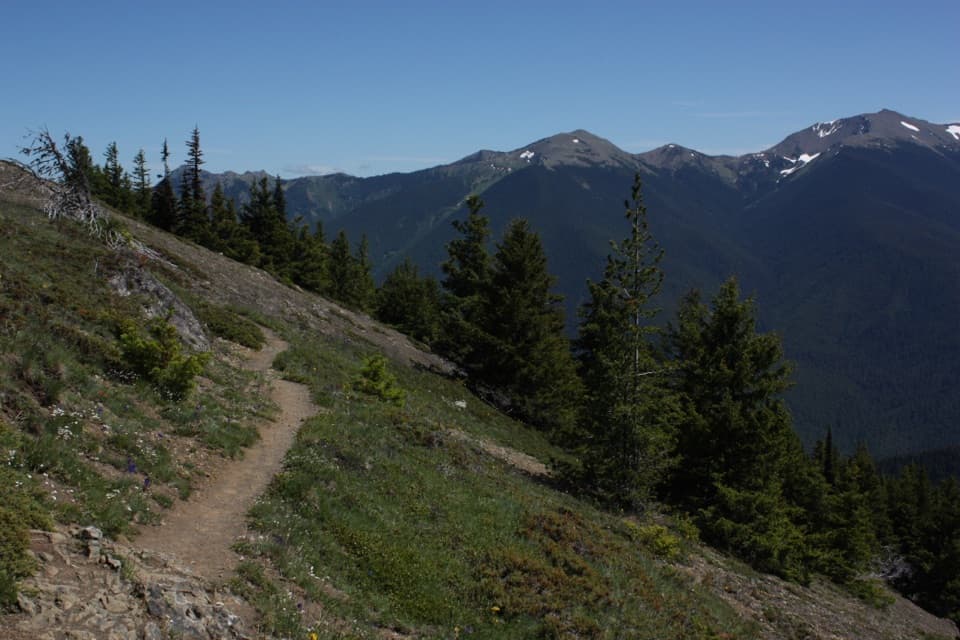
From the end of Deer Park Road, a short loop (about half a mile/0.6 km) circles the top. It’s a simple walk‑up on dirt and rock, more of a scenic wander than a workout. When the road is open, you can get very close to the summit and stitch this loop into a leisurely hour of views and photos.

Getting there (the honest version)

The last stretch of Deer Park Road is steep, narrow, and unpaved. Most cars make it in dry conditions, but nervous drivers won’t love the exposure, and large RVs/trailers are a no‑go. Snow lingers into spring; the road typically opens summer into early fall and can close from roughly October to May.

Nature notes

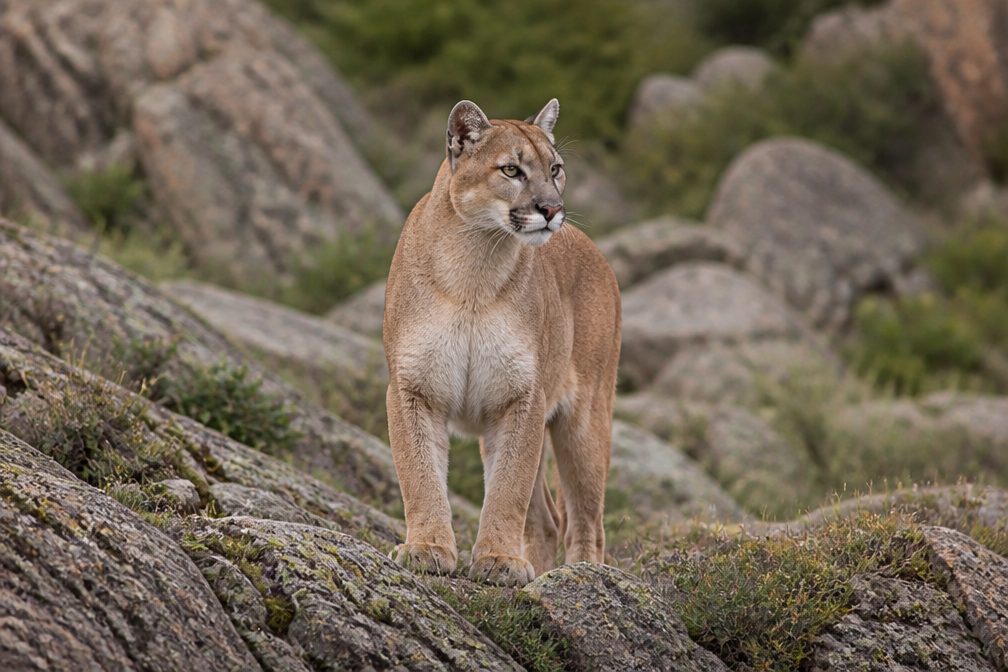
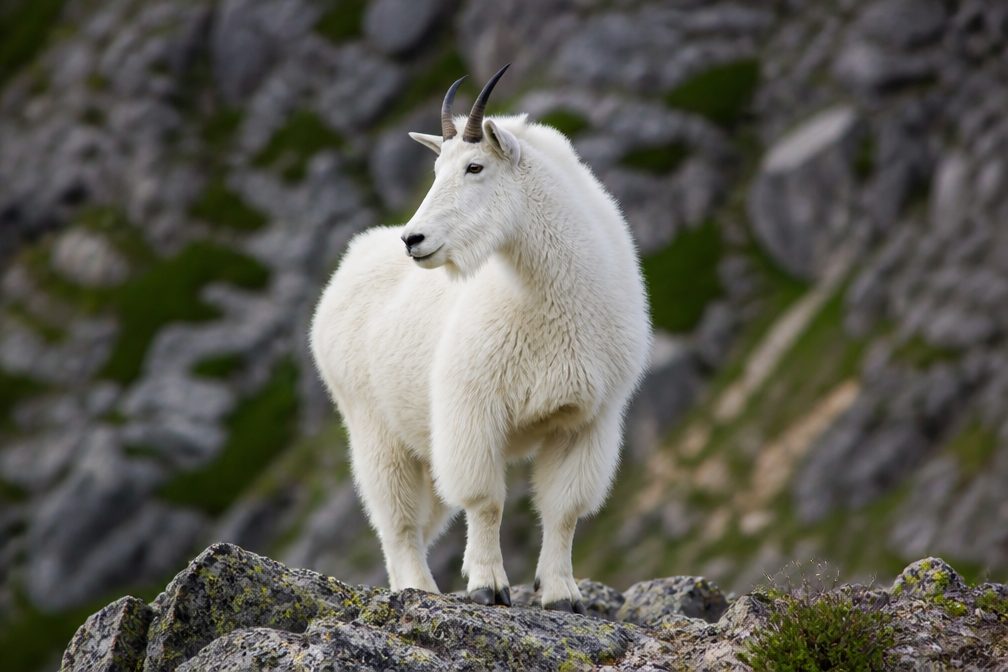
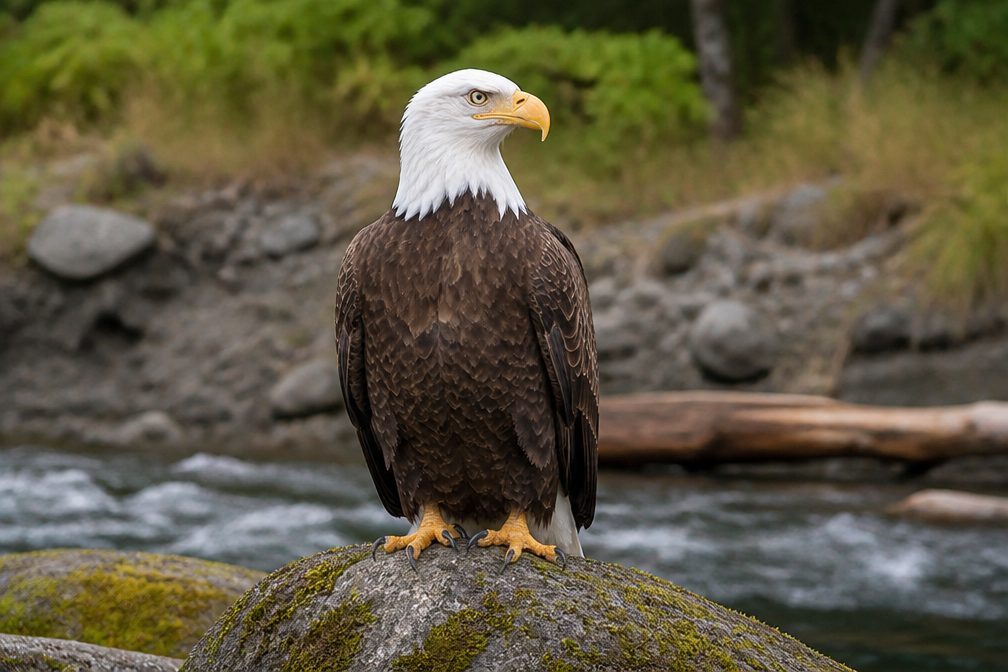
Blue Mountain sits in a pronounced rain shadow, so it’s drier than the park’s famed rainforests. Periodic lightning‑sparked fires and the arid conditions keep the summit open. Wildlife mentions skew to the usual high‑country suspects—deer are commonly seen, and you may spot birds riding the thermals.

Nearby base camp

Deer Park Campground sits just below the summit at treeline. It’s rustic—pit toilets, no running water—but it’s a fantastic perch for sunrise, sunset, and stargazing when skies are clear.

Best time to visit

  • Season: Summer through early fall offers the most reliable road access and clear skies. Shoulder seasons can mean snowed‑in roads and trails.
  • Week timing: Weekdays are quieter; summer weekends can see a bump from the campground crowd.
  • Light: Aim for golden hour—sunset is especially good for layered mountain scenes and cloud inversions. Clear summer nights are excellent for stars.

Essentials to know

  • There’s no potable water or services—bring everything you need.
  • It’s exposed up top: sun, wind, and quick weather changes are normal. Pack layers, sun protection, and sturdy shoes.
  • Pit toilets are down at Deer Park Campground.

Pros

  • Huge 360° vistas of sea and peaks with a short summit loop
  • Often quieter than Hurricane Ridge, especially at off-peak times

Cons

  • Steep, narrow gravel road; seasonal closures limit access
  • No services or water; summit is exposed and windy

Tips

  • Check Deer Park Road’s seasonal status and recent conditions before you go.
  • Bring all the water you need—there’s no potable water at Deer Park.
  • Avoid large RVs or trailers; the final miles are steep, narrow gravel.
  • Time your visit for sunset on a clear day, then stay for stargazing.
The Parkwolf tour guide sitting on a phone mounted in a car

Parkwolf Tour Guide

Like a tour guide in your car.

Save the places you found around Olympic, then let Parkwolf guide the drive between them.Download Parkwolf on the App Store