
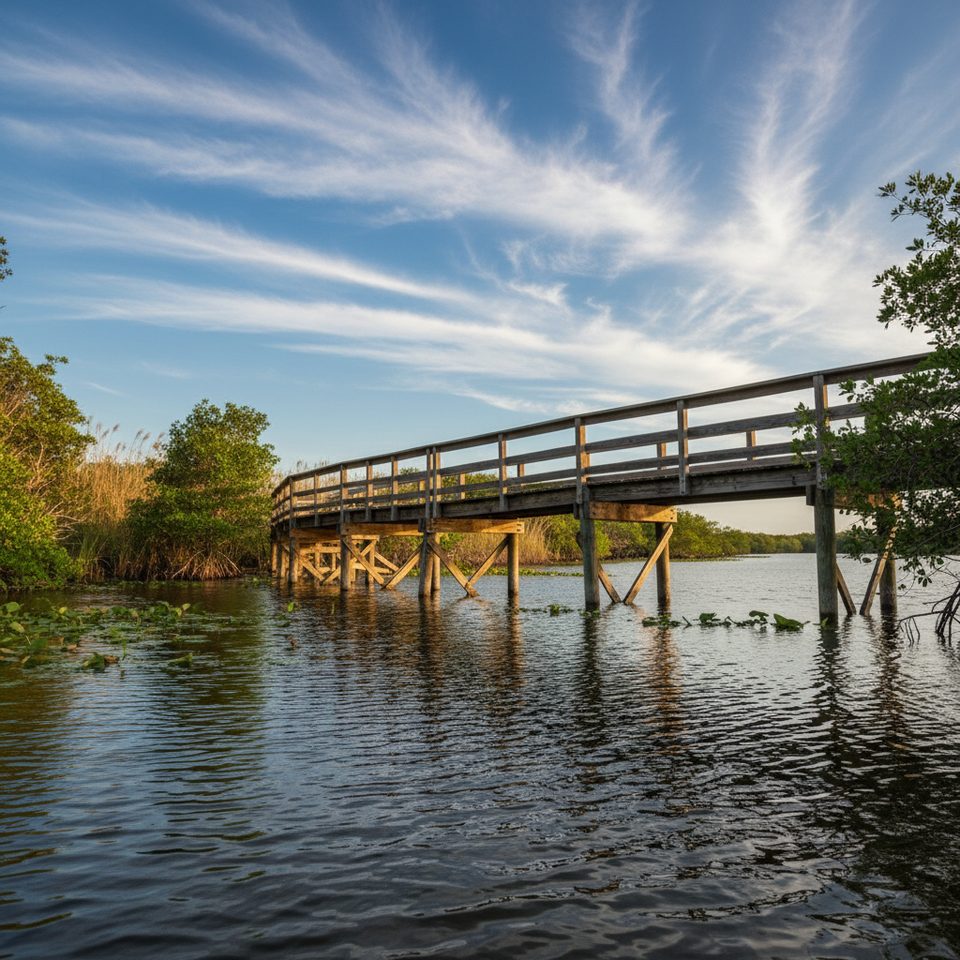
Place · 4.3 mi away
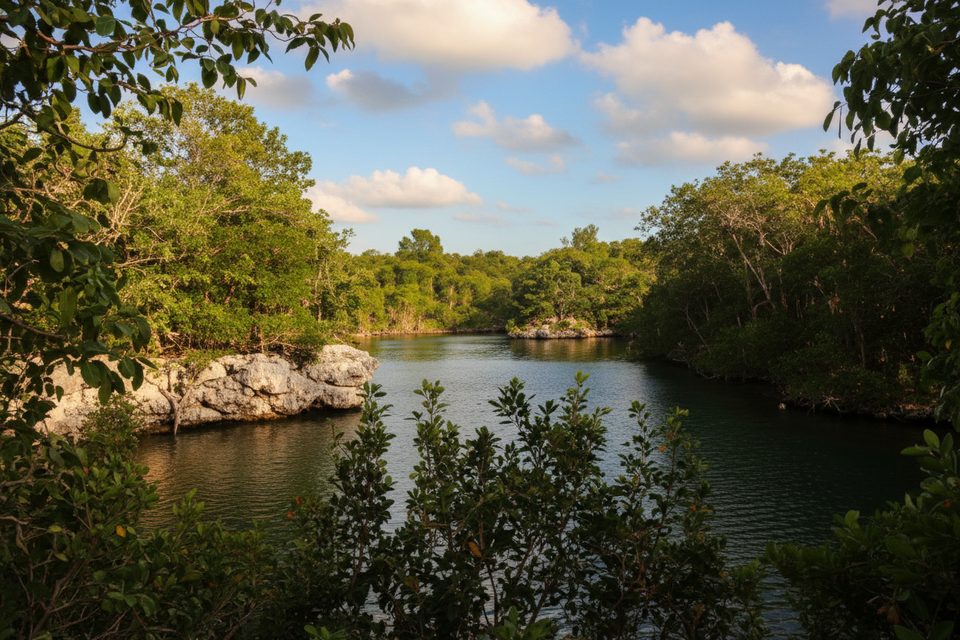
A peaceful, low-key stop on the north end of Key Largo, this park protects one of the largest remaining West Indian tropical hardwood hammocks in the U.S. It’s a place for slow walks, rare plants, and birds—not beaches or big vistas. Hours are sunrise to sunset, and entry is $2.50 per person via honor box (bring exact change). Find the entrance on County Road 905 about half a mile north of U.S. 1 at Mile Marker 106.
From the main entrance, a self‑guided nature trail and butterfly garden lead into shady hammock. The main boulevard is paved for an easy warm‑up; the Port Bougainville (Port B) route branches into 1–2 mile loops on gravel or leaf‑littered coral rock. There are also about 6 miles of additional trails accessed from a backcountry entrance roughly 7 miles north of the main gate. Expect dense tropical vegetation, rough limestone in places, and occasional interpretive kiosks.
This is prime Keys botany and birding. The hammock shelters 80+ protected species, including wild cotton and mahogany mistletoe. Keep an eye out for American crocodiles near wet edges, and watch the skies for white‑crowned pigeons, mangrove cuckoos, and black‑whiskered vireos. During migration—April northbound, October southbound—tropical vagrants like thick‑billed vireo and La Sagra’s flycatcher are reported. Butterflies are a highlight too, from Schaus’ swallowtails to silver‑banded hairstreaks.
Facilities are minimal by design: a composting/outhouse toilet off the main trail, a small picnic pavilion with three tables near the butterfly garden, limited parking, and informational kiosks. There’s no potable water—bring everything you plan to drink and some hand sanitizer. Bikes are welcome; fat tires are best for the rougher Port B surfaces, and helmets are strongly recommended (required by law for riders 16 and under). Ranger‑led walks occur at times.
Mosquitoes can be fierce, especially in warm months and after rain. Some trail sections—often the north/NE stretches—can flood with tides or heavy rain; just turn back and stick to the shorter loops when water covers the path.
For cooler temps, lighter bugs, and active birds, target early mornings or late afternoons, especially in the drier, cooler season (roughly November–April). Weekdays feel extra quiet. The park is open sunrise to sunset, so plan your walk to finish before dark.
Place · 4.3 mi away
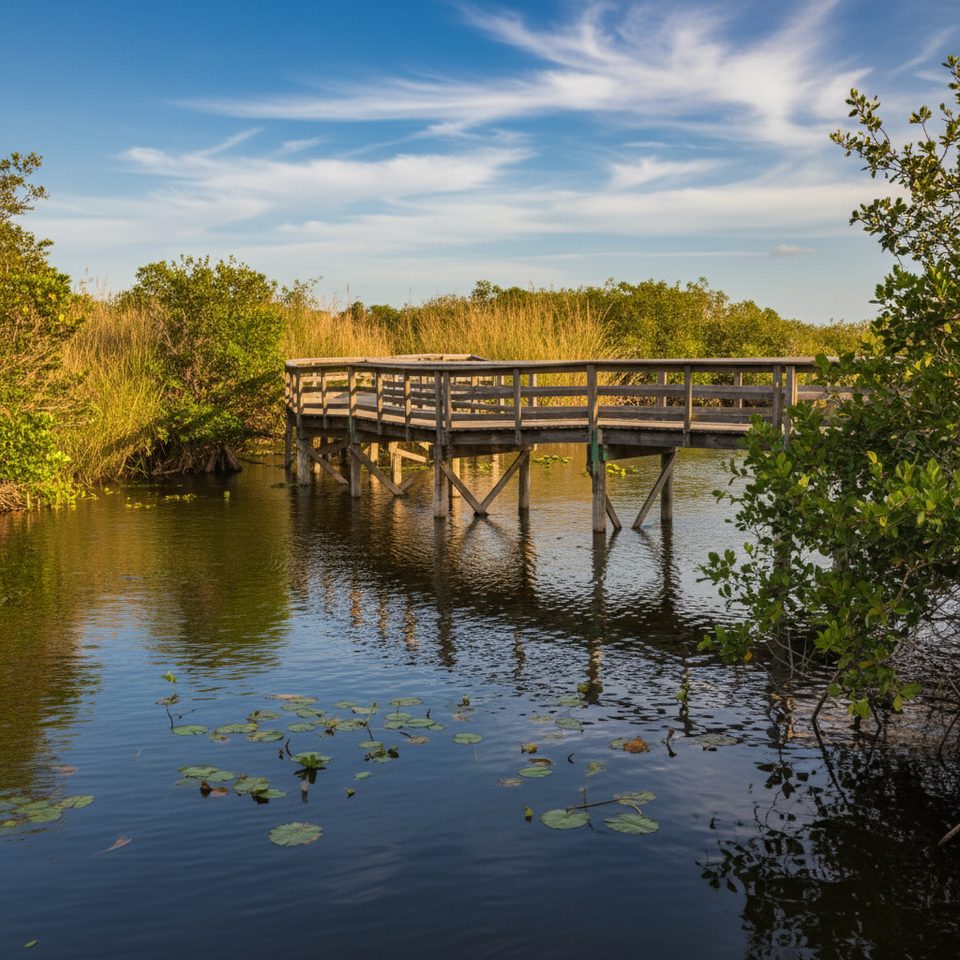
Place · 4.3 mi away
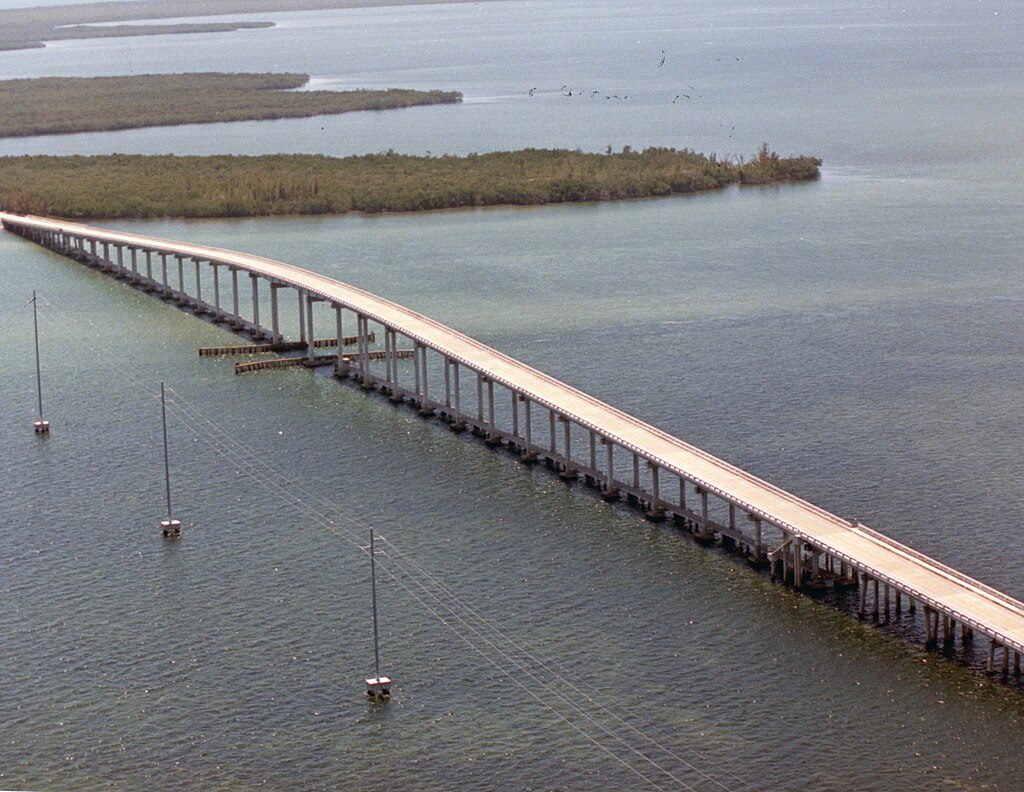
Place · 4.4 mi away
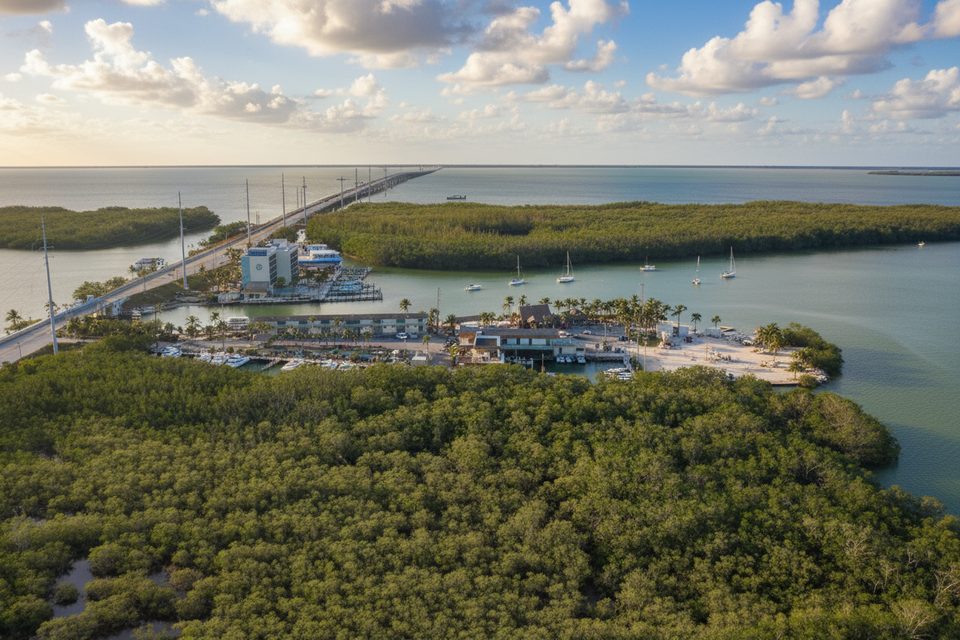
Place · 6.1 mi away

Moderate · 6.5 mi away
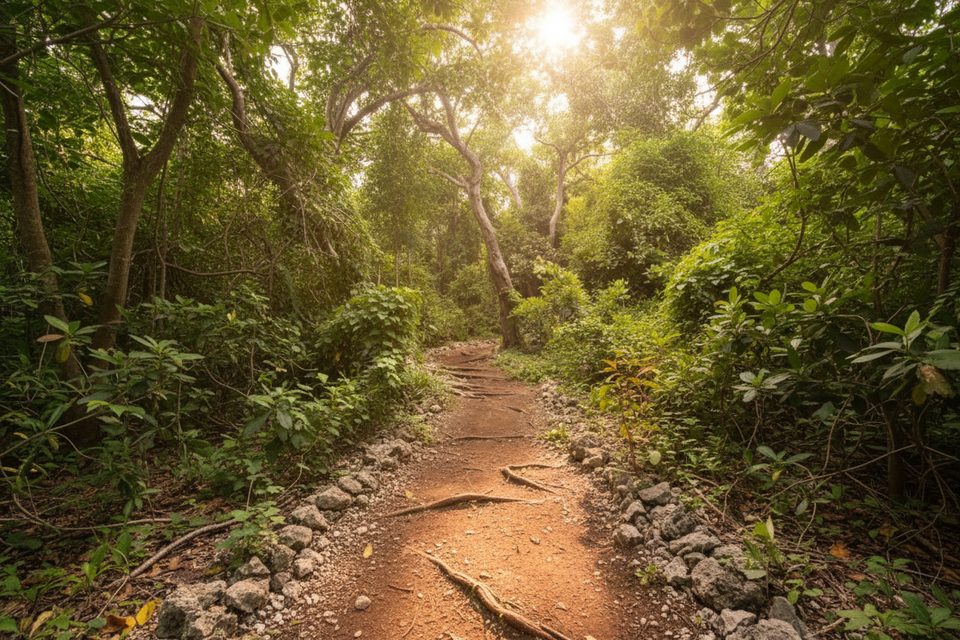
Easy · 9.8 mi away
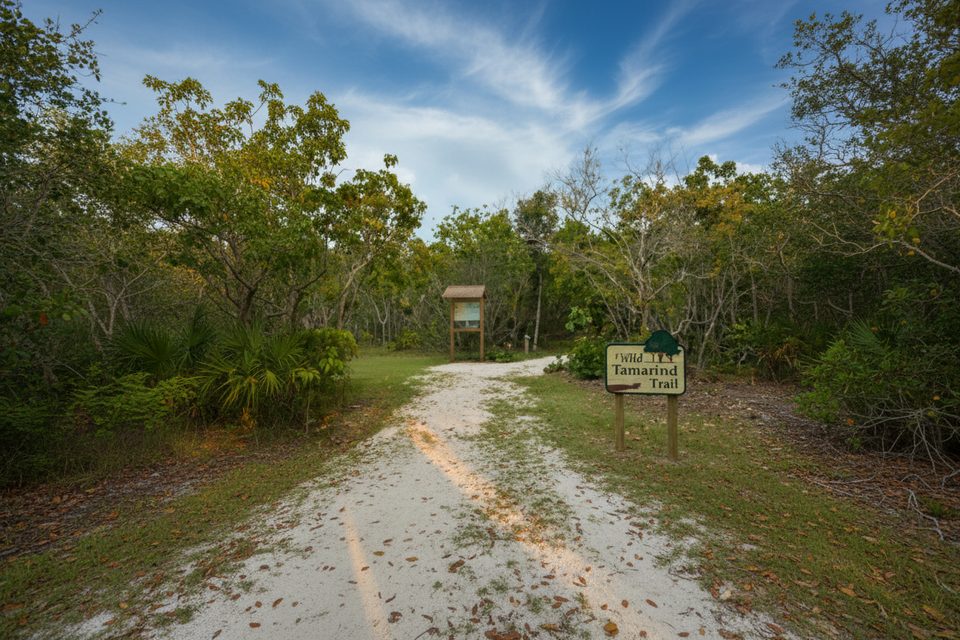
Easy · 9.9 mi away
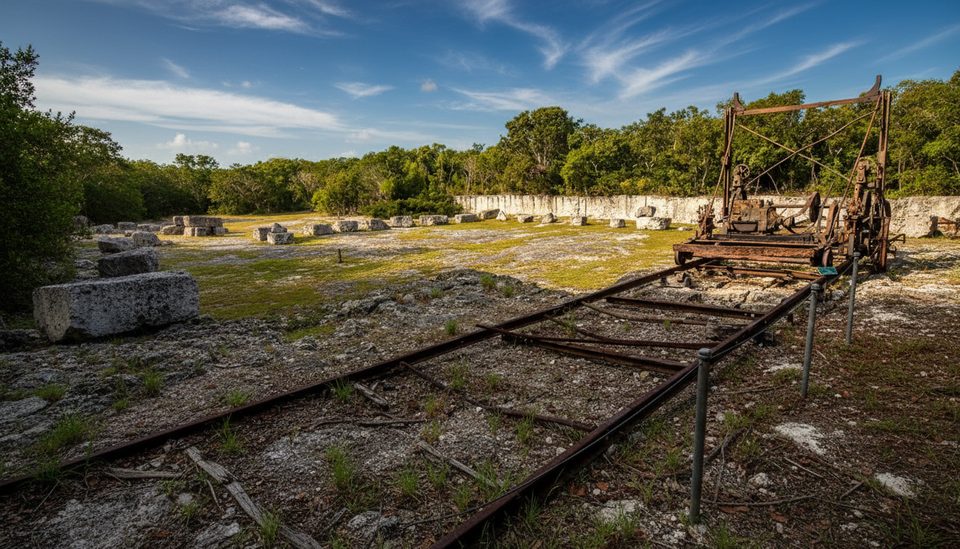
Easy · 26.3 mi away

Parkwolf Tour Guide
