
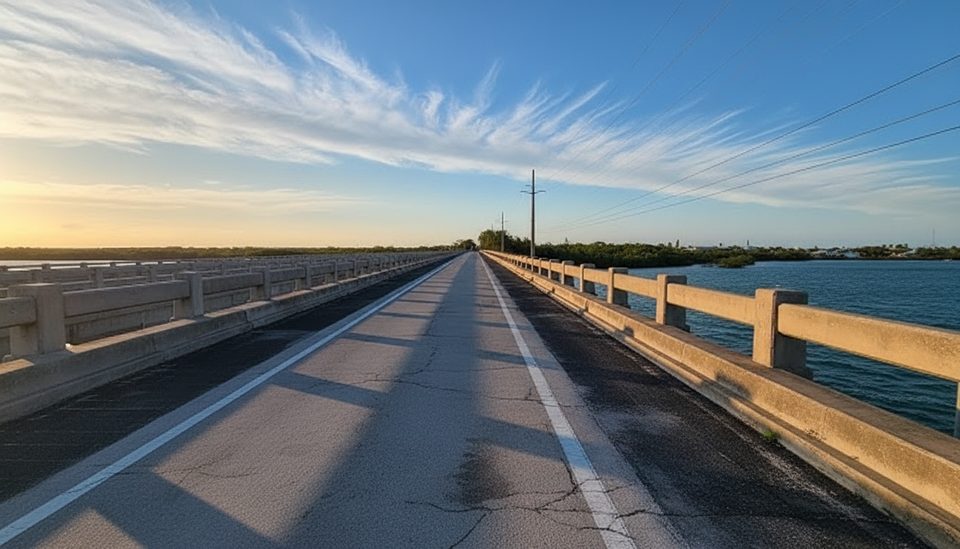
Place · 5.8 mi away
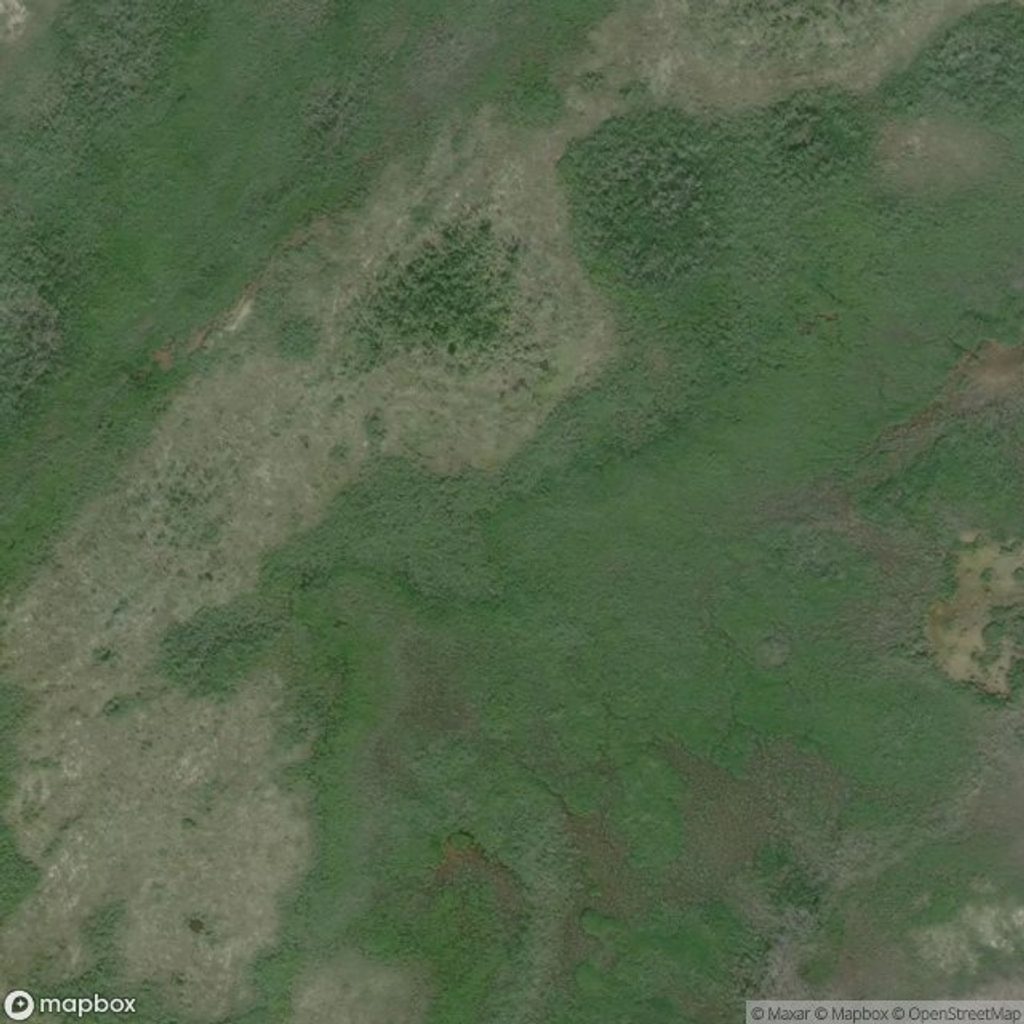
Stretching roughly 50 miles across the Lower Keys backcountry, this refuge protects a maze of mangrove islands and shallow flats established in 1938 for the great white heron. It’s true wilderness—no roads, no restrooms, no concessions—just clear water, quiet islands, and a ton of wildlife.
You can’t drive into the refuge; it’s boat-only. Launch a kayak, canoe, sailboat, or conventional prop boat from ramps in the Lower Keys, or go with a local charter/eco‑tour. Waters are open 24/7 year‑round. A smart first stop on land is the Florida Keys National Wildlife Refuges Nature Center at 30587 Overseas Highway, Big Pine Key (typically open Tuesday–Friday, 10 a.m.–3 p.m.) for current conditions, maps, and regulations.
This is prime habitat for wading and shorebirds—especially the namesake great white heron—plus raptors overhead. In the water, watch for sea turtles (loggerhead, green, hawksbill), Florida manatees, bottlenose dolphins, rays, and juvenile sharks cruising the flats. Bring binoculars and a telephoto if birds are your target.
Allowed: boating, sailing, kayaking/canoeing, fishing under Florida rules, snorkeling and SCUBA, and wildlife viewing/photography. Not allowed: personal watercraft (jet skis), hovercraft, airboats, waterskiing/tubing, camping on islands, pets on beaches, hunting or discharging firearms, feeding/harassing wildlife, removing artifacts, or littering. Some popular islands (like Boca Grande, the Marquesas, Snipes, Marvin, and Contents Keys) fall within special Wildlife Management Areas with extra restrictions—check current zones before landing.
These are true backcountry shallows with hard flats and unmarked hazards. Study charts/GPS, mind the tides and wind, and avoid scarring seagrass or running aground. Pack more water than you think you’ll need, sun protection, insect repellent, and a communication plan; treat it like a small-boat expedition.
For birding and mellow conditions, winter months shine. Wildlife is most active early and late in the day, and calm, clear weather makes paddling and spotting marine life far better. If you’re new to the area or conditions look marginal, hire a reputable charter and let them handle the tides and routes.
Place · 5.8 mi away
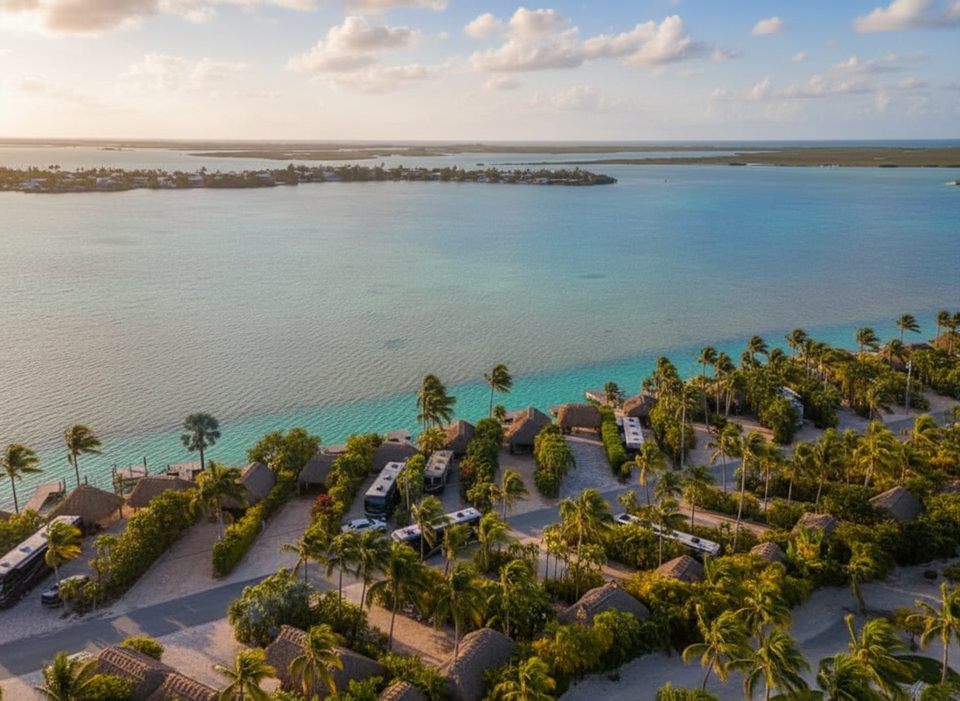
Place · 6.6 mi away
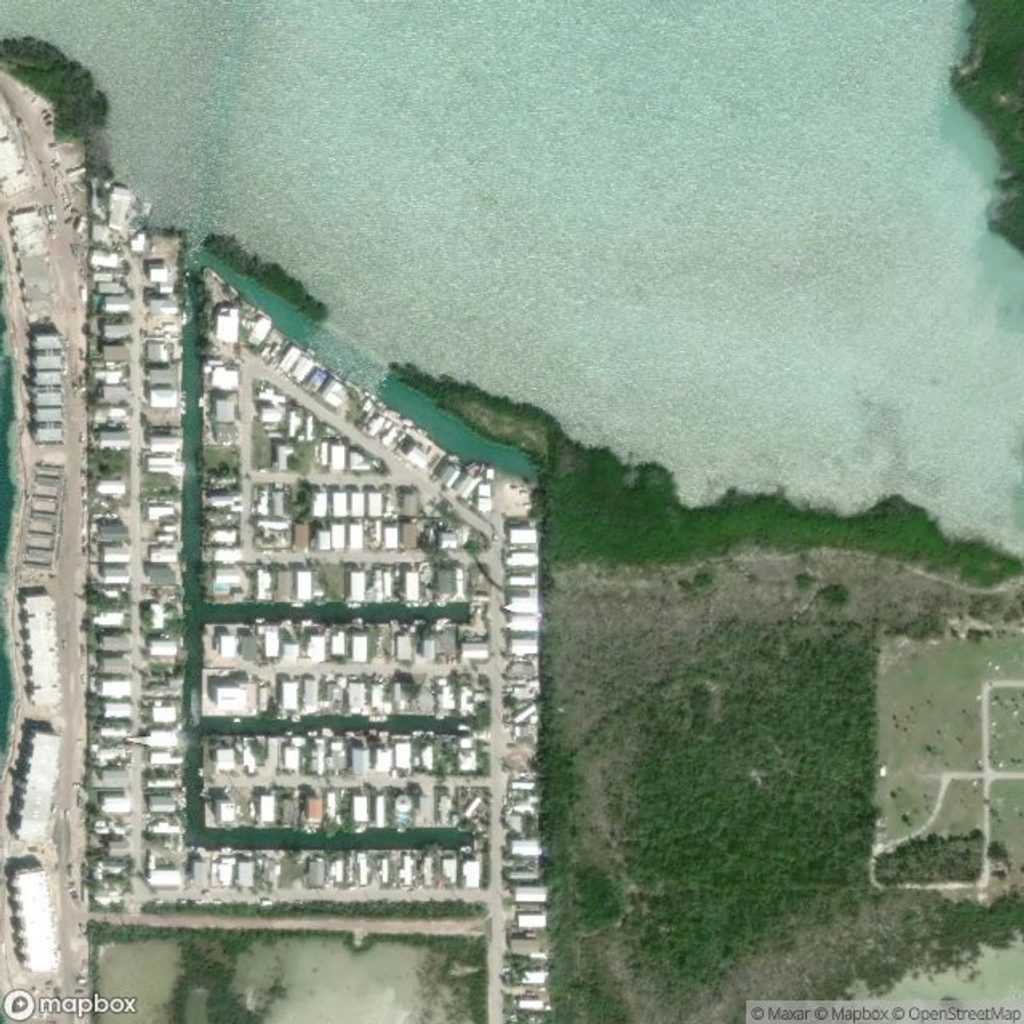
Place · 9.6 mi away
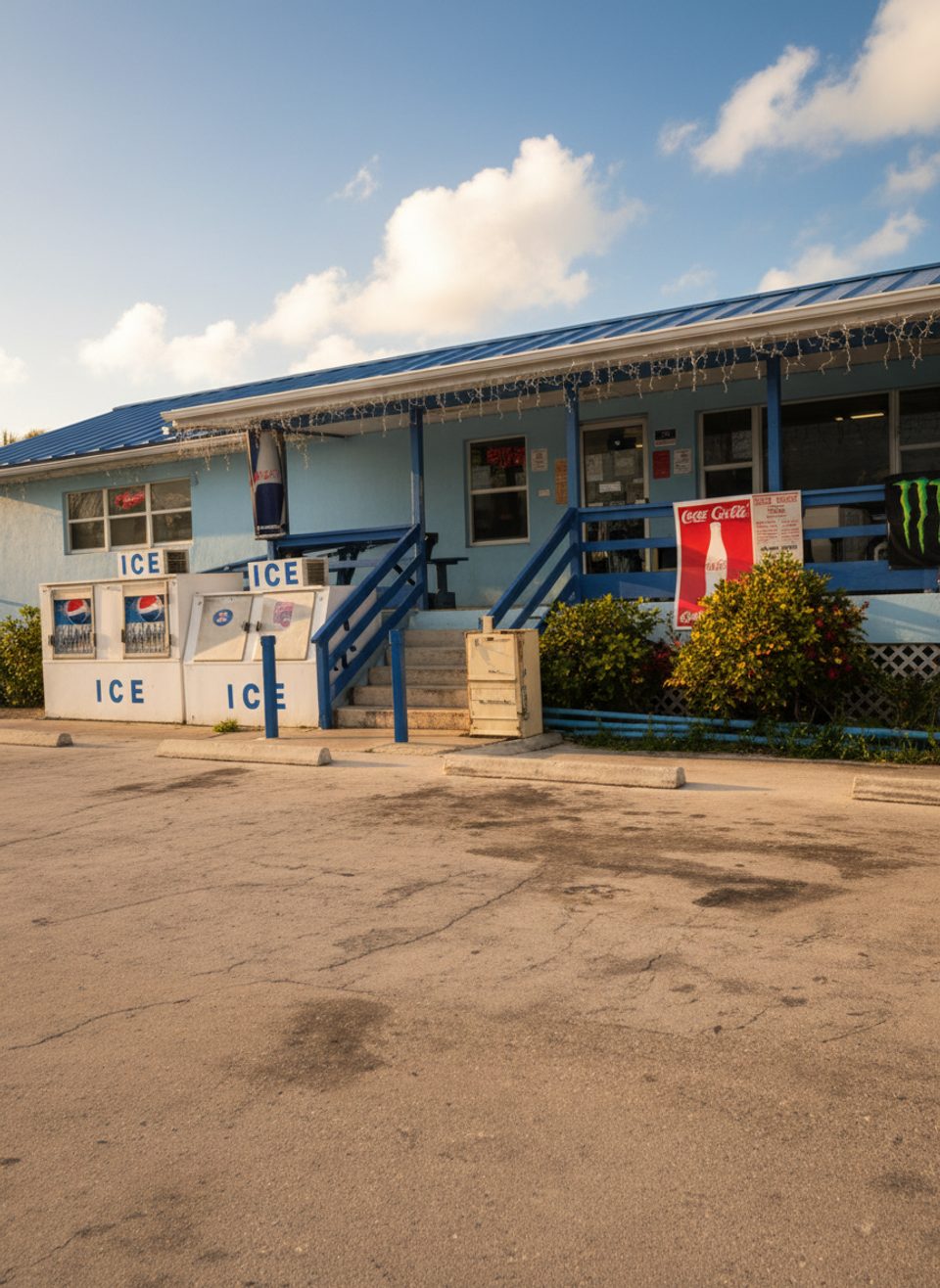
Place · 9.7 mi away
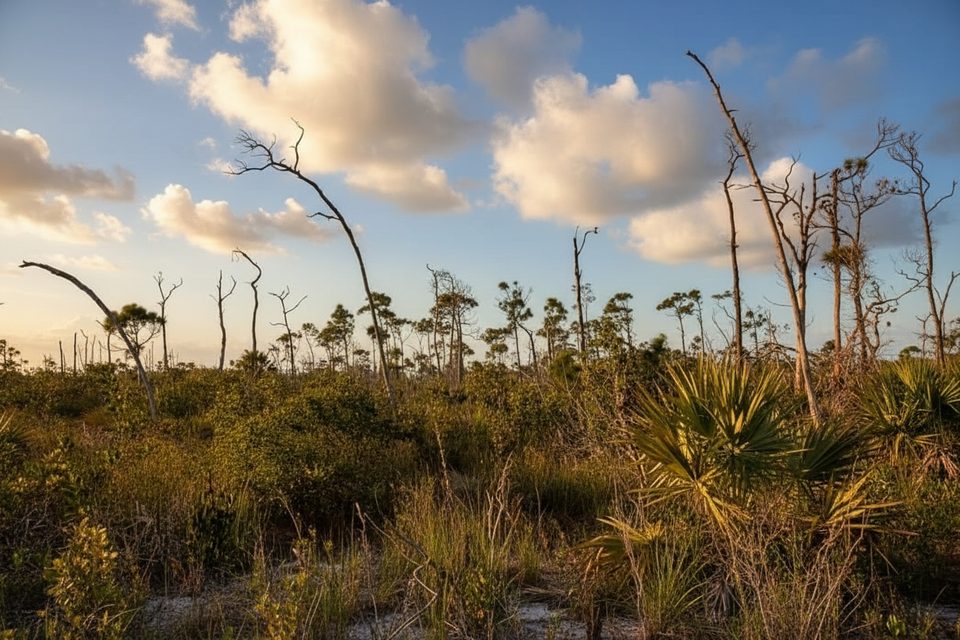
Easy · 12.7 mi away
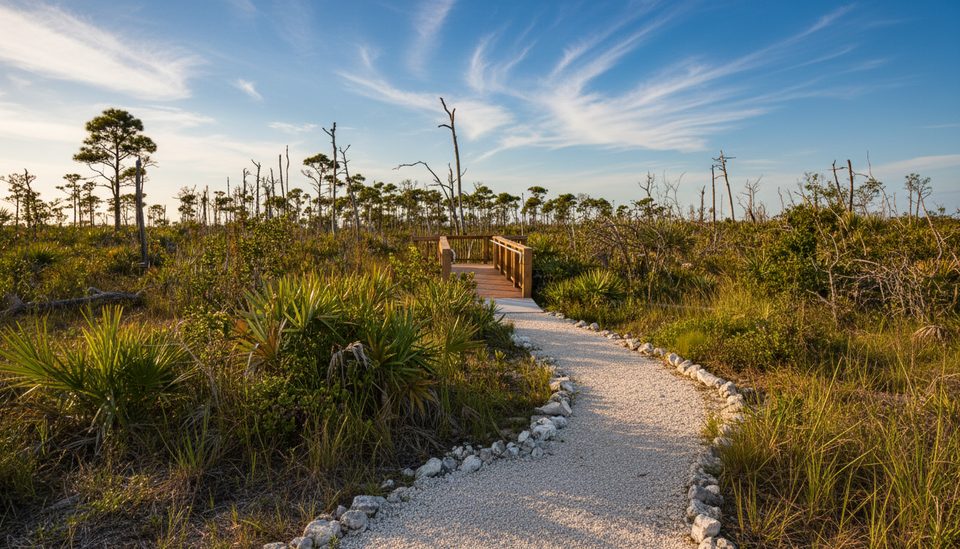
Easy · 12.7 mi away
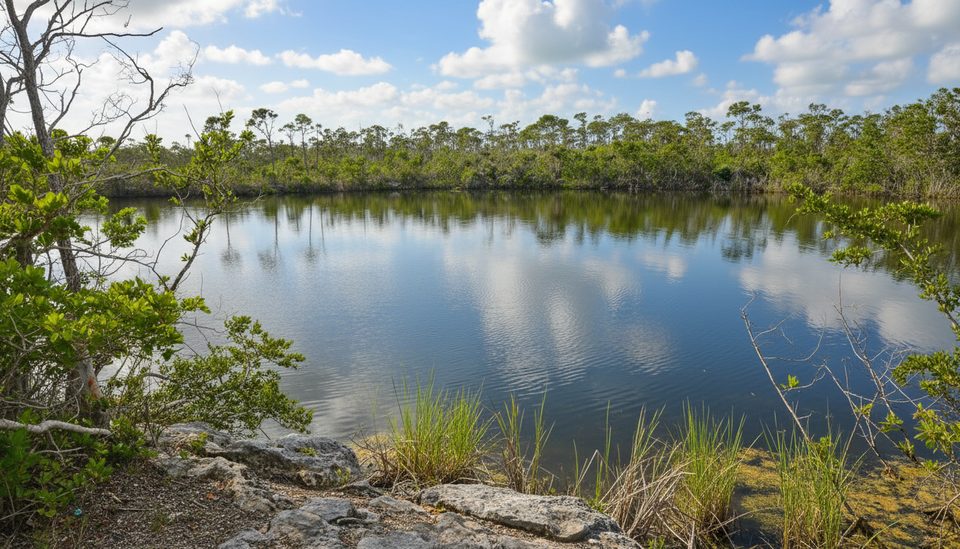
Easy · 12.9 mi away
Easy · 19.1 mi away

Parkwolf Tour Guide
