
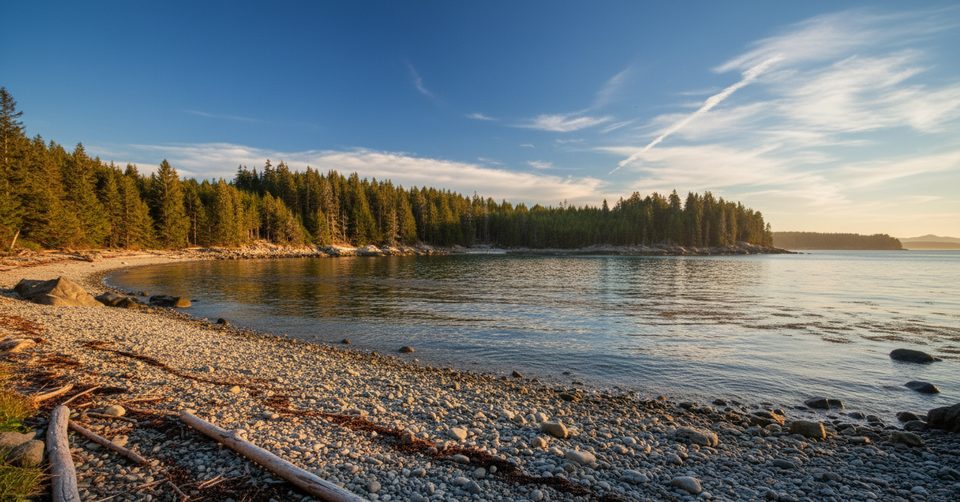
Place · 2.1 mi away
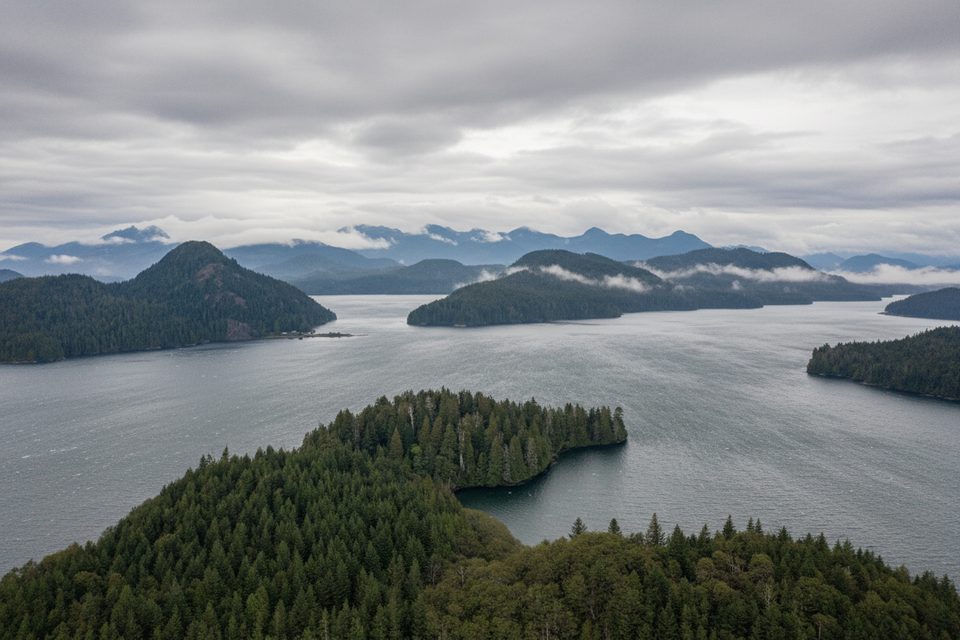
Grice Bay is the park’s quiet, sheltered inlet at the end of Grice Bay Road—a peaceful day-use and boat-launch spot that trades crashing surf for mirror‑calm water and big sky reflections. It’s a favorite put‑in for human‑powered paddling and a low-key place to sit and watch the tide breathe.
Expect expansive intertidal mudflats at low tide and glassy, shallow water at higher tides. The shoreline is backed by coastal rainforest with mountain silhouettes beyond. On the water and along the edges, eelgrass meadows host a busy cast of nearshore life.
This is prime bird country. Migratory shorebirds and waterfowl funnel through the mudflats, with species like Western Sandpiper, Dunlin, Black Turnstone and Brant staging at the right times of year. Great blue herons stalk the shallows and bald eagles often patrol overhead. Marine life is present in the bay, and large mammals (including black bears) are part of the broader landscape—give all wildlife space.
Flatwater paddling is the headline here—kayak, SUP, or canoe. From the launch you can explore the bay and nearby inlets in sheltered conditions when planned around the tides. It’s also a mellow spot for nature viewing, photography, and simply soaking up the quiet.
Amenities are basic but useful: a boat launch, a good-sized parking area (suitable for trailers), pit toilets, and at least one picnic table. No food, water, or stores on site. Dogs are allowed but must be on leash and under control in this area of the park. A valid park pass/pay parking is required.
At very low tide the water retreats a long way, exposing soft mud. Time your launch and return for higher tides to avoid long, muddy carries or dragging boats over eelgrass and mudflats. The scene—and paddling practicality—changes dramatically between low and high water.
The mudflats and eelgrass are sensitive nurseries and feeding grounds—avoid trampling and give resting birds space. You’re in bear, wolf, and cougar country; follow park wildlife guidance. Even on calm days, dress for cold water and review local coastal safety guidance before heading out.
Early mornings and evenings are the sweet spot: calmer water, softer light, and more wildlife activity. Weekdays are typically quieter than weekends. Photographers will love the golden hours, especially around higher tides when the bay turns to glass.
For a short, scenic outing, the sheltered waters around the bay are ideal. Locals also mention easy, tide-aware routes to nearby inlets; plan with a tide table and conservative timing.
Place · 2.1 mi away
Place · 2.4 mi away
Place · 2.5 mi away
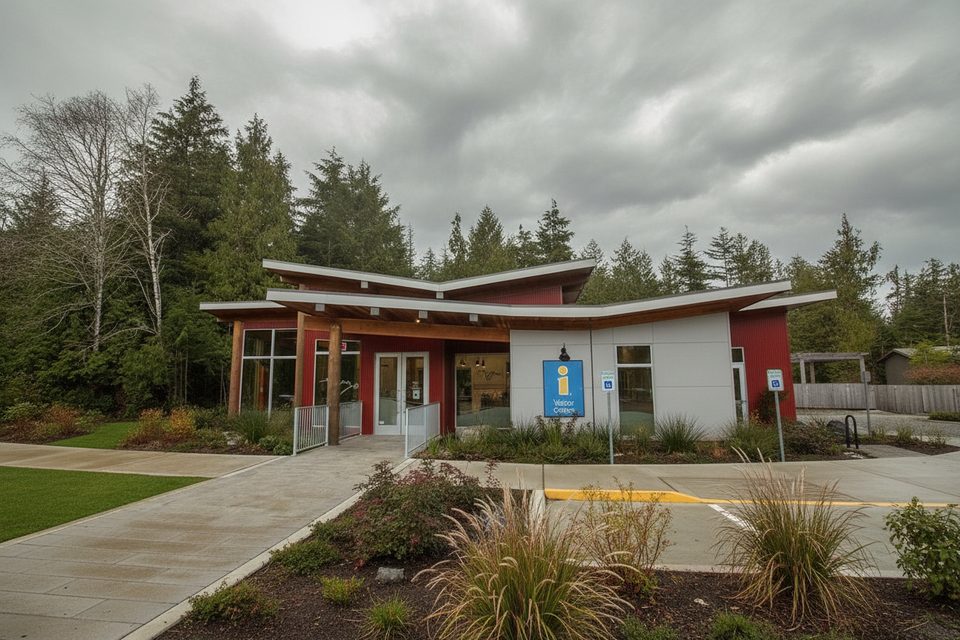
Place · 3.7 mi away

Moderate · 2.5 mi away
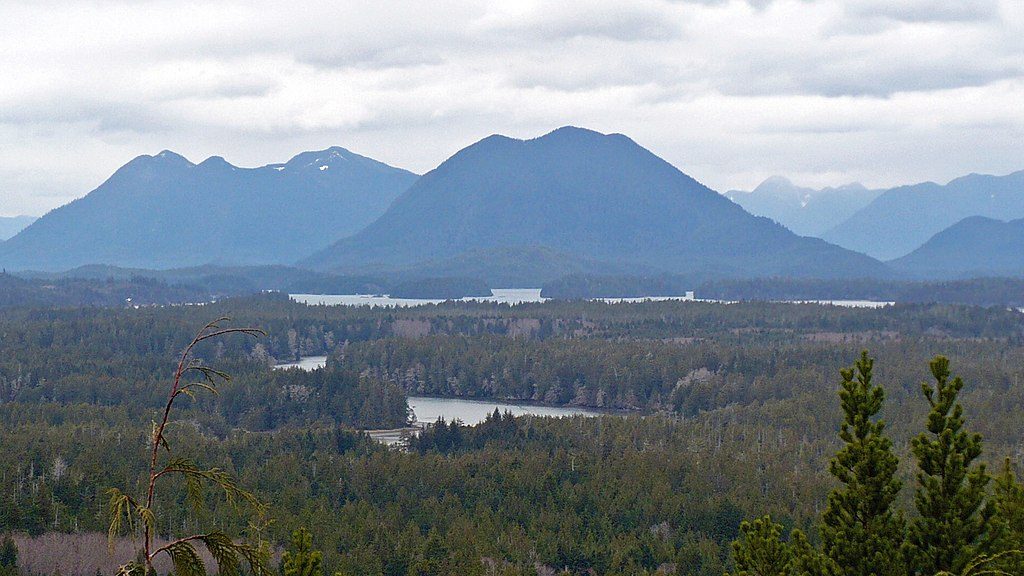
Easy · 2.5 mi away
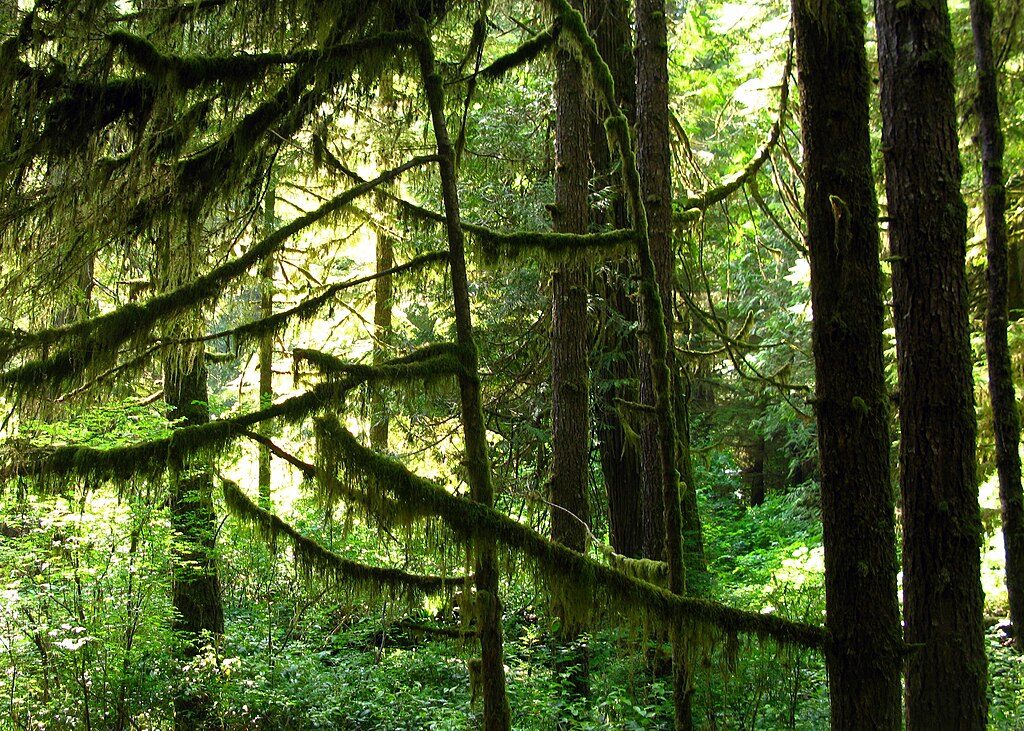
Easy · 6.1 mi away
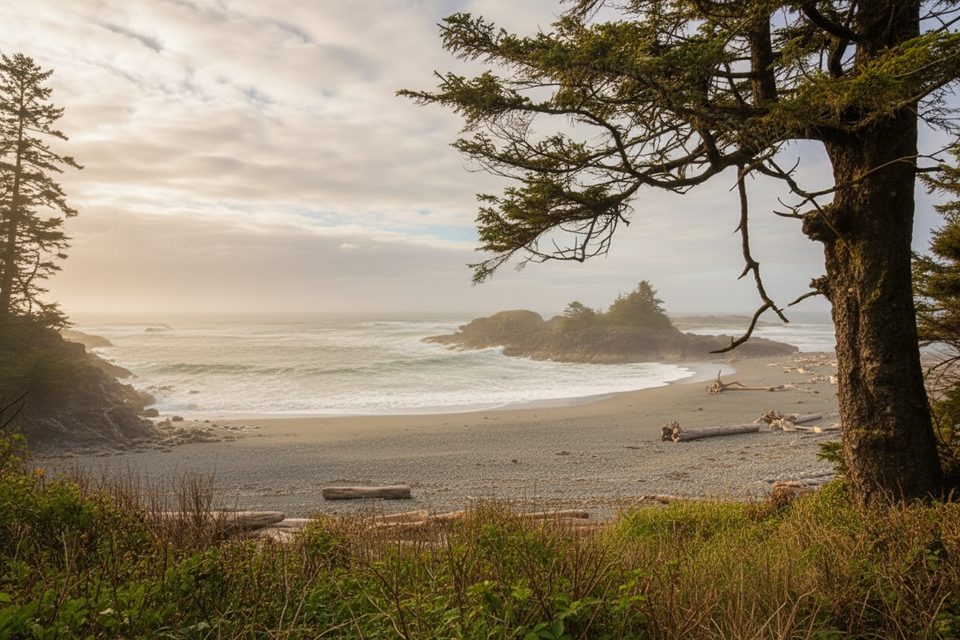
Easy · 7.7 mi away

Parkwolf Tour Guide
