
Place · 0 mi away
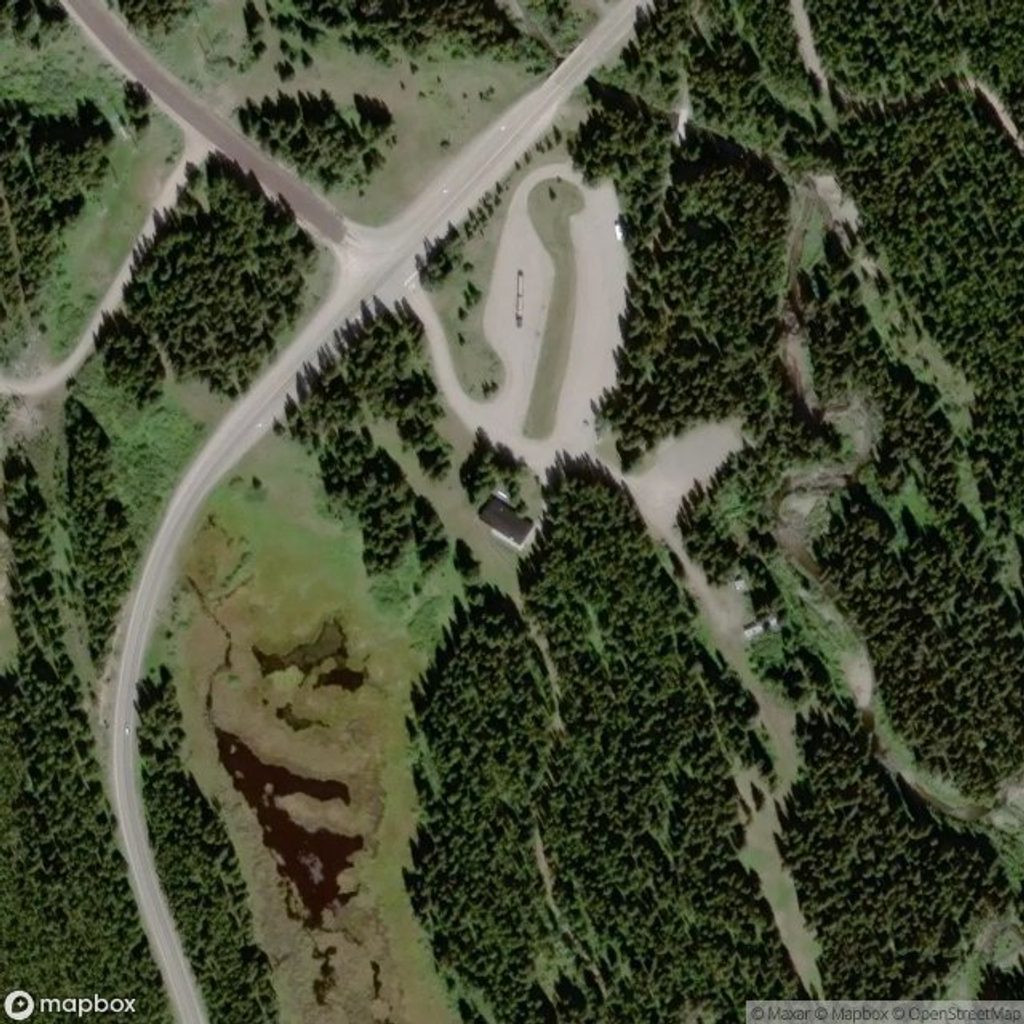
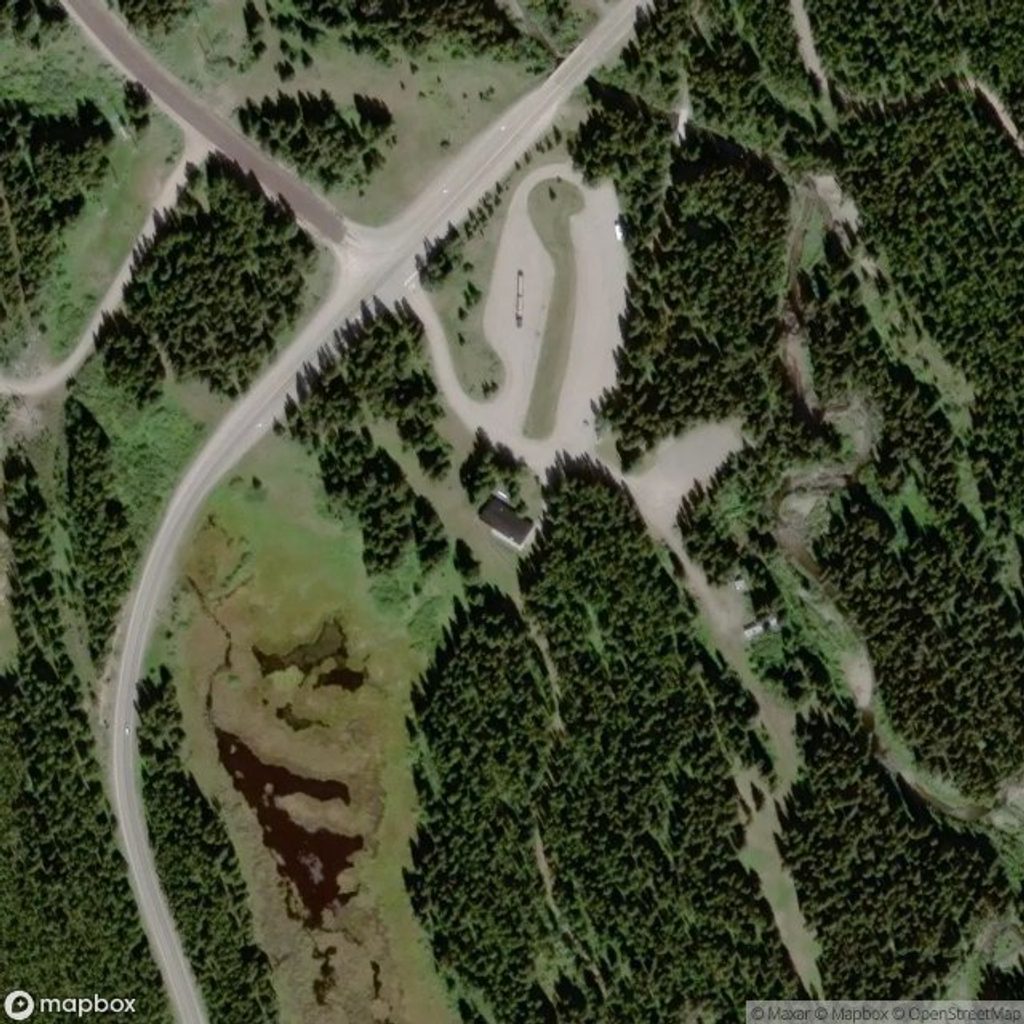
Tyrwhitt Meadows is a broad, wind-kissed bench of subalpine glades tucked beneath Mount Tyrwhitt—classic limestone scenery with that big-sky feel. In winter it transforms into a serene corridor of meadows and forest, popular with cross‑country skiers and snowshoers who want quiet views framed by the Front Ranges.
The most straightforward approach starts from Elk Pass Day Use on Kananaskis Lakes Road. Climb the gentle Elk Pass trail, then swing north on Tyrwhitt to reach the open meadows; turn around at the broad benches or link a longer loop via Lookout/Patterson. An alternate approach uses Pocaterra Day Use, connecting via Whiskey Jack and Tyrwhitt. Expect rolling terrain with a few short, steeper pitches. Plan roughly 3–5 hours for a relaxed out‑and‑back to the main meadows in winter, more if you commit to a loop.
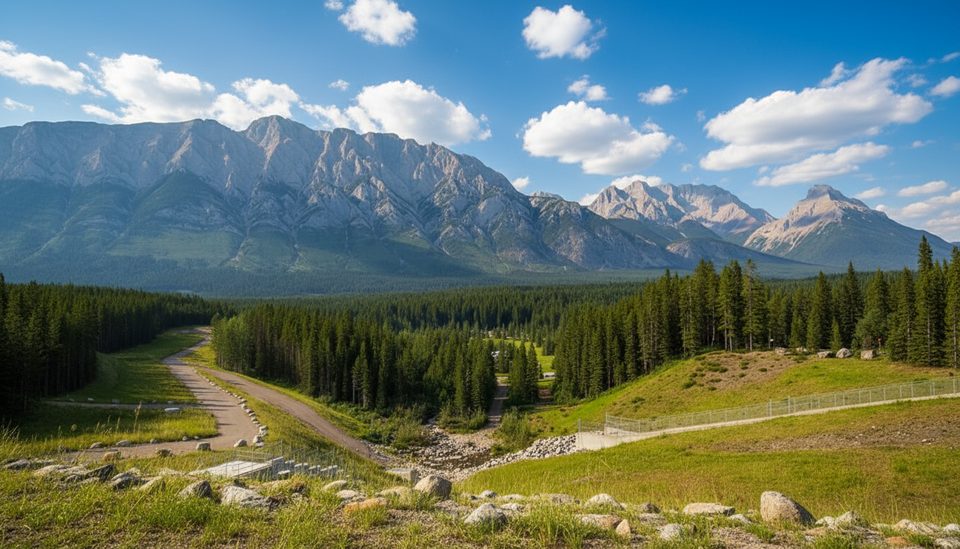
The meadows open and close like a set of curtains: spruce and subalpine fir on well‑drained limestone soils, then airy glades with sightlines to Divide summits. On clear days the light pours across the benches, perfect for that quiet “big country” moment.
In winter you’re more likely to read the snow than the animals: snowshoe hare hops, red‑squirrel middens, vole tunnels, and the occasional flush of spruce grouse along the forest edge. Moose and elk follow the valleys; after fresh snow you may see lynx, coyote, or even wolf tracks crossing the meadows. Give wildlife space and pack out every crumb.
Ridges here are Paleozoic carbonates—limestone and dolomite thrust east in the making of the Rockies—then planed by Pleistocene ice into U‑shaped valleys and gentle terraces. Those thin, well‑drained alpine soils and frequent winds shape the open glades and the meadows’ mixed snow surface.
Early season (late November–December) is usually snowmobile‑packed rather than fully filled in, so expect twigs, bumps, and the odd rock. Small bridges and creeklets can be partially open—step or ski with care. The trail itself keeps to forest/meadow terrain, but you skirt beneath steep slopes in places; check the Kananaskis avalanche forecast and avoid traveling under loaded lee features after storms or wind events. If you extend to Lookout, know the south side can be steep and icy.
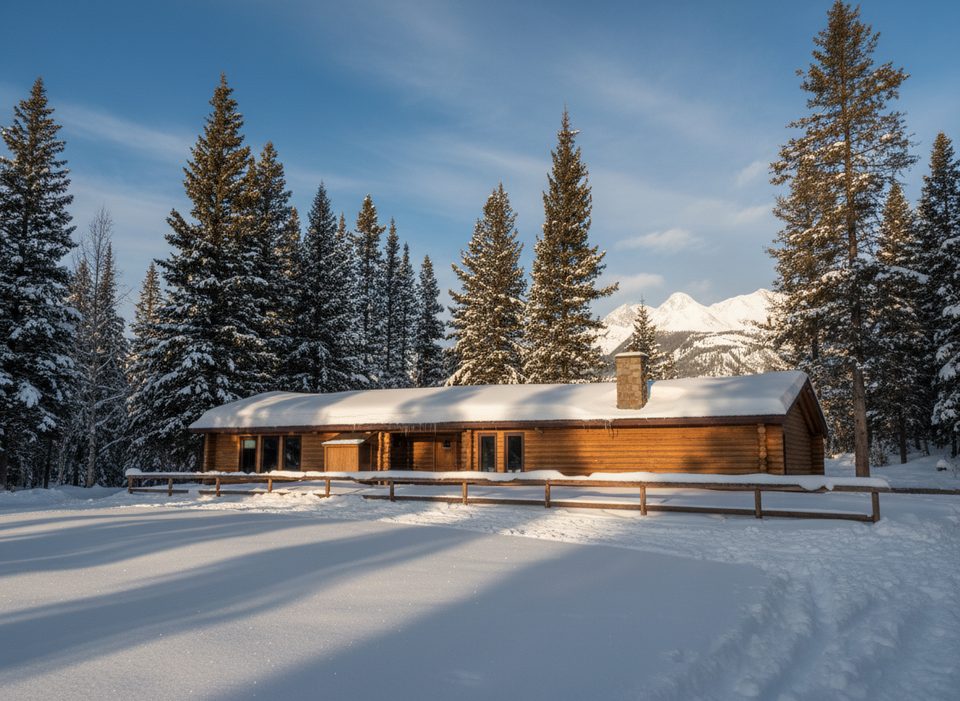
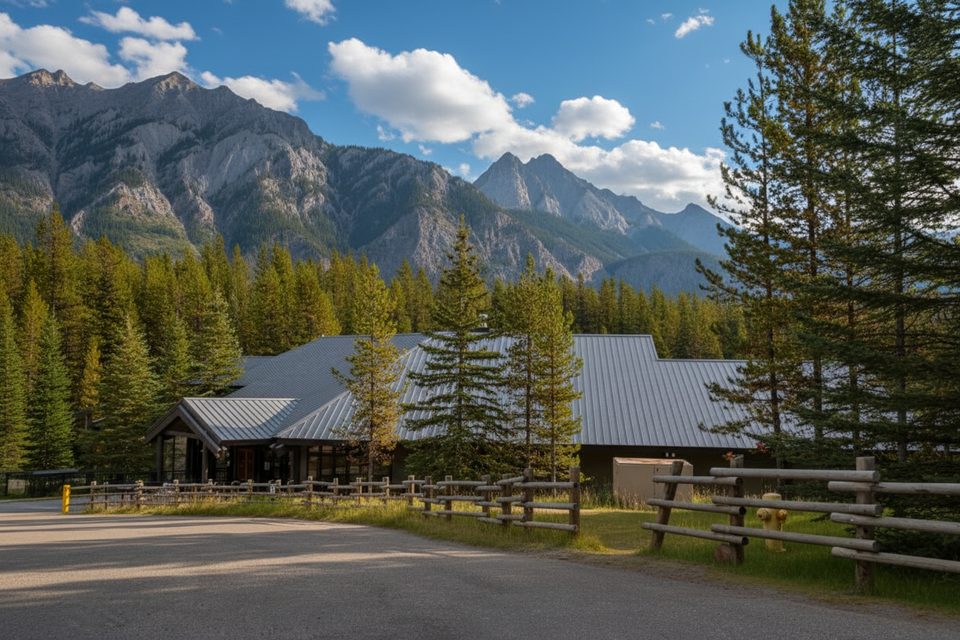
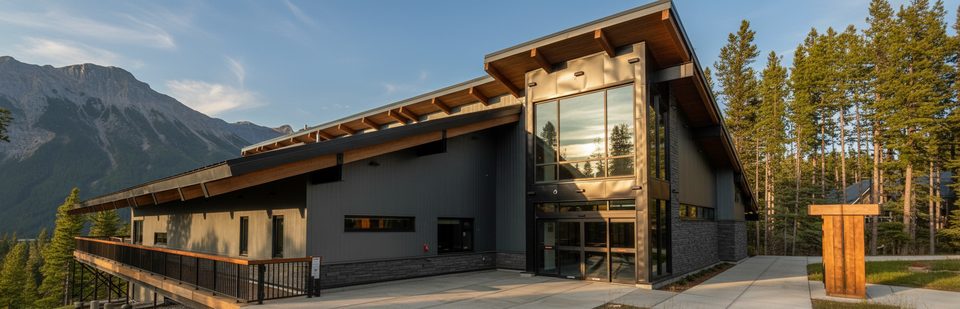
Use Elk Pass or Pocaterra Day Use for parking and basic facilities (think vault toilets; bring your own water). For current conditions and seasonal info, the Peter Lougheed Discovery Centre is your best indoor hub when open. Download the Kananaskis Lakes winter trail map before you go; conditions change quickly.
Mid‑morning is the magic window once the sun clears the ridges and lights the meadows. After a fresh snowfall, look for clean textures and animal tracks. Compose with the sinuous meadow openings as leading lines to the limestone peaks.
Winter is prime for XC skiing and snowshoeing. In December, daylight is short—aim for a morning start so you’re in the meadows as the light arrives and back before dusk. On storm or wind days, expect scoured sections alternating with soft drifts; bluebird days deliver the views.
These lands are within Treaty 7 territory and the homeland of the Métis Nation of Alberta (Region 3). “Tyrwhitt” follows a local naming thread tied to early 20th‑century British naval figures; the meadows sit beneath Mount Tyrwhitt.
Place · 0 mi away
Place · 0 mi away
Place · 0.8 mi away
Place · 0.9 mi away
Easy · 2.2 mi away
Easy · 2.3 mi away
Easy · 2.6 mi away
Moderate · 3.7 mi away

Parkwolf Tour Guide
