
Place · 0 mi away
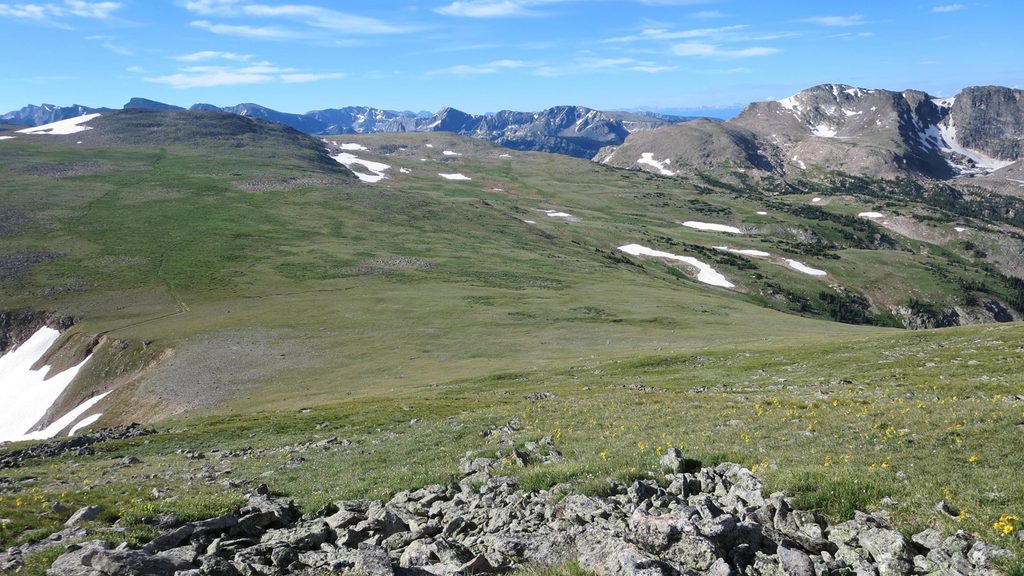
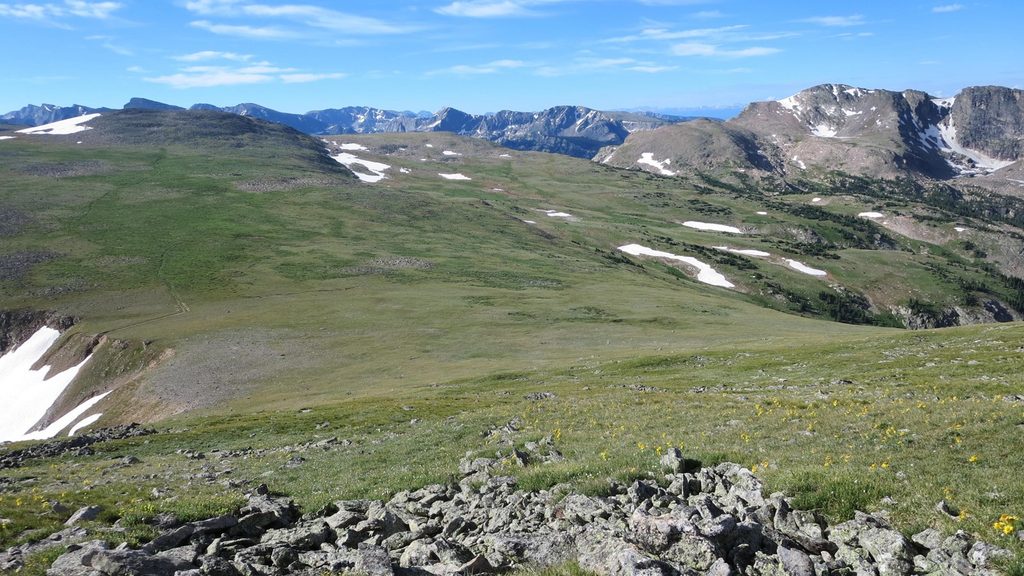
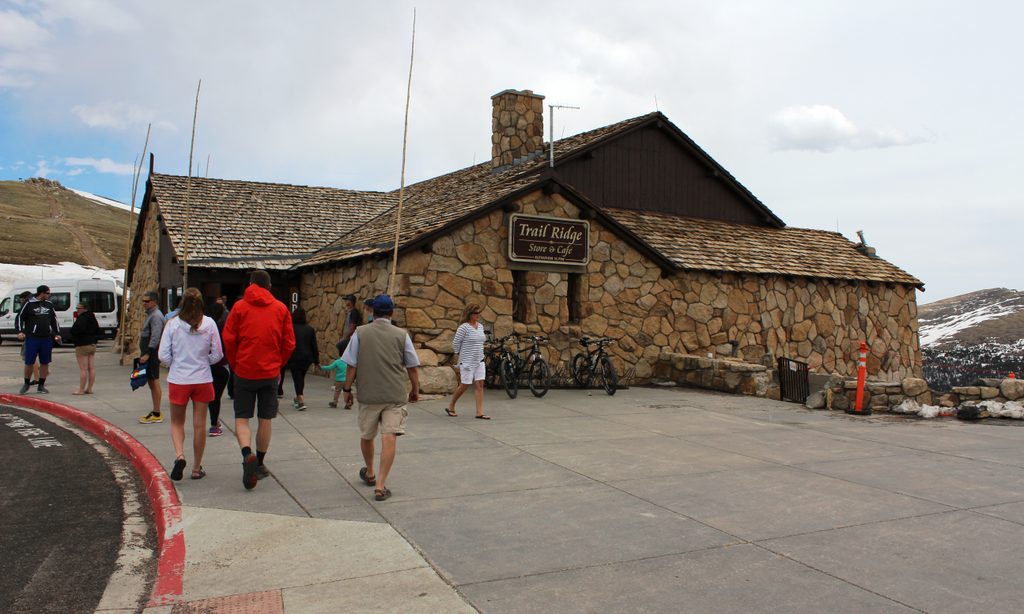
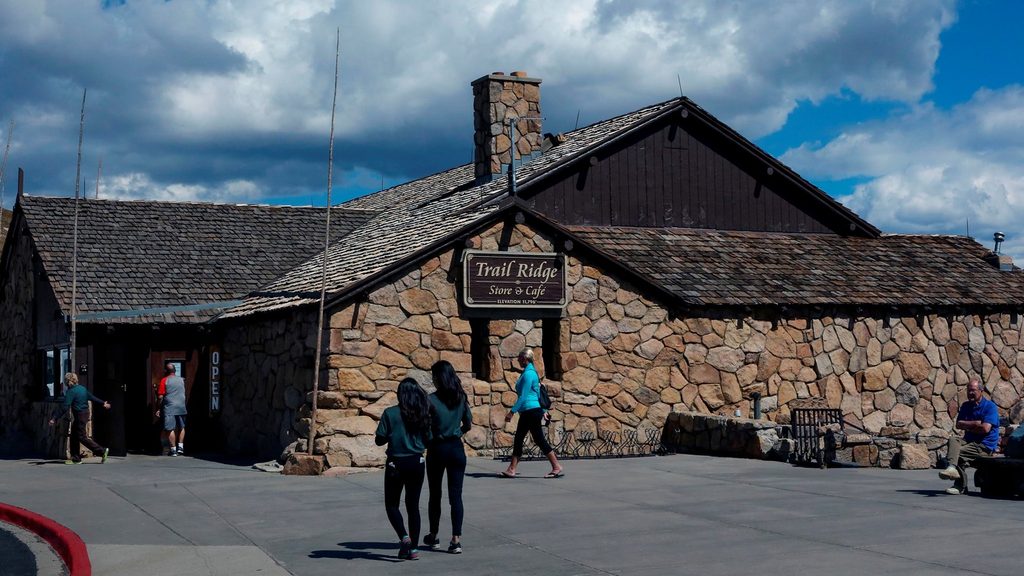
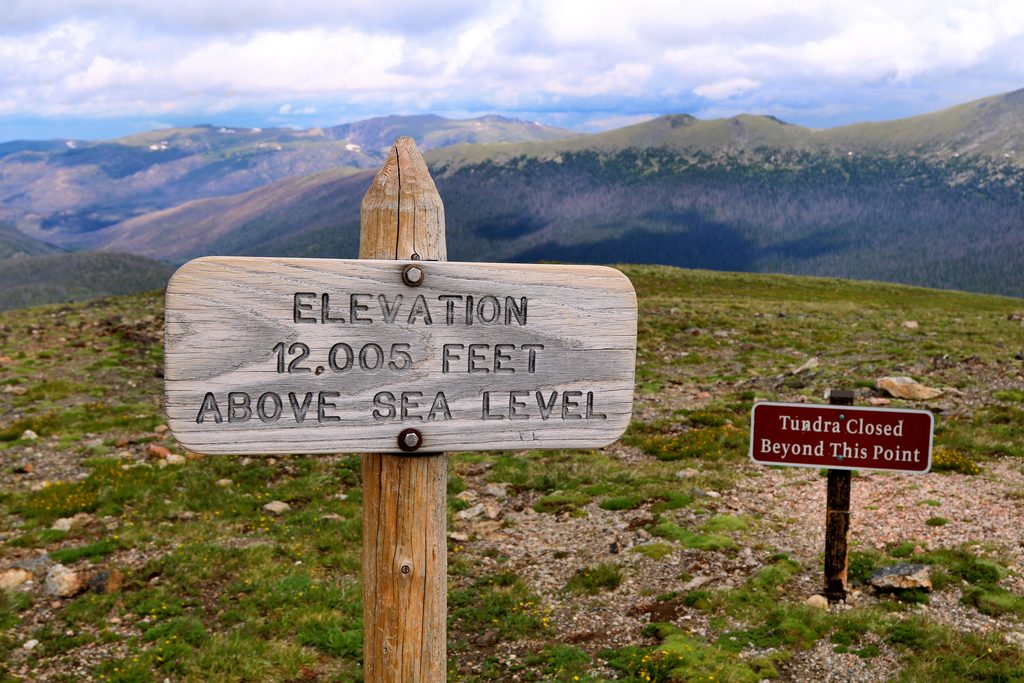
Perched near 12,000 feet at Fall River Pass, this small stone shelter is a snapshot of the park’s early high-country road era. It sits above treeline amid fragile tundra and is part of the broader Fall River Pass Historic District. It’s an easy, quick stop with big sky and bigger views—especially convenient because it’s right by the Alpine Visitor Center.
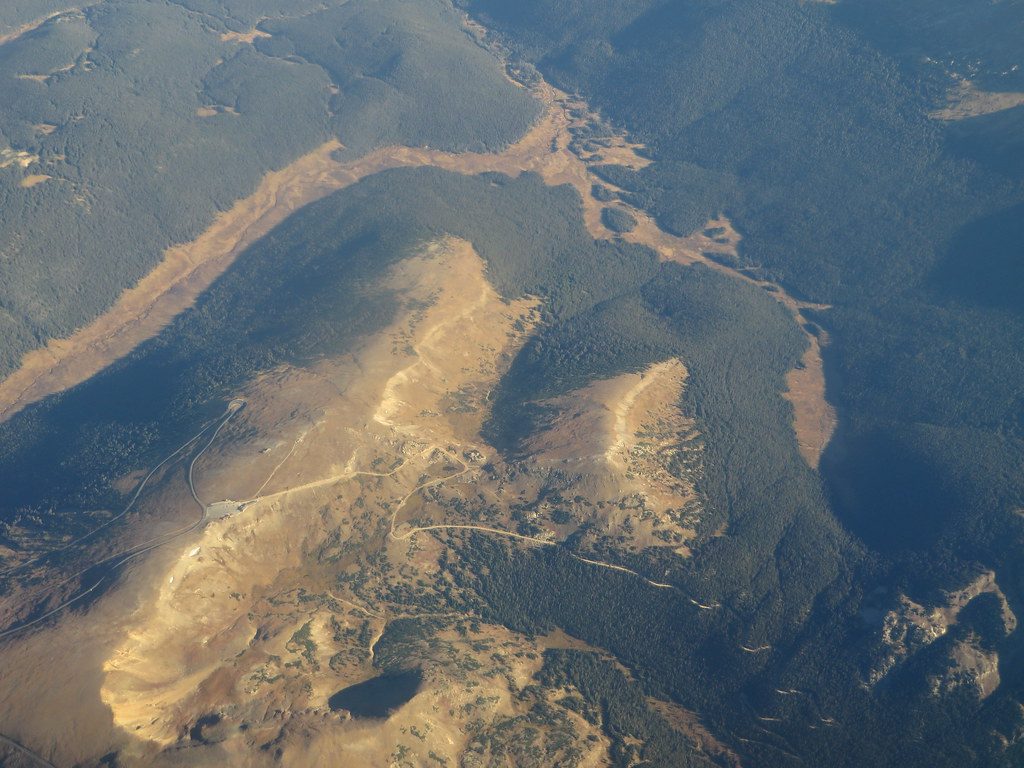
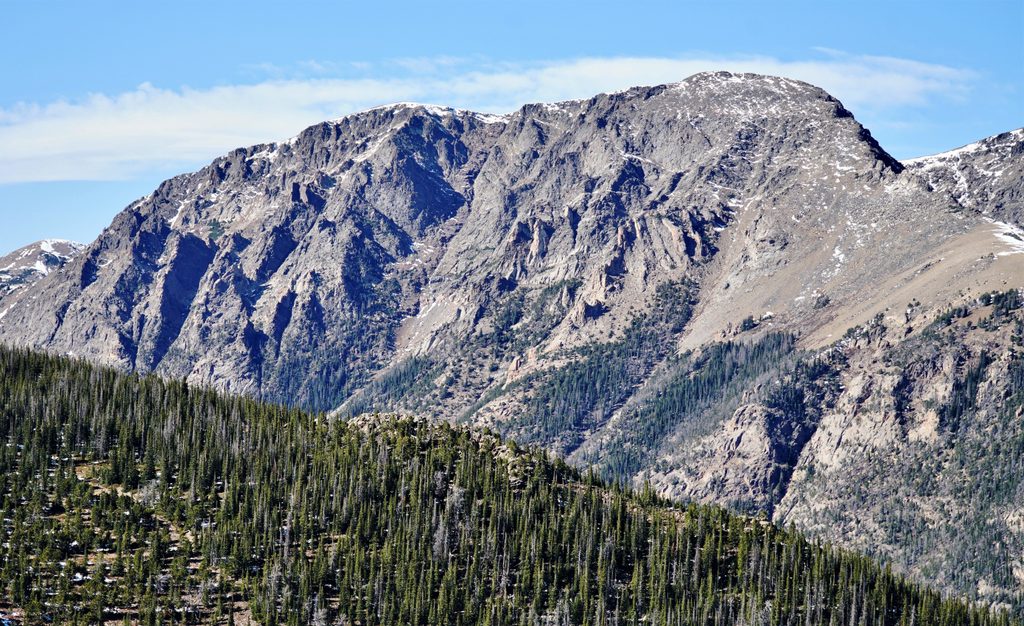
Expect wind, wide horizons, and classic vistas of the alpine world. On clear days you can spot both Trail Ridge Road and the snaking grade of Old Fall River Road below. Weather flips fast up here, which makes for dramatic cloudscapes and shifting light. Keep an eye out for tundra regulars like yellow-bellied marmots and pikas; elk sometimes cross high saddles.
The shelter embodies the park’s early push to bring people into the high country by car, beginning with Old Fall River Road and continuing with Trail Ridge Road. The surrounding historic district showcases how visitor facilities evolved—from rustic stonework to mid-century modernization—while trying to tread lightly on the tundra.
Access is summer-only. Trail Ridge Road is paved but seasonal; Old Fall River Road is a scenic, one-way uphill gravel climb that can feel exposed and is not suited to large vehicles. Always check current road and weather status before heading up—conditions can change by the minute at this elevation.
The shelter itself is a historic wayside. Restrooms, information, and other services are next door at the Alpine Visitor Center when it’s open for the season. Expect interpretation and ranger presence in the broader pass area during summer operations.
Stay on paved paths and established areas. Alpine plants grow slowly and damage lingers for years. Give wildlife plenty of space and never feed them.
Place · 0 mi away
Place · 0.1 mi away
Place · 0.1 mi away
Place · 0.5 mi away
Easy · 0.1 mi away
Challenging · 1.4 mi away
Challenging · 1.4 mi away
Challenging · 1.4 mi away

Parkwolf Tour Guide
