
Place · 0.4 mi away
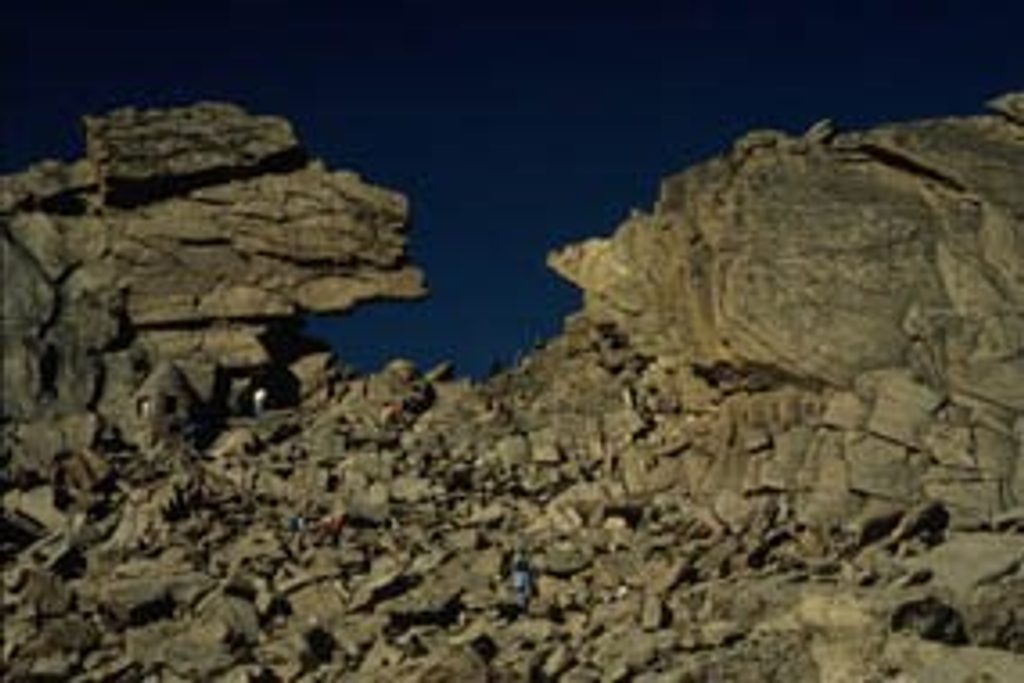
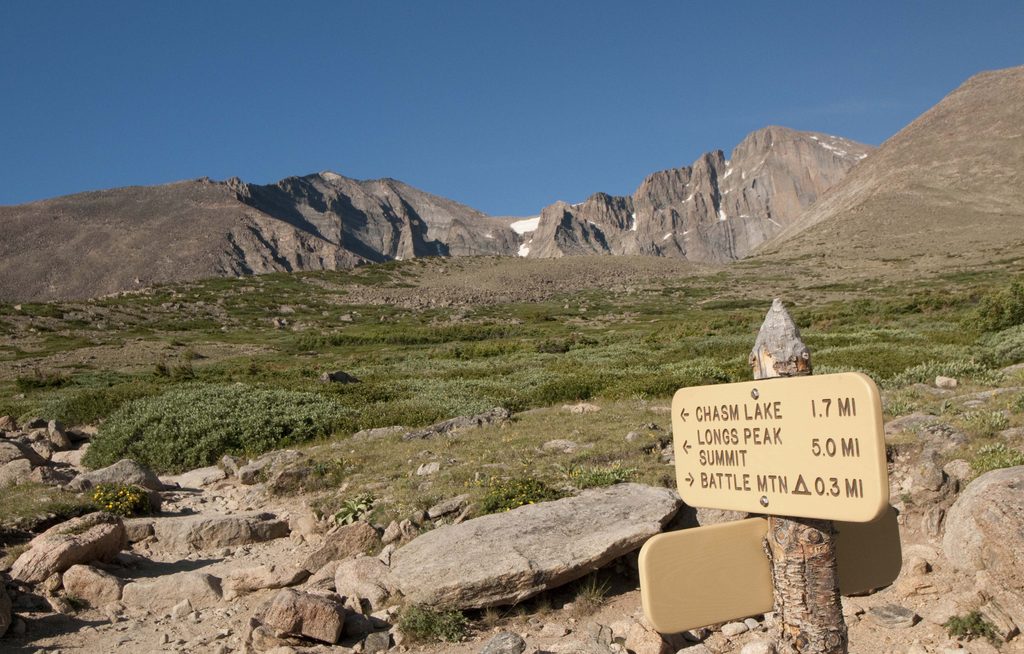
The Keyhole is the famous rock portal on the Longs Peak Keyhole Route—a dramatic notch that marks the shift from a long hike to true Class 3 climbing. Many parties wisely turn around here when wind or surface conditions are sketchy. Expect big, raw alpine energy and a front‑row view into the mountain’s upper cirque.
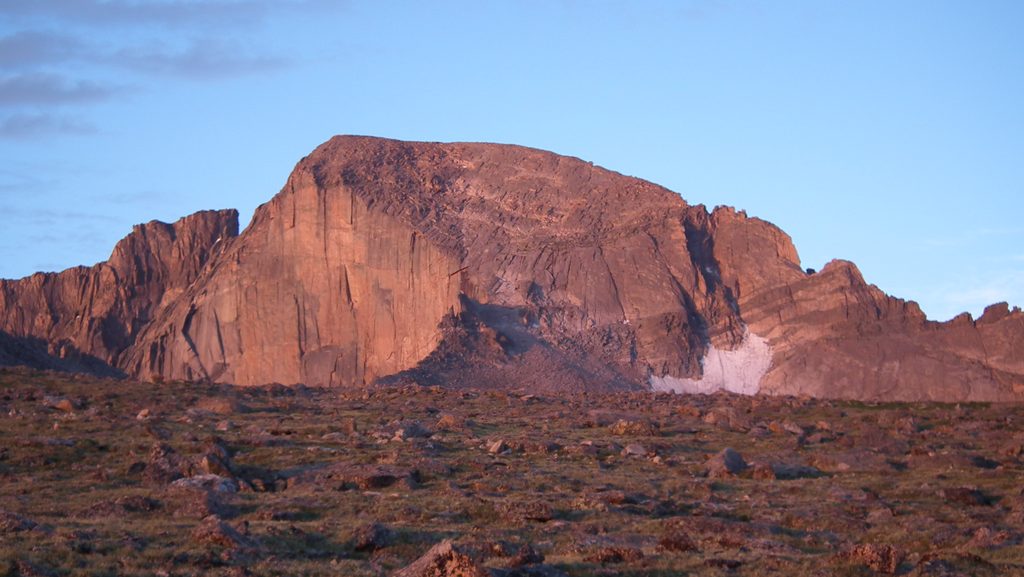
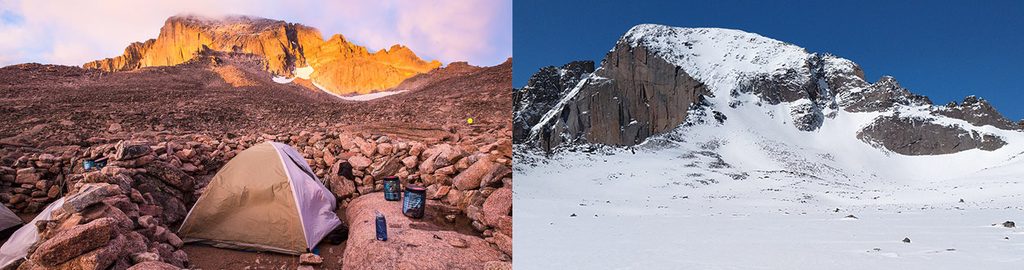
You’ll cross the Boulder Field to reach the Keyhole, passing the stone Agnes Vaille Shelter just below the notch. From the Keyhole, the views are fantastic, including sweeping looks toward the north side of the range. On clear days, it’s a thrilling window into the mountain’s rugged west side and nearby basins.
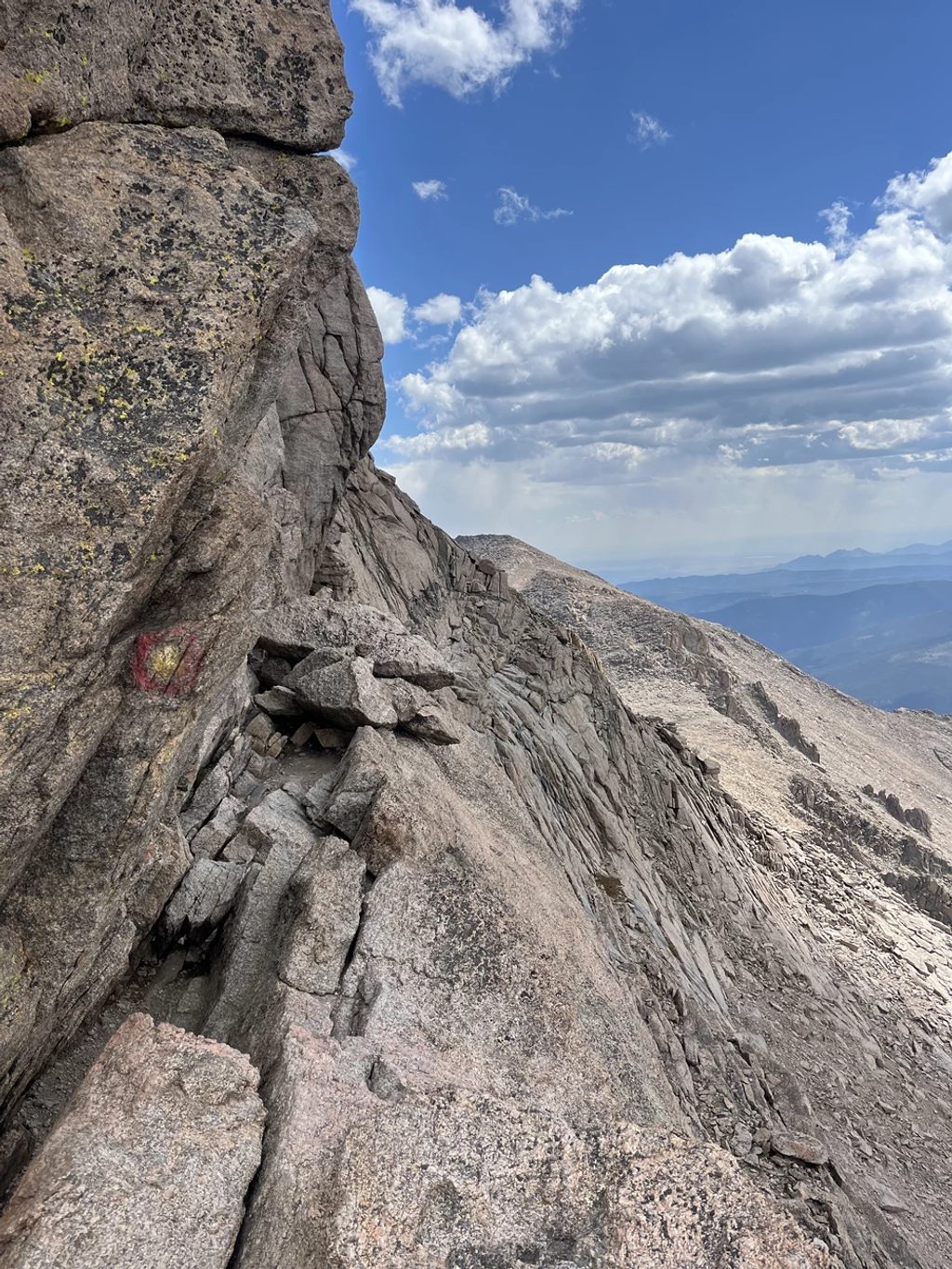
Past the notch, you enter the Ledges, Trough, Narrows, and Homestretch—exposed, Class 3 terrain with loose rock, steep cliffs, and real fall potential. This is not a casual hike. Route-finding follows red and yellow bull’s‑eye marks painted on rock; lose them and you’re likely off-route. Rockfall is a known hazard, and conditions can include lingering snow or ice any time of year.
The most reliably snow/ice‑free window is typically mid-July through mid-September. Regardless of month, start very early (think 2–4 am) to beat routine summer thunderstorms; aim to be descending before noon. Shoulder seasons and even summer cold snaps can bring ice, hail, and lightning. If winds are howling at the Keyhole or the Ledges look icy, it’s a turn‑around day.
Treat this like an alpine climb: sturdy footwear, layers including wind/waterproof shells, gloves, eye/skin protection, navigation, headlamp with spare batteries, first aid, and extra calories. Carry 3–4 quarts of water—there’s no reliable water on-route. A helmet is a smart call above the Keyhole due to rockfall. Cell coverage is unreliable. Travel with partners if possible, and be ready to retreat at any point; many incidents happen on the descent when people are tired.
Parking at the Longs Peak Trailhead fills very early in peak season—arrive pre-dawn. There’s no shuttle to this route. On-route facilities are essentially nonexistent; use trailhead restrooms and follow all waste‑pack‑out guidance. From the Keyhole, conditions can vary wildly day to day, so make your go/no‑go decision here based on wind, ice/snow, and your team’s energy.
Reaching the Keyhole around early morning often means better light and calmer air. If you’re not continuing to the summit, it’s still a worthy destination: the notch itself, the scale of the Boulder Field, and the views make it feel like a finish line in its own right.
Place · 0.4 mi away
Place · 0.5 mi away
Place · 0.6 mi away
Place · 0.7 mi away
Challenging · 3.5 mi away
Challenging · 3.5 mi away
Challenging · 3.5 mi away
Challenging · 3.5 mi away

Parkwolf Tour Guide
