
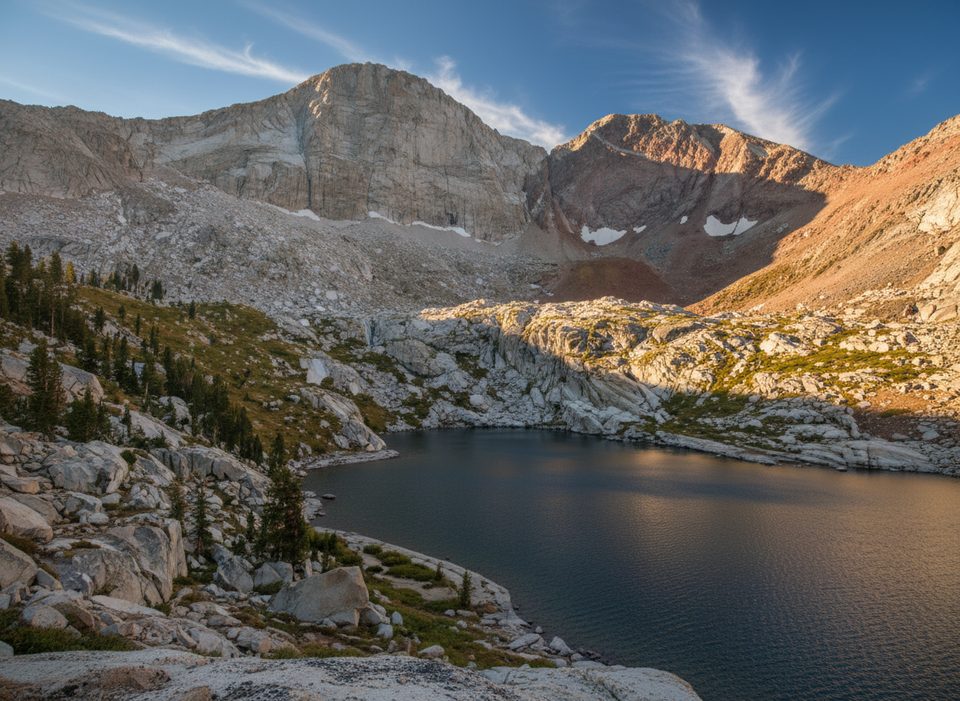
Place · 1.2 mi away
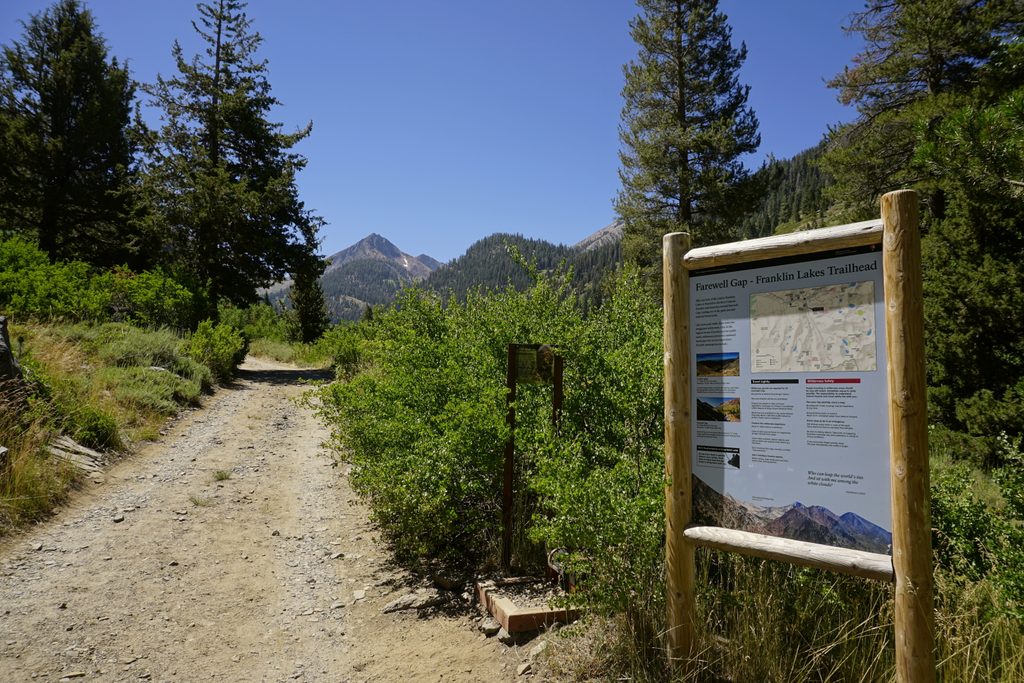
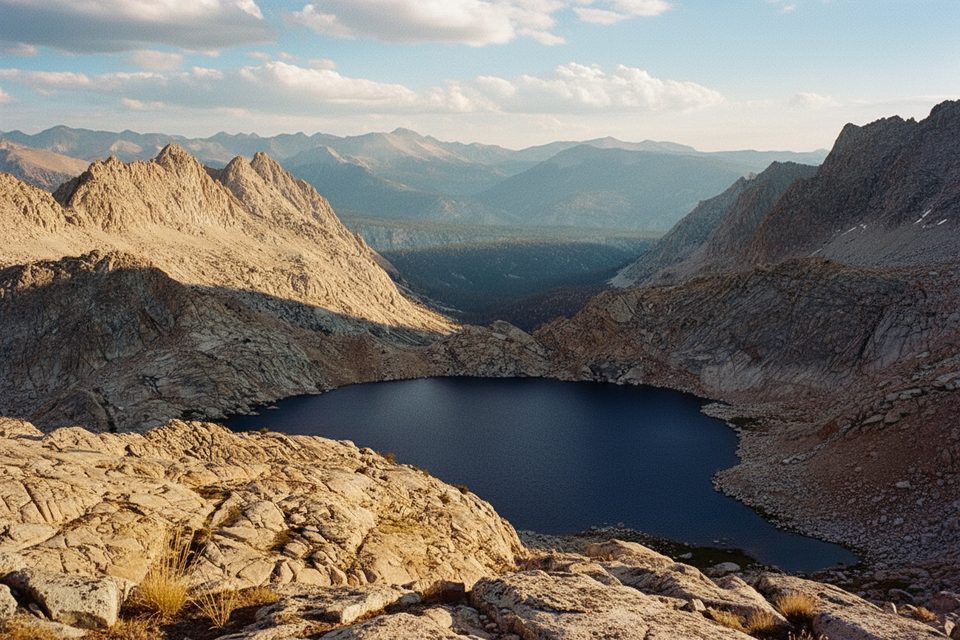
Farewell Gap is a high alpine pass over 10,500 feet at the edge of Mineral King, marking the transition from Sequoia’s wilderness into the Golden Trout Wilderness. It’s a rewarding objective whether you’re after a stout day hike or linking it into a longer backpack.
Reports note occasional blowouts on the upper trail toward the pass that have forced reroutes. On the loop, a landslide between the Silver Lake junction and Farewell Gap has made that section effectively “choose‑your‑own‑adventure,” with steep talus and exposure—only suitable if you’re comfortable with cross‑country navigation. South of the pass the tread grows rougher, with overgrowth, deadfall, and slower going. Early season can be mostly snow‑free below ~9–10k in low‑snow years, but stream crossings can still be swift; plan footwear accordingly.
This corner of Mineral King is famous for its multi‑colored metamorphic “roof pendant” rocks—gneisses, schists, quartzite, and slate—that tell the story of ancient ocean sediments baked by the rising Sierra Nevada. On warm days you’ll likely spot marmots sunning on the rocks; birdlife ranges from white‑throated swifts to Cassin’s finches and Nashville warblers. The approach passes a mix of sagebrush, lupine, manzanita, and (higher up) twisted junipers and quaking aspens—spring and early summer bring mariposa lilies and scarlet penstemon.
Day hikers don’t need a permit. Overnight trips in Sequoia‑Kings do. Parking is in the Mineral King area; weekends fill early. Local practice in Mineral King is to protect your car from marmots (they’re notorious for chewing under‑hood hoses). Water is available from multiple creeks; treat everything.
If you want a big‑view pass without technical terrain, the day hike to Farewell Gap delivers. If you’re eyeing the longer loop, understand it’s advanced this season due to landslide and overgrowth—come prepared with strong navigation and a partner, or save it for when conditions improve.
Late spring through fall, snowpack permitting. Start early: you’ll beat afternoon build‑ups, have easier creek crossings, and enjoy gentler light for photos. Weekends see more trailhead pressure; weekdays are quieter.
Place · 1.2 mi away
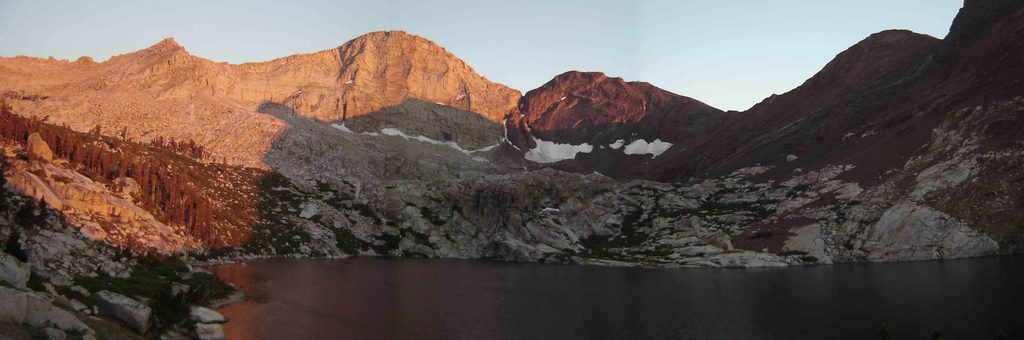
Place · 1.6 mi away
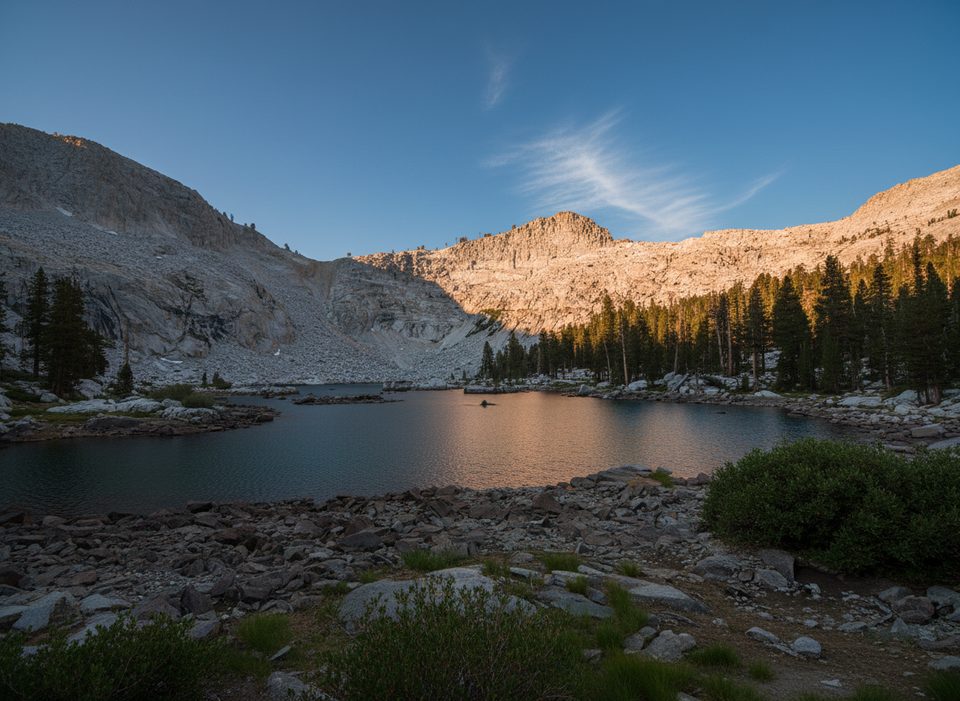
Place · 2.2 mi away
Place · 3 mi away
Challenging · 3.6 mi away
Challenging · 3.8 mi away
Challenging · 3.8 mi away
Challenging · 4 mi away

Parkwolf Tour Guide
