
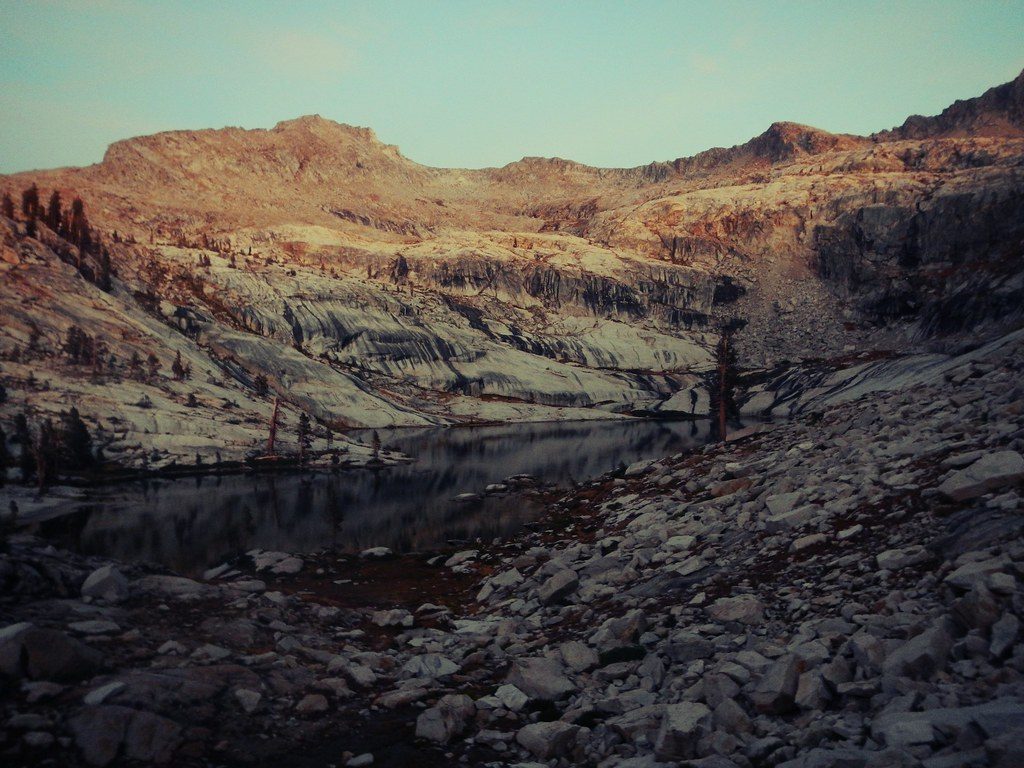
Place · 0.5 mi away
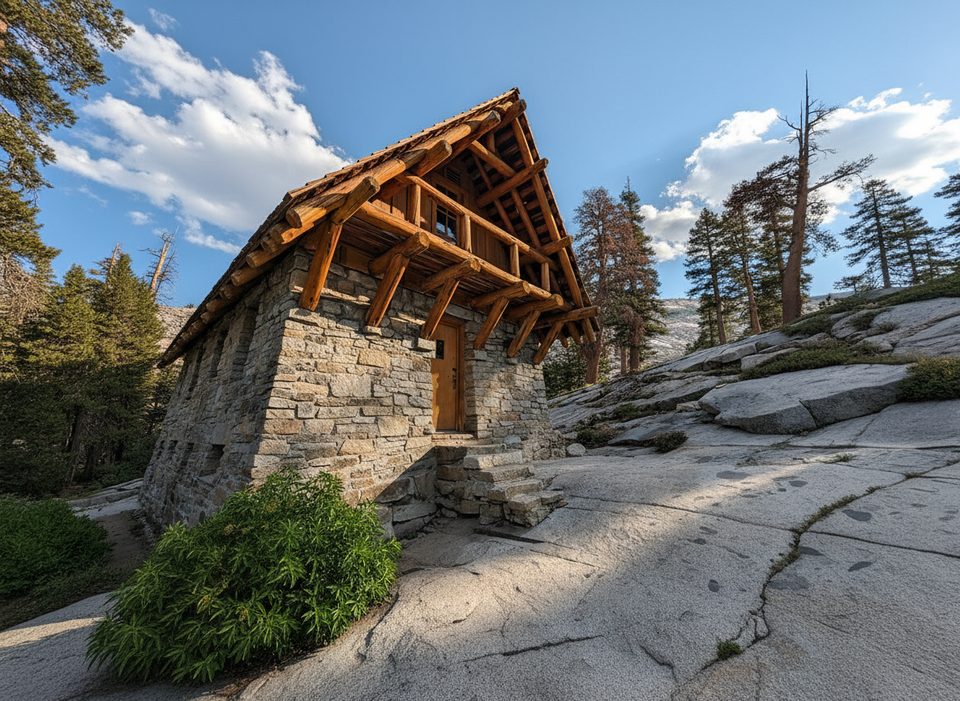
Perched around 9,200 feet, Pear Lake Ranger Station doubles as the Pear Lake Winter Hut—an intimate, stone-and-timber CCC build (1939–41) that’s on the National Register of Historic Places. In winter (roughly December–April, conditions permitting), it becomes a reservation-only base for experienced backcountry travelers and is often cited as one of California’s standout ski huts. In summer, it reverts to a ranger station—no public lodging.
Expect a serious winter approach: about six miles from the Wolverton area with roughly 2,000 feet of gain. The Pear Lake Winter Trail is the park’s most challenging marked ski route. In winter, follow the yellow triangle markers; summer trails can be buried and misleading. The route is open to skiing, snowshoeing, and hiking, but winter conditions dictate caution and the right equipment.
What’s provided for overnight guests:
You bring:
Avalanche conditions can exist at all times on this route. This trip is for experienced backcountry skiers and snowshoers with avalanche training and a full kit (beacon, shovel, probe). Expect variable snow, ice, and rapidly changing weather; traction may be needed in icy stretches. Navigation can be tricky—stick to the marked winter route and make conservative decisions.
In summer, the building functions as the Pear Lake Ranger Station (not public lodging). Don’t count on developed facilities being available to casual visitors at the lake.
The surrounding basin offers a vast winter playground. A classic line is “Winter Alta” (also called Skiers Alta), an 11,328‑foot objective with more than 2,000 feet of vertical and big Sierra views when conditions allow.
Rodents are native here and hantavirus is a known risk in Sierra cabins. The hut is cleaned to public health guidance and traps are set when needed, but risk cannot be guaranteed. Use careful hygiene; if you must clean droppings, wet them thoroughly with disinfectant before handling.
Place · 0.5 mi away
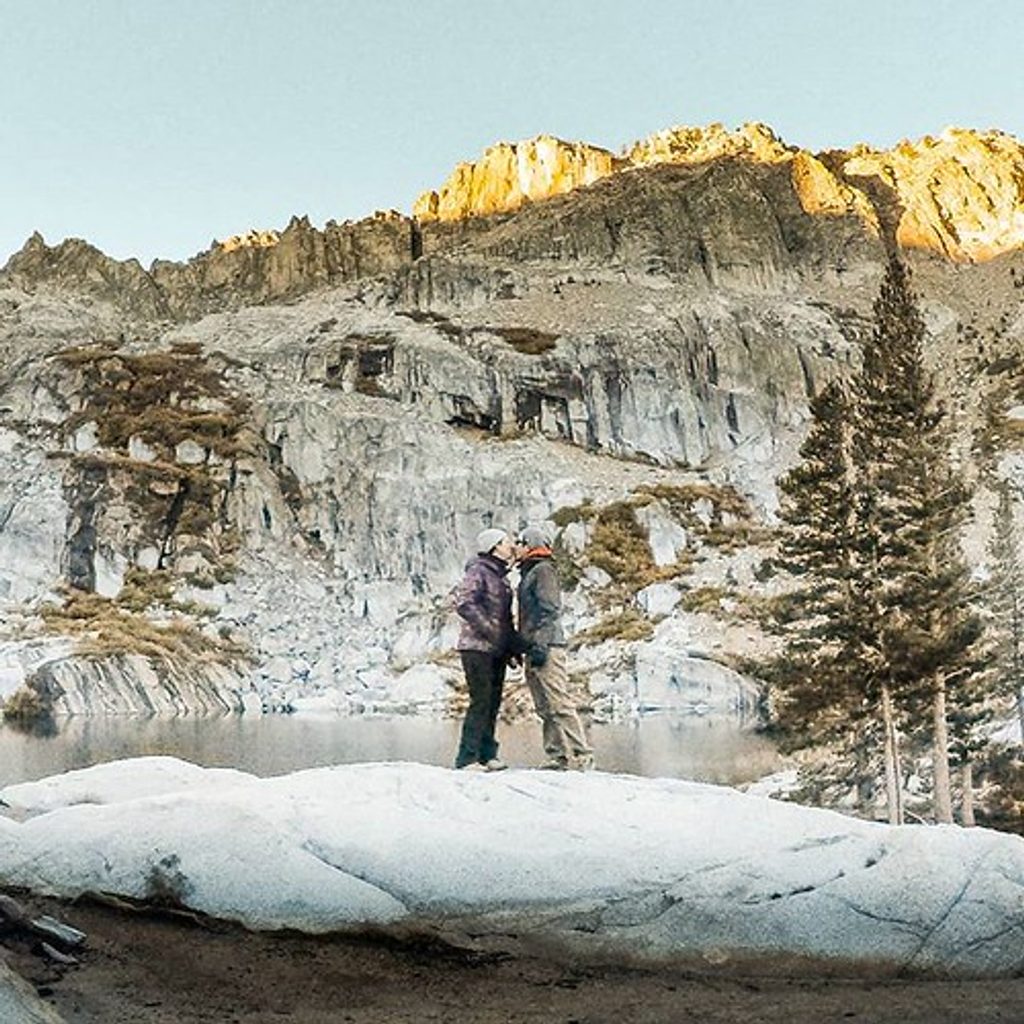
Place · 0.8 mi away
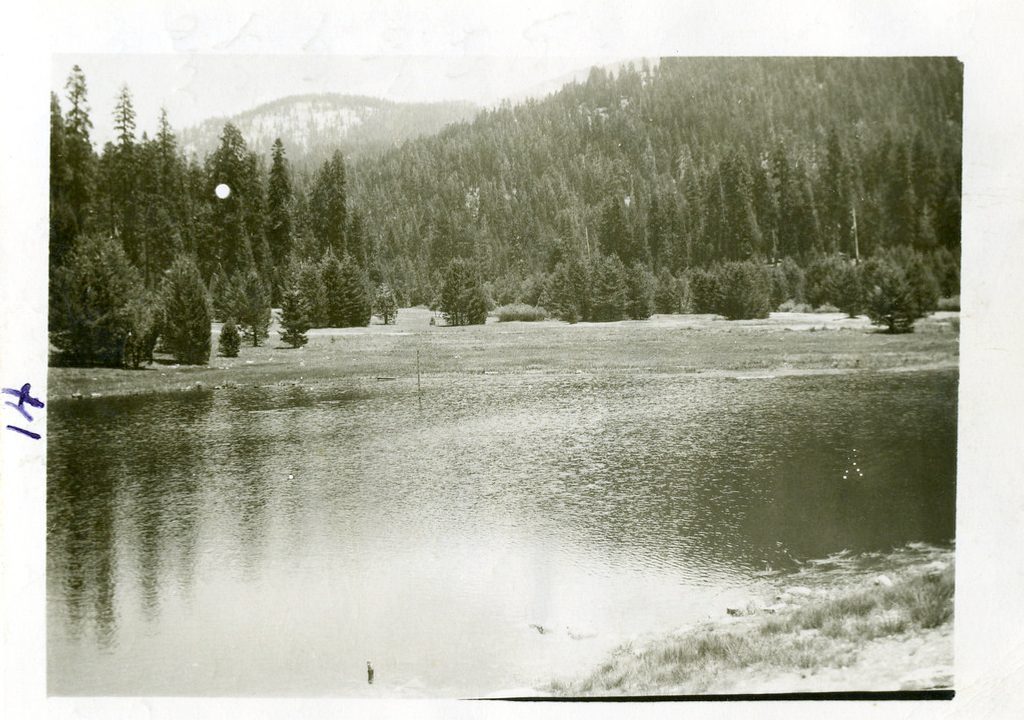
Place · 1.1 mi away
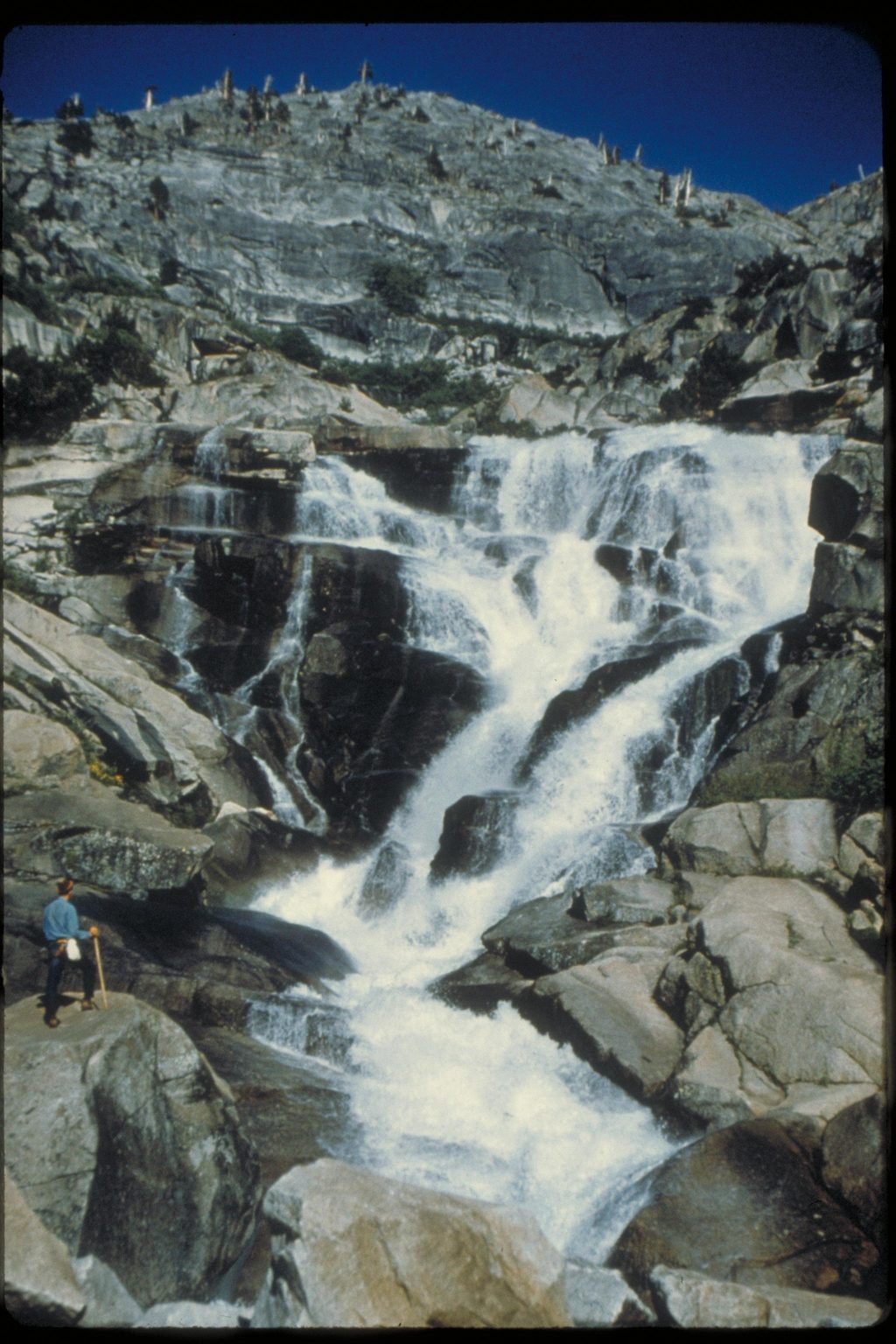
Place · 1.1 mi away
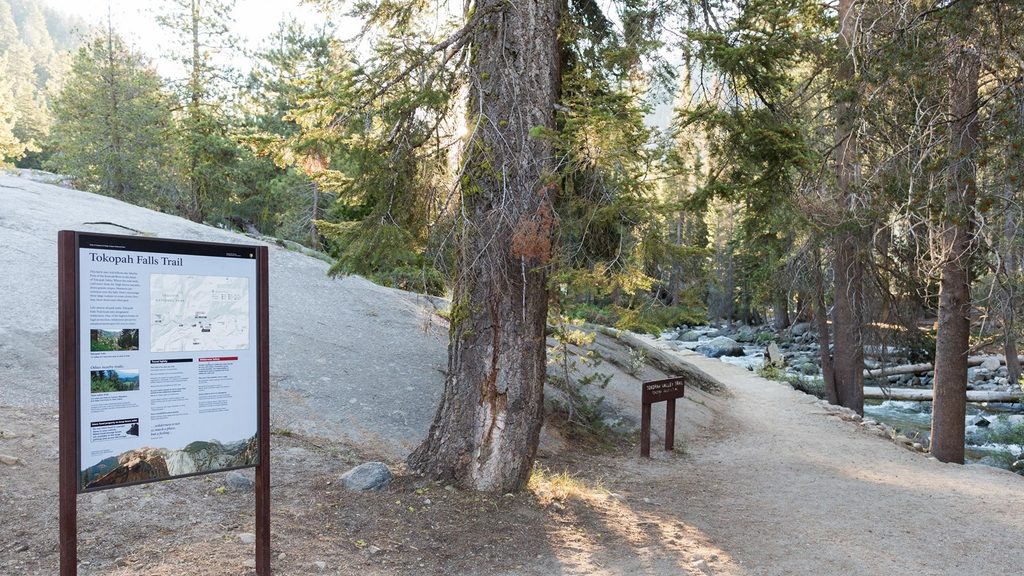
Easy · 2.9 mi away
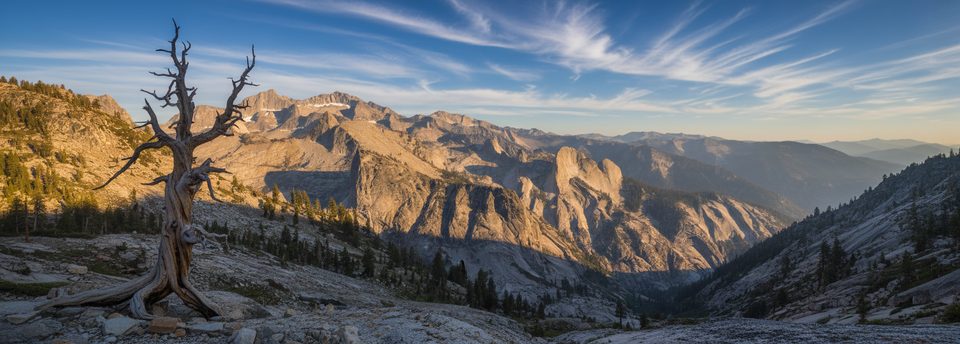
Moderate · 2.9 mi away
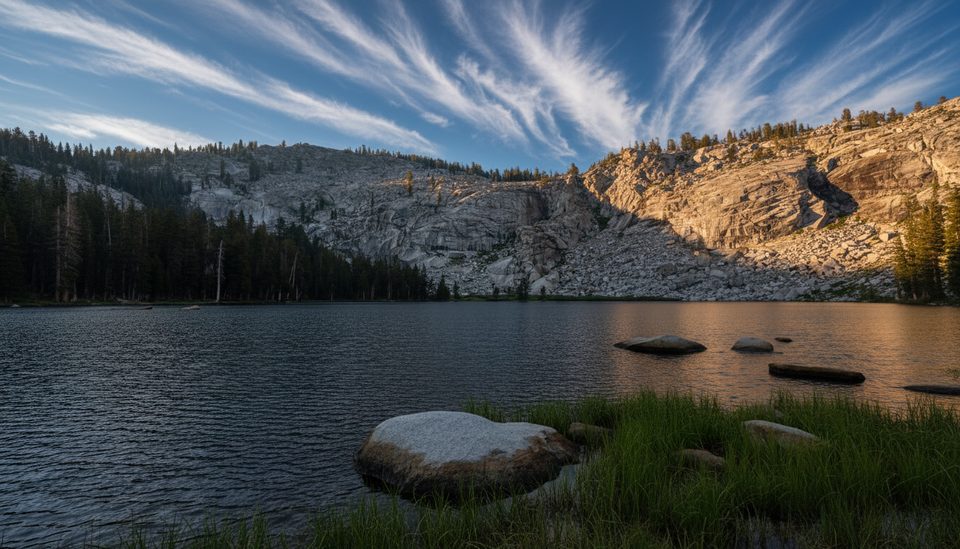
Challenging · 2.9 mi away
Challenging · 3.6 mi away

Parkwolf Tour Guide
